
The Grocery Price Outlook
Why Another Wave of Food Inflation Could Hit Grocery Bills
From disrupted harvests to higher transportation costs, explore the pressures that could push food prices up again—and what they mean for households.
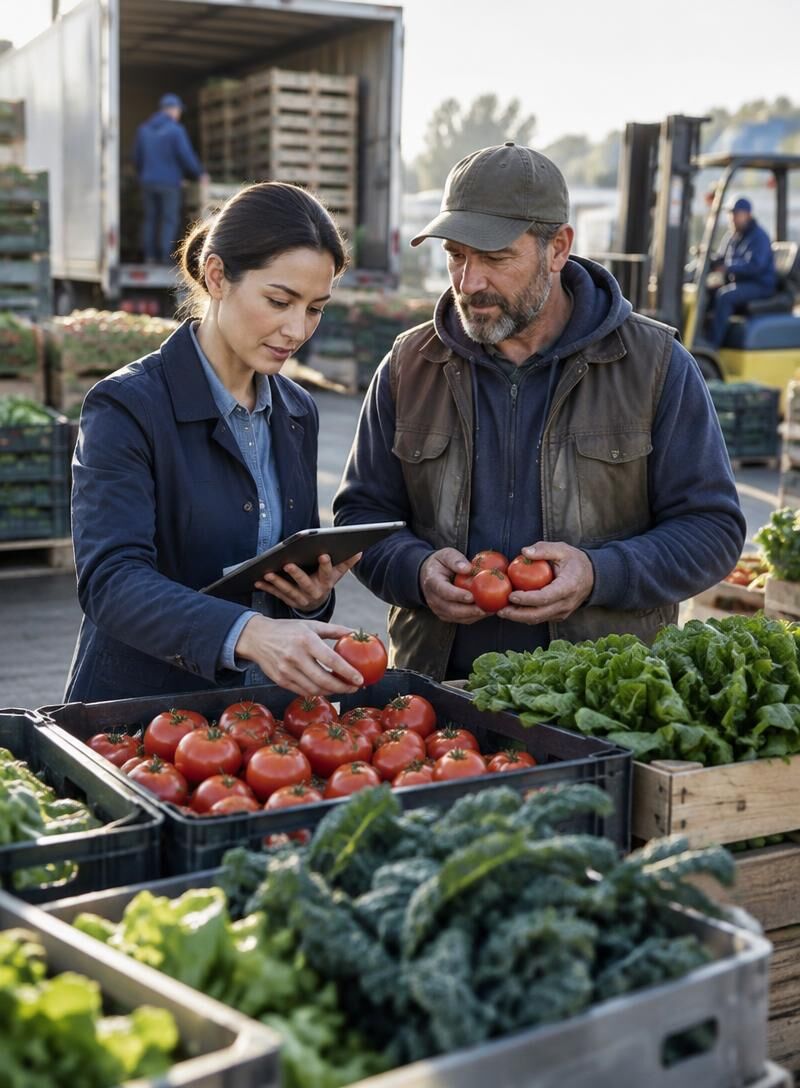
What’s Behind the Warning Signs
Food Inflation Could Return as Supply Strains and Rising Costs Reach the Checkout
Six Forces Shaping Grocery Prices
Supply Chain Disruptions
Shipping delays, trade restrictions, and processing bottlenecks can reduce availability and raise costs before food reaches store shelves.
Extreme Weather
Droughts, floods, and heat can damage crops, strain livestock production, and make harvests less predictable.
Energy and Fuel Costs
Farms, food processors, and delivery fleets rely on energy; higher fuel and electricity bills can ripple through grocery prices.
Labor Expenses
Wage pressures and worker shortages across farming, processing, and retail can increase the cost of getting food to consumers.
Shifting Consumer Demand
Changes in eating habits and demand for certain ingredients can put extra pressure on supplies that are slow to expand.
Global Commodity Markets
Price swings in grains, oils, and other staples can affect a wide range of packaged foods, even when local harvests are strong.
How Rising Food Prices Reshape Household Budgets
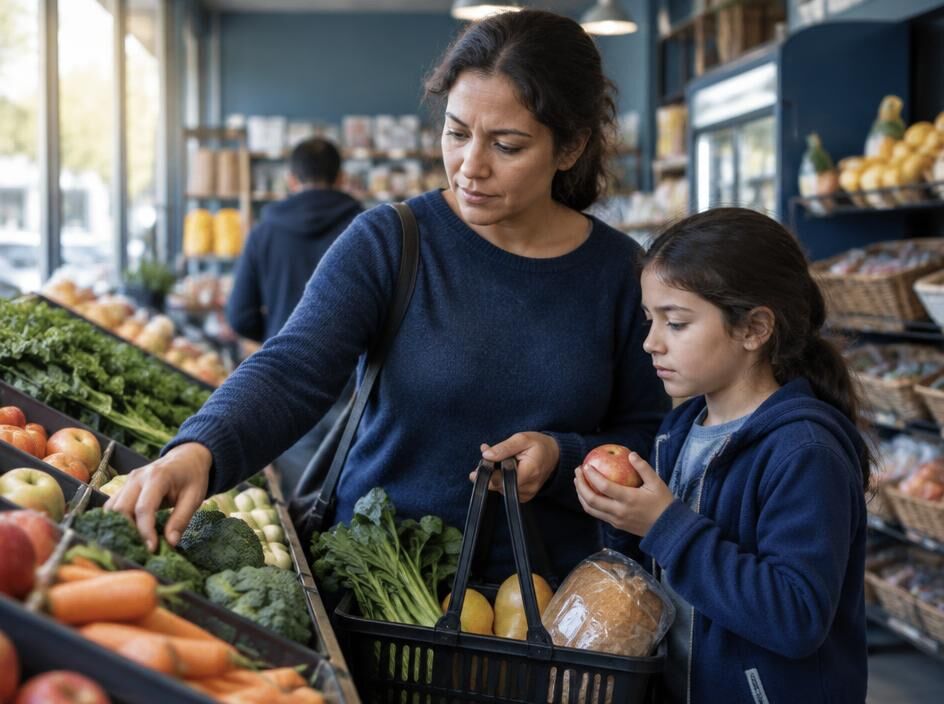
Even when food inflation slows, grocery bills can remain high because prices rarely return to earlier levels. Families must cover that higher baseline alongside rent, utilities, and transportation, leaving less room for savings or unexpected expenses. Shoppers may switch to store brands, compare unit prices, buy smaller quantities, or plan meals around discounts. Higher-income households can often absorb these costs with fewer changes, while lower-income households spend a larger share of their budgets on food and may have to sacrifice variety or freshness. The pressure can be especially sharp for people with limited access to multiple grocery stores or the time to shop around.
Why a Slower Inflation Rate May Not Bring Relief
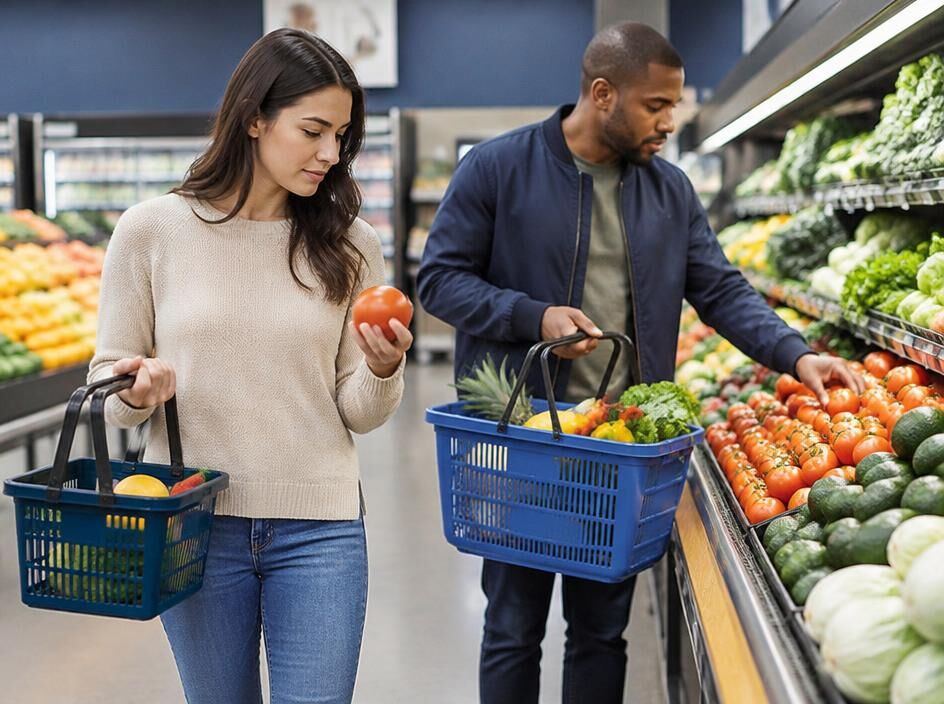
A lower inflation rate means prices are rising more slowly, not that groceries are getting cheaper. For a household already spending more on essentials, another modest increase can still require difficult trade-offs. Tracking the total cost of a familiar shopping basket offers a clearer picture of daily affordability than the inflation rate alone.
How Shopping Habits Are Changing
Consumers may replace branded products with private-label alternatives, choose frozen produce, or visit several stores to find better prices. These strategies can stretch a budget, but they also demand time, transportation, and storage space—resources that are not equally available to every household.
Why Income Shapes the Impact
Because food is essential, households cannot simply stop buying it when prices climb. Those with financial cushions may adjust preferences; those living paycheck to paycheck may cut other spending or turn to food assistance. Looking at these differences helps explain why the same grocery-price headline can describe very different experiences.
Food Inflation by the Numbers
These reference figures show why changes in grocery prices matter for household budgets. They are illustrative, not a reading of the latest Consumer Price Index; for current trends, compare the latest food-at-home and food-away-from-home figures from the U.S. Bureau of Labor Statistics.
$100 Basket: A 3% Rise Adds $3
$150 Weekly Bill: A 4% Rise Adds $312 a Year
5% Food Inflation: Prices Still Rise, Just More Slowly
10% Food Budget Share: A $10 Increase per $100 Spent
“A slower rise in food prices is welcome, but it does not undo earlier increases. The outlook depends on how weather, energy, labor, transportation, and supply-chain costs move—and on how much of those changes retailers pass along to shoppers.” — Albert Report analysis
Food Inflation: Common Questions
Explore what drives grocery prices, which foods could cost more, and what to watch as inflation changes.
Why do grocery prices rise even when overall inflation slows?
Food prices reflect costs such as labor, energy, transportation, and packaging. Overall inflation can slow while grocery prices still rise, just at a slower pace.
Which foods are most vulnerable to price increases?
Products affected by weather, disease, or global supply disruptions can see sharper swings. Eggs, meat, dairy, coffee, and fresh produce are examples to watch, though conditions vary.
How does extreme weather affect food costs?
Droughts, floods, and heat can reduce harvests or disrupt shipping. Smaller supplies may push up prices for affected crops and the foods made from them.
Why do restaurant prices change differently from grocery prices?
Restaurants pay for more than ingredients. Wages, rent, utilities, and insurance can keep menu prices elevated even when some grocery costs ease.
Can higher tariffs raise food prices?
Tariffs can increase the cost of imported foods or ingredients. The effect at checkout depends on how much businesses absorb and whether alternatives are available.
Do lower commodity prices mean cheaper groceries right away?
Not necessarily. Processing, packaging, and distribution make up part of the shelf price, and contracts can delay the effect of changes in raw-material costs.
Could food inflation pick up again?
It could if supply disruptions or production costs intensify. The path ahead remains uncertain and may differ widely by product and region.
What signals should shoppers follow?
Watch reports on crop conditions, livestock disease, energy costs, and consumer prices. Together, they offer a clearer picture than any single grocery bill.
How can households respond to changing food prices?
Compare unit prices, plan around seasonal produce, and consider substitutes when a staple becomes expensive. Small adjustments can help without relying on predictions about future prices.
Make Sense of the Trends Behind Everyday Costs
Follow Albert Report for thoughtful coverage of economic trends and fresh perspectives on the issues shaping daily life.




0 Comments