
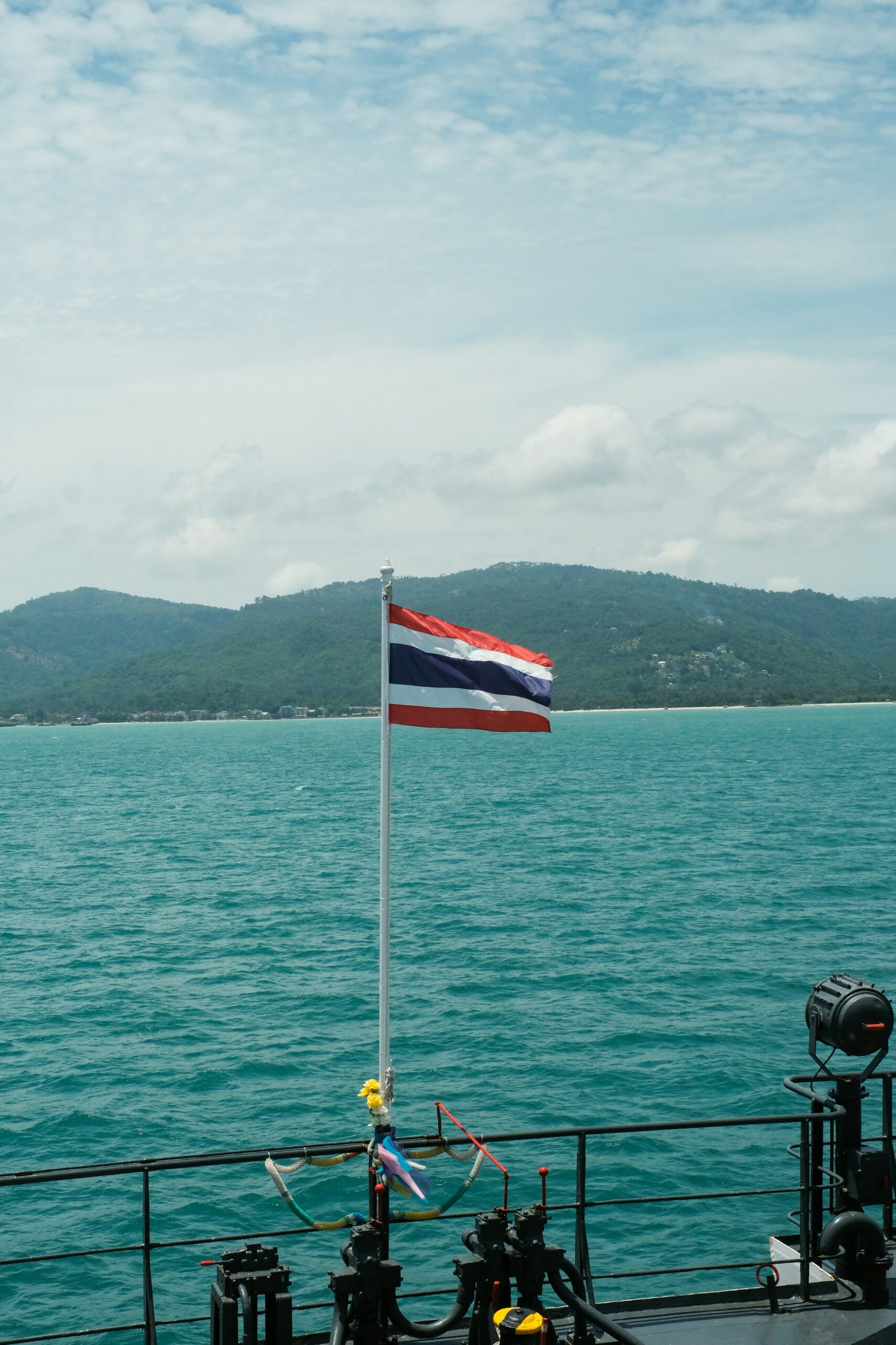
Retiring in Thailand offers warm weather, affordable living and a different lifestyle. Explore retirement visa rules, healthcare costs and challenges for expats in 2026.
Focus Keyphrase: Retiring in Thailand
Secondary Keywords: Thailand retirement visa 2026, cost of living in Thailand, retirement abroad, expat retirement in Asia, living in Thailand, Thailand healthcare for retirees.
🌴 Retiring in Thailand: The Appeal of Starting a New Chapter in Southeast Asia
For people approaching retirement, the possibility of exchanging expensive housing, colder winters and demanding daily routines for a warmer climate and a different lifestyle has become increasingly attractive. Thailand, one of Southeast Asia's most internationally recognized destinations, continues to draw attention from foreign retirees looking for a new place to call home.
However, retiring in Thailand is not necessarily the inexpensive and effortless experience that some people imagine.
A recent November 21, 2026, report by The Wall Street Journal , titled "What It's Like to Retire in Thailand," highlights an important reality of moving abroad: the climate can be hot and humid, living expenses can exceed initial expectations, and adapting to a different country requires patience. Despite these challenges, the experience can also provide an opportunity to build a rewarding new life.
Thailand's appeal extends beyond inexpensive restaurants and tropical beaches. The country offers established international communities, major private hospitals, modern shopping facilities, diverse cultural experiences and several long-term immigration options.
For retirees from North America, Europe and other developed economies, the central question is increasingly practical: Can Thailand provide a comfortable, financially sustainable retirement without sacrificing healthcare access, personal security or quality of life?
The answer depends on individual circumstances, financial resources and expectations.
💰 Why Thailand Attracts International Retirees
Thailand has spent decades developing its reputation as an international tourism destination. Bangkok, Chiang Mai, Phuket, Pattaya and Hua Hin have become familiar names among foreign visitors and long-term residents.
For retirees, several factors contribute to the country's appeal.
First, everyday expenses can be lower than in many major Western cities. Housing, local transportation, restaurants and certain personal services may offer better value, particularly for people receiving pensions or retirement income in stronger foreign currencies.
Second, Thailand provides considerable geographical and lifestyle diversity. Retirees can choose metropolitan living in Bangkok, a quieter environment in Chiang Mai, coastal communities in Hua Hin or island living in southern Thailand.
Third, the country has developed infrastructure serving international residents. English-speaking medical professionals, international schools, foreign-owned businesses and established expatriate communities make certain locations easier to navigate.
Nevertheless, affordability is relative. A retiree who wants an international-standard condominium, imported groceries, private medical insurance and frequent international travel may spend considerably more than someone adopting a predominantly local lifestyle.
The distinction between visiting Thailand as a tourist and living there permanently is particularly important.
🏠 The Real Cost of Living in Thailand
One of the biggest misconceptions about retirement in Southeast Asia is that a relatively modest pension automatically guarantees a comfortable lifestyle.
Thailand can offer significant savings, but housing and healthcare can substantially influence a retiree's monthly budget.
Housing and accommodation
Housing costs vary considerably depending on location, property size and building standards.
Bangkok provides access to modern condominiums, public transportation, international restaurants and private hospitals. However, desirable neighborhoods can be expensive.
Chiang Mai may offer a more relaxed environment, with access to restaurants, cultural attractions and outdoor activities. Coastal destinations such as Hua Hin and Pattaya provide different lifestyle opportunities, although beachfront accommodation and premium developments can command higher prices.
Foreign retirees should also understand Thailand's property ownership regulations. Foreign nationals generally cannot directly own land, although condominium ownership is permitted under specific legal conditions and foreign ownership quotas.
Renting can provide greater flexibility, especially during the first year of retirement.
Food and everyday expenses
Thailand's food culture is another major attraction.
Local markets, traditional restaurants and neighborhood food vendors can provide inexpensive meals. International supermarkets, imported products and Western restaurants, however, can increase monthly spending.
Retirees who want to maintain familiar eating habits may discover that their grocery bills are higher than anticipated.
Electricity is another consideration. Air conditioning is particularly important during Thailand's hot season, and extended use can increase household expenses.
Transportation and travel
Bangkok has an extensive public transportation network, including the BTS Skytrain and MRT subway.
Outside major urban centers, retirees may depend more heavily on taxis, ride-hailing services, private vehicles or motorbikes.
International airports also make Thailand a convenient base for exploring other Asian destinations, including Singapore, Malaysia, Vietnam, Japan and South Korea.
However, frequent international travel should be included in a realistic retirement budget rather than treated as an occasional expense.
🛂 Thailand Retirement Visa Requirements in 2026
Immigration requirements are among the most important considerations for anyone planning to retire in Thailand.
Foreign nationals cannot assume that entering the country as tourists automatically provides the right to remain indefinitely.
Thailand offers several long-stay immigration pathways, including retirement-related Non-Immigrant O, O-A and O-X visas.
The traditional retirement route generally requires applicants to be at least 50 years old and demonstrate sufficient financial resources.
Common financial qualification standards include:
-
A minimum deposit of 800,000 Thai baht in a qualifying Thai bank account.
-
A monthly pension or income of at least 65,000 baht.
-
A qualifying combination of income and bank deposits, subject to the applicable immigration rules.
The O-A long-stay visa also carries health insurance requirements. The O-X visa provides a longer-term option for eligible nationalities but involves higher financial requirements and additional documentation.
Canadian, American, British and European retirees should verify the specific requirements applicable to their nationality and application location.
Visa rules can change, and immigration offices may request additional documentation.
Another important restriction is employment. Retirement visas generally do not authorize foreign nationals to work in Thailand.
People considering freelance work, consulting or operating a business should investigate the appropriate immigration and work authorization arrangements before relocating.
🏥 Healthcare: An Essential Part of Retirement Planning
Healthcare can become one of the largest financial considerations for retirees living overseas.
Thailand has a well-developed private healthcare sector, particularly in Bangkok and other major urban destinations. Some hospitals offer internationally oriented services, English-speaking personnel and modern medical facilities.
For foreign retirees, this can be an important advantage.
However, access to private hospitals does not mean that healthcare will always be inexpensive.
Medical insurance premiums generally increase with age, and coverage can vary significantly depending on pre-existing conditions, deductibles, exclusions and treatment limits.
Retirees should investigate:
-
Whether their insurance covers hospitalization and outpatient treatment.
-
Whether pre-existing medical conditions are excluded.
-
Whether coverage remains available at older ages.
-
Whether emergency medical evacuation is included.
-
Whether treatment at their preferred hospitals is covered.
People moving from Canada should also carefully investigate provincial health insurance residency requirements and the limitations of provincial coverage outside Canada.
American retirees should remember that Medicare generally does not cover routine healthcare received overseas.
Healthcare planning should therefore happen before relocation rather than after arrival.
🌡️ The Climate: Tropical Living Has Its Challenges
Thailand's tropical climate is attractive to people who want to escape long winters.
But the weather is not always comfortable.
High temperatures, humidity and seasonal rainfall can influence everyday activities. During particularly hot periods, outdoor exercise and sightseeing may become difficult.
Air conditioning becomes an important part of daily life, particularly for older residents who may be more vulnerable to heat.
Thailand also experiences seasonal air pollution in certain regions. Northern Thailand, including Chiang Mai, can experience periods of elevated particulate pollution associated with agricultural burning and other sources.
This is an important consideration for retirees with respiratory sensitivities.
People considering a permanent move should ideally experience Thailand during different seasons rather than making a decision based exclusively on a pleasant winter holiday.
🌏 Choosing the Right Place to Retire
Thailand is not a single retirement experience. Different destinations offer different advantages.
Bangkok: Urban convenience and international healthcare
Bangkok is particularly attractive to retirees who want modern infrastructure, shopping centers, restaurants, international communities and access to major private hospitals.
The city's transportation network provides opportunities to live without owning a vehicle.
However, traffic congestion, air pollution, noise and higher housing costs may discourage people seeking a quieter retirement.
Chiang Mai: Culture and a slower lifestyle
Chiang Mai is known for its temples, cultural heritage, mountains, cafés and established international community.
It can appeal to retirees who prefer a less metropolitan environment.
Nevertheless, seasonal air pollution is a significant concern, and residents should research local environmental conditions before choosing the region.
Hua Hin: Coastal living and relaxation
Hua Hin offers beaches, golf courses, restaurants and a more relaxed atmosphere than Bangkok.
Its proximity to the capital also makes it attractive to people who want coastal living without being completely disconnected from major urban services.
Phuket: International lifestyle and island living
Phuket attracts foreign residents through its beaches, international restaurants, resorts and established tourism infrastructure.
It offers considerable lifestyle appeal, but accommodation, imported goods and certain services can be expensive.
For retirees seeking a premium coastal lifestyle, Phuket may be appealing, provided the financial requirements are realistic.
📊 Retirement Abroad Requires More Than a Pension
The decision to retire in Thailand should involve a comprehensive financial assessment.
Exchange-rate fluctuations can influence purchasing power, particularly for people receiving pensions in Canadian dollars, American dollars, British pounds or euros.
A stronger foreign currency can make Thailand more affordable, but currency movements are unpredictable.
Retirees should also consider:
-
Inflation and future increases in housing costs.
-
International banking and pension transfers.
-
Tax residency and reporting obligations.
-
Private healthcare and insurance premiums.
-
Emergency savings and unexpected medical expenses.
-
The cost of returning to their home country.
Tax planning deserves particular attention. Spending 180 days or more in Thailand during a calendar tax year can generally make an individual a Thai tax resident.
The taxation of foreign pensions, investment income and money transferred into Thailand depends on applicable Thai legislation, tax treaties and individual circumstances.
Retirees should obtain professional cross-border tax advice before changing their residency.
🧭 Is Thailand a Good Place to Retire Permanently?
Thailand can offer an appealing combination of lifestyle flexibility, cultural experiences, warm weather and potentially lower living expenses.
But a successful retirement depends on realistic expectations.
People who move abroad expecting everything to be cheaper may encounter unexpected expenses. Those who underestimate healthcare requirements, immigration procedures or cultural differences may find the transition more difficult.
Language can also present challenges. English is widely used in tourism and certain international communities, but learning basic Thai can make everyday life considerably easier.
Long-term residents must also adapt to different administrative systems, social customs, transportation conditions and weather patterns.
For many retirees, the best approach is to rent accommodation initially, explore different regions and establish a realistic monthly budget before committing to a permanent move.
🔎 The Bigger Trend: Southeast Asia's Growing Role in Global Retirement
Thailand's popularity reflects a broader international shift in retirement planning.
As housing, healthcare and everyday expenses increase in many developed economies, some retirees are exploring destinations where their savings and pension income may provide greater purchasing power.
Southeast Asia has become an important part of this conversation.
Thailand competes with countries such as Malaysia, Vietnam and the Philippines for international residents seeking warmer climates and alternative retirement lifestyles.
Each destination offers different advantages and challenges involving healthcare, immigration rules, property ownership, taxation and infrastructure.
Thailand's established international tourism industry and private healthcare sector provide important competitive advantages.
However, the country's long-term attractiveness will also depend on its ability to maintain a predictable immigration environment, provide reliable public infrastructure and address environmental challenges.
For policymakers and the tourism industry, foreign retirees represent more than another category of international visitors. They can contribute to local economies through housing, restaurants, healthcare, transportation, leisure activities and other services.
Conclusion: A Different Retirement, With Realistic Expectations
Retiring in Thailand can represent an exciting opportunity to build a new life in Southeast Asia.
The country offers a wide range of living environments, from Bangkok's modern urban neighborhoods to Chiang Mai's cultural attractions and the coastal communities of Hua Hin and Phuket.
Yet the realities of long-term living are different from the experience of visiting on vacation.
Heat, humidity, healthcare expenses, visa requirements, taxation and changing living costs all deserve careful consideration.
The central lesson is that retiring abroad is not simply about finding a country where money goes further. It is about finding a place where financial security, healthcare access, personal comfort and long-term lifestyle expectations can coexist.
For retirees willing to prepare carefully, Thailand may offer an appealing alternative to traditional retirement destinations. The most successful move, however, is likely to be one based on research, financial planning and an understanding of everyday life rather than holiday expectations.
Frequently Asked Questions (FAQ)
1. Is Thailand a good country for retirement in 2026?
Thailand can be an attractive retirement destination because of its climate, international communities, private healthcare facilities and potentially lower living expenses. However, individual costs and visa requirements must be evaluated carefully.
2. How much money do you need to retire in Thailand?
There is no universal monthly budget. Housing, insurance, location, lifestyle and travel habits determine the actual amount required. Retirement visa financial qualification requirements are separate from the money needed for comfortable everyday living.
3. What is the minimum age for a Thailand retirement visa?
The traditional retirement visa pathways generally require applicants to be at least 50 years old.
4. Can Canadians retire in Thailand?
Yes. Canadian citizens can explore Thailand's retirement visa options, subject to the relevant financial, insurance and immigration requirements.
5. Is healthcare affordable in Thailand?
Thailand offers public and private healthcare services, including internationally oriented private hospitals. Costs vary depending on the hospital, treatment and insurance coverage.
6. Can foreigners buy property in Thailand?
Foreigners can own qualifying condominium units within applicable foreign ownership limits. Direct foreign ownership of land is generally restricted, making professional legal advice important before purchasing property.
7. Which Thai city is best for retirees?
Bangkok offers urban infrastructure and major hospitals, Chiang Mai offers cultural attractions and a slower lifestyle, Hua Hin provides coastal living, and Phuket offers an established international island environment.
8. Do retirees pay taxes in Thailand?
People who spend at least 180 days in Thailand during a tax year generally qualify as Thai tax residents. The tax treatment of foreign-source income depends on applicable legislation, tax treaties and individual circumstances.
Editorial Disclaimer: This article provides general information and is not legal, immigration, tax, medical or financial advice. Retirement visa requirements, taxation and insurance rules may change. Readers should consult the relevant Thai authorities and qualified professional advisers before relocating.
Sources and Further Reading:
-
Wall Street Journal – What It's Like to Retire in Thailand
-
Thailand Government – Application to Stay in Thailand in the Case of Retirement
-
Royal Thai Consulate-General, Los Angeles – Non-Immigrant Retirement Visa Information
-
Louis Group – Thailand Retirement Visa Guide 2026




0 Comments