
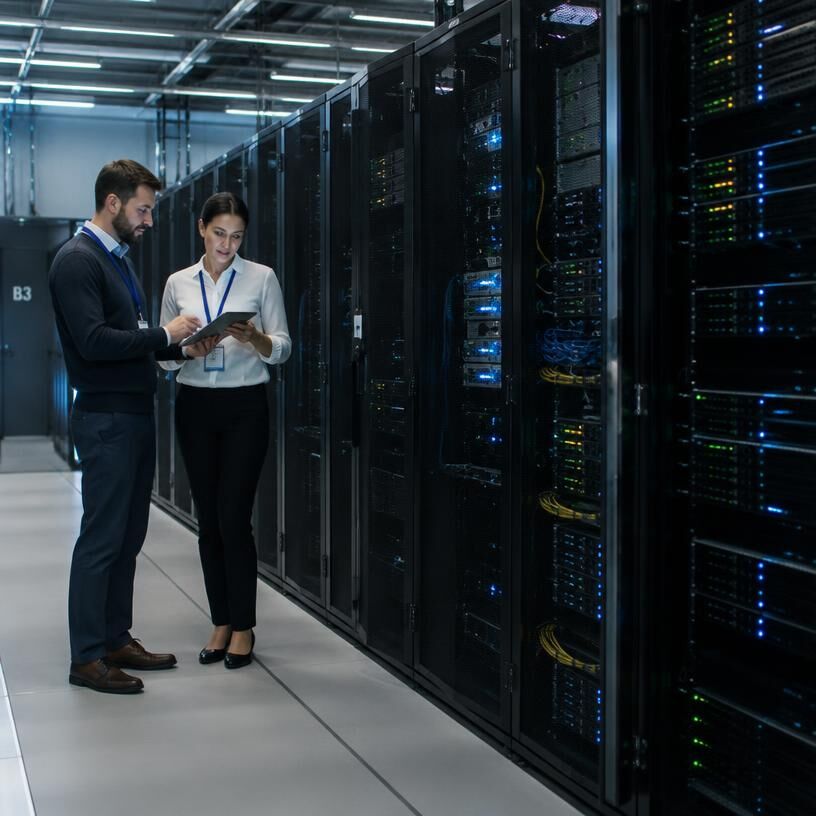
Recent US technology outages have triggered a surge in emergency preparedness spending, raising concerns about cybersecurity, AI threats, power reliability and digital infrastructure.
Focus Keyphrase: Emergency preparedness spending
Secondary Keywords: technology outages, emergency supplies, cybersecurity threats, AI cyberattacks, power grid reliability, Costco sales, survival supplies, business continuity planning
Category: Technology, Business, Economy
Technology Outages Trigger a New Wave of Emergency Preparedness Spending
A series of major technology disruptions across the United States is changing consumer purchasing behavior, encouraging households and businesses to reconsider how prepared they are for prolonged service interruptions, electricity failures and potential digital infrastructure disruptions.
Recent outages affecting aviation operations, email services and banking transactions have intensified public discussions about the vulnerability of modern technology systems. Although government officials have dismissed speculation that the incidents represent a coordinated malicious attack, the disruptions have nevertheless encouraged some Americans to purchase emergency supplies and consider alternative arrangements for essential services.
According to data reported by CNBC and analyzed by consumer research firm Consumer Edge, spending at brands specializing in emergency preparedness products increased approximately 400% between November 12 and November 17 compared with the same period a year earlier.
The figures suggest that emergency preparedness is becoming more than a niche consumer interest. It is increasingly connected to broader questions about technological dependence, cybersecurity, infrastructure reliability and household financial resilience.
For retailers, suppliers and investors, the emerging trend could create new commercial opportunities. For governments and technology companies, however, it represents another reminder that modern societies need stronger contingency systems.
Emergency Supply Companies Experience a Dramatic Increase in Demand
Companies selling emergency survival equipment, packaged food, drinking water and related products are experiencing a significant increase in customer demand.
Ready America, a US-based emergency preparedness supplier, reported that its online sales had increased approximately fivefold in recent days. Corporate customers have also contacted the company to purchase additional emergency supplies for workplaces.
The company sells products including emergency survival kits, packaged drinking water and high-calorie food bars.
The increase in demand has reportedly required the business to ask suppliers to expand production. Certain products, including water purification tablets, have experienced shortages, prompting the company to direct customers toward alternative products.
This development highlights an important commercial characteristic of emergency preparedness markets: demand can increase rapidly when consumers perceive that essential infrastructure is becoming less reliable.
Unlike ordinary retail categories, emergency products can experience sudden purchasing surges following natural disasters, geopolitical developments, public health emergencies or major infrastructure failures.
The recent technology disruptions appear to have created another catalyst.
Why Consumers Are Becoming More Concerned About Technology Dependence
Modern households rely on digital infrastructure for nearly every aspect of daily life.
Banking, transportation, healthcare administration, communication, employment and retail transactions increasingly depend on interconnected networks and centralized technology platforms.
This creates considerable convenience and economic efficiency, but it also introduces vulnerabilities.
A disruption affecting one service provider can potentially create problems for customers, employees and businesses that depend on its systems.
For example:
-
Banking: Customers may temporarily lose access to digital transactions, account information or payment services.
-
Transportation: Airline thousands and airport disruptions can affect travelers and business operations.
-
Communication: Email and collaboration outages can interrupt professional activities and organizational coordination.
-
Retail: Payment processing failures can complicate purchases and business operations.
-
Healthcare: Technology interruptions can delay access to appointments, records and administrative services.
These risks help explain why some consumers are reconsidering their dependence on digital services.
Emergency preparation increasingly includes more than traditional disaster supplies. Households may also consider backup communication methods, alternative payment arrangements, battery systems and access to important information when internet services are unavailable.
However, preparedness should be based on realistic risks rather than unverified online predictions.
Costco and Retailers Could Benefit From the Preparedness Trend
The increase in emergency-related purchasing is attracting attention from financial analysts and major retailers.
Costco has emerged as an important company to watch because its business model is particularly well positioned to benefit when consumers purchase household essentials in larger quantities.
According to CNBC's reporting, Mizuho analysts identified increased consumer purchasing of emergency supplies at Costco and suggested that November non-fuel comparable sales growth could exceed 10%.
The trend is also attracting attention from analysts at RBC, who have identified increased demand in selected categories, including shelf-stable protein products, water purification supplies and dry pantry foods.
These developments could benefit retailers with extensive distribution networks, large inventories and established relationships with suppliers.
Nevertheless, investors should distinguish between temporary demand increases and sustainable improvements in retail performance.
Emergency purchasing can produce short-term sales growth without necessarily creating a lasting change in consumer spending patterns.
For companies such as Costco, Walmart, Home Depot and Lowe's, the longer-term opportunity may depend on whether households continue investing in backup equipment and emergency household inventories after the immediate concerns surrounding technology outages fade.
AI Cybersecurity Concerns Add Another Layer of Uncertainty
Artificial intelligence is becoming an increasingly important part of discussions about cybersecurity and infrastructure protection.
AI technologies can help organizations identify software vulnerabilities, monitor suspicious activity and improve security operations. However, similar capabilities can also create new challenges when used by malicious actors.
The concern is that increasingly sophisticated AI tools could accelerate the discovery of software weaknesses and potentially make certain cyberattacks easier to develop.
This does not mean that artificial intelligence caused the recent outages.
US intelligence officials have indicated that the reported disruptions were not the result of a coordinated cyberattack or a foreign government's operation. Individual technical problems and infrastructure failures should not automatically be interpreted as evidence of a broader security incident.
Nevertheless, the broader cybersecurity environment is changing.
Companies operating critical digital infrastructure face pressure to identify vulnerabilities, update software and strengthen their security systems while maintaining uninterrupted services.
The challenge is particularly complicated for organizations operating older technology platforms that were not originally designed for today's interconnected digital economy.
For investors, this environment could strengthen the long-term business case for cybersecurity software, network monitoring, infrastructure modernization and digital resilience solutions.
Why Business Continuity Planning Is Becoming More Important
The recent disruptions also raise questions about how prepared businesses are when their technology providers become unavailable.
For many organizations, a technology outage is no longer simply an IT inconvenience. It can directly affect revenue, customer relationships, employee productivity and operational stability.
A company that depends entirely on cloud-based applications, digital payments or a single communication platform may face significant difficulties when those services stop working.
Business continuity planning therefore needs to extend beyond cybersecurity policies.
Organizations should consider:
-
Backup communication systems: Employees need alternative ways to communicate when primary platforms become unavailable.
-
Data protection: Important business information should be backed up and recoverable.
-
Alternative payment arrangements: Retailers and service providers should evaluate contingency options for payment disruptions.
-
Employee preparedness: Staff should understand their responsibilities during technology interruptions.
-
Third-party risk management: Businesses should identify how dependent they are on individual technology suppliers.
-
Recovery procedures: Companies should regularly test their ability to restore essential operations.
These measures are particularly important for financial institutions, airlines, healthcare providers, logistics companies and public utilities.
For international businesses, the challenge is even more complicated because technology disruptions can affect operations across multiple countries and time zones.
The Difference Between Sensitive Preparation and Panic Buying
The increase in preparedness emergency spending also highlights the psychological dimension of infrastructure disruptions.
When several major outages occur within a short period, consumers may perceive them as evidence of a much larger threat.
Social media can amplify these concerns, particularly when unverified explanations circulate faster than official information.
However, there is an important distinction between preparing for possible disruptions and assuming that a nationwide technological collapse is imminent.
Households can take practical steps without making expensive purchases or accumulating unnecessary supplies.
A reasonable emergency plan may include:
-
Several days of drinking water and non-perishable food.
-
Essential medication and basic first-aid supplies.
-
Flashlights, batteries and portable charging equipment.
-
Access to emergency contacts and important documents.
-
A small amount of accessible cash for temporary payment disruptions.
-
Knowledge of local emergency information services.
The appropriate level of preparation depends on household circumstances, local risks and individual needs.
Governments and service providers also have a responsibility to communicate clearly when disruptions occur. Timely explanations can reduce uncertainty and help prevent misinformation from spreading.
What the Emergency Preparedness Boom Means for Investors
The growing interest in emergency supplies could have implications for several industries.
Retail and consumer goods: Companies selling packaged food, household essentials, water storage products and emergency equipment may benefit from increased demand.
Cybersecurity: Organizations may accelerate investment in software designed to detect, prevent and respond to digital threats.
Energy and backup power: Generators, battery storage systems and alternative power solutions could attract additional consumer and commercial interest.
Telecommunications: Businesses may place greater emphasis on network redundancy and reliable communication infrastructure.
Cloud computing and data centers: Demand for resilient digital infrastructure could reinforce the importance of backup systems, geographic redundancy and disaster recovery capabilities.
However, investors should avoid assuming that a temporary increase in consumer interest automatically translates into stronger long-term earnings.
Stock valuations, operating costs, inventory requirements and competitive pressures remain important considerations.
The broader investment opportunity may lie in companies that help organizations and households become more resilient rather than businesses benefiting from temporary anxiety.
The Bigger Issue: Modern Society Needs More Resilient Infrastructure
The recent US technology outages illustrate a fundamental challenge facing advanced economies.
Digital transformation has created enormous economic benefits, but it has also increased dependence on complex systems that must operate reliably around the clock.
Air transportation, banking, healthcare, communications and commerce cannot function effectively without dependent technological infrastructure.
As artificial intelligence advances and digital services become increasingly interconnected, governments and private companies will need to reconsider how they manage operational risks.
This includes modernizing aging systems, improving cybersecurity, strengthening backup infrastructure and ensuring that essential services can continue operating during disruptions.
The growing interest in emergency preparedness may eventually prove temporary. Nevertheless, the underlying issue is unlikely to disappear.
The future of the digital economy will depend not only on technological innovation but also on the ability of infrastructure to remain reliable when something goes wrong.
For households, that means understanding how to manage temporary interruptions. For businesses, it means building stronger continuity plans. For governments, it means investing in infrastructure capable of supporting an increasingly connected society.
The latest surge in emergency preparedness spending is therefore more than a retail story. It is a reflection of changing consumer attitudes toward technology, infrastructure security and the risks of modern economic dependence.
Frequently Asked Questions (FAQ)
Why are Americans increasing emergency preparedness spending?
Recent technology outages affecting transportation, email and banking services have increased concerns about digital infrastructure reliability. Some consumers are purchasing food, water, backup equipment and emergency supplies.
How much has preparedness spending increased?
Consumer Edge data reported by CNBC indicated that spending at emergency preparedness brands increased approximately 400% between November 12 and November 17, 2026, compared with the same period a year earlier.
Is there evidence that the recent technology outages were coordinated cyberattacks?
US intelligence officials have indicated that the reported outages were not caused by a government coordinated cyberattack or foreign operation. Individual technical failures should not be confused with evidence of a coordinated attack.
Could Costco benefit from increased emergency supply purchases?
Costco could benefit from increased purchases of bulk food, household essentials and emergency supplies. Mizuho analysts have identified the trend as a potential contributor to stronger November comparable sales growth.
What should households include in an emergency kit?
Basic preparations can include drinking water, non-perishable food, flashlights, batteries, portable chargers, essential medication, first-aid supplies and important emergency contact information.
Why is cybersecurity becoming more important?
Increasing digital dependence and advances in artificial intelligence are changing the cybersecurity landscape. Organizations need stronger protection, monitoring, backup systems and recovery procedures.
Conclusion
The surge in prepared emergency spending following recent US technology outages highlights a growing awareness of the vulnerabilities associated with digital dependence.
While there is no established evidence that the recent incidents represent a coordinated attack, the disruptions have demonstrated how quickly technical problems can affect essential services.
For retailers, the trend creates potential commercial opportunities. For cybersecurity companies and infrastructure providers, it reinforces the importance of digital resilience. For governments and businesses, it offers another reason to strengthen contingency planning.
Ultimately, preparedness is not about predicting a catastrophe. It is about ensuring that households, businesses and essential institutions can continue functioning when unexpected disruptions occur.
Source: CNBC, November 21, 2026.
Source links:




0 Comments