
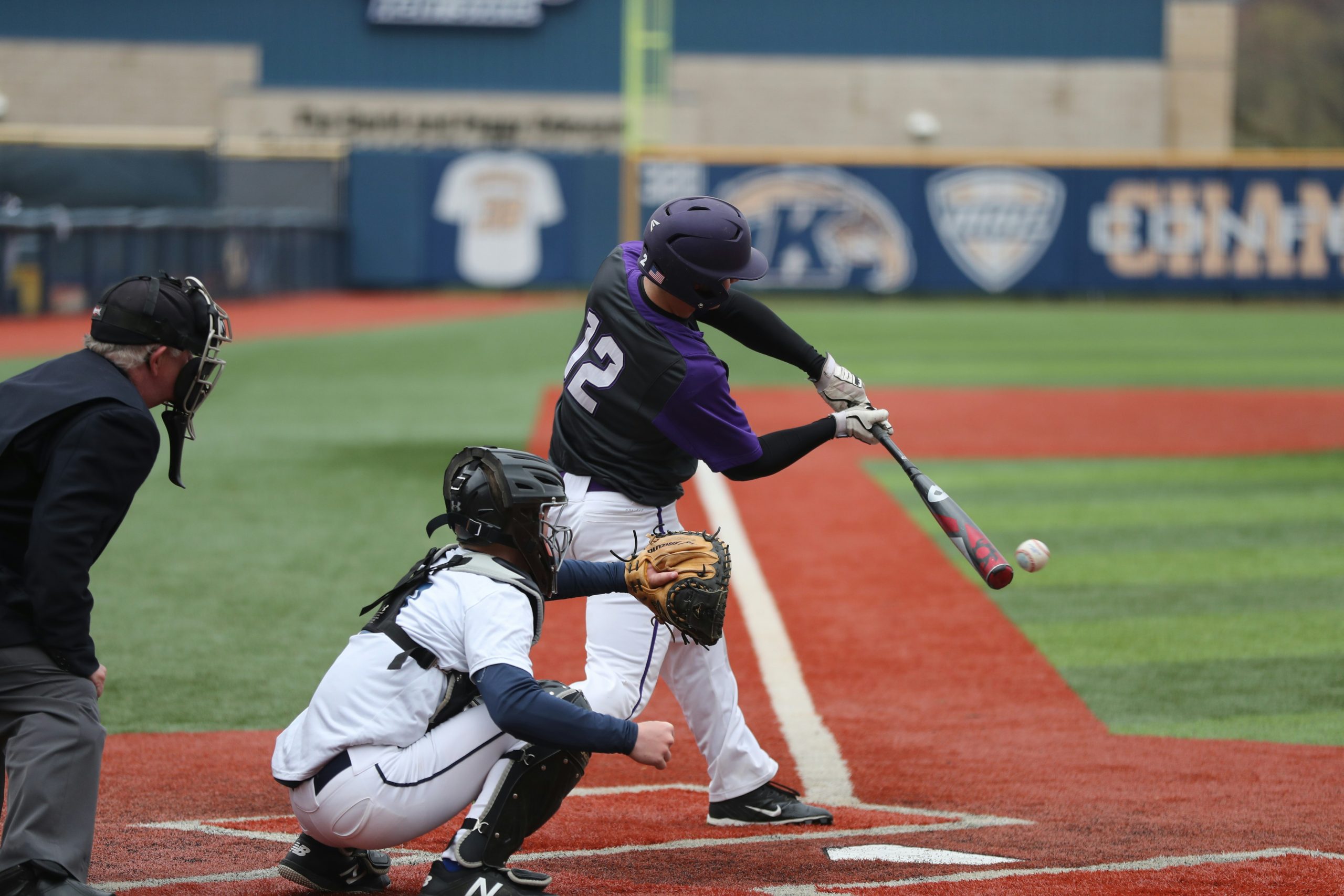
Youth baseball is becoming increasingly expensive as travel teams, tournaments, private training, premium equipment and technology push annual costs higher for families.
Youth baseball is undergoing a major transformation in the United States. What was once largely built around local Little League programs, volunteer coaches and affordable community recreation has increasingly become a year-round competitive business.
For many families, playing baseball at a higher level now means paying for travel teams, tournaments, specialized coaching, premium equipment, hotels and technology. In some cases, parents are spending thousands of dollars every year on children who are still in elementary school.
A new Wall Street Journal report highlights how the rising cost of youth baseball is raising questions about who can afford to participate — and whether America's pastime is becoming increasingly accessible only to wealthier families.
💰 Youth Baseball Can Cost Thousands of Dollars a Year
The financial commitment can begin surprisingly early.
The Wall Street Journal examined a baseball tournament involving children as young as 6 years old, with teams traveling from multiple states. Although the players were barely old enough to begin competitive baseball, their families were already paying for club dues, tournaments, hotels, transportation, uniforms and equipment.
Some families spend around $10,000 a year on youth baseball, according to the report.
The costs can include much more than simply purchasing a glove and baseball bat.
Parents may have to pay for:
- ⚾ Club and travel-team fees
- 🏟️ Tournament registration
- ✈️ Airfare or long-distance transportation
- 🏨 Hotels
- 🚗 Rental cars and gasoline
- 👕 Uniforms and team apparel
- 🥎 Bats, gloves and protective equipment
- 🎥 Video and performance technology
- 👨🏫 Private lessons and specialized coaching
- 📊 Statistical and recruiting services
Even spectators can face additional costs at some tournaments.
The WSJ reported that one tournament charged $60 per spectator, demonstrating how the economics of youth baseball can extend beyond the players themselves.
🏆 Travel Baseball Has Changed the Game
One of the biggest changes in youth baseball has been the growth of travel and club teams.
Traditional community baseball generally operated on a seasonal basis. Children played locally, often with neighborhood friends, while parents volunteered as coaches and organizers.
Travel baseball operates differently.
Teams can compete throughout the year and travel long distances for tournaments. Players may also receive specialized instruction and use technology designed to track their performance.
That creates a much larger financial commitment for families.
The competitive environment can also encourage parents to spend more because they fear their children could fall behind if they do not participate.
The result is a cycle in which baseball becomes increasingly expensive at younger ages.
📱 Technology Is Adding Another Layer of Costs
Modern youth baseball is also becoming more data-driven.
Technology can provide statistics, video analysis and information about player performance. These tools can be useful for coaches and families trying to understand how a young athlete is developing.
But they can also add another recurring expense.
The Wall Street Journal reported that one technology application providing advanced statistics and video cost $191 per year.
For families already paying thousands of dollars for teams, travel and equipment, additional technology subscriptions can become another part of the overall baseball budget.
This reflects a broader trend across youth sports: technology that was once associated primarily with professional and college athletics is increasingly being marketed to young athletes.
🧢 Premium Baseball Equipment Is Becoming Part of the Competition
Equipment is another important expense.
Parents can spend hundreds of dollars on bats, gloves and other specialized gear. As competition becomes more sophisticated, families may feel pressure to purchase products that promise better performance.
That can create an expensive arms race.
One family may purchase a high-end bat, while another family feels compelled to do the same simply to avoid being at a perceived disadvantage.
The issue is not limited to baseball. Youth sports increasingly feature specialized equipment, training programs and performance services that can push participation costs higher.
👨👩👧👦 The Bigger Question: Who Gets to Play?
The most important issue may not be the price of a baseball bat or tournament.
It is access.
If competitive baseball increasingly requires thousands of dollars annually, children from lower- and middle-income households may have fewer opportunities to participate at advanced levels.
The WSJ report describes youth baseball as increasingly becoming a sport dominated by families with greater financial resources. One club coach told the newspaper that many talented children cannot play at a high level because their families cannot afford it.
That raises concerns about the development of young athletes.
Talent is not distributed according to household income. But opportunities can be.
A child may have exceptional athletic ability but lack access to private coaching, travel tournaments, expensive equipment or elite club teams.
Meanwhile, a child from a wealthier family may receive more training and exposure simply because the family can afford it.
📈 Youth Sports Are Becoming a Major Business
The rising cost of baseball is part of a larger transformation in American youth sports.
Recent research and reporting have highlighted the rapid growth of travel teams, private coaching, tournament organizations and specialized sports facilities.
One 2026 analysis cited data showing that family spending on a child's primary sport increased 46% between 2019 and 2024, reaching an average of more than $1,000 annually, with baseball among the sports that can generate particularly high costs.
Other reporting has estimated the broader U.S. youth sports economy at tens of billions of dollars annually, attracting investment from private-equity and other business interests.
That means youth baseball is no longer simply a community recreation activity.
It is increasingly part of a large commercial ecosystem.
⚠️ Does Spending More Produce Better Players?
The financial commitment also raises a difficult question for parents: Does spending more money necessarily create a better baseball player?
There is no guarantee.
Private coaching can provide valuable instruction. Competitive tournaments can expose young players to stronger competition. Better equipment can improve comfort and performance.
But none of those factors guarantees that a child will eventually play college baseball or become a professional athlete.
For parents, the emotional calculation can be difficult.
They may know that the odds of professional baseball are extremely small, yet they may still believe that refusing to spend money could prevent their child from reaching their potential.
That creates a powerful incentive to keep paying.
🏘️ What Happened to Community Baseball?
The rise of expensive travel baseball also highlights the importance of traditional recreational programs.
Little League and other community-based organizations can provide children with an opportunity to learn baseball without requiring families to commit to expensive travel schedules.
Local programs can also make the sport more accessible to children who simply want to play.
Not every child needs a year-round training schedule.
For many young athletes, baseball can simply be about learning the fundamentals, making friends, staying active and enjoying competition.
That raises an important question for the future: Can competitive youth baseball grow without eliminating affordable community participation?
🌎 The Future of Youth Baseball
Youth baseball is likely to remain popular, but its economic model is changing.
Travel teams, advanced analytics, specialized training and national tournaments are creating new opportunities for young athletes. At the same time, those developments are increasing the financial barrier to entry.
The challenge for baseball organizations will be finding a balance between elite competition and accessibility.
Scholarships, sliding-scale fees, community programs, equipment exchanges and affordable local leagues could help more children participate.
The goal should not necessarily be to eliminate competitive travel baseball.
Instead, the bigger objective should be making sure that a family's income does not determine whether a talented or enthusiastic child gets to play.
Baseball has historically been associated with neighborhood fields, community leagues and generations of families.
If the sport becomes primarily a pay-to-play activity, it risks losing part of what made it America's pastime in the first place.
⚾ The Bottom Line
The rising cost of youth baseball reflects a much larger transformation in children's sports.
For some families, spending thousands of dollars each year is viewed as an investment in their children's athletic development. For others, the financial burden can make competitive baseball impossible.
As travel teams, private coaching, premium equipment and technology continue to expand, the central debate will increasingly be about access.
Baseball may be becoming more sophisticated — but keeping the sport affordable could be just as important as developing the next generation of elite players.
🔎 SEO Keywords
Primary keyword: youth baseball costs
Secondary keywords: travel baseball costs, youth baseball expenses, youth sports costs, travel baseball teams, expensive youth sports, baseball equipment costs, youth baseball tournaments, competitive youth baseball




0 Comments