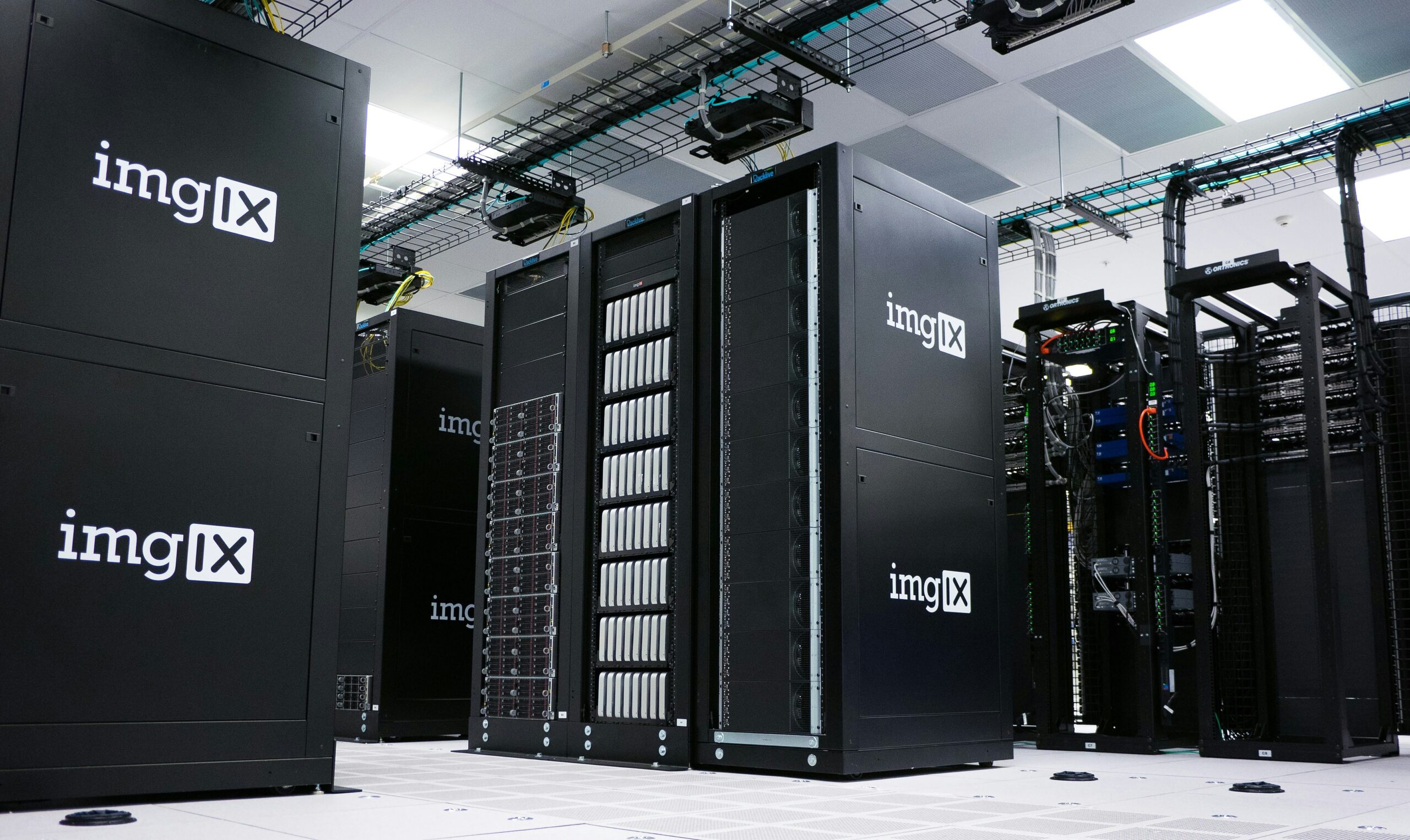
U.S. politicians are reversing support for AI data centers as voters raise concerns about electricity, water use, taxes and environmental impacts.
Focus Keyphrase: data center backlash
Secondary Keywords: AI data centers, U.S. data centers, data center politics, artificial intelligence infrastructure, data center regulations, AI boom, 2026 midterm elections
Categories: Politics, Technology, AI, Business, Economy
Tags: Data Centers, Artificial Intelligence, AI, U.S. Politics, Technology, Energy, Electricity, 2026 Elections, Tech Industry, Infrastructure
The Political Mood Around Data Centers Is Changing
For years, large data centers were promoted by politicians as symbols of economic development, technological leadership and future job creation. Now, that political consensus is beginning to fracture.
As artificial intelligence drives demand for enormous computing facilities, politicians from both major U.S. parties are increasingly confronting voters who are worried about electricity consumption, water usage, environmental effects, tax incentives and the impact of large industrial projects on local communities.
The shift is becoming particularly visible ahead of the 2026 U.S. midterm elections. Governors and candidates who previously welcomed data-center investment are now calling for tighter regulations, new standards or delays in development.
From Economic Opportunity to Political Liability
The rapid expansion of AI has transformed data centers from relatively obscure pieces of technology infrastructure into a major political issue.
Data centers provide the computing capacity needed for artificial intelligence, cloud services and digital applications. Technology companies are investing billions of dollars in new facilities, while manufacturers are also benefiting from growing demand for equipment needed to supply these massive operations.
Politicians initially saw these investments as an opportunity to attract capital, create construction and technology jobs, increase tax revenues and position their states as leaders in the emerging AI economy.
But the political calculation is changing.
Residents are increasingly asking who pays for the electricity and infrastructure required by these facilities and whether local communities receive enough economic benefits in return.
A recent Gallup poll cited in reporting on the issue found that roughly 70% of Americans oppose having an AI data center in their own community.
That creates a difficult political problem: leaders want the economic benefits of AI while simultaneously responding to voters who increasingly distrust the infrastructure required to support it.
Greg Abbott’s Data Center Reversal
Texas provides one of the clearest examples of this political transformation.
Governor Greg Abbott previously promoted major technology investment in the state, including a $40 billion AI investment associated with Google. But Abbott has since taken a tougher position toward data-center development, including efforts to delay approvals for large numbers of proposed facilities and demands for stronger environmental and quality-of-life standards.
The reversal demonstrates how quickly data centers have moved from being an economic-development success story to a potential political vulnerability.
Texas is particularly important because it has aggressively positioned itself as a destination for technology, energy and AI investment. Yet rapid growth in electricity demand has created new questions about grid capacity and who should pay for infrastructure upgrades.
Abbott’s changing position also illustrates the bipartisan nature of the backlash. Opposition to individual projects is no longer confined to environmental activists or one political party.
Pennsylvania Takes a More Restrictive Approach
Pennsylvania is experiencing a similar debate.
Democratic Governor Josh Shapiro has moved toward stronger restrictions on new data-center projects, including measures designed to give communities greater control and require developers to address energy and environmental concerns.
The political challenge is complicated because Pennsylvania also wants to attract investment and maintain its competitiveness in the technology economy.
The debate therefore isn’t simply about whether data centers are good or bad. It is increasingly about who pays, who benefits and who carries the environmental and infrastructure costs.
That question could become one of the defining technology-policy debates of the next several years.
Why Data Centers Consume So Much Attention
The controversy is largely connected to the extraordinary scale of modern AI computing.
Traditional internet infrastructure already required significant data-center capacity. Generative AI has dramatically increased the amount of computing power needed for training and operating advanced models.
The resulting facilities can require enormous amounts of electricity and, depending on their cooling systems and local conditions, significant water resources.
The Wall Street Journal has reported that the water footprint associated with AI data centers can be considerably larger when indirect water consumption from electricity generation is included.
That makes data-center development an issue that crosses several policy areas:
- Energy: How much electricity should large AI facilities consume?
- Water: Can communities support additional industrial water demand?
- Taxes: Should governments provide incentives to attract data centers?
- Infrastructure: Who should pay for new transmission and generation capacity?
- Environment: What emissions and resource use should be permitted?
- Local control: Should communities have the ability to reject projects?
- National security: Could excessive restrictions weaken U.S. AI competitiveness?
Data Centers Enter the 2026 Election
Perhaps the most important development is that data centers are becoming an election issue.
Candidates in states including Ohio, Texas, Wisconsin and other battlegrounds are increasingly using data-center policy to criticize their opponents.
In Ohio, for example, former Senator Sherrod Brown has attacked Republican Senator Jon Husted over previous support for policies benefiting data-center development. The issue has become sufficiently important that Republican strategists have reportedly expressed concern about the political consequences.
This represents a major change.
Technology policy traditionally has not been one of the most important subjects in state-level elections. But data centers connect technology directly to issues voters experience every month: electricity bills, taxes, land use and environmental conditions.
That makes the issue politically powerful.
A Bipartisan Backlash Against AI Infrastructure
One of the most notable aspects of the controversy is its bipartisan character.
Republicans can criticize data centers over electricity prices, government subsidies and the use of taxpayer money to support large technology companies.
Democrats can focus on environmental concerns, water consumption, corporate accountability and local community control.
The result is an unusual political coalition in which politicians with very different ideologies can reach similar conclusions about the need for stricter oversight.
Recent reporting indicates that governors and candidates from both parties are increasingly moving away from unconditional support for large-scale data-center construction.
The Trump Administration Faces a Different Challenge
President Donald Trump has continued to strongly support data-center expansion, emphasizing the facilities’ importance for American economic growth, employment and competition in artificial intelligence.
Trump has argued that the United States cannot afford to fall behind other countries in AI.
That creates a potential conflict between federal technology policy and state-level political pressure.
The federal government may want rapid construction of AI infrastructure, while governors, state legislators and local officials increasingly face voters demanding restrictions.
The result could be a fragmented regulatory environment in which some states aggressively pursue data-center investment while others impose moratoriums or significantly tighter requirements.
The AI Industry Has a Public-Relations Problem
Technology companies are also realizing that building data centers is no longer simply an engineering or financial exercise.
It has become a public-relations challenge.
Recent reporting has described technology companies holding community listening sessions, offering employment commitments and making financial contributions in an effort to build local support for data-center projects.
That strategy reflects a fundamental shift in the industry’s relationship with communities.
AI companies once focused primarily on securing land, electricity and financing. Increasingly, they must also secure political legitimacy.
Companies that fail to convince residents that projects will produce meaningful local benefits could face delays, legal challenges and political opposition.
The Economic Stakes Are Enormous
Despite the backlash, the United States still has strong incentives to build data centers.
AI is becoming a strategic industry, and computing infrastructure is essential to maintaining America’s position in artificial intelligence.
Data-center construction also generates substantial economic activity across construction, energy, manufacturing, real estate and technology.
Manufacturers such as Caterpillar and Cummins, for example, are seeing increased demand for equipment associated with the data-center boom.
The challenge is therefore not necessarily whether the United States should build data centers.
The bigger question is how the country can build them without creating unacceptable costs for surrounding communities.
What Comes Next for U.S. Data Centers?
The next phase of the AI infrastructure boom is likely to involve more regulation rather than an end to development.
States could require data-center operators to pay more of the infrastructure costs associated with their electricity consumption. Governments could also impose water-efficiency standards, environmental requirements and greater local approval powers.
Some communities may continue to welcome facilities because of jobs and tax revenues, while others may reject them because of concerns about land use and resource consumption.
The outcome could be a more selective data-center market in which companies increasingly prioritize locations with abundant electricity, water resources, supportive governments and community acceptance.
The Bigger Political Question
The data-center controversy represents something larger than a disagreement over technology infrastructure.
It reflects a broader question about who should benefit from the AI revolution.
For years, politicians promoted artificial intelligence as an engine of economic growth. But voters are now asking whether that growth will translate into lower costs, better jobs and stronger communities—or whether ordinary consumers will be asked to absorb higher infrastructure and environmental costs while technology companies capture most of the profits.
That debate is likely to intensify as AI becomes more deeply embedded in the American economy.
The political reversal over data centers therefore deserves close attention. What began as a race to attract AI investment is increasingly becoming a debate over energy, money, environmental responsibility, corporate power and America’s technological future.
Conclusion
The growing data center backlash marks a significant turning point for the U.S. AI industry.
Politicians who once celebrated data centers as engines of investment are increasingly demanding stricter rules, while voters are questioning the costs associated with rapid AI infrastructure expansion.
For technology companies, the lesson is clear: building the next generation of AI infrastructure will require more than capital and electricity. It will require public trust.
For politicians, the challenge will be balancing two competing priorities—maintaining America’s leadership in artificial intelligence while ensuring that local communities do not feel they are paying the price for the AI boom.
As the 2026 midterm elections approach, data centers could become one of the most important—and unexpected—technology-related political issues in the United States.
Source: The Wall Street Journal — “Politicians Who Once Championed Data Centers Are Now Bashing Them”




0 Comments