
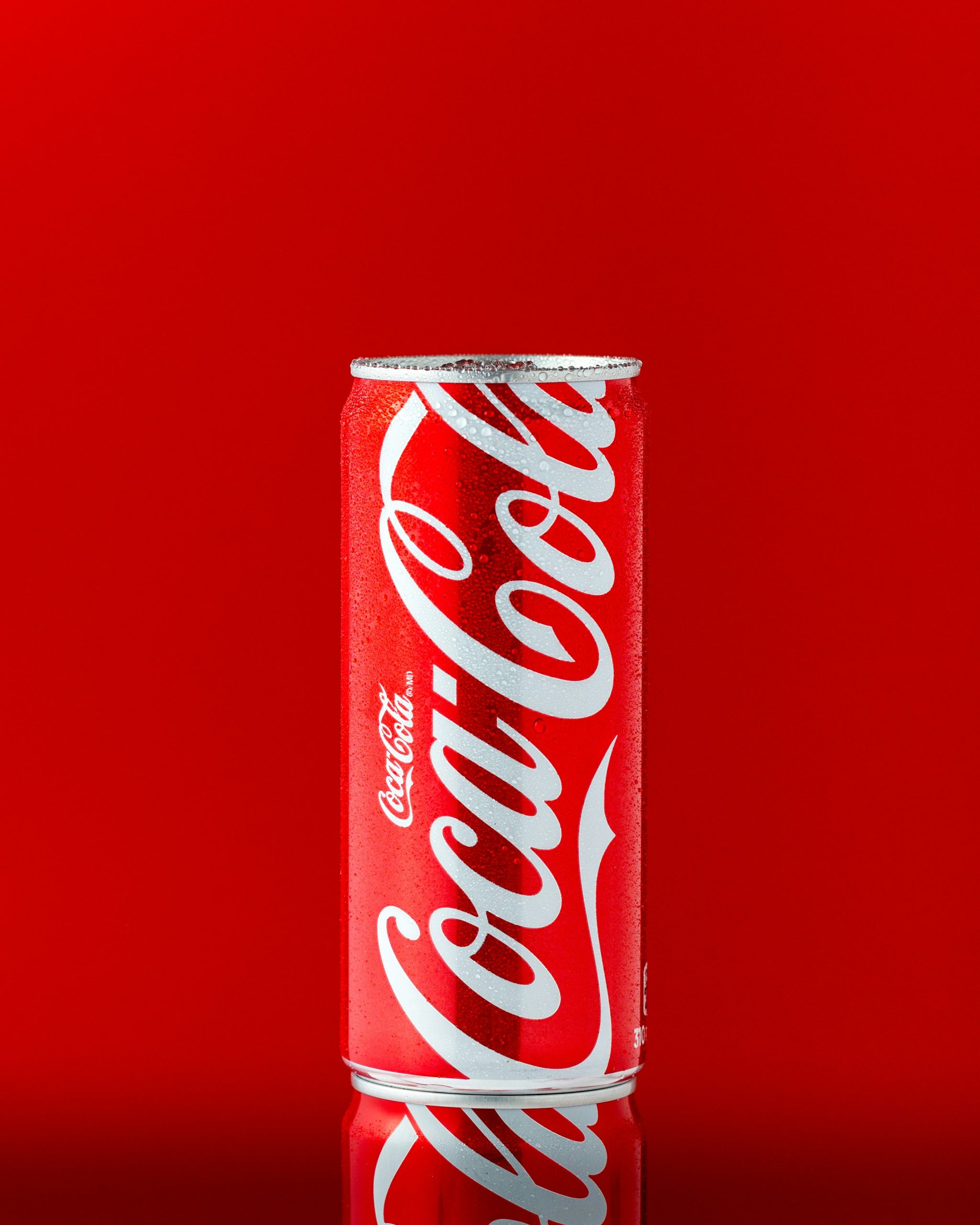
KFC is replacing Pepsi with Coca-Cola at thousands of U.S. restaurants starting in January 2027. Discover what the move means for PepsiCo, Coca-Cola and the fast-food industry.
SEO Keywords: KFC Pepsi switch, KFC Coca-Cola deal, PepsiCo news 2026, Coca-Cola restaurant partnership, fast-food beverage industry, cola wars, KFC U.S. restaurants
Publication Date: October 16, 2026
🥤 KFC Chooses Coca-Cola Over Pepsi in Major U.S. Beverage Shake-Up
KFC is ending its decades-long relationship with PepsiCo in the United States, choosing Coca-Cola as its new beverage partner in a significant development for the fast-food industry and the ongoing rivalry between two of the world's largest soft-drink companies.
The transition is scheduled to begin in January 2027, with Coca-Cola products expected to be available across KFC's U.S. restaurants by spring 2027. The agreement covers thousands of locations, including a U.S. restaurant network that numbers approximately 3,700 outlets.
The decision represents a notable loss for PepsiCo, which has maintained a close commercial relationship with KFC for decades. For Coca-Cola, the agreement provides an opportunity to expand its presence in the restaurant beverage market and strengthen its position against its principal rival.
However, the change does not mean Pepsi products will disappear from every KFC restaurant worldwide. PepsiCo will continue supplying beverages to many international KFC locations, while its relationship with Taco Bell, another restaurant brand under Yum! Brands, will also continue.
The announcement comes as KFC works to revitalize its U.S. business and PepsiCo faces pressure to improve performance in its beverage operations. Together, these developments highlight how supplier relationships, menu innovation and consumer preferences are reshaping the competitive landscape of the fast-food industry.
📅 When Will KFC Switch From Pepsi to Coca-Cola?
KFC's transition to Coca-Cola in the United States is expected to take place in stages.
-
January 2027: The beverage partnership transition is scheduled to begin.
-
Spring 2027: Coca-Cola products are expected to be available across KFC's U.S. restaurant network.
-
International markets: PepsiCo will continue serving many KFC locations outside the United States.
The companies have not publicly disclosed the financial terms of the agreement.
Customers should expect the change to affect the beverage options offered at participating U.S. restaurants as the rollout progresses. The precise menu and timing may vary during the transition.
For consumers, the most visible difference will be the soda brands available with meals, rather than a fundamental change to KFC's core fried-chicken business.
📉 Why Losing KFC Matters for PepsiCo
KFC has been an important customer for PepsiCo, making the agreement more significant than an ordinary supplier change.
PepsiCo's relationship with KFC dates back to the period when the beverage company owned the restaurant chain. PepsiCo later separated its restaurant operations in 1997, creating the corporate structure that ultimately became associated with Yum! Brands. Despite that separation, the beverage relationship continued.
For years, KFC helped provide PepsiCo with a prominent presence in the U.S. quick-service restaurant market. Restaurant fountain sales can offer beverage companies a dependable distribution channel, particularly when customers regularly purchase drinks alongside meals.
Losing a major restaurant account therefore creates both a commercial and a competitive challenge.
PepsiCo must now contend with the loss of beverage sales associated with thousands of U.S. KFC locations. The longer-term impact will depend on the volume of drinks sold through those restaurants, the economics of the agreement and PepsiCo's ability to replace the business through other customers.
The move also comes amid broader questions about the company's North American beverage performance. PepsiCo has faced pressure to strengthen demand for its soft-drink brands while managing costs and responding to changes in consumer preferences.
Nevertheless, KFC's departure should not be interpreted as the end of PepsiCo's restaurant business. The company retains relationships with other major food-service customers, including Taco Bell and Subway, as well as international KFC operations.
The challenge is to protect those partnerships while finding new opportunities for growth.
🥇 Coca-Cola Gains Ground in the Restaurant Beverage Market
For Coca-Cola, the KFC agreement represents an opportunity to deepen its presence in one of America's most recognizable fried-chicken chains.
Restaurant partnerships are valuable because they give beverage companies access to customers at the moment they are deciding what to eat and drink. A large chain can provide substantial distribution reach, recurring purchases and prominent exposure for beverage brands.
Coca-Cola already has longstanding relationships with major restaurant businesses, including McDonald's and Wendy's. Adding KFC's U.S. locations strengthens its position in the quick-service restaurant sector.
The agreement could also provide opportunities to introduce or promote different beverages alongside KFC meals. The ultimate commercial benefit, however, will depend on customer demand, product availability, operating costs and the terms of the partnership.
Coca-Cola will need to manage the practical work involved in supplying thousands of restaurants. That includes coordinating distribution, beverage equipment, fountain systems and the transition from the previous supplier.
A large contract can increase sales opportunities, but the financial value depends on execution as well as the number of participating restaurants.
🍗 KFC Wants to Revitalize Its U.S. Business
The beverage change is taking place as KFC attempts to strengthen its position in the highly competitive American fast-food market.
The chain has faced years of pressure, including declining domestic sales and restaurant closures. Competition from other chicken restaurants and broader quick-service brands has increased the importance of value, convenience, menu variety and marketing.
KFC has responded by expanding its offerings beyond traditional bone-in fried-chicken buckets. Sandwiches, chicken tenders and wings are among the products the company is using to reach a wider range of customers.
The company has also been experimenting with new beverage offerings, including sparkling lemonades, boba-style refreshers and shakes at selected locations and concepts.
These initiatives reflect a broader change in fast-food strategy. Restaurants increasingly view beverages as an opportunity to differentiate their menus, encourage additional purchases and attract consumers seeking something beyond conventional fountain soda.
A partnership with Coca-Cola could support KFC's broader effort to refresh its customer experience. However, changing beverage suppliers alone will not solve the chain's challenges.
Long-term improvement will depend on food quality, service, pricing, restaurant operations and the ability to give customers compelling reasons to return.
🧋 Why Beverages Are Becoming More Important to Fast-Food Chains
For many years, soft drinks were a familiar accompaniment to burgers, fried chicken and other quick-service meals. Today, beverage strategies are becoming more sophisticated.
Restaurants are introducing specialty drinks, limited-time flavors and cold beverages designed to appeal to younger consumers. Coffee chains helped popularize customized and visually distinctive drinks, and fast-food operators are increasingly exploring similar opportunities.
This shift creates new competition between restaurant brands and beverage suppliers.
A successful beverage lineup can help a restaurant stand out in a crowded market. Specialty drinks may also encourage customers to visit outside traditional lunch and dinner periods, depending on the menu and location.
At the same time, restaurants face pressure to keep meal prices attractive. Customers are increasingly attentive to affordability, making discounts and value combinations important parts of fast-food marketing.
The challenge is balancing affordability with innovation. New drinks need to attract customers without adding unnecessary complexity or costs to restaurant operations.
KFC's move to Coca-Cola fits into this changing environment. The partnership is not simply about replacing one cola with another; it also creates a new commercial relationship as the chain explores how beverages can support its wider business strategy.
⚔️ Pepsi vs. Coca-Cola: Another Chapter in the Cola Wars
The KFC agreement adds another development to the longstanding rivalry between PepsiCo and Coca-Cola.
Both companies compete across supermarkets, convenience stores, restaurants and other distribution channels. Restaurant contracts are particularly visible because they determine which brands customers encounter when ordering meals at major chains.
The two businesses have experienced changes in their restaurant relationships over time. Supplier decisions can reflect commercial negotiations, distribution capabilities, product strategies and the priorities of restaurant operators.
For PepsiCo, losing KFC's U.S. business is an unwelcome development as it works to improve beverage performance. Coca-Cola, meanwhile, gains access to a large network of restaurants and an opportunity to increase its presence in the food-service channel.
However, a single restaurant contract does not determine the overall outcome of the cola wars. Both companies have extensive international operations, large retail distribution networks and portfolios that extend beyond their flagship colas.
The more important question is whether Coca-Cola can use the KFC partnership to strengthen its broader restaurant business while PepsiCo finds ways to improve its competitive position.
🌎 Why the International Market Still Matters
The distinction between KFC's U.S. and international operations is important.
Although the U.S. supplier relationship is changing, PepsiCo will continue supplying beverages to many KFC restaurants in international markets. This limits the geographic scope of the immediate shift.
International operations are an important part of KFC's global business. Restaurant menus, consumer preferences and supplier arrangements can differ significantly between countries, meaning a beverage agreement in one market does not necessarily determine the strategy elsewhere.
PepsiCo's continued international relationship with KFC also provides an opportunity to maintain its presence in markets where the partnership remains in place.
For investors and industry observers, this is an important reminder to distinguish between a major U.S. contract loss and the performance of a global beverage business.
The overall financial consequences will depend on the size and profitability of the affected business relative to PepsiCo's wider operations.
📊 What the Deal Means for Investors
The KFC announcement places three companies in the spotlight: PepsiCo, Coca-Cola and Yum! Brands, KFC's parent company.
For PepsiCo, the immediate concern is the loss of a prominent U.S. restaurant customer. Investors will likely pay attention to whether the company can improve beverage demand, strengthen its restaurant relationships and generate sustainable growth in North America.
For Coca-Cola, the agreement offers an additional route to restaurant customers. The commercial question is whether the new business produces attractive returns after accounting for distribution, equipment and implementation costs.
For Yum! Brands, the switch is part of KFC's effort to strengthen its domestic business. A new beverage partner may support menu development and customer appeal, but its contribution to overall performance will depend on execution.
Stock-market reactions to a contract announcement can be influenced by expectations, valuation, broader market conditions and the financial importance of the agreement. A supplier change should not automatically be treated as evidence that one company's shares will outperform another's.
Investors should evaluate the development alongside financial statements, company guidance, operating results and other relevant information.
This article is for informational purposes only and does not constitute investment advice.
🔍 What Customers Should Expect From the Switch
For customers visiting KFC in the United States, the most direct consequence will be a change in the beverages offered as the transition takes place.
Coca-Cola products are expected to replace PepsiCo beverages across the U.S. network by spring 2027. The precise selection of drinks may differ by restaurant and menu.
Customers who prefer Pepsi, Mountain Dew or other PepsiCo brands may notice the difference, while Coca-Cola drinkers could welcome the change.
The broader impact on customer loyalty remains uncertain. Some customers have strong beverage preferences, but others may prioritize the food, price, convenience and service when choosing a restaurant.
KFC will need to ensure that the transition supports its wider customer experience rather than becoming a distraction from its food and value proposition.
❓ Frequently Asked Questions
Is KFC switching from Pepsi to Coca-Cola?
Yes. KFC has selected Coca-Cola as its U.S. beverage partner, ending its decades-long relationship with PepsiCo in the American market.
When will KFC stop serving Pepsi in the United States?
The transition is scheduled to begin in January 2027, with Coca-Cola products expected to reach all KFC U.S. restaurants by spring 2027.
Will KFC restaurants outside the United States stop serving Pepsi?
Not necessarily. PepsiCo will continue supplying beverages to many international KFC markets, so the change is primarily focused on the United States.
Will Taco Bell also switch from Pepsi to Coca-Cola?
No such switch has been announced as part of this agreement. PepsiCo will continue supplying Taco Bell under its existing partnership with Yum! Brands.
Why is KFC changing its beverage supplier?
The agreement forms part of KFC's effort to evolve its U.S. business and refresh its restaurant experience. The companies have not disclosed the financial terms of the deal.
Is the KFC deal bad news for PepsiCo?
It is a notable loss of a major U.S. restaurant customer. However, the overall financial impact depends on the volume and profitability of the affected business, as well as PepsiCo's other customers and operations.
Could Coca-Cola benefit financially from the agreement?
The partnership gives Coca-Cola access to thousands of U.S. KFC restaurants. The ultimate benefit will depend on beverage sales, distribution costs, contract economics and how effectively the transition is implemented.
Conclusion: A Major Restaurant Partnership Changes Hands
KFC's decision to replace PepsiCo with Coca-Cola across its U.S. restaurant network marks a significant change in the competitive relationship between two beverage giants.
For Coca-Cola, the agreement creates an opportunity to expand its restaurant distribution and strengthen its position in the fast-food market. For PepsiCo, the loss comes at a challenging time as it seeks to improve its beverage performance and protect key commercial relationships.
For KFC, the switch is one element of a broader effort to refresh its brand, expand its menu and attract customers in a competitive market.
The transition will begin in January 2027 and is expected to reach KFC's U.S. restaurants by spring. Its longer-term significance will depend on whether the partnership delivers stronger customer engagement and commercial results.
The cola wars are far from over. But with KFC moving to Coca-Cola in the United States, the competition for restaurant customers has entered another important chapter.
Sources
-
The Wall Street Journal: https://www.wsj.com/business/kfc-is-moving-to-ditch-pepsi-for-coke-in-thousands-of-restaurants-cb44611d
-
Nation's Restaurant News: https://www.nrn.com/quick-service/kfc-u-s-switches-from-pepsi-to-coke




0 Comments