
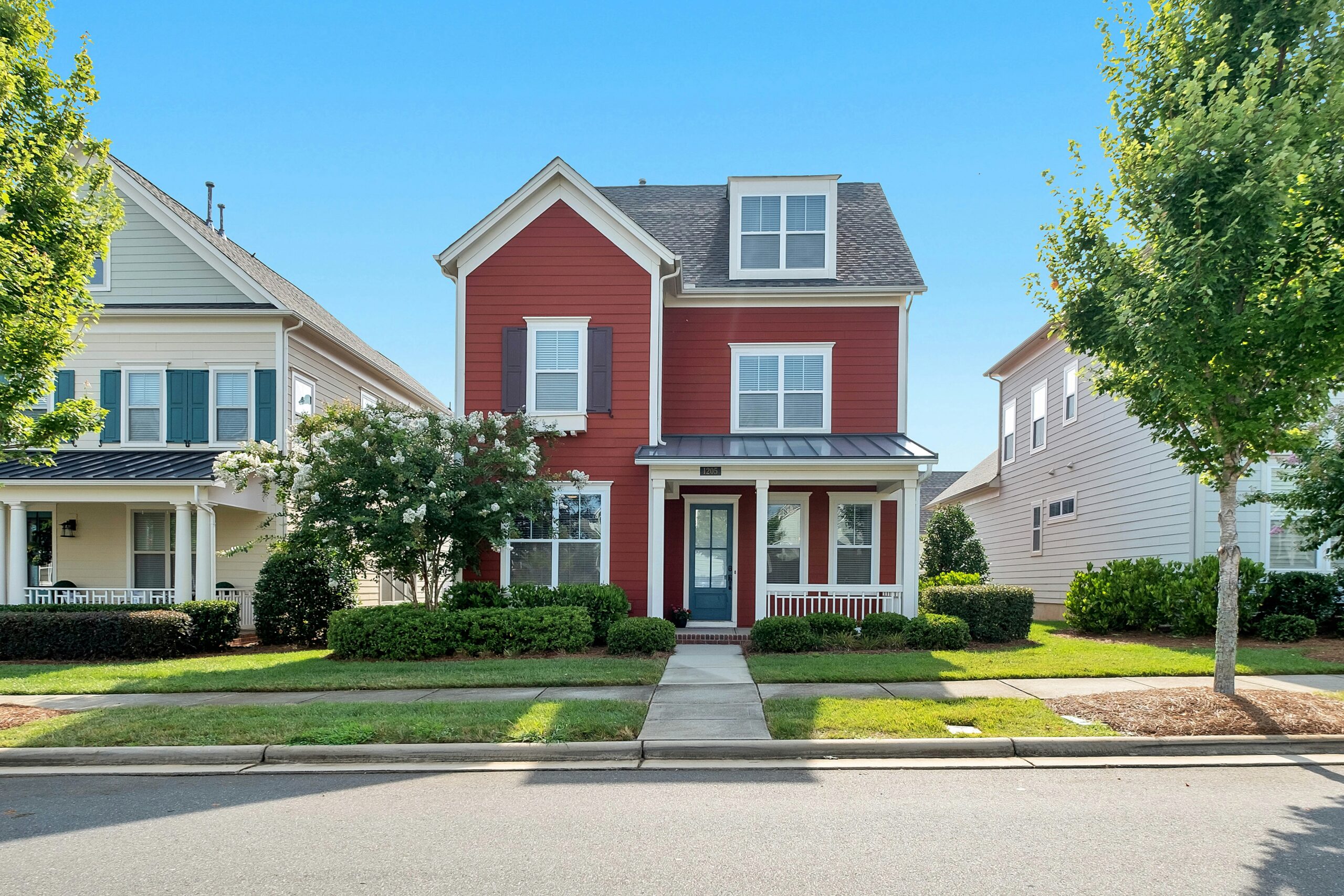
The U.S. immigration crackdown is worsening construction labor shortages, delaying homebuilding and raising costs as America struggles to make housing more affordable.
Focus Keyphrase: U.S. immigration crackdown and housing construction
Secondary Keywords: U.S. housing affordability, construction labor shortage, immigrant construction workers, homebuilding costs, U.S. real estate market, immigration enforcement, American housing crisis
Introduction: Immigration Enforcement Creates New Challenges for U.S. Homebuilders
The United States is facing a growing challenge in its effort to make housing more affordable: a shortage of construction workers that is becoming more difficult to manage as immigration enforcement intensifies.
Homebuilders already contend with elevated borrowing costs, expensive building materials, regulatory requirements and persistent labor shortages. Now, the federal immigration crackdown is adding another source of uncertainty, with builders reporting difficulties retaining workers, organizing construction crews and completing projects on schedule.
According to reporting by The Wall Street Journal, immigration enforcement is making it substantially harder for some U.S. homebuilders to find the workers needed to construct new homes. Industry reports published in recent months also indicate that enforcement activity can discourage workers from showing up at construction sites, even when those workers are legally authorized to work.
The consequences extend beyond construction companies. When builders struggle to find sufficient labor, projects can take longer to finish, labor expenses can rise, and the cost of delivering new housing can increase.
This creates a difficult economic question for policymakers: Can the United States expand immigration enforcement while ensuring that its construction industry has enough skilled workers to address the country's housing shortage?
The answer could have significant implications for homebuyers, renters, property investors, construction businesses and the broader American economy.
1. Why Immigrant Workers Are Important to American Homebuilding
Immigrant workers represent a substantial share of the U.S. construction workforce. According to an analysis of 2024 Census Bureau data cited by housing industry organizations, foreign-born workers accounted for more than 26% of construction employment.
Their participation is particularly significant in certain skilled trades, including roofing, drywall installation, painting, framing and other activities essential to residential construction.
Building a home requires multiple specialized teams to complete their work in a coordinated sequence. Foundation specialists, framers, electricians, plumbers, roofers and finishing crews must all be available at the appropriate stages of a project.
A shortage in even one trade can disrupt the entire schedule.
For example, a homebuilder may have the materials and financing needed to complete a property but still be unable to move forward if there are insufficient workers to install drywall, finish the interior or complete the roofing.
These problems can become especially costly when construction companies manage several properties simultaneously.
Immigrant workers are not the only source of labor in the industry, and the proportion of foreign-born employees varies considerably by location and occupation. Nevertheless, their contribution makes immigration policy an important factor in determining how quickly the United States can expand its housing supply.
The challenge is particularly acute because construction companies cannot always replace experienced workers immediately. Skilled trades require training, practical experience, safety knowledge and, in some cases, professional certification.
Consequently, a sudden reduction in the available workforce can create problems that persist long after an individual enforcement operation has ended.
2. Immigration Crackdown Adds Pressure to an Existing Labor Shortage
The construction industry was already experiencing difficulties attracting and retaining enough workers before the latest immigration enforcement measures.
An aging workforce, retirements, limited training capacity and competition from other construction projects have all contributed to the labor shortage.
At the same time, the United States needs additional housing to accommodate households facing high prices, limited inventory and affordability pressures.
The National Association of Home Builders has warned that immigration enforcement can make these problems worse when workers become reluctant to report to construction sites.
Industry reports have described contractors experiencing labor disruptions and delays in several markets. In September 2026, Axios reported that homebuilders had raised concerns about immigration enforcement during industry surveys, including reports of labor shortages and longer construction timelines.
The uncertainty can affect workers beyond those directly targeted by enforcement. Employees who are legally authorized to work may also become concerned about traveling to job sites or being mistakenly questioned.
For contractors, the practical result can be unpredictable staffing.
A company that expects to have a full crew on Monday may discover that fewer workers arrive than anticipated. Managers then have to reorganize schedules, negotiate with subcontractors or seek replacement workers who may already be employed elsewhere.
These disruptions can spread across the construction sector because many homebuilders rely on independent subcontractors rather than employing every trade directly.
When one subcontractor cannot deliver workers on time, other teams may have to wait, leaving expensive equipment, materials and partially completed properties unused.
3. Higher Construction Costs Could Put Additional Pressure on Home Prices
One of the most important economic consequences of a construction labor shortage is the potential increase in the cost of building new homes.
When qualified workers become harder to find, contractors may need to offer higher wages, pay more for subcontracting services or extend project schedules.
Longer construction timelines can create additional expenses, including financing charges, equipment rentals, insurance, site management and other costs associated with maintaining an unfinished property.
Builders must decide whether to absorb these expenses, reduce their profit margins, postpone projects or pass some of the additional costs to buyers.
The outcome depends on local market conditions. In areas where buyers have limited alternatives and demand remains strong, builders may have more opportunities to incorporate higher expenses into selling prices. In weaker markets, companies may instead offer incentives or accept lower margins because buyers cannot afford further price increases.
Either way, labor shortages can make it more difficult to expand the supply of affordable housing.
This is particularly important for first-time buyers and middle-income households. Even modest increases in construction costs can affect the financial feasibility of entry-level housing developments, where builders typically have less room to absorb unexpected expenses.
Higher building costs can also discourage developers from pursuing projects that are already financially marginal.
A planned development may be delayed or canceled if the expected selling price no longer covers land acquisition, construction, financing and regulatory costs.
That means the effects of immigration enforcement may extend beyond the homes currently under construction to projects that have not yet begun.
4. Construction Delays Could Slow the Expansion of Housing Supply
The United States cannot resolve its housing affordability challenges through lower mortgage rates alone. Increasing the supply of homes is also essential, particularly in regions where population growth, employment opportunities and household formation sustain demand.
However, building additional housing requires more than available land and financing. Developers need workers who can complete projects within reasonable timeframes and budgets.
When labor shortages delay construction, fewer completed homes may become available when buyers and renters need them.
The relationship is not automatic: a delay at one building site does not necessarily mean a home will never be completed. Nevertheless, widespread disruptions can reduce the efficiency of the homebuilding industry and make it harder for builders to meet production targets.
The problem is compounded by the fact that construction projects depend on carefully coordinated schedules.
A shortage of framers can postpone roofing. Delayed roofing can push back interior work. A shortage of electricians or plumbers can prevent inspections and final completion.
These scheduling problems can affect entire developments rather than individual houses.
For homebuyers who have already signed contracts, delays may complicate moving arrangements, mortgage planning, temporary accommodation and other household expenses.
For developers, unfinished properties tie up capital that could otherwise support new projects.
The result could be a slower pipeline of new housing, limiting the industry's ability to respond to demand over time.
5. The Financial Risks for Homebuilders and Real Estate Investors
Labor shortages can create significant financial risks for construction companies, especially smaller and midsized builders with limited cash reserves.
Homebuilding is capital-intensive. Companies often spend substantial sums acquiring land, preparing sites, securing permits and purchasing materials before a property generates revenue.
When a project runs behind schedule, the builder may have to carry these expenses for longer than expected.
Interest charges on construction loans can accumulate while the property remains unfinished. Delays may also complicate payments to subcontractors and suppliers or push expected property closings into a later reporting period.
These pressures matter because construction companies frequently operate with carefully planned budgets and relatively narrow margins.
A large developer with access to substantial financing may be able to withstand several months of disruption. A smaller builder managing a limited number of developments may have fewer options.
Real estate investors should therefore monitor labor availability alongside mortgage rates, building-material prices, local housing inventory and sales activity.
A housing market can experience strong underlying demand while individual developers struggle to complete projects economically.
However, investors should not assume that higher construction costs will automatically increase property values. Prices also depend on purchasing power, credit availability, local employment, population growth and the balance between supply and demand.
If higher costs make homes less affordable and weaken sales, builders could face pressure from both sides: more expensive construction and fewer buyers able to purchase the finished properties.
6. Can American Workers Replace the Missing Construction Labor?
Supporters of stricter immigration enforcement argue that reducing unauthorized employment can protect American workers, strengthen compliance with immigration law and encourage employers to recruit domestically.
That argument raises a practical question: How quickly can the construction industry recruit, train and retain enough U.S. workers to fill vacancies?
The answer depends on the trade, location, wages and required experience.
Higher compensation could attract more domestic workers into construction over time. Apprenticeship programs, vocational education, employer-sponsored training and improved working conditions could also expand the available workforce.
But these measures cannot necessarily resolve an immediate shortage of experienced workers.
Construction work can be physically demanding, and some occupations require years of experience before employees can independently perform complex tasks. Training new entrants takes time, while large projects need qualified workers today.
The industry also competes with infrastructure developments, commercial construction and data-center projects for electricians, plumbers, carpenters and other skilled tradespeople.
Automation may eventually improve productivity through robotics, prefabrication and advanced construction equipment. Yet these technologies require investment, and many tasks still depend on human judgment, supervision and specialized skills.
A realistic workforce strategy would therefore need to consider several measures rather than assuming that domestic recruitment or automation can replace experienced workers immediately.
7. The Policy Challenge: Immigration Enforcement and Housing Affordability
The debate highlights a broader tension in U.S. economic policy.
Immigration enforcement is a central issue for the federal government, but immigration policy also affects the supply of labor available to businesses that build homes, maintain infrastructure and provide essential services.
The administration's position emphasizes immigration law enforcement and the availability of American workers. Homebuilding industry representatives, meanwhile, have warned that enforcement-related disruptions can make it harder to meet housing demand.
These positions involve different policy priorities, but the economic consequences deserve careful examination.
Policymakers seeking to expand domestic employment could consider stronger vocational training, faster pathways into skilled trades for eligible workers and better coordination between workforce development and regional construction demand.
They could also evaluate whether existing employment-based visa programs adequately address the industry's needs, while maintaining appropriate legal requirements and worker protections.
For the housing sector, greater clarity about employment eligibility and enforcement procedures could help employers plan projects and reduce unnecessary uncertainty among legally authorized workers.
Any immigration policy must also be considered alongside other factors affecting housing costs, including zoning restrictions, permitting delays, infrastructure capacity, land prices and construction-material expenses.
No single policy can resolve the American housing crisis. However, reducing avoidable labor disruptions could help builders make more efficient use of available land, financing and materials.
8. What the Housing Market Could Look Like in the Months Ahead
The near-term effects will likely vary across the United States.
Markets that depend heavily on immigrant construction labor could experience more pronounced staffing difficulties, while regions with a larger pool of available workers may be better positioned to manage disruptions.
The financial impact will also depend on mortgage rates, consumer confidence, building-material prices and the strength of housing demand.
If labor shortages persist, homebuilders could respond by increasing wages, competing more aggressively for subcontractors, redesigning project schedules or slowing new construction.
Some companies may invest more heavily in prefabricated building systems and productivity-enhancing technology. Others could focus on projects with higher expected returns rather than developments targeting lower-income buyers.
For households, the central concern is whether new housing will become available at prices they can afford.
A prolonged slowdown in homebuilding could constrain supply in markets that already face shortages. Conversely, weaker demand or improved labor availability could offset some of the pressure in particular regions.
The key indicators to watch include construction employment, builders' reports of staffing difficulties, housing starts, building permits, project completion times, new-home prices and homebuilder confidence.
Together, these measures can help reveal whether the labor disruptions are temporary or becoming a more persistent obstacle to housing production.
Conclusion: Immigration Policy Is Becoming a Housing-Economy Issue
The U.S. immigration crackdown is creating an additional challenge for an industry already struggling with worker shortages and housing affordability pressures.
Immigrant workers perform essential roles across residential construction, and replacing experienced employees can take considerable time. When enforcement activity disrupts staffing, the effects can spread through construction schedules, project financing and the supply of completed homes.
Higher labor costs do not automatically translate into higher selling prices, but they can make affordable housing projects more difficult to deliver, particularly when builders have limited margins and buyers face expensive mortgages.
The broader lesson is that immigration policy and housing policy are economically connected. Efforts to enforce employment and immigration laws need to be evaluated alongside their effects on the industries responsible for meeting the country's infrastructure and housing needs.
For policymakers, the challenge is to address immigration enforcement, expand opportunities for American workers and maintain a construction workforce capable of supporting housing production.
For homebuyers and investors, the issue is worth watching because the availability of skilled labor can influence not only how much homes cost to build, but also how quickly new properties reach the market.
Ultimately, making housing more affordable requires more than controlling demand. It also requires the capacity to build enough homes efficiently, consistently and at prices households can realistically pay.
Frequently Asked Questions (FAQ)
How is the U.S. immigration crackdown affecting homebuilding?
Increased immigration enforcement has contributed to reported construction labor shortages in some markets. Builders have warned that worker absences and difficulties securing crews can delay projects and raise labor expenses.
Why does the construction industry rely on immigrant workers?
Immigrants represent a significant share of the U.S. construction workforce and are employed in trades such as roofing, drywall installation, painting and framing. Their experience and availability help contractors complete projects on schedule.
Will immigration enforcement make houses more expensive?
It could increase costs when builders must pay more for labor or absorb expenses associated with delays. The effect on selling prices depends on local demand, competition, financing costs and whether builders can absorb the additional expenses.
Can American workers fill construction labor shortages?
Domestic recruitment, vocational training and apprenticeships can expand the workforce over time. However, replacing experienced tradespeople immediately can be difficult because many construction occupations require specialized skills and practical experience.
Could the immigration crackdown worsen the U.S. housing shortage?
If labor disruptions significantly delay or reduce new construction, fewer homes may become available to meet demand. The overall effect will depend on the scale and duration of the shortages and conditions in individual housing markets.
What should homebuyers and real estate investors watch?
Important indicators include housing starts, building permits, construction employment, homebuilder confidence, labor costs, completion times, mortgage rates and new-home inventory.
Sources and Further Reading
-
The Wall Street Journal: The Immigration Crackdown Is Making It Much Harder to Build Houses
-
Axios: Homebuilders Say They Struggle to Find Workers Amid ICE Crackdowns
-
National Association of Home Builders: Immigration Enforcement Keeps Legal Workers Off Job Sites
-
Stateline: Aging Workforce, Immigration Crackdown Are Depleting Skilled Workers
Editorial note: This article is an independent news analysis based on the reporting and industry sources linked above. Reported effects vary by region, and higher construction costs do not necessarily result in equivalent increases in home prices.
Disclaimer: This article is for informational purposes only and does not constitute financial or investment advice.




0 Comments