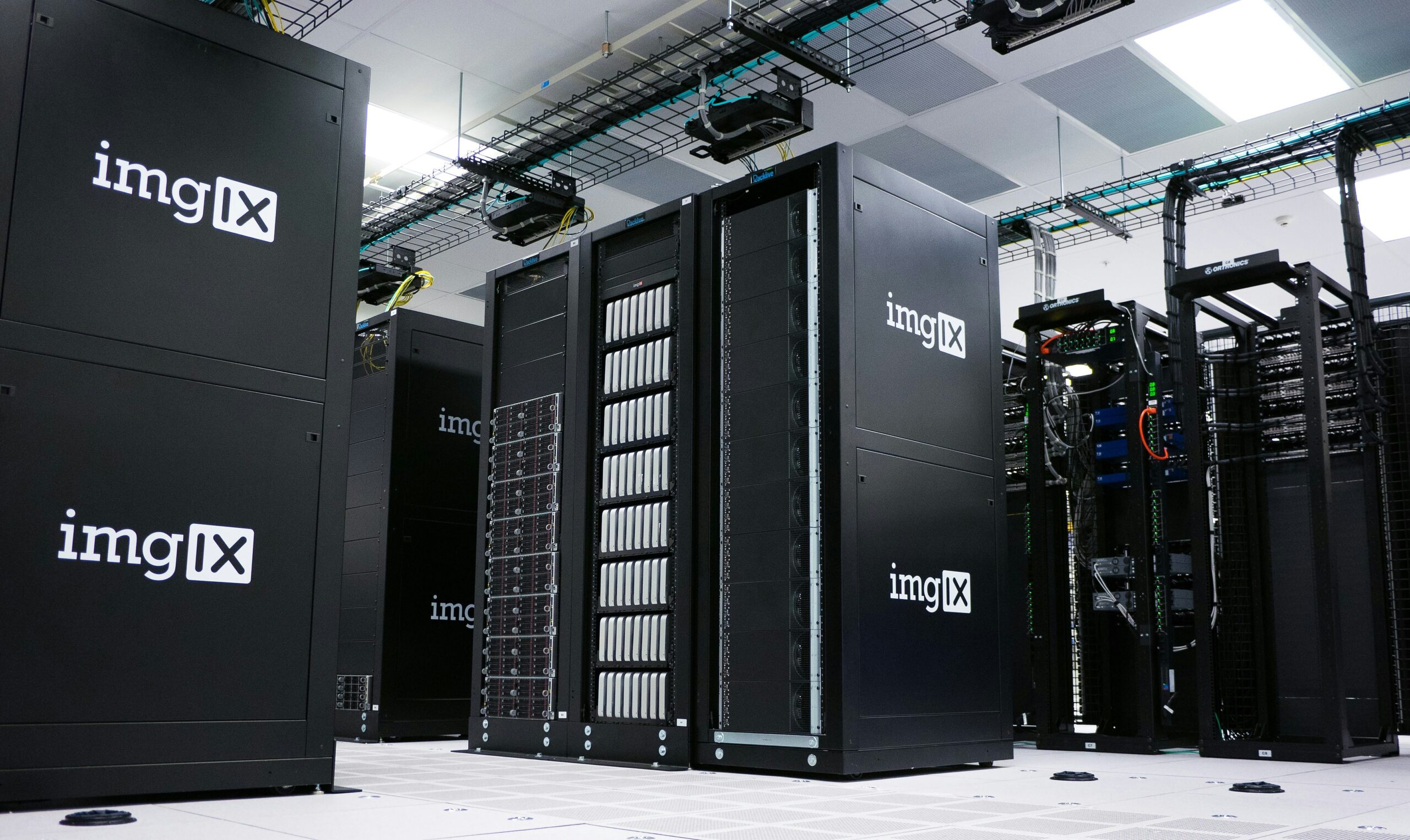
Nvidia AI chips, Vera CPU, AI servers, AMD EPYC, Intel Xeon, AI infrastructure, data center CPUs, Nvidia Rubin, enterprise AI
Nvidia Reveals Vera CPU as AI Infrastructure Race Intensifies
Nvidia has taken another major step toward dominating artificial intelligence infrastructure by officially revealing the full technical specifications of its long-awaited Vera CPU. The announcement signals that Nvidia is no longer content with leading only the GPU market—it now intends to compete directly with AMD and Intel in high-performance server processors powering the world’s largest AI data centers.
For years, Nvidia’s GPUs have become synonymous with generative AI, machine learning, and large language models. Now, the company’s strategy is expanding into complete AI systems where CPUs, GPUs, networking, memory, and software are designed together.
The result could reshape the future of enterprise computing.
Why Nvidia Built the Vera CPU
Traditional CPUs remain essential even inside AI supercomputers.
While GPUs perform the massive parallel calculations required for AI training and inference, CPUs manage workloads, operating systems, networking, storage, memory allocation, and communication between thousands of accelerators.
Nvidia believes today’s AI workloads require a new type of processor designed specifically for AI factories rather than traditional enterprise servers.
The Vera CPU was developed to solve exactly that challenge.
Unlike conventional server processors, Vera is tightly integrated with Nvidia’s Rubin GPU architecture, creating a unified platform optimized for massive AI clusters.
Nvidia Takes Direct Aim at AMD and Intel
For decades, Intel dominated server processors while AMD steadily gained market share through its EPYC lineup.
Nvidia previously relied on these companies whenever customers built AI clusters using Nvidia GPUs.
That relationship is changing.
By introducing its own CPU, Nvidia becomes a direct competitor in the server processor market.
According to Nvidia’s published benchmark results, Vera delivers stronger integer processing performance than AMD’s EPYC 9755 in SPEC CPU 2026 testing, highlighting Nvidia’s confidence that its custom ARM-based architecture can compete against established x86 processors.
If independent testing confirms these numbers, enterprises may increasingly choose complete Nvidia platforms rather than mixing hardware from multiple vendors.
An AI-First CPU Architecture
Unlike conventional CPUs optimized for databases or virtualization, Vera was designed around AI infrastructure.
Key characteristics include:
- ARM-based custom architecture
- Extremely high memory bandwidth
- Low-latency communication with Rubin GPUs
- Optimized energy efficiency
- Rack-scale deployment
- Integration with Nvidia networking technologies
The processor serves as the control center inside Nvidia’s next-generation AI systems.
Instead of viewing CPUs as standalone products, Nvidia is treating them as one component inside a complete AI factory.
Rubin Platform: More Than Just a CPU
The Vera CPU is only one piece of Nvidia’s larger Rubin platform.
Rubin combines:
- Vera CPU
- Rubin GPU
- High-speed networking
- AI software stack
- NVLink connectivity
- Rack-scale architecture
This integrated approach allows every component to be engineered together instead of relying on third-party hardware.
The strategy resembles Apple’s tightly integrated hardware ecosystem—but for enterprise AI.
Why Integration Matters
Modern AI models contain trillions of parameters.
Training these systems requires thousands of GPUs communicating continuously.
Every delay between processors reduces efficiency.
By controlling both CPUs and GPUs, Nvidia can optimize:
- Memory transfers
- Scheduling
- Power consumption
- Networking
- Cooling
- Latency
- AI workload orchestration
This vertical integration may significantly improve performance while reducing operational costs for hyperscale cloud providers.
AI Data Centers Are Becoming AI Factories
Nvidia CEO Jensen Huang frequently describes future data centers as “AI factories.”
Instead of serving web pages or databases, these facilities continuously generate AI tokens, train models, and perform reasoning tasks.
The Vera CPU was designed specifically for these emerging workloads, including agentic AI systems that require substantially more coordination between processors than earlier generative AI models.
As businesses increasingly deploy autonomous AI agents, demand for tightly integrated computing platforms is expected to accelerate.
Pressure Builds on AMD
AMD has become Nvidia’s strongest challenger in AI hardware.
Its upcoming Helios rack-scale AI platform combines MI400 GPUs with EPYC processors and has reportedly attracted customers including Microsoft, OpenAI, Oracle, and Meta.
Competition between AMD and Nvidia is intensifying across several dimensions:
- AI accelerators
- Rack-scale systems
- Networking
- Enterprise software
- CPU architecture
- Cloud partnerships
The battle is shifting away from individual chips toward complete AI infrastructure ecosystems.
Intel Faces Another Competitive Challenge
Intel continues restructuring its server business while attempting to regain competitiveness in AI.
Although Xeon processors remain widely deployed across enterprise environments, Intel has struggled to capture the explosive growth generated by generative AI compared with Nvidia.
Nvidia’s entry into the CPU market creates another obstacle for Intel’s data-center ambitions.
Customers purchasing integrated Nvidia AI platforms may have fewer reasons to purchase standalone Xeon processors.
Enterprise Customers Want Complete Solutions
Large organizations increasingly prioritize simplicity.
Rather than assembling infrastructure from multiple vendors, many enterprises prefer turnkey AI systems that include:
- CPUs
- GPUs
- Networking
- Software
- Storage optimization
- Security
- Management tools
Nvidia’s strategy aligns with this market shift.
Instead of selling components, the company is selling complete AI infrastructure.
Energy Efficiency Is Becoming Critical
AI data centers consume enormous amounts of electricity.
Power availability has become one of the largest constraints on AI expansion.
Nvidia says Rubin delivers dramatically higher performance per watt than previous generations, reflecting a broader industry focus on maximizing AI output while controlling energy use.
Improved efficiency benefits both cloud providers and enterprise customers by lowering operational costs.
Investors Are Watching Closely
Wall Street increasingly evaluates semiconductor companies based on their ability to capture AI infrastructure spending.
The global market for AI servers continues expanding rapidly as governments, cloud providers, research institutions, and Fortune 500 companies invest billions into generative AI capabilities.
If Vera achieves widespread adoption, Nvidia could extend its already dominant position beyond GPUs into CPUs and complete AI platforms.
That would further strengthen one of the most powerful competitive moats in the semiconductor industry.
What This Means for the Future of AI
The introduction of Vera represents more than another processor launch.
It signals a transformation in how AI infrastructure will be designed.
Future competition may revolve less around individual chips and more around integrated ecosystems capable of delivering maximum performance, efficiency, and scalability.
As AI models continue growing larger and more sophisticated, organizations will increasingly seek platforms where hardware and software operate as a unified system.
Nvidia believes that future belongs to vertically integrated AI factories.
AMD and Intel are racing to prove otherwise.
Frequently Asked Questions
What is the Nvidia Vera CPU?
Vera is Nvidia’s custom ARM-based server processor designed specifically for AI infrastructure and integrated with the Rubin GPU platform.
Why is Vera important?
It allows Nvidia to compete directly with AMD and Intel in server CPUs while optimizing complete AI systems.
Who are Nvidia’s biggest competitors?
AMD, Intel, and increasingly custom AI silicon developed by hyperscale cloud providers.
Will Vera replace traditional CPUs?
Not entirely. Traditional CPUs remain essential across many enterprise workloads, but AI-focused processors like Vera are expected to play a growing role in next-generation data centers.
Conclusion
Nvidia’s Vera CPU marks a significant expansion of the company’s AI ambitions. By combining CPUs, GPUs, networking, and software into an integrated platform, Nvidia is redefining competition in enterprise computing. Whether enterprises adopt Vera at scale will depend on real-world performance, ecosystem support, and total cost of ownership, but the announcement makes one point clear: the race to build the future of AI infrastructure is no longer just about GPUs. It is about owning the entire AI stack.
Suggested WordPress Categories:
- Artificial Intelligence
- Technology
- Semiconductors
- Business
- Data Centers
SEO Tags:
Nvidia Vera CPU, Nvidia AI, Rubin platform, AI servers, AMD EPYC, Intel Xeon, AI infrastructure, data centers, ARM processors, enterprise AI, Nvidia Rubin, semiconductor industry
Source:




0 Comments