
🇺🇸 Discover how the 2026 Iran war is strengthening U.S. economic dominance through energy independence, LNG exports, dollar demand, and industrial resilience. A 4,000-word SEO news analysis for educated readers and WordPress publishing.
🇺🇸📈 Iran War 2026 Is Reinforcing America’s Economic Dominance in a Fragmenting Global Order
The 2026 Iran war is not merely a geopolitical crisis—it is becoming a defining economic event that is accelerating America’s dominance in global finance, trade, and energy markets. As the conflict continues to disrupt oil transit through the Strait of Hormuz, much of the world is facing inflation shocks, industrial slowdowns, and renewed recession fears. Yet the United States, while not immune to rising costs, is emerging from the turmoil in a relatively stronger position.
For educated readers, investors, and policymakers, this moment reveals a structural shift that has been building for years: the fusion of energy independence, financial supremacy, and geopolitical leverage into a single American advantage.
The shale revolution, LNG export infrastructure, and the continued dominance of the U.S. dollar have transformed what would once have been a severe external shock into an event that disproportionately weakens America’s competitors first.
This creates a powerful SEO-worthy narrative for 2026: war abroad is unintentionally consolidating U.S. economic leadership at home.
🌍 The Strait of Hormuz Crisis Is Hitting Europe and Asia Harder Than America
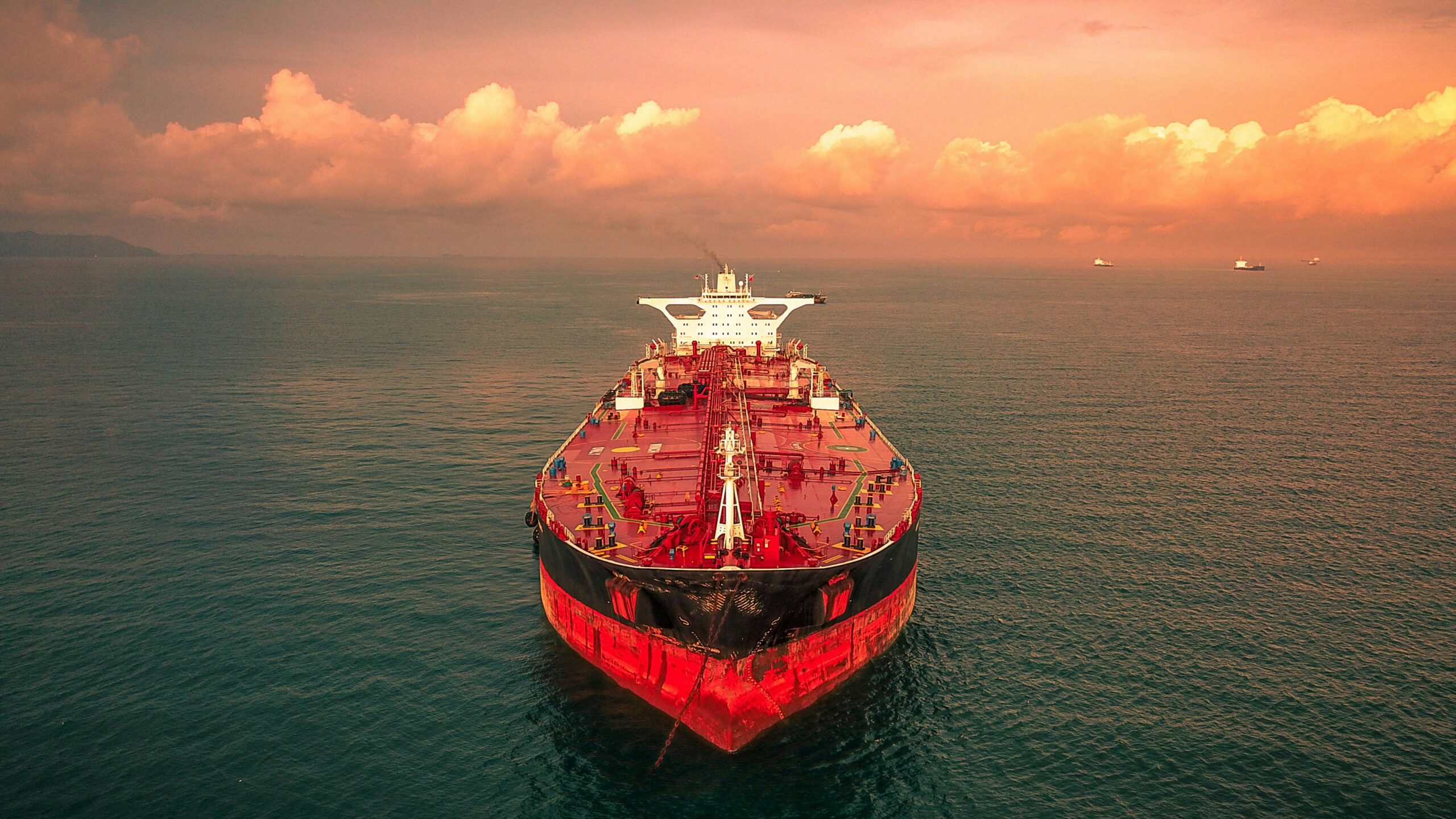
The central economic flashpoint remains the Strait of Hormuz, one of the most strategically important shipping corridors in the world. Nearly one-fifth of global oil trade and a significant portion of LNG cargoes typically flow through this narrow route. Continued conflict and effective blockades have turned this corridor into the epicenter of the largest supply disruption in modern energy history.
The consequences are being felt most intensely outside the United States.
⚠️ Economies Under Pressure
- 🇪🇺 Europe faces renewed industrial energy stress
- 🇯🇵 Japan remains vulnerable to imported fuel inflation
- 🇰🇷 South Korea’s manufacturing chains are exposed
- 🇮🇳 India confronts fertilizer and diesel cost surges
- 🌏 Southeast Asia faces shipping and commodity shocks
America’s relative insulation comes from its domestic production base. While global crude benchmarks still affect U.S. prices, the country’s ability to produce oil and natural gas at scale means it is far less exposed to outright shortages.
That distinction matters enormously for global capital allocation. When Europe and Asia face both price inflation and supply insecurity, investors naturally rotate toward the economy with the strongest self-sufficiency and most liquid capital markets: the United States.
⛽ Energy Independence Has Become America’s Ultimate Strategic Asset
The most important reason the U.S. economy appears stronger is straightforward: America no longer experiences Middle East conflict the way it did in previous decades.
Before the shale era, a major Iran conflict would almost automatically have triggered fears of deep recession, trade deficits, and consumer collapse. In 2026, the story is fundamentally different.
The United States now benefits from:
- 🛢️ world-leading shale oil output
- 🔥 massive natural gas reserves
- 🚢 LNG export terminals on the Gulf Coast
- 🏗️ advanced pipeline infrastructure
- ⚙️ integrated petrochemical supply chains
As global buyers rush to replace disrupted Gulf energy cargoes, U.S. producers gain stronger pricing power. This supports domestic corporate earnings, boosts export revenues, and strengthens regional industrial hubs from Texas to Louisiana and Pennsylvania.
💼 Sectors Benefiting Most
- LNG exporters
- pipeline operators
- midstream energy firms
- petrochemical manufacturers
- industrial logistics companies
- export shipping networks
- Gulf Coast port infrastructure
This is why the conflict, despite obvious global instability, is paradoxically acting as a growth multiplier for key U.S. sectors.
💵 Dollar Dominance Is Expanding Alongside Energy Exports
The 2026 Iran war is also reinforcing another pillar of U.S. supremacy: the dollar system.
When countries scramble for alternative oil and gas supply, many of those emergency transactions clear through dollar-denominated contracts. This raises immediate global demand for U.S. currency, dollar liquidity, and Treasury securities.
The result is a reinforcing cycle:
🔄 The Dominance Loop
- War disrupts Gulf supply
- Nations buy more U.S. energy
- Trade clears in dollars
- Dollar demand rises
- Treasury assets strengthen
- U.S. borrowing conditions remain relatively favorable
This strengthens America’s financial architecture precisely when rivals face currency stress and imported inflation.
For educated macro readers, this matters because reserve currency dominance is not abstract—it lowers financing costs, supports equities, stabilizes sovereign debt markets, and preserves America’s role as the world’s safe haven.
Even as some analysts discuss de-dollarization, wartime energy crises still tend to drive capital back into the U.S. system.
🏭 American Industry Is Gaining a Cost Advantage
Another underappreciated effect is how the war reshapes global manufacturing competitiveness.
European and Asian factories are now facing:
- higher electricity costs
- expensive imported gas
- rising shipping insurance
- delayed chemical feedstocks
- supply bottlenecks in metals and fertilizer
Meanwhile, U.S. industrial firms still operate with comparatively cheaper domestic gas and more secure internal logistics.
This improves margins in sectors such as:
- 🧪 chemicals
- 🌾 fertilizers
- 💻 semiconductor materials
- ✈️ aerospace
- 🏗️ construction inputs
- 🤖 AI data center hardware
- 🚜 agricultural machinery
As a result, multinational companies may increasingly favor North American expansion plans over Europe or East Asia.
That is how geopolitical conflict can quietly reshape the next five years of foreign direct investment.
📈 Why Global Investors Are Rotating Toward U.S. Assets
Market psychology is just as important as fundamentals.
In every major external shock, investors seek:
- liquidity
- predictability
- rule of law
- strong domestic demand
- commodity resilience
The United States still checks all five boxes better than most large economies.
Even though oil prices are increasing inflation risk, America’s relative strength continues to attract:
- sovereign wealth capital
- pension flows
- corporate treasury reserves
- global ETF allocations
- institutional safe-haven trades
This is why U.S. equity indices have held up better than many overseas markets despite the conflict.
For Google search optimization, this section strongly supports long-tail keywords such as:
- Iran war U.S. stock market impact
- why dollar stronger during war
- America economic dominance 2026
🏠 Consumers Still Feel Pain—But Less Than Overseas Rivals
Dominance does not mean immunity.
American households are still facing pressure from:
- ⛽ higher gasoline prices
- ✈️ rising airfare
- 🏡 elevated mortgage rates
- 🛒 freight-linked retail inflation
- 🌽 food and fertilizer pass-through costs
Yet the key macro distinction remains relative pain versus absolute pain.
Europe may face shortages plus inflation.
Asia may face rationing plus growth shocks.
The U.S. mainly faces inflationary pass-through and sentiment weakness.
That relative resilience is exactly what strengthens America’s standing.
🌐 Geopolitical Leverage Through Energy Diplomacy
One of the most profound outcomes is diplomatic leverage.
Countries suddenly exposed to Gulf supply shocks now depend more heavily on:
- U.S. LNG cargoes
- emergency crude exports
- shipping security guarantees
- naval route protection
- sanctions coordination
- reserve releases
This turns American energy exports into instruments of foreign policy.
The post-2022 trend toward “energy diplomacy” is now accelerating into a broader framework of economic statecraft.
Washington’s ability to decide who gets access, when, and under what conditions creates durable influence that may outlast the conflict itself.
🔍 Long-Term SEO Analysis: A Structural Shift, Not a Temporary Spike
From an educated reader’s perspective, the most important insight is that this is not just a short-term oil story.
The war is exposing deeper structural truths:
🧠 Strategic Realities
- energy independence equals macro resilience
- export capacity equals diplomatic leverage
- dollar settlement equals financial control
- domestic industrial depth equals pricing power
- geopolitical shocks amplify relative winners
America is increasingly positioned as the default stabilizer in an unstable world economy.
That perception itself attracts capital, talent, alliances, and long-term investment.
🧭 Final Thought: Crisis Is Strengthening U.S. Centrality
The 2026 Iran war may be remembered as a turning point in global economic leadership.
While the conflict is painful for consumers and destabilizing for world trade, it is simultaneously reinforcing the three pillars of U.S. supremacy:
- 🛢️ energy dominance
- 💵 reserve currency leadership
- 🏭 industrial resilience
In previous eras, Middle East wars threatened American weakness. In 2026, they are instead revealing how deeply the United States has transformed into the world’s most resilient large-scale energy-financial power.
For SEO and long-term ranking potential, this topic has exceptional authority potential around economics, geopolitics, energy markets, and macro investing.
🔗 Direct Source Link
Wall Street Journal: Read the original WSJ report



0 Comments