
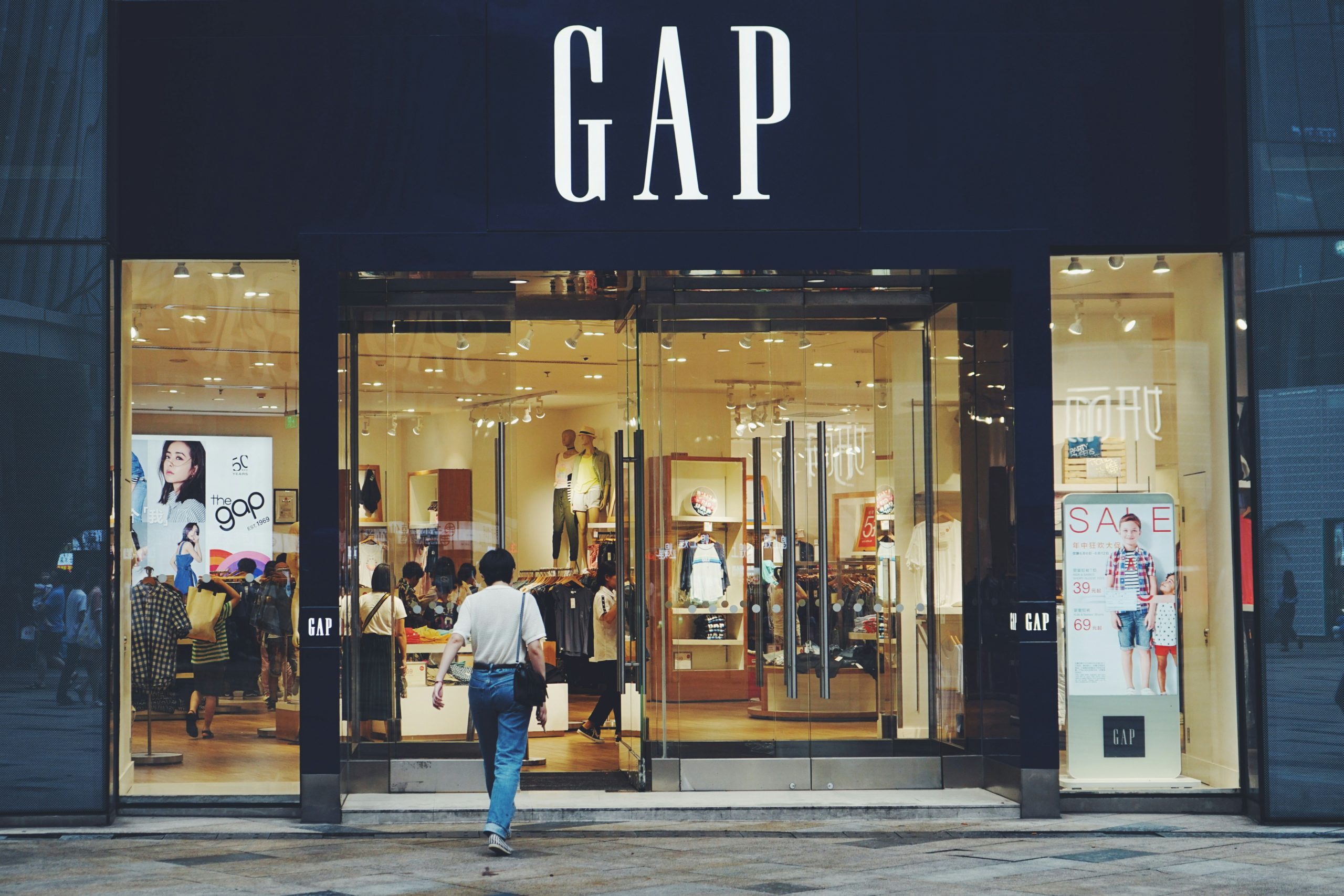
Asian brands are driving Ho Chi Minh City's retail property market, with prime retail occupancy reaching 96.6% as consumer spending and demand for shopping space grow.
Focus keyphrase: Ho Chi Minh City retail market
Secondary keywords: Vietnam retail property, Asian brands in Vietnam, HCMC shopping malls, Vietnam commercial real estate, retail investment in Vietnam, Ho Chi Minh City shopping centers.
Asian Brands Fuel Ho Chi Minh City Retail Boom as Occupancy Hits 96.6%
Asian retailers are becoming an increasingly important force in Vietnam's commercial real estate market, as international food, fashion, sportswear and lifestyle brands expand their presence in Ho Chi Minh City. Strong consumer spending, growing demand for premium shopping experiences and limited availability of prime retail locations are helping support the city's retail property sector.
The latest market figures highlight the growing attractiveness of Ho Chi Minh City (HCMC) as a destination for international retailers seeking access to Vietnam's expanding consumer economy.
According to Knight Frank Vietnam, occupancy in prime retail properties reached 96.6% in the third quarter of 2026, representing an increase of 2.4 percentage points compared with the same period last year.
The figures underline the resilience of the city's retail property market and the growing importance of Asian brands in shaping its commercial landscape.
Asian Retail Brands Expand Across Ho Chi Minh City
Retailers from Japan, China and other Asian markets are increasingly targeting Ho Chi Minh City as they pursue expansion opportunities in Southeast Asia.
According to CBRE Vietnam, several international brands, including The Matcha Tokyo, Yamazaki, Wilson and Lukfook, expanded their presence in central Ho Chi Minh City during the third quarter of 2026.
Demand is also increasing outside the city center, where Vietnamese, Chinese and Japanese retailers are showing greater interest in shopping malls and commercial developments serving expanding residential communities.
The expansion reflects a broader transformation in Vietnam's retail sector. International brands are increasingly viewing the country as a strategic growth market rather than simply another destination for individual store openings.
Earlier in 2026, brands including Pop Mart, AAPE, New Era, Wilson and Salomon selected major shopping centers in Ho Chi Minh City to strengthen their connections with younger consumers.
These retailers represent several rapidly developing consumer categories, including sportswear, fashion, cosmetics, collectibles and lifestyle products.
Their expansion also demonstrates how shopping malls are becoming important platforms for international brands seeking visibility, customer engagement and long-term market recognition.
Food and Beverage Businesses Strengthen Retail Demand
The food and beverage industry is another major contributor to the growth of Vietnam's shopping center market.
Savills reported that food and beverage businesses accounted for approximately 30% to 40% of new leasing transactions at many shopping malls during the first half of 2026.
This reflects the growing importance of restaurants, specialty cafés, dessert shops and international food concepts in modern retail developments.
For shopping center operators, these businesses can help attract visitors beyond traditional shopping activities. Restaurants and cafés encourage customers to spend more time inside commercial properties, potentially increasing opportunities for additional purchases.
Asian food brands also benefit from changing consumer preferences, particularly among younger urban residents interested in international cuisine, specialty beverages and new dining experiences.
As a result, shopping centers are increasingly competing through their restaurant selections, entertainment offerings and lifestyle environments rather than relying exclusively on traditional retail stores.
Prime Retail Occupancy Reaches 96.6%
Strong leasing activity is helping Ho Chi Minh City's retail property market maintain relatively high occupancy levels.
Knight Frank Vietnam reported that prime retail occupancy reached 96.6% in the third quarter of 2026, up 2.4 percentage points year-over-year.
CBRE also reported that retail vacancy in central Ho Chi Minh City declined to just 2.85%, compared with 4.8% in areas outside the city center.
The difference highlights the continued attractiveness of established commercial districts, where retailers can benefit from visibility, accessibility and established customer traffic.
However, suburban retail developments are also becoming increasingly important.
As residential communities expand and infrastructure improves, shopping centers outside traditional central business districts may gain access to new consumer markets.
CBRE reported that asking rents in non-central locations reached US$57.9 per square meter per month, representing an annual increase of 8%.
The rental growth suggests that demand for well-positioned shopping centers is expanding beyond the city's traditional commercial core.
Consumer Spending Supports Vietnam's Retail Property Market
Vietnam's growing consumer economy remains an important foundation for the expansion of international retail brands.
According to Ho Chi Minh City statistics, total retail sales of goods and consumer service revenue reached nearly VND1.49 quadrillion (approximately US$57.8 billion) during the first nine months of 2026.
This represents an increase of 13.8% compared with the same period in 2025.
Retail sales of goods alone increased by 17.2%, highlighting the strength of merchandise consumption across the city.
These figures are particularly important for international retailers evaluating opportunities in Vietnam.
A growing consumer market can support new store openings, larger retail networks and investment in premium shopping locations.
For brands entering Southeast Asia, Ho Chi Minh City offers access to a large urban population, established commercial districts and a rapidly developing retail environment.
Nevertheless, successful expansion will depend on more than consumer market growth. Retailers must also understand local preferences, pricing expectations, competition and the purchasing behavior of Vietnamese consumers.
Limited Supply Creates Competition for Prime Shopping Locations
Despite growing demand, the availability of high-quality retail space remains an important consideration for the market.
Ho Chi Minh City currently has approximately 1.3 million square meters of retail space.
Knight Frank reported that no new prime retail development entered the market during the third quarter of 2026, with limited additional supply expected before 2027.
This supply constraint could continue supporting occupancy levels and rental performance at established shopping centers.
However, the longer-term outlook includes additional development.
Cushman & Wakefield forecasts that Ho Chi Minh City could add approximately 286,500 square meters of retail space between 2026 and 2029, with much of the new supply expected outside the city center.
The development pipeline could create new opportunities for retailers seeking access to emerging residential districts.
It could also intensify competition between shopping centers as landlords seek to attract international tenants and maintain occupancy.
The ability to secure recognizable brands, establish attractive retail environments and generate consistent visitor traffic will therefore become increasingly important.
Why Ho Chi Minh City Is Attracting International Retail Investors
Ho Chi Minh City's growing appeal reflects several interconnected economic and commercial trends.
First, Vietnam remains an important destination for international businesses seeking opportunities in Southeast Asia. Its expanding consumer market offers retailers opportunities to establish brand recognition and develop longer-term operations.
Second, the city's retail sector is becoming more diversified. International fashion labels, Asian food businesses, lifestyle retailers and entertainment concepts are contributing to a broader shopping experience.
Third, shopping centers are evolving into multifunctional destinations where consumers can combine shopping, dining, entertainment and social activities.
This transformation is particularly important for younger consumers, who increasingly value experiences and brand engagement alongside traditional purchases.
For property owners and developers, attracting the right tenant mix can become a significant competitive advantage.
Retail developments that successfully combine international brands, local businesses, restaurants and entertainment may be better positioned to attract repeat visitors.
Outlook: Asian Brands Could Remain a Major Growth Driver
The outlook for Ho Chi Minh City's retail property sector remains closely connected to consumer spending, international brand expansion and the availability of attractive commercial locations.
Asian retailers are expected to remain important contributors to leasing demand, particularly across food and beverage, sportswear, fashion and lifestyle categories.
However, future market performance will depend on the ability of shopping center operators to maintain attractive tenant portfolios and respond to changing consumer preferences.
The expected addition of new retail space between 2026 and 2029 could also reshape competition, particularly in suburban districts.
For investors, the market presents opportunities but also requires careful evaluation of location, rental costs, occupancy, consumer demographics and the quality of individual developments.
Ultimately, Ho Chi Minh City's retail expansion reflects a broader transformation in Vietnam's economy. As international brands compete for access to Vietnamese consumers, shopping centers are becoming increasingly important components of the country's commercial infrastructure.
The growing presence of Asian retailers is therefore more than a leasing trend. It is also an indication of Vietnam's rising importance as a regional consumer market and an increasingly attractive destination for international retail investment.
Sources and Further Reading
-
VnExpress International: Asian Brands Drive Demand for HCMC Retail Space.
-
CBRE Vietnam: Ho Chi Minh City Retail Market Research.
-
Knight Frank Vietnam: Retail Market Reports.
-
Savills Vietnam: Ho Chi Minh City's Retail Market Outlook.
-
Cushman & Wakefield: Ho Chi Minh City Retail MarketBeat.
Editorial Disclaimer: This article is for informational and business analysis purposes only. Market forecasts and real estate investment opportunities involve risks and should not be considered financial or investment advice.
Direct source links:



0 Comments