
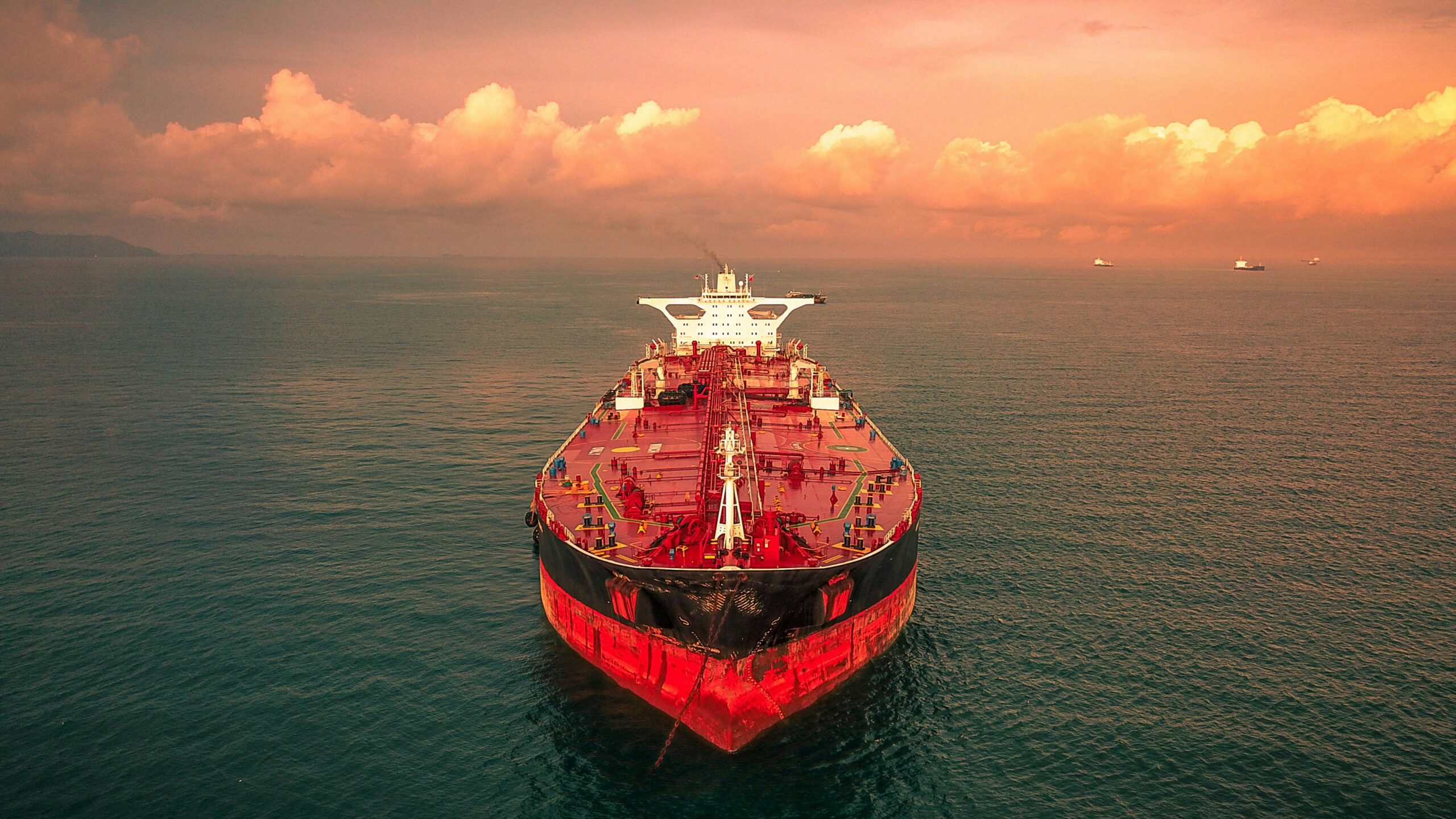
China's navy has surpassed 400 ships and submarines, challenging US maritime dominance. Explore Xi Jinping's naval ambitions, shipbuilding power and global security implications.
Focus Keyphrase: China naval expansion
Related Keywords: China military power, Xi Jinping maritime strategy, US Navy, China aircraft carriers, South China Sea, global naval competition, China shipbuilding industry, Indo-Pacific security.
🌏 China's Naval Expansion Is Reshaping the Global Balance of Maritime Power
The balance of power across the world's oceans is undergoing a historic transformation as China rapidly expands its naval capabilities under President Xi Jinping. Once primarily focused on protecting its coastline and regional interests, Beijing is developing a formidable maritime force capable of challenging the United States across increasingly important international waters.
China now operates more than 400 naval ships and submarines, making it the world's largest navy by vessel count. According to figures cited in a recent Wall Street Journal investigation, China's fleet is approximately 35% larger than the U.S. Navy by hull numbers. The expansion reflects a broader strategic ambition to establish China as a major maritime power with the ability to protect its commercial interests, strengthen military influence and challenge American naval dominance.
The development represents one of the most significant shifts in international military competition since the Second World War.
For Washington, the challenge extends beyond the number of warships. China's growing shipbuilding industry, aircraft carrier development, overseas port investments and expanding maritime operations are creating an integrated network of commercial and military capabilities that could reshape the strategic environment across the Indo-Pacific and beyond.
🚢 China Builds the World's Largest Navy by Ship Count
China's naval modernization has accelerated significantly over the past decade.
The country has transformed its military from a predominantly coastal defense force into an increasingly sophisticated navy capable of operating across distant international waters.
Its fleet now includes more than 400 ships and submarines, compared with approximately 290 vessels in the U.S. Navy. However, vessel numbers do not tell the entire story. The American fleet remains larger by total displacement, meaning its vessels are, on average, bigger.
Nevertheless, China's production speed and growing technological capabilities are changing the competitive landscape.
Since 2020, China has added 71 major warships and submarines, including 19 in the previous year, according to figures cited by the Wall Street Journal.
Among the most important developments are China's advanced Type 055 destroyers, which the United States classifies as guided-missile cruisers because of their considerable size and firepower.
These vessels demonstrate Beijing's ambition to operate a modern navy capable of conducting air defense, anti-submarine warfare and long-range military operations.
China is also expanding its amphibious assault capabilities, including the development of the 40,000-ton Sichuan, a sophisticated vessel designed to support helicopters and advanced military aircraft systems.
The expansion suggests that Beijing is no longer concentrating exclusively on defending its immediate maritime territory. It is building capabilities designed for operations much farther from the Chinese mainland.
⚓ Xi Jinping's Vision of China as a Maritime Superpower
China's naval ambitions are closely connected to Xi Jinping's long-term vision for national development and international influence.
Since becoming China's president in 2013, Xi has repeatedly emphasized the importance of transforming the country into a maritime great power.
His strategy reflects a historical understanding that control over important shipping routes, commercial networks and maritime resources has played a central role in the rise of major international powers.
China historically concentrated much of its political and military attention on continental security. However, its economic transformation has made maritime access increasingly important.
The country depends heavily on international shipping to transport manufactured products, energy resources, industrial materials and consumer goods.
For Beijing, protecting these commercial connections is therefore an important national security priority.
Xi's approach combines economic development, military modernization and international infrastructure investment.
China's strategy also draws inspiration from historical maritime expeditions, including those led by Admiral Zheng He during the 15th century. These voyages demonstrated China's historical ability to project influence through international maritime networks.
Today, the Chinese leadership is pursuing a modern version of maritime influence through naval expansion, commercial shipbuilding and overseas port investments.
The result is a strategy that connects China's economic ambitions with its growing military presence.
🏗️ China's Shipbuilding Industry Provides a Major Strategic Advantage
One of the biggest advantages behind China's naval expansion is its enormous commercial shipbuilding industry.
China has become the world's leading shipbuilding nation, producing more than half of the world's merchant vessels annually, according to figures highlighted in the reporting.
Its shipyards manufacture container ships, liquefied natural gas carriers, bulk carriers and other vessels serving international shipping companies.
This industrial capacity also provides important advantages for military production.
Commercial shipbuilding creates a large ecosystem of skilled workers, industrial suppliers, engineering expertise, manufacturing facilities and maritime technologies.
These resources can support the construction and maintenance of sophisticated naval vessels.
Shipyards around Shanghai illustrate this growing industrial strength. Facilities on Changxing Island are involved in producing commercial ships for international customers while simultaneously constructing advanced warships for the Chinese navy.
This combination allows China to benefit from an industrial ecosystem that supports both international trade and military modernization.
The contrast with the United States is increasingly important.
Although Washington continues to possess significant military and technological advantages, American shipbuilding capacity has faced longstanding difficulties.
A recent U.S. Navy assessment highlighted that the country's naval ship count has remained broadly unchanged from 2003 levels despite substantial increases in shipbuilding budgets.
Shipyard capacity, workforce shortages, construction delays and difficulties with major naval programs have complicated efforts to expand the American fleet.
China's ability to manufacture vessels at scale therefore represents a strategic advantage that extends beyond military spending.
✈️ Aircraft Carriers Expand China's Global Military Ambitions
Aircraft carriers are another important element of China's maritime transformation.
China has moved from having no operational aircraft carriers less than two decades ago to operating three carriers, with a fourth under development.
Its newest carrier, the Fujian, represents an important technological milestone.
The vessel features electromagnetic aircraft launch systems, allowing aircraft to take off using technology previously associated with American aircraft carriers.
This capability could improve the operational flexibility of China's carrier fleet and support more advanced naval aviation operations.
The fourth carrier under development is expected by Western experts to be nuclear-powered, although its final specifications and operational timeline remain uncertain.
American defense assessments have also projected that China could operate nine aircraft carriers by 2035.
Such an expansion would bring Beijing considerably closer to the United States, which currently operates 11 aircraft carriers.
However, carrier numbers alone do not determine overall naval superiority. Training, aircraft capabilities, logistics, operational experience and the ability to sustain long-distance deployments remain critical factors.
China is nevertheless demonstrating that it intends to become a much more capable carrier-operating nation.
Its growing deployments across the western Pacific are particularly significant because they allow Chinese forces to practice operations in areas historically dominated by American naval power.
🌊 South China Sea and Taiwan Remain Central to Beijing's Strategy
Despite its expanding international presence, China's immediate maritime priorities remain concentrated around East Asia.
The South China Sea, East China Sea and waters surrounding Taiwan are particularly important to Beijing's strategic calculations.
These areas contain major commercial shipping routes, important fishing grounds and significant energy resources.
They are also central to regional territorial disputes involving China and neighboring countries.
China's growing naval and coast guard presence provides Beijing with additional capabilities to influence developments in contested maritime areas.
The situation surrounding Taiwan is especially sensitive.
Beijing considers Taiwan part of its territory and has not ruled out the use of force to achieve unification. Taiwan, meanwhile, maintains its own government and defense capabilities.
The United States has significant interests in maintaining regional stability and has long supported Taiwan's ability to defend itself.
China's naval modernization could make any potential military confrontation considerably more complicated.
A larger fleet, advanced missile systems, submarines and carrier operations could increase Beijing's ability to challenge U.S. forces attempting to operate near China's coastline.
The strategic objective is not necessarily to match American capabilities in every part of the world. Instead, China may seek to make intervention in a regional conflict increasingly costly and difficult for Washington.
This is one reason why the First Island Chain, stretching from Japan through Taiwan toward the Philippines, has become such an important part of U.S.-China military competition.
🌐 China's Overseas Ports Strengthen Its Maritime Network
China's maritime ambitions extend beyond warships and aircraft carriers.
Beijing has invested heavily in port infrastructure across several continents, developing commercial relationships and strategic connections that could support its broader international presence.
Chinese-backed port projects and investments have attracted attention in countries including Sri Lanka, Peru and Israel.
These facilities serve commercial purposes, supporting international trade and China's extensive shipping networks. However, their strategic significance is also attracting scrutiny from Western governments and security analysts.
Access to overseas ports can provide logistical advantages, including refueling, maintenance, resupply and support for vessels operating far from their home bases.
China has also established a military presence overseas. Its naval base in Djibouti, on the Horn of Africa, represents an important foothold near one of the world's most strategically significant maritime corridors.
Meanwhile, Beijing has developed closer military relationships with countries in other regions, including Cambodia.
The combination of overseas infrastructure, commercial shipping and military capabilities gives China opportunities to expand its maritime influence without relying exclusively on traditional naval bases.
For the United States and its allies, understanding how these networks evolve will become increasingly important.
🛳️ China's Coast Guard and Fishing Fleets Add Another Dimension
China's maritime strategy also involves organizations beyond its conventional navy.
Its coast guard and extensive fishing fleet provide additional capabilities for maintaining a presence across disputed waters.
Chinese fishing vessels have increasingly attracted international attention because some are associated with maritime militia activities.
These vessels can contribute to surveillance, support maritime operations and help Beijing maintain a persistent presence in strategically sensitive areas.
Unlike conventional warships, fishing vessels and coast guard ships can operate in situations where deploying military forces might create a more serious diplomatic confrontation.
This creates additional challenges for countries attempting to respond to China's maritime activities.
Research vessels are another important component of the strategy. China's oceanographic and underwater research operations are expanding, providing information about maritime environments and ocean conditions.
Such knowledge has commercial, scientific and potential military applications.
Together, these capabilities illustrate why China's maritime influence cannot be measured simply by counting its warships.
🇺🇸 The United States Faces a Growing Shipbuilding Challenge
China's rapid naval expansion is creating increasing pressure on American military planners.
For decades, the United States maintained overwhelming naval superiority, supported by a global network of military bases, advanced aircraft carriers, nuclear submarines and international security partnerships.
However, maintaining that advantage requires a strong industrial foundation.
American shipbuilding has faced persistent problems, including rising construction costs, limited production capacity, workforce shortages and delays in delivering major naval vessels.
The United States continues to possess significant advantages in aircraft carrier operations, nuclear submarine technology, military experience and global logistics.
Nevertheless, China's ability to manufacture large numbers of vessels more quickly is changing the balance of competition.
The Trump administration has identified the restoration of American maritime and shipbuilding capabilities as an important policy priority.
Its strategy includes improving workforce development, increasing industrial capacity and addressing regulatory obstacles affecting domestic shipyards.
However, rebuilding an industrial ecosystem that has weakened over several decades will require sustained investment and long-term planning.
The competition is therefore not simply about which country has the largest defense budget. It is also about which nation can efficiently transform industrial resources into advanced military capabilities.
📊 What China's Naval Rise Means for Global Trade and Investors
The expansion of China's navy has important implications for the international economy.
Global trade depends heavily on maritime transportation. Energy shipments, manufactured products, agricultural commodities and industrial materials move through major international shipping corridors.
Any significant deterioration in maritime security could affect transportation costs, insurance premiums, supply chains and international commodity markets.
The Indo-Pacific is particularly important because it contains some of the world's busiest commercial shipping routes.
A potential military confrontation involving China, Taiwan or the United States could disrupt international trade and create significant economic uncertainty.
Several industries could face increased risks:
-
Shipping and logistics: Disruptions to maritime corridors could increase transportation costs and force companies to reconsider shipping routes.
-
Energy markets: Potential instability around important Asian maritime routes could affect oil and liquefied natural gas transportation.
-
Defense companies: Growing military competition could encourage additional investment in naval technology, submarines, missiles and surveillance systems.
-
Semiconductors: Taiwan's importance to global semiconductor manufacturing makes regional security particularly relevant to technology supply chains.
-
Insurance and financial markets: Rising geopolitical tensions could increase maritime insurance costs and create volatility across international markets.
For investors, China's maritime expansion represents both an industrial development story and a geopolitical risk factor.
The long-term consequences will depend on how Washington, Beijing and regional governments manage their competing strategic interests.
⚠️ Could China Challenge American Naval Superiority?
China's growing fleet raises an important question: Is the United States approaching a turning point in its historical dominance of the world's oceans?
The answer depends on how naval power is measured.
China already leads by the number of ships and submarines. Its shipbuilding industry also provides considerable advantages in production capacity.
However, the United States maintains important advantages in overall fleet displacement, global military logistics, carrier operations and decades of experience conducting international naval missions.
China still faces challenges in developing the operational experience and international infrastructure necessary to sustain a truly global naval presence.
Nevertheless, the direction of its modernization is clear.
Its expanding fleet, advanced aircraft carriers, nuclear submarine development and overseas maritime network are creating a more sophisticated military presence.
The possibility of China challenging American forces in the western Pacific is therefore becoming an increasingly important concern for defense planners.
The greatest strategic risk may emerge not from a direct attempt to dominate every ocean, but from Beijing's ability to establish overwhelming regional military capabilities near its coastline.
That could fundamentally change how the United States and its allies operate in the Indo-Pacific.
🔎 The Future of Global Maritime Competition
China's transformation into a major maritime power is one of the most consequential developments in international geopolitics.
Under Xi Jinping, Beijing has combined industrial expansion, military modernization, commercial shipping and overseas infrastructure investment to strengthen its position across the world's oceans.
The United States remains a formidable naval power, but maintaining its historical advantages will require renewed investment in shipbuilding, military technology and international partnerships.
For countries across Asia, Europe and the wider international community, the consequences extend well beyond military competition.
The security of shipping routes, energy supplies, international trade and regional alliances will increasingly depend on how the two largest powers manage their maritime rivalry.
The central question is no longer whether China intends to become a maritime superpower. Its expanding capabilities demonstrate that this transformation is already underway.
The more important question is whether Washington and Beijing can manage their competition without turning the world's most important shipping corridors into potential theaters of military confrontation.
❓ Frequently Asked Questions (FAQ)
1. How large is China's navy in 2026?
China operates more than 400 naval ships and submarines, making it the world's largest navy by vessel count. Its fleet is approximately 35% larger than the U.S. Navy by hull numbers.
2. Why is China expanding its navy?
China is expanding its navy to protect commercial shipping routes, defend its maritime interests, strengthen regional influence and develop the ability to operate farther from its coastline.
3. How many aircraft carriers does China have?
China operates three aircraft carriers and is developing a fourth. Its newest carrier, the Fujian, features electromagnetic aircraft launch technology.
4. Could China surpass the United States as the world's leading naval power?
China already leads by ship count, but the United States retains advantages in total fleet tonnage, carrier operations, global logistics and military experience. Future naval competition will depend on industrial capacity, technology and operational effectiveness.
5. Why is the South China Sea strategically important?
The South China Sea is an important international shipping corridor with significant economic, military and geopolitical importance. It is also the location of territorial disputes involving China and several neighboring countries.
6. How does China's shipbuilding industry support its military?
China's enormous commercial shipbuilding industry provides manufacturing facilities, skilled workers, engineering expertise and industrial suppliers that can also support naval construction and maintenance.
7. What does China's naval expansion mean for global trade?
Growing military competition could increase geopolitical risks around major shipping routes, potentially affecting transportation costs, energy markets, maritime insurance and international supply chains.
📈 Final Analysis: A New Era of Maritime Competition
China's naval expansion represents more than a military modernization program. It reflects a broader effort to connect industrial strength, international trade, strategic infrastructure and military influence.
For the United States, the challenge will be rebuilding its maritime industrial capabilities while maintaining its global security commitments.
For international businesses and investors, developments in the Indo-Pacific deserve increasing attention because maritime security is directly connected to the stability of the global economy.
The future of international power will depend not only on technological leadership and economic growth, but also on the ability to secure the oceans that sustain global commerce.




0 Comments