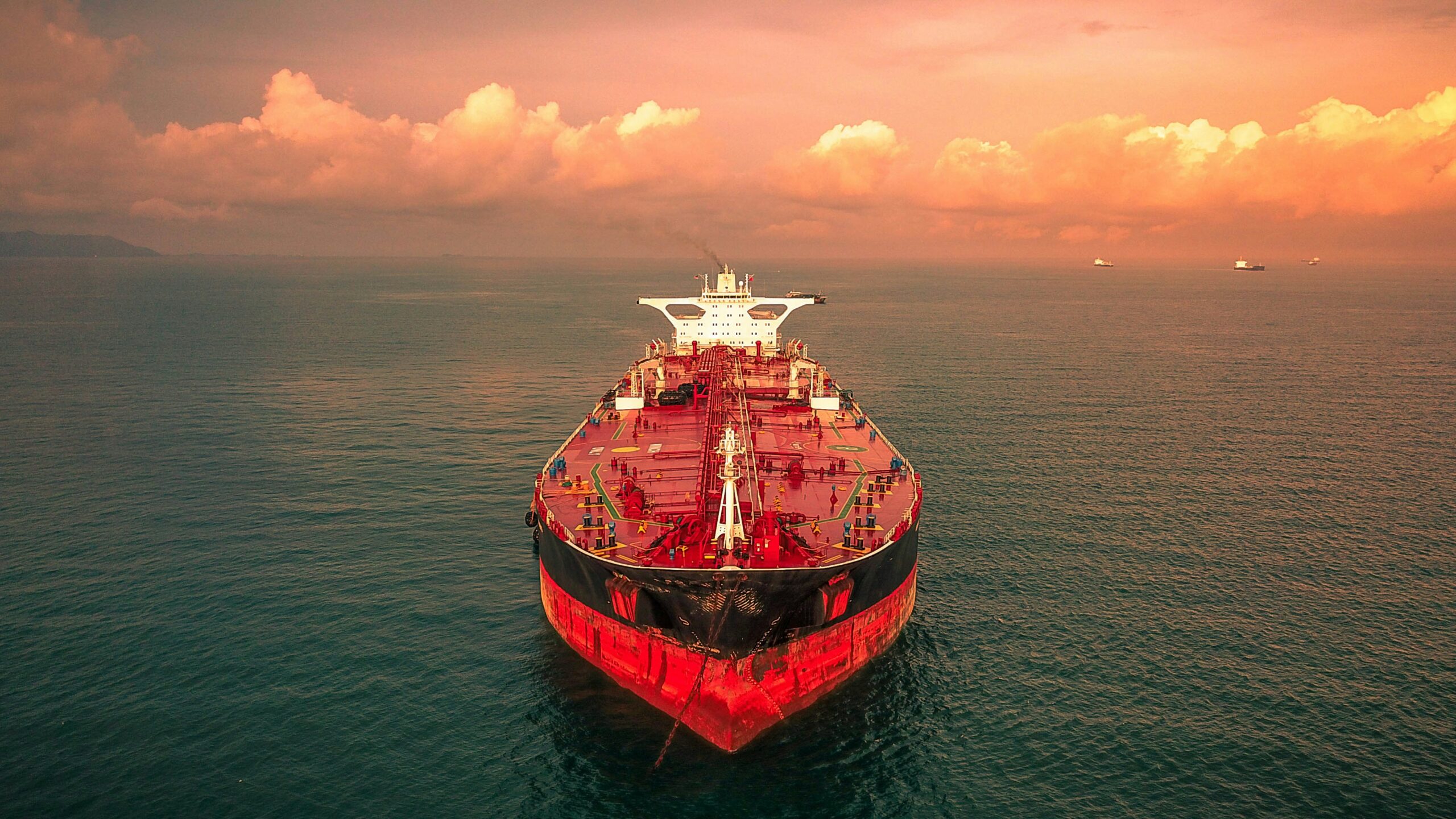
Canada is rich in oil, gas and hydro power, but rising global energy shocks still threaten inflation, fuel prices and grid reliability. A deep analysis of Canada’s real energy security outlook in 2026.
🇨🇦 How Protected Is Canada From the Global Energy Crisis? Economic Risks, Oil Prices, Grid Security and Inflation Explained
Canada is often viewed as one of the safest countries in the world when it comes to energy security. The country produces massive volumes of crude oil, natural gas, hydroelectric power, uranium, and critical minerals that are essential for both traditional and next-generation energy systems.
Yet in 2026, the worsening global energy crisis is exposing a difficult truth: resource abundance alone does not guarantee economic protection.
The renewed surge in oil prices, geopolitical instability across major producing regions, shipping disruptions, and mounting inflationary pressure have forced policymakers, businesses, and households to ask a more urgent question:
How protected is Canada really?
For educated readers, investors, economists, infrastructure planners, and policy observers, the answer requires moving beyond the simplistic idea that “Canada has lots of oil.”
The real issue is not only how much energy Canada produces, but how effectively that energy moves through pipelines, electricity grids, refining systems, and international trade channels. The current global environment reveals that even energy-rich nations remain vulnerable when infrastructure, pricing mechanisms, and regional distribution systems are exposed to international volatility. Canada remains comparatively resilient, but the country is far from immune. Recent analysis notes that while Canadians are feeling pain at the pump and inflation pressure, the country is still less exposed than many peers because of its diversified supply base and broad domestic resource capacity.
⚡ Canada’s Energy Strength Starts With Resource Diversity
The first major reason Canada remains better protected than many advanced economies is its diversified energy mix.
Unlike countries that depend heavily on imported oil or liquefied natural gas, Canada draws energy from multiple domestic sources:
- 🛢️ Crude oil
- 🔥 Natural gas
- 💧 Hydroelectric power
- ⚛️ Uranium and nuclear inputs
- 🌬️ Wind generation
- ☀️ Solar expansion
- 🔋 Battery and critical mineral supply chains
This diversity acts as a macroeconomic shock absorber.
If one energy source experiences price instability, another source can often soften the impact. Hydroelectric-heavy provinces such as Quebec, British Columbia, Manitoba, and Newfoundland benefit from relatively stable power costs compared with regions tied more directly to natural gas generation.
This structural advantage is one of the main reasons Canada’s overall energy exposure remains lower than Europe and many Asian import-dependent economies. Longstanding federal energy security assessments have consistently emphasized that the diversity of Canada’s energy mix is a foundational strength.
For SEO and educated readership intent, this is the central keyword theme: Canada energy security depends more on system diversity than on oil reserves alone.
🛢️ Why High Oil Production Does Not Fully Protect Canadians
A common misconception is that because Canada produces so much oil, domestic fuel prices should remain stable during global crises.
That is not how energy markets work.
Canadian gasoline and diesel prices are still heavily linked to global benchmark pricing systems, including Brent crude and West Texas Intermediate. When conflict or supply threats emerge in major export corridors, prices rise globally, and Canadian consumers feel the same increase at local stations.
This has immediate consequences:
- 🚗 Higher gasoline costs
- 🚚 Rising freight expenses
- 🛒 Increased grocery prices
- ✈️ More expensive air travel
- 🏠 Elevated home heating bills
- 🏭 Higher manufacturing input costs
The issue is not supply scarcity inside Canada. The issue is price discovery in global markets.
As recent analysis on the current crisis notes, Canadians are experiencing significant pump-price pain despite the country’s vast production footprint, showing that energy sovereignty and consumer price insulation are not the same thing.
This is one of the strongest SEO subtopics because it aligns with user search intent around “why gas prices rise in Canada despite domestic oil.”
🛤️ Pipeline Infrastructure Remains Canada’s Biggest Vulnerability
If there is one structural weakness that repeatedly appears in Canada’s energy story, it is transportation infrastructure.
The country’s pipeline system was historically designed with strong north-south export logic, especially toward the United States. This made economic sense for decades, but it also created vulnerabilities:
- 🧭 Weak east-west connectivity
- 🏭 Refinery concentration in limited hubs
- ⛴️ Restricted port export flexibility
- 🧱 Delayed new infrastructure approvals
- 📜 Regulatory uncertainty
- 🌎 Political and environmental opposition
As several recent energy analyses emphasize, Canada’s inability to quickly expand export and domestic transport capacity reduces its ability to respond rapidly when the world is scrambling for alternative energy suppliers.
This is where the country’s apparent energy strength can become operational weakness.
A nation may be rich in resources but still struggle if it cannot efficiently redirect supply where it is needed most.
For educated readers, this is the difference between geological abundance and logistical resilience.
💡 Electricity Grids May Become the Bigger Energy Story
Many people still define energy crises only through oil prices.
That definition is becoming outdated.
The next phase of Canada’s energy vulnerability may emerge from the electricity grid itself.
Power demand is accelerating because of:
- 🤖 AI and data centre expansion
- 🚘 EV charging growth
- 🏢 Electrified buildings
- 🏭 Industrial reshoring
- 👥 Population growth
- 🌡️ Extreme weather demand spikes
The federal government has recently highlighted direct investment into Alberta smart-grid reliability and resilience projects, underscoring how grid modernization is now central to Canada’s energy affordability strategy.
This is critical for SEO because “grid reliability Canada” and “electricity resilience” are increasingly high-intent search themes among business readers.
A future energy crisis may not begin at the oil well.
It may begin at the substation, transformer, or overloaded transmission corridor.
📈 Inflation Is the Real Economic Transmission Mechanism
The most important macroeconomic effect of an energy crisis is not the energy market itself.
It is inflation transmission.
Energy costs feed directly into:
- 🥦 Food logistics
- 🚛 Trucking
- 🏗️ Construction
- 🏭 Manufacturing
- 🧪 Industrial chemicals
- ✈️ Airlines
- 📦 E-commerce delivery
- 🛍️ Retail margins
When fuel and electricity costs rise, businesses pass those costs through supply chains.
This creates sticky inflation, where price pressures spread into sectors far removed from energy production.
CBC-linked reporting around the current crisis specifically highlights the risk of rising inflation as energy prices worsen, reinforcing why economists are watching fuel costs as a broader affordability threat.
For Google rankings, terms like Canada inflation energy prices, cost of living crisis Canada, and oil shock inflation 2026 naturally fit this section.
🌍 Geopolitics Still Determines Canadian Pricing Risk
Even strong domestic production cannot isolate Canada from geopolitics.
Canada’s exposure remains tied to:
- 🌍 Middle East shipping disruptions
- 🛳️ Chokepoint risks in global tanker routes
- 🏛️ OPEC production policy
- 🇺🇸 U.S. strategic petroleum decisions
- 🇷🇺 Eurasian supply shocks
- 🌏 Asian LNG demand spikes
Federal and academic assessments continue to classify geopolitics as a neutral-to-important factor in Canadian energy security because the country remains highly integrated into global markets.
This means Canada can outperform many peers during a crisis, but it still cannot fully escape global fear premiums embedded in oil futures markets.
🌱 Renewables Could Become Canada’s Best Long-Term Protection
One of the most important strategic insights for educated readers is that renewables reduce exposure to international fuel volatility.
Hydro, wind, solar, nuclear, and storage systems do not rely on internationally traded oil cargoes.
That means:
- ⚡ Lower exposure to tanker disruptions
- 📉 More stable long-term pricing
- 🏠 Better household electricity affordability
- 🏭 Reduced industrial volatility
- 🌍 Stronger emissions alignment
- 🔒 Better national resilience
Policy research increasingly argues that renewable expansion may be Canada’s strongest long-term energy security hedge because renewable pricing is fundamentally less volatile than fossil commodity markets.
This section is particularly strong for long-tail SEO around Canada renewable energy security and future of Canada energy resilience.
🏦 What This Means for Investors, Homeowners and Businesses
The educated reader wants decision-useful insight.
Here’s the practical takeaway.
📊 For Investors
Watch:
- WTI and Brent crude
- Canadian pipeline operators
- utility infrastructure stocks
- renewable developers
- grid technology firms
🏠 For Homeowners
Expect pressure on:
- heating bills
- commuting costs
- grocery inflation
- mortgage affordability via inflation-linked rates
🏭 For Businesses
Focus on:
- freight hedging
- power contracts
- regional energy risk exposure
- data centre electricity costs
- supplier fuel pass-through clauses
These are the real-world decisions shaped by Canada’s energy protection level.
🔮 Final Analysis: Canada Is Better Positioned, But Not Invulnerable
The honest answer is nuanced.
Canada is better protected than most countries because it combines:
✅ massive oil reserves
✅ abundant natural gas
✅ world-class hydroelectric systems
✅ strong nuclear potential
✅ advanced grid investments
✅ deep U.S. trade integration
✅ growing renewable infrastructure
But major vulnerabilities remain:
❌ global pricing exposure
❌ pipeline bottlenecks
❌ refining concentration
❌ grid modernization costs
❌ inflation transmission
❌ regional supply rigidity
❌ geopolitical risk premiums
The country’s true resilience will be determined less by how much oil sits underground and more by how quickly infrastructure, grid upgrades, and diversified power systems can scale.
That is the real lesson of Canada’s energy crisis debate in 2026.




0 Comments