Introduction: A City Shaped by Transit
Montréal’s story is inseparable from its public transportation network. From the clatter of horse-drawn trams in the mid-19th century to the sleek electric streetcars of the early 20th century, and finally to the adaptable buses of the post-war era, transit has influenced not only mobility but also the city’s economic growth, urban form, and social life.
For urban historians, policymakers, and transit enthusiasts, studying Montréal’s transit evolution offers key lessons in urban planning, infrastructure investment, and sustainable mobility. It also provides a lens through which we can assess contemporary transit challenges and opportunities.
Chapter 1: The Birth of Public Transit — Horse-Drawn Trams (1861–1890s)
Origins of Horse-Drawn Trams
Montréal’s first organized public transit system emerged in 1861, operated by the Montreal City Passenger Railway Company (MCPRC). Horse-drawn trams offered a revolutionary alternative to horse carriages and omnibuses, providing smoother rides on rails along streets like Rue Notre-Dame and Rue Saint-Antoine.
Key Features:
-
Fares: Approximately five cents per ride, accessible for working-class and middle-class residents.
-
Staffing: Each tram required a driver (to control the horses) and a conductor (to collect fares).
-
Network Size: Initially limited, roughly 10 km of track, with gradual expansion as demand grew.
Horse-drawn trams represented a paradigm shift: organized, scheduled, and reliable transit replaced ad hoc carriage services. They were the first step in creating a shared urban mobility culture in Montréal, encouraging movement across neighborhoods that had previously been difficult to access.
Social and Urban Impact
Even at this early stage, horse-drawn trams began influencing urban growth. Lines connected emerging residential neighborhoods to commercial centers, helping to shape patterns of development that persist today. Public transit also fostered a sense of civic identity, as citizens increasingly relied on shared transportation to commute, shop, and socialize.
Chapter 2: Electrification and the Golden Era of Streetcars (1892–1950s)
Introduction of Electric Streetcars
The electrification of Montréal’s tram network began in 1892, a major technological leap that transformed urban mobility. Electric streetcars were faster, more reliable, and capable of carrying far more passengers than their horse-drawn predecessors.
Milestones:
-
Network Expansion: By the 1920s, Montréal boasted over 500 km of streetcar tracks, serving more than 230 million passengers annually.
-
Technological Advances: Double-ended trams, overhead electric lines, and improved braking systems enhanced efficiency and safety.
-
Urban Planning Influence: Streetcar lines encouraged dense residential and commercial development along their routes, creating corridors that remain vibrant today.
The streetcar era became a defining period in Montréal’s history. It not only improved urban mobility but also shaped the city’s economic geography, influencing where people lived, worked, and shopped.
The Role of Streetcars in Urban Growth
Streetcars allowed for greater connectivity between neighborhoods, enabling the middle class to live farther from congested downtown areas without sacrificing convenience. This accessibility fostered suburban expansion while maintaining strong links to the city center. The streetcar also supported local commerce, as businesses thrived along major routes with high foot traffic.
Governance and Transit Companies
Multiple private companies initially operated Montréal’s streetcars, with eventual consolidation under municipal oversight. Regulation, fare control, and infrastructure maintenance were constant challenges. Nonetheless, this system laid the groundwork for today’s Société de transport de Montréal (STM) and established principles of public accountability in urban transit.
Chapter 3: The Rise of Buses and Decline of Streetcars (1930s–1960s)
Why Buses Replaced Streetcars
Despite the success of streetcars, buses began to dominate in the mid-20th century. Several factors drove this transition:
-
Flexibility: Buses were not bound by tracks, allowing routes to be altered as neighborhoods changed.
-
Cost Efficiency: Maintaining steel rails and overhead electric lines was increasingly expensive, particularly as vehicles aged and urban traffic grew.
-
Automobile Influence: The rise of personal vehicles and road-oriented urban planning reduced the appeal of fixed-rail transit.
The last streetcar rolled through Montréal in 1959, marking the end of nearly a century of streetcar service. Buses took over, offering greater route flexibility, lower operational costs, and the ability to navigate new suburban expansions.
Social and Urban Consequences
The shift to buses had both positive and negative effects:
-
Accessibility: Buses improved service coverage in newly developing areas.
-
Urban Sprawl: Without fixed routes anchoring development, suburban expansion accelerated.
-
Cultural Change: Streetcars were iconic in Montréal’s urban identity; their disappearance altered the cityscape and public perception of transit.
Chapter 4: Montréal’s Transit Legacy and Urban Form
The Enduring Influence of Historic Transit Networks
Montréal’s historical transit decisions continue to shape the city:
-
Neighborhood Density: Areas around former tram lines remain densely populated with mixed-use developments.
-
Economic Corridors: Former streetcar routes often align with today’s commercial hubs.
-
Urban Culture: A history of reliable transit fosters ongoing public support for mobility investments.
Lessons for Modern Urban Planning
Urban planners can draw several lessons from Montréal’s transit evolution:
-
Fixed vs Flexible Infrastructure: Permanent rail lines anchor neighborhoods; flexible buses allow rapid adaptation.
-
Policy and Investment: Transit decisions reflect societal priorities, economic constraints, and political will.
-
Integration: A combination of rail and bus networks often yields optimal coverage and ridership.
Chapter 5: Modern Transit Innovations and the Future
Light Rail and Tram Revival
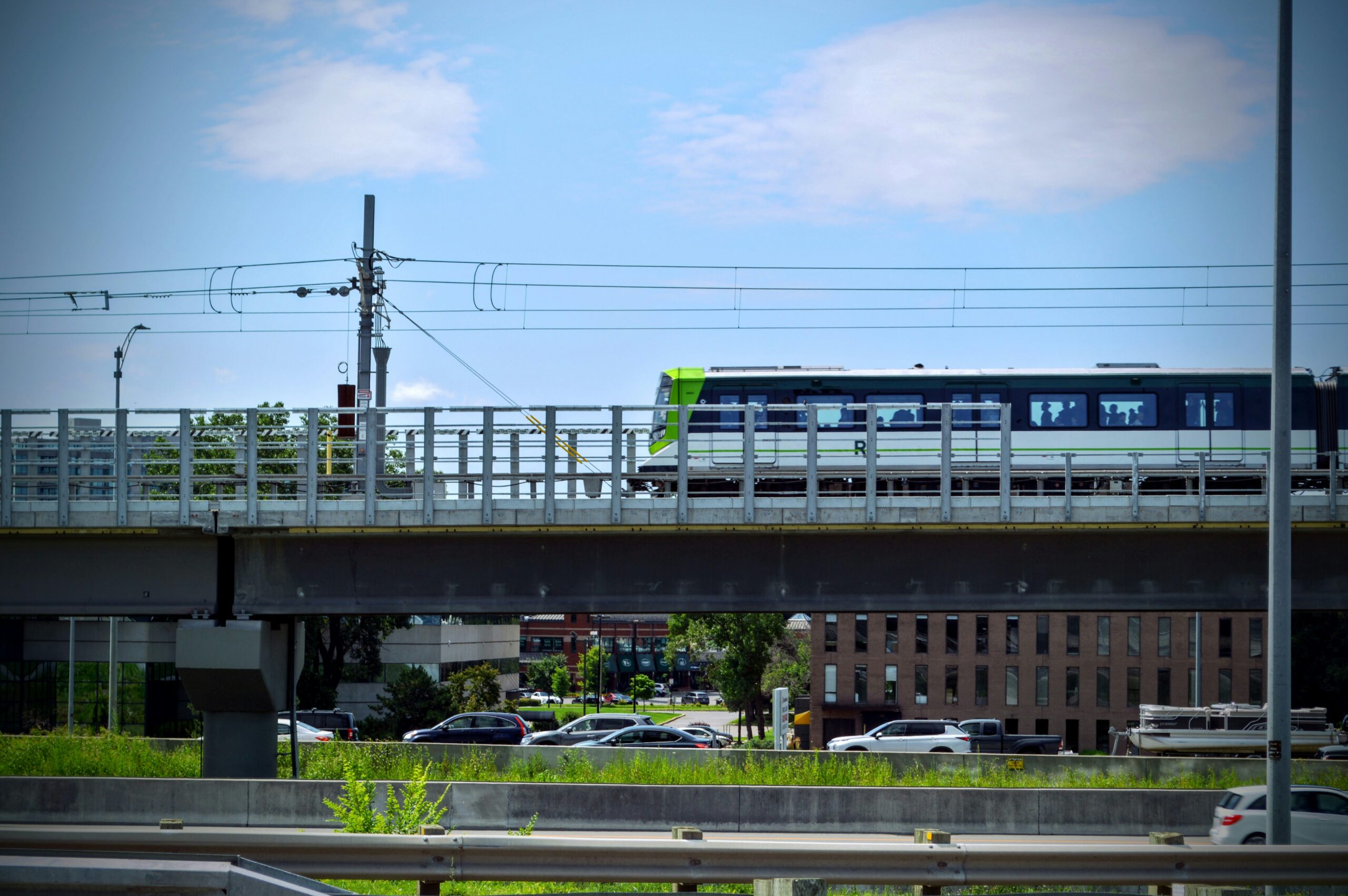
Modern light-rail and tram-style projects aim to balance efficiency, sustainability, and urban impact. These projects often reflect lessons from Montréal’s historic tram network, particularly the value of fixed routes in shaping development.
Bus Rapid Transit (BRT) and Flexibility
BRT networks complement rail infrastructure by providing:
-
Faster, more reliable service than standard buses.
-
Flexible deployment to meet shifting demand patterns.
-
Integration with multimodal transit options, including bikes and pedestrian networks.
Sustainability and Technological Advancements
Modern buses in Montréal are increasingly electric or hybrid, reducing emissions and supporting environmental goals. Transit authorities are also leveraging digital ticketing, GPS tracking, and real-time scheduling, enhancing user experience and operational efficiency.
Policy Implications
Policymakers must balance historical lessons with future needs:
-
Strategic investment in permanent infrastructure to promote urban density.
-
Flexible, adaptable networks to serve changing population centers.
-
Alignment with broader sustainability and economic development objectives.
Chapter 6: Lessons from History for Today’s Urban Mobility
-
Infrastructure Shapes the City: Streetcars anchored development; modern light-rail projects can do the same.
-
Flexibility Matters: Buses provide agility but may not drive concentrated growth.
-
Transit Reflects Societal Priorities: Shifts in technology, funding, and policy determine the evolution of urban mobility.
-
Integration is Key: Combining historical insights with modern technology enables effective multimodal networks.
Conclusion: Montréal’s Transit as a Blueprint for the Future
Montréal’s journey from horse-drawn trams to modern buses illustrates the dynamic interplay between technology, policy, and urban development. While streetcars shaped neighborhoods and commuter culture for nearly a century, buses allowed flexibility for a growing, sprawling metropolis.
Today, as Montréal invests in modern transit solutions like light-rail, tram-style networks, and sustainable buses, lessons from the past remain critical. Understanding how historical transit choices influenced urban form, economic development, and mobility culture can guide decisions that shape the city for generations to come.
Montréal’s public transit history is not merely a tale of vehicles and rails; it is a story of urban evolution, societal priorities, and the ongoing quest for sustainable, efficient mobility.
Source (In French): Radio-Canada


0 Comments