
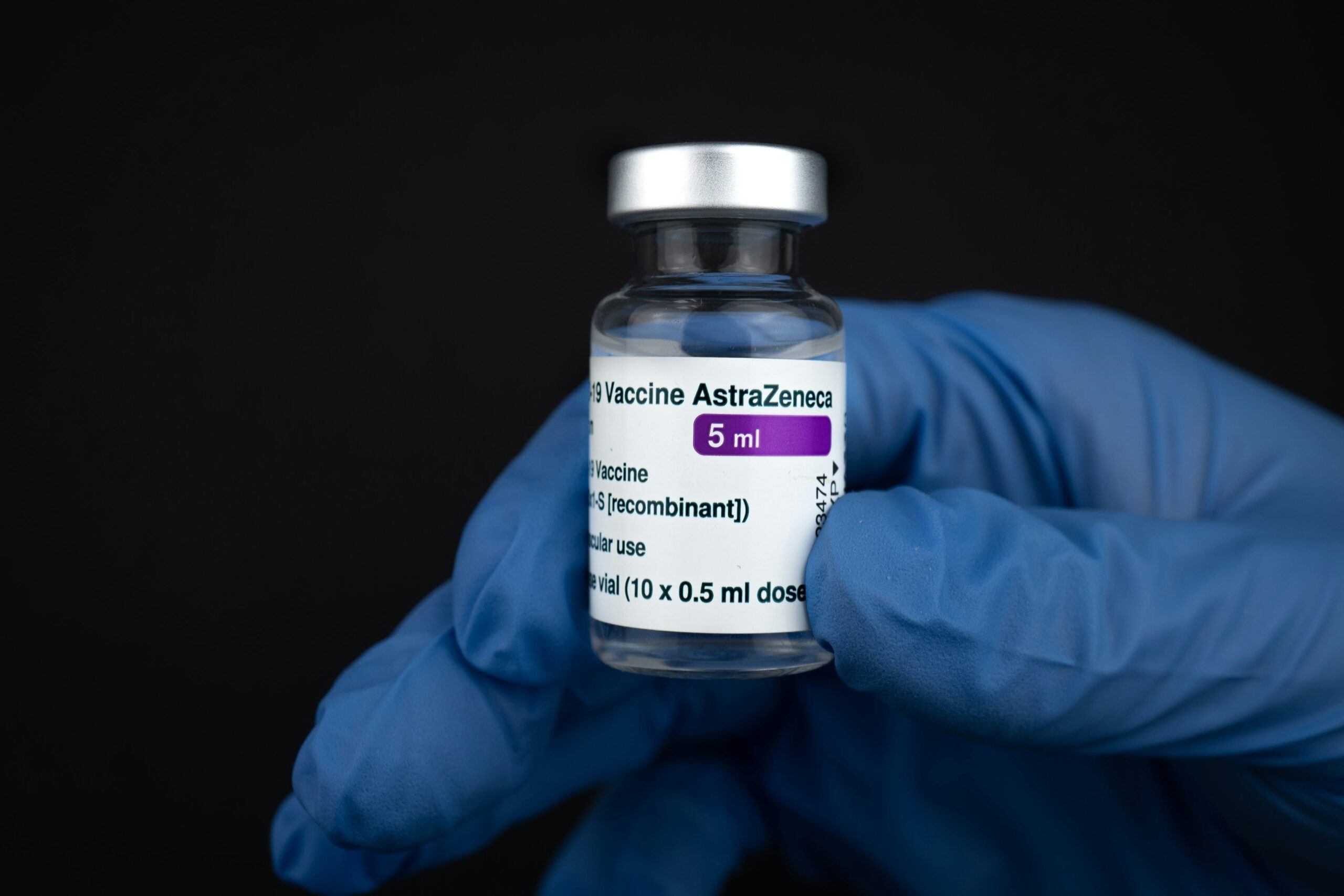
Sanofi agrees to acquire US biotech company Insmed for $41 billion, strengthening its respiratory disease portfolio and long-term pharmaceutical growth strategy.
Focus Keyphrase: Sanofi Insmed acquisition
Additional SEO Keywords: Sanofi $41 billion deal, Insmed acquisition, pharmaceutical mergers and acquisitions, respiratory disease treatments, biotechnology industry, Brinsupri, Arikayce, global pharmaceutical industry.
💊 Sanofi Announces $41 Billion Acquisition of Insmed
French pharmaceutical giant Sanofi has agreed to acquire US-based biotechnology company Insmed in an approximately $41 billion all-cash transaction, marking one of the largest pharmaceutical acquisitions of 2026.
Announced on November 24, the agreement represents a significant expansion of Sanofi's presence in respiratory diseases, immunology and rare medical conditions. The transaction will give Sanofi access to Insmed's commercialized medicines, advanced clinical research programs and biotechnology capabilities.
Under the agreement, Sanofi will pay $175 per share in cash for all outstanding Insmed shares, valuing the transaction at approximately $41 billion, equivalent to €37.6 billion.
The acquisition represents a major strategic investment for Sanofi as pharmaceutical companies increasingly compete to develop innovative treatments, strengthen their research pipelines and secure new sources of long-term revenue.
Both companies' boards of directors have approved the transaction. However, the acquisition remains subject to Insmed shareholder approval, regulatory clearances and other customary closing conditions. Completion is expected during the first half of 2027.
📊 Why Sanofi Is Investing $41 Billion in Insmed
The acquisition reflects Sanofi's ambition to strengthen its pharmaceutical portfolio beyond its existing blockbuster medicines.
Insmed brings two commercialized respiratory treatments and a promising pipeline of experimental therapies targeting serious and often underserved medical conditions.
The acquisition includes:
-
Brinsupri (brensocatib): A treatment for non-cystic fibrosis bronchiectasis (NCFB), a chronic respiratory disease characterized by permanently widened airways and recurring lung infections.
-
Arikayce: An inhaled antibacterial treatment used for certain patients with treatment-refractory Mycobacterium avium complex (MAC) lung disease.
-
TPIP: An experimental inhaled therapy being developed for pulmonary hypertension and fibrotic lung diseases.
These assets could provide Sanofi with additional commercial opportunities across respiratory medicine and rare diseases.
The strategic value extends beyond existing products. Insmed also brings scientific expertise, research capabilities and clinical development programs that could support Sanofi's longer-term innovation strategy.
For Sanofi, acquiring an established biotechnology company with marketed treatments and late-stage research programs offers an opportunity to accelerate portfolio expansion rather than relying exclusively on internally developed medicines.
🫁 Brinsupri: A Major Growth Opportunity in Respiratory Medicine
One of the most important assets included in the acquisition is Brinsupri.
The medication, also known as brensocatib, is a first-in-class treatment targeting neutrophilic inflammation associated with non-cystic fibrosis bronchiectasis.
The disease can cause persistent coughing, mucus production, recurring respiratory infections and progressive lung damage.
Brinsupri is particularly significant because it represents an important treatment option for patients who previously had limited therapeutic alternatives.
According to Insmed, Brinsupri generated approximately $1.09 billion in revenue through September 30, 2026, following its U.S. commercial launch in August 2025.
The medicine is approved in the United States, European Union, United Kingdom and Japan, although approved patient populations and indications vary by jurisdiction.
Its commercial performance provides Sanofi with an established revenue-generating product and an opportunity to expand its international reach.
The acquisition could also strengthen Sanofi's position in the development and commercialization of innovative treatments for chronic respiratory diseases.
🧬 Arikayce Adds Another Commercialized Respiratory Treatment
Another important component of the transaction is Arikayce, an inhaled antibacterial treatment used in combination with other medications for certain adults with MAC lung disease.
Mycobacterium avium complex infections can cause serious and chronic respiratory complications, particularly among vulnerable patients.
Arikayce is specifically indicated for certain treatment-refractory patients and represents an important specialized product within Insmed's commercial portfolio.
The medicine generated approximately $433.8 million in revenue during 2025, representing annual growth of 19%.
In September 2026, the U.S. Food and Drug Administration accepted an application for priority review concerning Arikayce's use in a combination antibacterial treatment regimen for MAC lung disease.
The product provides Sanofi with another established commercial asset and opportunities to expand its respiratory medicine business.
🔬 TPIP Could Become a Long-Term Growth Driver
Beyond its existing products, Insmed brings an advanced experimental treatment known as treprostinil palmitil inhalation powder, or TPIP.
The therapy is being developed as a once-daily inhaled treatment for several serious respiratory and pulmonary conditions.
Its clinical development program includes research targeting:
-
Pulmonary arterial hypertension.
-
Pulmonary hypertension associated with interstitial lung disease.
-
Progressive pulmonary fibrosis.
Insmed also plans to begin a Phase 3 study targeting idiopathic pulmonary fibrosis in the first half of 2027.
If clinical trials demonstrate sufficient safety and effectiveness and regulators approve the treatment, TPIP could become an additional source of pharmaceutical growth for Sanofi beyond 2030.
However, TPIP remains investigational. Its safety and efficacy have not been established, and it is not approved for any indication.
The distinction is important for investors evaluating the acquisition: Sanofi is purchasing both existing commercial revenue and future development opportunities, but the latter carry substantial clinical and regulatory risks.
💰 How the $41 Billion Sanofi-Insmed Transaction Is Structured
The acquisition will be completed through an all-cash transaction.
Under the merger agreement, Insmed shareholders will receive $175 for each outstanding share.
The transaction represents an equity valuation of approximately $41 billion, or €37.6 billion.
Sanofi has arranged financing through a combination of debt and available cash resources, supported by committed financing arrangements.
The company expects the acquisition to become accretive to its business earnings per share by the end of 2028.
Sanofi has also identified annual cost synergies exceeding $500 million in its investor presentation, highlighting the potential financial benefits of integrating the two companies.
The pharmaceutical group says its anticipated cash generation should support relatively rapid debt reduction while maintaining financial flexibility.
Importantly, Sanofi has reiterated its commitment to a progressive dividend policy and expects to preserve a strong credit rating following the acquisition.
The company also indicated that the transaction is not expected to affect its 2026 financial guidance.
📈 What the Acquisition Means for Sanofi's Long-Term Strategy
The acquisition comes at an important moment for Sanofi.
The French pharmaceutical group is working to reinforce its long-term growth prospects and expand its research pipeline.
One major consideration is the future patent protection outlook for Dupixent, its highly successful immunology treatment developed in collaboration with Regeneron.
Dupixent has become one of Sanofi's most important commercial products, accounting for nearly 40% of the company's third-quarter sales, according to The Wall Street Journal.
The expected loss of patent protection in the early 2030s represents a longer-term strategic challenge.
Although the acquisition of Insmed does not directly replace Dupixent's commercial contribution, it provides Sanofi with additional products, research programs and opportunities in different therapeutic categories.
This diversification is particularly important in an industry where pharmaceutical companies must continuously replace aging products with new treatments to maintain revenue growth.
The transaction also demonstrates the continuing importance of acquisitions in the global pharmaceutical sector, particularly as companies seek innovative biotechnology assets and access to specialized research.
🌎 What the Deal Signals for the Global Biotechnology Industry
The $41 billion acquisition highlights the growing strategic importance of biotechnology companies in the international pharmaceutical market.
Smaller and specialized biotechnology businesses often develop innovative treatments for diseases that have historically received less attention from larger pharmaceutical manufacturers.
However, bringing these medicines to international markets requires significant financial resources, regulatory expertise, manufacturing capabilities and commercial distribution networks.
Large pharmaceutical companies can provide these resources while gaining access to promising technologies and established research programs.
For Sanofi, Insmed offers a combination of commercial products and advanced clinical research.
For the broader biotechnology industry, the agreement illustrates how valuable specialized respiratory medicine companies can become when their products demonstrate commercial potential and address significant unmet medical needs.
The transaction could also encourage further consolidation as pharmaceutical companies compete for innovative medicines and late-stage biotechnology assets.
Nevertheless, acquisitions of this size involve considerable financial commitments. The eventual returns depend on successful integration, continued product demand, clinical development outcomes and regulatory decisions.
⚠️ Key Risks and Challenges for Sanofi
Despite the strategic opportunities, the acquisition also carries significant risks.
First, Sanofi must successfully integrate Insmed's operations, employees, research capabilities and commercial infrastructure.
Second, the company is assuming substantial financing obligations. Although Sanofi expects its cash generation to support debt reduction, higher borrowing can limit financial flexibility.
Third, future growth expectations depend partly on the continued commercial success of Brinsupri and Arikayce.
Finally, experimental treatments such as TPIP must successfully navigate clinical trials and regulatory approval processes before generating commercial revenue.
There is no guarantee that every development program will succeed or achieve the sales potential anticipated by management.
Investors will therefore be watching how quickly Sanofi can translate the acquisition into sustainable earnings growth.
🔎 Conclusion: Sanofi Makes a Major Bet on the Future of Respiratory Medicine
Sanofi's agreement to acquire Insmed for $41 billion represents a major strategic move in the global pharmaceutical industry.
The transaction gives the French pharmaceutical company access to Brinsupri and Arikayce, two commercialized respiratory treatments, alongside a promising clinical development pipeline targeting pulmonary hypertension and fibrotic lung diseases.
More importantly, the acquisition reflects Sanofi's broader effort to strengthen its long-term growth prospects, diversify its pharmaceutical portfolio and prepare for future competitive pressures.
The expected first-half 2027 closing will be an important milestone. Following completion, the market will assess whether Sanofi can successfully integrate Insmed and generate the financial and commercial benefits anticipated from the deal.
For the biotechnology industry, the acquisition reinforces the strategic value of specialized companies developing innovative treatments for serious diseases.
Ultimately, the success of this $41 billion investment will depend on commercial execution, scientific progress, regulatory approvals and Sanofi's ability to turn promising medical innovation into sustainable global business growth.
Source Links:
-
The Wall Street Journal – Sanofi Strikes $41 Billion Deal to Buy U.S. Drugmaker Insmed
-
Sanofi – Official Acquisition Announcement, November 24, 2026
Disclaimer: This article is intended for informational and educational purposes only. It does not constitute financial, investment or medical advice.




0 Comments