
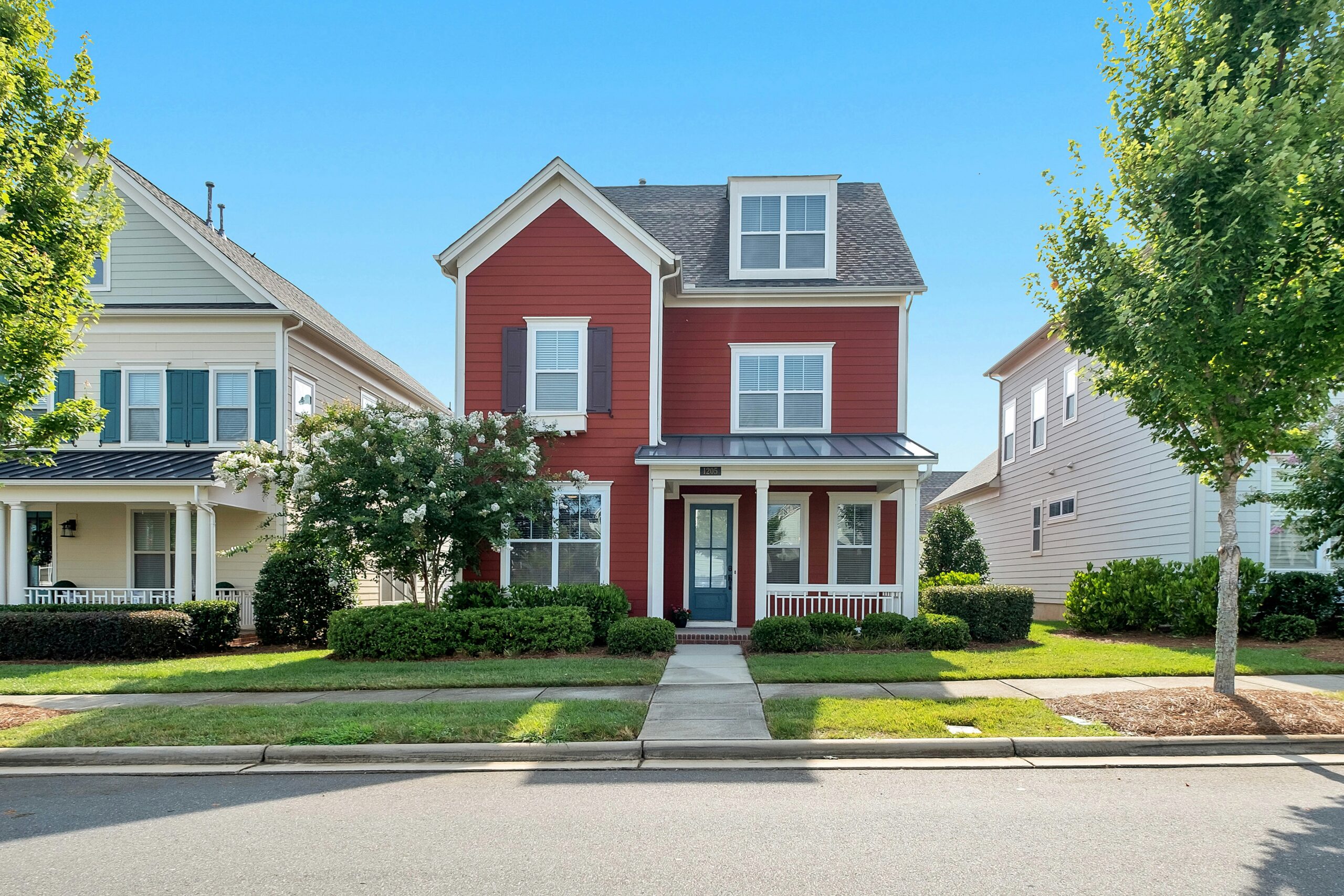
Anthropic's multitrillion-dollar IPO is creating new millionaires and intensifying San Francisco's housing boom, driving luxury property prices higher and raising affordability concerns.
Focus Keyphrase: San Francisco housing market
Secondary Keywords: Anthropic IPO, AI millionaires, San Francisco home prices, artificial intelligence boom, Silicon Valley real estate, luxury housing market, technology wealth.
Article Category: Business / Real Estate / Technology
Suggested Tags: San Francisco, Anthropic, Artificial Intelligence, Real Estate, Housing Market, Silicon Valley, IPO, Luxury Homes, Technology Industry, US Economy
Anthropic's AI Millionaires Fuel San Francisco's Housing Boom as Property Prices Surge
The artificial intelligence revolution is transforming more than the technology industry. In San Francisco, the enormous wealth generated by AI companies is increasingly influencing the residential real estate market, creating new competition for luxury properties and raising concerns about housing affordability.
The anticipated wealth generated by Anthropic's record-breaking initial public offering (IPO) is adding another powerful dimension to an already competitive housing market. Thousands of current and former employees could become multimillionaires, potentially increasing demand for expensive properties across San Francisco and Silicon Valley.
For a city that has experienced dramatic economic changes over the past decade, the latest AI-driven wealth creation could represent another major turning point.
According to reporting by The Wall Street Journal , San Francisco's median single-family home price has already climbed approximately 29% year over year to $2.39 million. The arrival of additional technology wealth could intensify competition, particularly in neighborhoods where housing supply remains limited.
The developments illustrate how financial success in the artificial intelligence industry can quickly influence other parts of the economy, including property markets, household wealth and the cost of living.
1. Anthropic's IPO Creates a New Generation of Technology Millionaires
Anthropic has emerged as one of the most influential companies in the global artificial intelligence industry, competing in an increasingly valuable market for advanced AI models, enterprise software and computing infrastructure.
Its anticipated stock market debut represents a significant financial event for the company and its employees.
An IPO can transform employee stock ownership into substantial personal wealth. Engineers, executives and early employees who received equity compensation may suddenly have access to financial resources that were previously difficult to convert into cash.
For some employees, the opportunity to sell shares after a public listing could provide the capital needed to purchase expensive homes without relying entirely on traditional mortgage financing.
Other employees may use their stock holdings as collateral for loans, allowing them to access liquidity while maintaining exposure to their company's future performance.
This financial flexibility can fundamentally change purchasing decisions in an already expensive housing market.
Instead of competing through conventional mortgage financing, wealthy technology professionals may be able to make larger payments down, offer cash or increase their budgets to secure desirable properties.
The consequences extend beyond the employees directly benefiting from the IPO. Other wealthy buyers may also accelerate their property searches, anticipating that additional competition could push prices higher.
2. San Francisco’s Luxury Housing Market Faces Intensifying Competition
San Francisco has long been one of America's most expensive residential property markets. Its concentration of technology companies, venture capital investors, highly compensated professionals and wealthy entrepreneurs has supported premium property valuations for years.
However, the latest AI boom is introducing another significant source of purchasing power.
According to the figures highlighted in the WSJ report, the city's median single-family home price has reached approximately $2.39 million, representing a 29% annual increase.
Such rapid appreciation demonstrates the strength of demand in a market where desirable properties are relatively scarce.
Luxury neighborhoods are particularly exposed to competition from wealthy technology professionals seeking larger homes, attractive locations and proximity to Silicon Valley's business ecosystem.
Some buyers may also view residential property as a long-term investment, particularly when they expect the technology industry to continue expanding.
The result is a market in which financial resources can become a decisive competitive advantage.
For sellers, the environment creates opportunities to achieve higher prices. For buyers without substantial equity or access to large amounts of cash, however, entering the market becomes increasingly difficult.
3. Why AI Wealth Could Push Property Prices Even Higher
The relationship between technology wealth and housing prices is not new.
During earlier periods of Silicon Valley expansion, employees of successful companies such as Google and Facebook benefited from valuable stock compensation and growing personal fortunes.
Those wealth effects contributed to demand for expensive homes throughout the San Francisco Bay Area.
The current artificial intelligence boom could reproduce some of those dynamics on a potentially larger scale.
Several factors explain why:
-
Employee stock compensation: Valuable company shares can give technology workers substantial purchasing power.
-
IPO liquidity: Public listings can create opportunities to convert private-company equity into accessible wealth.
-
Cash purchases: Buyers with significant financial resources can reduce their dependence on mortgage financing.
-
Investment demand: Wealthy individuals may purchase residential properties as long-term investments.
-
Competition between buyers: Expectations of future price increases can encourage households to make offers sooner.
Importantly, the impact is not necessarily limited to multimillion-dollar properties.
When affluent buyers compete for premium homes, demand can move into other neighborhoods as buyers search for alternatives. This can gradually increase competition across a wider range of properties.
That dynamic creates particular challenges for middle-income households already struggling with the high cost of homeownership.
4. The Housing Affordability Crisis Could Spread Beyond Wealthy Neighborhoods
One of the most significant economic questions is whether the AI-driven property boom will remain concentrated in the luxury segment or eventually affect more ordinary residential neighborhoods.
The evidence suggests that the effects could extend across the wider Bay Area.
A November 2026 analysis by The San Francisco Chronicle reported that luxury home prices in San Francisco and San Mateo counties had increased substantially. The median price for luxury properties reached nearly $7.5 million between July and September 2026, approximately 23% higher than the same period a year earlier.
The publication also highlighted rising prices in the broader housing market, suggesting that the AI wealth effect may not be restricted to the wealthiest buyers.
San Francisco Chronicle
This creates a potential displacement effect.
Households unable to compete in San Francisco may consider relocating to Oakland, other East Bay communities or more distant suburbs. However, if demand shifts toward these locations, affordability pressures could spread geographically.
The consequences could affect:
-
First-time homebuyers entering the property market.
-
Families searching for larger homes.
-
Healthcare professionals and other essential workers.
-
Teachers and public-sector employees.
-
Middle-income households seeking to remain in the Bay Area.
The housing market therefore becomes an important economic and social issue, not simply an investment opportunity for wealthy technology professionals.
5. Larger Down Payments Reveal the Influence of AI Wealth
Another indication of the AI boom's influence is the changing financial behavior of homebuyers.
A November 19, 2026 analysis published by Realtor.com examined mortgage down payments across major technology markets.
The research found that the median down payment in San Francisco, San Mateo and Santa Clara counties increased from approximately 20.4% during 2020–2022 to 25% during 2024–2026.
In comparison, the median remained around 20% in several surrounding Bay Area counties.
The research estimated that this difference represents approximately $61,180 in additional down payment on a median $1.33 million property in the AI-hub counties.
The findings suggest that the concentration of technology-related wealth may be influencing how buyers finance residential purchases.
Realtor
This distinction matters because larger down payments can give wealthy buyers a competitive advantage.
They may need smaller mortgages, face less exposure to borrowing costs and have greater flexibility when negotiating property transactions.
For buyers relying on conventional financing, competing against households with substantial liquid assets can become increasingly difficult.
6. San Francisco Could Experience Another Silicon Valley Wealth Cycle
The current developments bring back memories of previous technology-driven economic expansions.
The dot-com boom transformed San Francisco and Silicon Valley during the late 1990s. The expansion of internet companies attracted investors, entrepreneurs and highly skilled professionals, contributing to substantial changes in the regional economy.
Later, the growth of Google, Facebook and other major technology businesses generated additional wealth and increased demand for housing.
Artificial intelligence could represent the next chapter in this transformation.
However, the scale and speed of the current investment cycle introduce additional uncertainty.
AI companies are attracting enormous capital, competing for specialized employees and investing heavily in computing infrastructure. Their valuations increasingly influence investor expectations about the future of the technology sector.
If the industry continues expanding, employees and investors could accumulate additional wealth, supporting further demand for premium residential properties.
However, if company valuations decline or the AI investment cycle slows, some of that purchasing power could disappear.
This makes the current housing boom particularly dependent on the financial performance and long-term prospects of the technology industry.
7. What Happens If the AI Stock Market Boom Reverses?
Despite the apparent strength of the San Francisco property market, the AI wealth effect also creates potential risks.
Technology stocks can experience significant volatility. Private-company valuations, employee stock compensation and expectations surrounding future IPOs are not guaranteed sources of permanent wealth.
If AI companies encounter weaker growth, increased competition or disappointing financial results, employee equity could lose value.
That could affect purchasing decisions, particularly among households whose financial plans depend heavily on company shares.
There is also a broader economic risk.
San Francisco's property market has benefited from the concentration of high-paying technology jobs. If the industry experiences a major slowdown, housing demand could weaken, especially in neighborhoods where valuations have increased rapidly.
Nevertheless, the city's long-term economic attractiveness extends beyond artificial intelligence. Its established technology ecosystem, universities, financial networks, international business connections and cultural appeal continue to support demand.
The central question is whether the current property appreciation reflects sustainable economic growth or excessive optimism about the future of AI.
8. International Implications: AI Wealth Is Reshaping the Global Property Market
San Francisco's experience also raises broader questions about the relationship between technological innovation and international real estate markets.
Artificial intelligence is attracting investment from around the world. Major technology companies, venture capital funds and institutional investors are competing to establish positions in an industry expected to influence productivity, employment and economic growth.
As AI companies create new fortunes, wealthy professionals may increasingly concentrate their investments in major international business centers.
Cities such as New York, London, Singapore and other global financial hubs could experience similar pressures when technology investment generates substantial local wealth.
For international investors, the San Francisco housing market offers an example of how technological innovation can influence property valuations beyond the traditional technology sector.
However, real estate investors should distinguish between long-term structural demand and temporary enthusiasm surrounding private-company valuations and IPO activity.
The sustainability of property prices will ultimately depend on employment growth, housing supply, financing conditions, household incomes and the broader economic environment.
Conclusion: Artificial Intelligence Is Becoming a Powerful Force in Real Estate
Anthropic's anticipated IPO highlights how the artificial intelligence revolution is changing the distribution of wealth in the United States.
For thousands of current and former employees, company shares could become the foundation of substantial personal fortunes. For San Francisco's residential property market, that wealth represents another source of demand in an environment already characterized by expensive homes and limited housing availability.
The immediate beneficiaries may include property owners, real estate investors and sellers positioned to capitalize on increased competition.
But the broader economic consequences are more complicated.
Rising property prices could make home ownership increasingly difficult for middle-income families, essential workers and first-time buyers. The effects could also spread into surrounding communities as households search for more affordable alternatives.
Ultimately, San Francisco's housing market illustrates an important economic reality: technological innovation does not operate in isolation. The wealth generated by artificial intelligence can influence employment, investment, financial markets and the cost of living.
As the AI industry continues to evolve, the relationship between technology wealth and residential real estate will remain an important indicator of how the next generation of economic growth is reshaping American cities.
Frequently Asked Questions (FAQ)
1. Why are AI companies influencing San Francisco home prices?
AI companies are creating substantial wealth through employee stock compensation, private investments and IPOs. Employees who gain access to valuable shares may have greater purchasing power when buying residential properties.
2. How much does a typical single-family home cost in San Francisco?
According to the WSJ report, the median single-family home price reached approximately $2.39 million, representing a 29% annual increase.
3. How could Anthropic's IPO affect the housing market?
An IPO could allow current and former employees to convert company shares into liquid wealth. Some may use that money to purchase expensive homes, potentially increasing competition and property prices.
4. Could AI-driven housing inflation affect surrounding cities?
Yes. Buyers priced out of San Francisco may relocate to Oakland, other East Bay communities and surrounding suburbs, potentially increasing housing demand in those markets.
5. Is the San Francisco housing boom sustainable?
Its sustainability depends on AI industry growth, employment, investment, housing supply, interest rates and the broader economy. A significant decline in technology evaluations could weaken demand.
6. What does the AI housing boom mean for international investors?
It demonstrates how technological innovation can generate wealth that flows into residential real estate. However, investors should consider valuation risks, financing costs and local housing-market fundamentals.
Sources and Further Reading
Editorial note: This article is an independent news analysis based on the cited reporting and research. Figures and market conditions reflect the reporting available as of November 24, 2026. It does not constitute financial or real estate investment advice.




0 Comments