
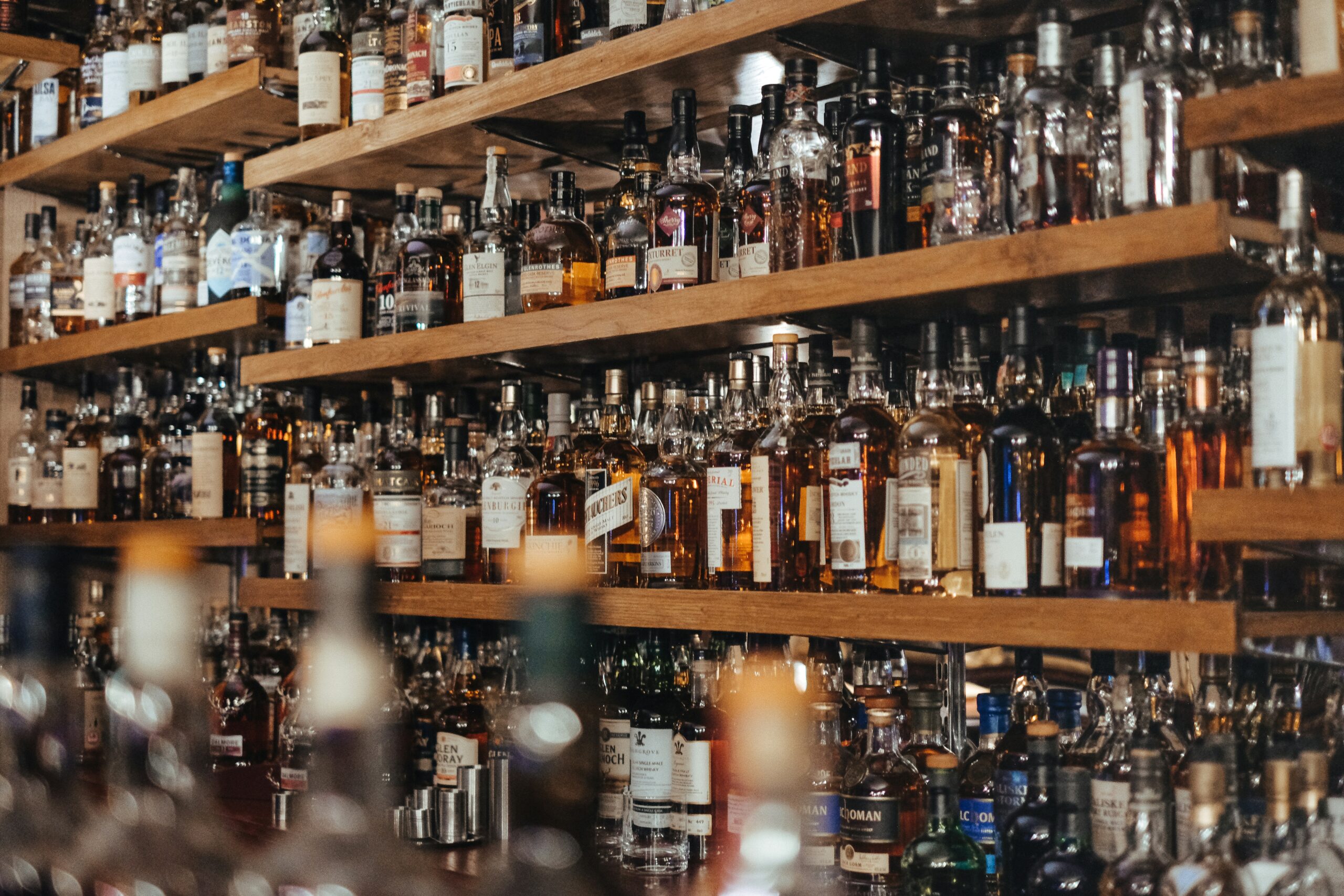
US craft breweries are facing declining beer consumption, rising costs and changing consumer preferences. Discover how breweries are adapting through nonalcoholic beer, new beverages and community experiences.
Focus Keyphrase: craft breweries changing consumer tastes
Tags: Craft Beer, Brewing Industry, Beer Market, Nonalcoholic Beer, US Economy, Consumer Trends, Small Businesses, Food and Beverage Industry
The Craft Beer Industry Enters a New Era of Competition
The American craft beer industry is undergoing a significant transformation as breweries confront changing consumer preferences, declining alcohol consumption and increasing pressure on operating costs. After experiencing extraordinary growth throughout the 2010s, independent breweries are now competing in a much more challenging environment.
For years, craft beer benefited from consumers seeking alternatives to traditional mass-market lagers. Hazy IPAs, experimental flavors and locally produced beers attracted younger customers and encouraged entrepreneurs to establish independent breweries across the United States.
However, the market that supported this expansion has changed. Younger generations are approaching alcohol differently, established consumers are moderating their drinking habits, and businesses are facing higher production costs.
As a result, breweries are increasingly experimenting with new products, expanding their entertainment offerings and transforming their establishments into community gathering places.
The shift illustrates a broader development in the American consumer economy: businesses can no longer depend exclusively on the preferences that made them successful in the past.
From the Craft Beer Boom to a More Difficult Market
During the 2010s, American craft brewing experienced remarkable expansion.
According to the Brewers Association, the number of breweries in the United States increased from approximately 2,000 to around 10,000 during that decade.
Independent breweries benefited from growing interest in locally produced beverages, distinctive flavors and more specialized drinking experiences.
Millennials played an important role in this expansion. Many consumers became interested in stronger, hoppier beers, particularly India Pale Ales (IPAs), creating opportunities for smaller producers to compete with major international beverage companies.
For entrepreneurs, opening a brewery became an attractive business opportunity.
However, rapid expansion also created a more competitive market. As more breweries entered the industry, businesses increasingly competed for customers, distribution agreements, retail shelf space and access to restaurants.
The COVID-19 pandemic intensified these difficulties.
Temporary closures of brewery taprooms and restaurants disrupted traditional sales channels. Businesses also experienced higher costs for ingredients, packaging, transportation and other operating expenses.
When the market reopened, many breweries discovered that consumer demand had changed.
The industry had entered a different economic environment, where simply opening a brewery and offering craft beer was no longer enough to guarantee commercial success.
Younger Consumers Are Changing Their Relationship With Alcohol
One of the most important challenges facing craft breweries is the changing relationship between younger generations and alcoholic beverages.
Generation Z consumers have demonstrated different preferences compared with previous generations of beer drinkers. Some are more interested in wellness, moderation and lower-alcohol alternatives.
This creates difficulties for breweries whose traditional business models depend on selling higher-alcohol craft beers.
Meanwhile, established consumers are also changing their habits. Some millennials who helped drive the craft beer boom are now drinking less frequently as their lifestyles and financial responsibilities evolve.
These developments are forcing breweries to reconsider their product strategies.
Instead of focusing exclusively on traditional IPAs and stronger beers, producers are experimenting with fruit-flavored beverages, lighter products, hard seltzers and nonalcoholic alternatives.
Some businesses are also exploring canned cocktails and other ready-to-drink beverages to attract customers who might not otherwise purchase craft beer.
The objective is not necessarily to abandon traditional brewing. Rather, breweries are attempting to diversify their revenue sources while maintaining their existing customer base.
Nonalcoholic Beer Creates a New Business Opportunity
One of the most important opportunities emerging from changing drinking habits is the expansion of nonalcoholic beer.
For beverage manufacturers, alcohol-free products offer access to consumers who want the taste and social experience associated with beer without consuming alcohol.
The category is also attracting customers who occasionally alternate between alcoholic and nonalcoholic beverages.
Recent industry data indicate that this is becoming a commercially important segment.
According to NielsenIQ figures reported in November 2026, nonalcoholic beer volume increased 7.5% in the four weeks ending October 31 compared with the same period a year earlier. Craft beer volume, by comparison, declined 5.6%.
Dollar sales of nonalcoholic beer increased 8.9%, while craft beer sales declined 4.1%.
Vinetur
These figures demonstrate the growing contrast between traditional craft beer and alcohol-free alternatives.
For independent breweries, however, entering this market requires investment in production methods, product development, packaging and marketing.
Competition is also increasing as larger beverage companies expand their nonalcoholic portfolios.
Nevertheless, the category offers an opportunity to reach consumers who might otherwise reduce their beer purchases.
Breweries Are Becoming Community Entertainment Destinations
Product innovation is only one part of the industry's transformation.
Another important strategy involves changing the role of the brewery itself.
Traditionally, many craft breweries focused on producing beer and operating taprooms where customers could purchase beverages directly.
Today, some establishments are developing broader entertainment experiences.
Activities include:
-
Live music performances and cultural events.
-
Trivia competitions and bingo nights.
-
Board games and gaming communities.
-
Yoga classes and wellness activities.
-
Science lectures and educational presentations.
-
Arts and crafts markets.
-
Food festivals and outdoor gatherings.
A report by New England Public Media, distributed through NPR, highlighted breweries in western Massachusetts that are adopting these strategies.
Abandoned Building Brewery in Easthampton, for example, has expanded its activities beyond traditional beer service by hosting science lectures, songwriter showcases, comedy events and community markets.
Other breweries are attracting customers through gaming events and social activities.
These developments demonstrate how local businesses can create additional reasons for customers to visit, even when purchasing beer is not their primary motivation.
For some consumers, the brewery is becoming a neighborhood social destination rather than simply a place to drink.
This strategy could become increasingly important as businesses compete with restaurants, entertainment venues and other leisure activities.
Rising Costs Create Additional Pressure for Independent Brewers
Despite their efforts to innovate, smaller breweries continue to face significant financial challenges.
Production requires ingredients, equipment, electricity, water, packaging, transportation and skilled employees.
When these expenses increase, businesses must decide whether to absorb the additional costs or pass some of them on to customers.
Independent breweries generally have fewer financial resources than major beverage manufacturers.
Large companies can benefit from economies of scale, extensive distribution networks and larger marketing budgets. Smaller producers often depend heavily on local customers and direct taproom sales.
This makes their businesses particularly vulnerable to declining demand.
Some breweries have responded by increasing prices, reducing expenses or introducing additional revenue-generating activities.
However, higher prices can also discourage customers who are becoming more selective about discretionary spending.
The challenge is finding a balance between maintaining profitability and preserving the affordability that helped independent breweries build loyal communities.
A Broader Transformation in the Beverage Industry
The difficulties facing American craft breweries are part of a larger transformation affecting the global beverage market.
Consumers increasingly have access to alternatives that compete directly with traditional beer.
These include nonalcoholic beverages, flavored sparkling drinks, ready-to-drink cocktails and other products designed around convenience and changing lifestyle preferences.
Major beverage manufacturers are also responding by expanding beyond their traditional portfolios.
For smaller breweries, this creates both opportunities and competitive threats.
Companies that successfully identify emerging consumer preferences may find new sources of growth. However, businesses that invest heavily in unfamiliar categories without understanding their customers could stretch their financial and operational resources.
The most successful independent breweries may therefore be those that combine product innovation with a strong local identity.
Their competitive advantage could come not only from the beverages they produce but also from the relationships they establish with customers and their surrounding communities.
What the Future Holds for American Craft Breweries
The American craft beer industry is unlikely to return to the extraordinary expansion experienced during the 2010s.
Instead, the coming years could bring a more selective market in which businesses must demonstrate stronger financial discipline, distinctive products and a clear understanding of consumer behavior.
Nonalcoholic beer, lighter beverages and alternative drinks may become increasingly important parts of brewery portfolios.
At the same time, taprooms could continue evolving into multifunctional entertainment spaces that attract visitors through activities, food and community events.
This transformation will not eliminate the importance of traditional craft beer. Many consumers remain passionate about independent brewing, distinctive flavors and locally produced beverages.
However, the industry must recognize that consumer expectations are changing.
For independent breweries, the challenge is no longer simply producing a better IPA. It is building a sustainable business around a new generation of customers and a different drinking culture.
Ultimately, the breweries that successfully combine quality, innovation, community engagement and financial sustainability may be best positioned to survive the next chapter of the American craft beer industry.
Frequently Asked Questions (FAQ)
1. Why are American craft breweries struggling?
Many breweries are facing declining demand, higher operating expenses, increased competition and changing consumer preferences. The rapid expansion of the industry during the 2010s also created a more crowded marketplace.
2. Why are younger consumers drinking less beer?
Some younger consumers prioritize wellness, moderation and alternative recreational activities. Their preferences are encouraging beverage manufacturers to develop lower-alcohol and nonalcoholic products.
3. Is nonalcoholic beer becoming more popular?
Yes. Recent NielsenIQ figures for the four weeks ending October 31, 2026, showed nonalcoholic beer volume increasing 7.5% year over year in U.S. retail channels.
4. How are craft breweries attracting customers?
Breweries are introducing new beverages, hosting live entertainment, organizing community activities and developing food and social experiences beyond traditional beer service.
5. Can independent breweries survive the changing market?
Yes, although success increasingly depends on adapting to consumer demand, controlling costs, developing distinctive products and building strong customer relationships.
Sources and Further Reading
Editorial note: The craft beer industry's transformation is an important business story because it reflects broader changes in consumer spending, health-conscious lifestyles, entrepreneurship and competition. Independent breweries are increasingly required to rethink their business models rather than rely on the growth patterns of the previous decade.
Financial disclaimer: This article is for informational and educational purposes only and does not constitute investment advice.




0 Comments