
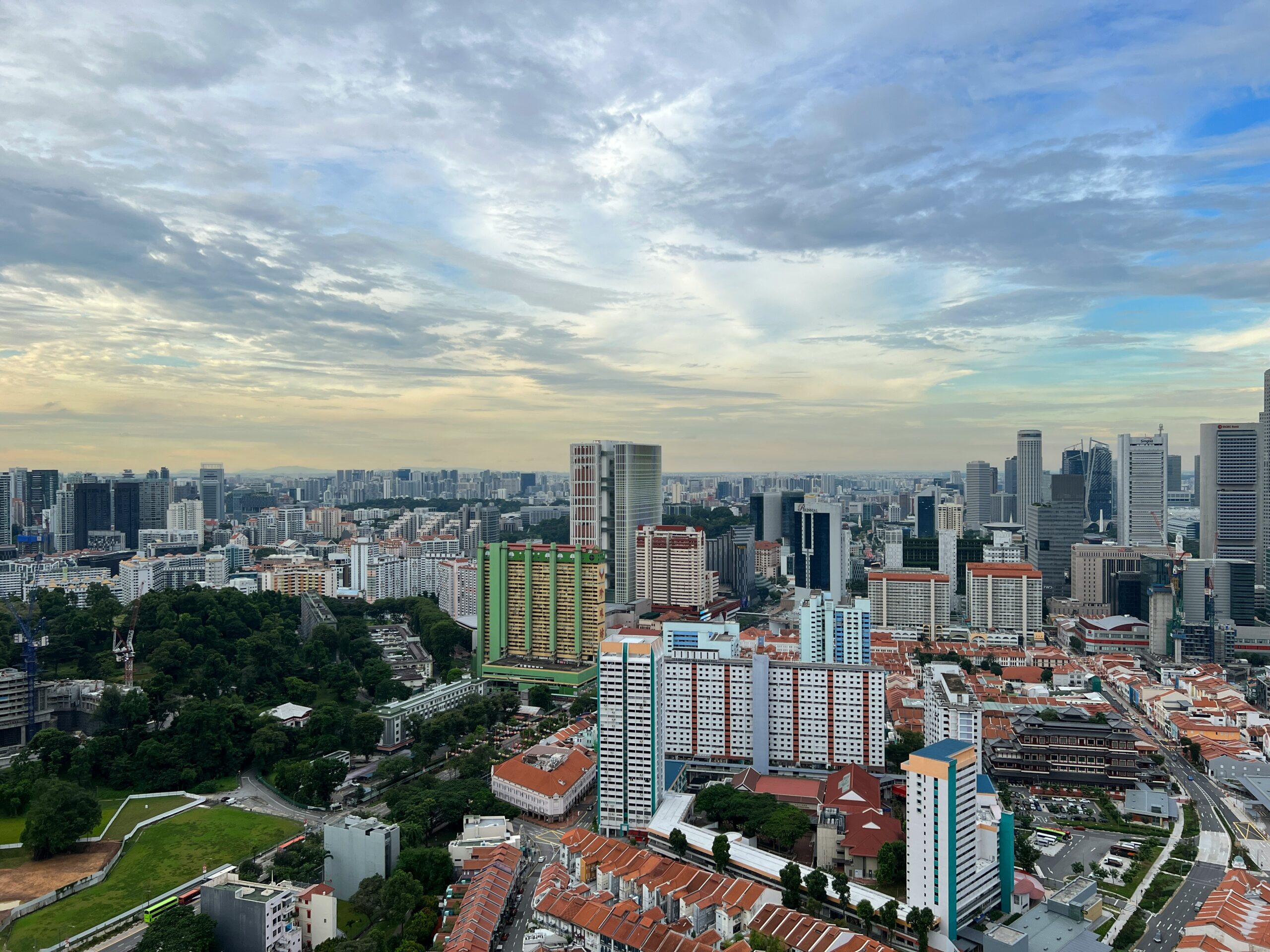
India's Dharavi redevelopment faces growing resistance as Mumbai residents demand housing transparency and protection. Construction of 10,432 rehabilitation homes has begun.
Focus Keyphrase: Dharavi redevelopment 2026
Secondary Keywords: Dharavi redevelopment latest news, Mumbai housing project, Adani Group India, Dharavi residents protest, India urban development, Mumbai real estate, slum redevelopment India.
Introduction: India's Dharavi Redevelopment Faces New Challenges
India's ambitious plan to transform Dharavi, one of Mumbai's most densely populated informal settlements, is entering a critical phase. While construction of thousands of rehabilitation apartments has officially begun, questions about housing eligibility, transparency and residents' rights are creating new tensions.
The latest developments highlight a growing divide between the ambitions of the Maharashtra government and the concerns of communities facing major changes to their homes and neighborhoods.
On November 19, 2026, approximately 200 residents of Shahunagar in Mumbai reportedly walked out of a redevelopment information meeting organized by Adani Navbharat Developers. They demanded clearer explanations about relocation arrangements, the project's master plan and the future of their existing residential area.
The development comes just weeks after construction began on a major rehabilitation project designed to provide more than 10,000 apartments for eligible Dharavi residents.
The situation illustrates the complexity of India's urban transformation strategy: modernizing infrastructure while ensuring that existing communities are not left behind.
For Mumbai, the Dharavi redevelopment project is becoming an important test of housing policy, private-sector investment and social inclusion.
Mumbai news +1
1. November 2026: Around 200 Residents Walk Out of Redevelopment Meeting
One of the most significant recent developments occurred in Shahunagar, where approximately 200 residents reportedly left an awareness and assistance camp on November 18.
The meeting was organized to explain the Permanent Alternate Accommodation Agreement (PAAA), which concerns the arrangements for residents affected by redevelopment.
However, participants expressed dissatisfaction with the information provided.
Their questions included:
-
Where exactly will residents be relocated?
-
What will the new residential buildings look like?
-
How will existing homes be assessed?
-
What will happen to the land currently occupied by their community?
-
Why are residents being offered accommodation arrangements they consider inadequate?
The dispute is particularly sensitive because Shahunagar residents argue that their neighborhood should not simply be treated like a conventional slum redevelopment area.
According to the Hindustan Times report, the community includes 876 families seeking larger replacement apartments and assurances that their existing neighborhood's facilities will be protected.
Residents also expressed concerns about the proposed concentration of housing on a much smaller portion of their current 13-acre site.
Adani Navbharat Developers disputed the suggestion that residents' concerns had been ignored, saying discussions and meetings had taken place to explain the redevelopment process.
The disagreement demonstrates that providing replacement apartments is only one part of the challenge. Residents also want clarity about their future living environment and the decisions affecting their community.
Mumbai news
2. New Housing Commitments: Some Residents Could Receive Larger Apartments
An important development concerns the housing arrangements for occupants of certain government-owned properties in Dharavi.
According to the November 19 report, a Maharashtra government notification dated October 27, 2026, provides eligible occupants of renewal properties with permanent rehabilitation apartments measuring at least 500 square feet or 1.35 times their existing carpet area, whichever is greater.
This is a significant distinction from the standard rehabilitation arrangement for eligible residential households, which provides 350-square-foot apartments.
The developer has indicated that permanent replacement homes for these particular occupants will be provided within the same area within five years of the project's commencement.
However, Shahunagar residents are seeking larger apartments and have questioned whether the proposed arrangements adequately reflect their existing housing conditions.
The disagreement highlights the importance of distinguishing between different categories of residents and their respective rehabilitation entitlements.
It also demonstrates why housing eligibility and apartment size remain major political and social issues in the redevelopment process.
Mumbai news
3. Construction Begins: 10,432 Rehabilitation Apartments Planned
Despite growing disagreements, the project has reached an important construction milestone.
On October 12, 2026, Adani Enterprises director Pranav Adani participated in a groundbreaking ceremony at the 22-acre Matunga railway land site, officially marking the beginning of rehabilitation housing construction.
The development includes:
-
10 residential towers.
-
10,432 rehabilitation apartments.
-
1,379 commercial and industrial units.
-
Residential towers ranging from 37 to 39 stores.
-
Community facilities, gardens and other shared amenities.
The first five towers are scheduled for handover by March 2029, followed by two towers in August 2029 and the final three in August 2030.
The first homes will primarily accommodate eligible residents from Dharavi's Sectors 6 and 1, followed by approximately 4,500 apartments for other eligible residents.
The developer has also committed to maintaining the buildings and shared infrastructure for the first 10 years following handover.
Ten percent of the commercial space in each rehabilitation building is intended to generate revenue for maintaining common infrastructure.
Adani +1
4. Relocation Outside Dharavi Raises Further Questions
Not every household will necessarily receive accommodation within the original Dharavi neighborhood.
The redevelopment framework includes alternative housing arrangements for certain residents who do not qualify for in-situ rehabilitation.
In February 2026, Maharashtra handed over 118 acres of land at Mukteshwar in Malad-Malvani for rehabilitation housing.
The site is intended to accommodate certain residents who cannot receive replacement housing within Dharavi, including qualifying upper-floor occupants and people who settled in the neighborhood after January 1, 2011, but before November 15, 2022.
This creates another important dimension of the redevelopment debate.
Relocation could provide residents with modern housing, but moving away from Dharavi could disrupt access to employment, customers, schools and established community networks.
For small business owners and informal workers, geographical distance can have direct economic consequences.
The challenge will be ensuring that alternative housing offers more than an apartment. It must also provide access to transportation, employment opportunities and essential services.
5. New Rules Could Change How Residents Transfer Their Apartments
Another important policy development emerged in September 2026.
The Maharashtra government proposed changes to the rules governing the sale, lease and transfer of rehabilitation apartments under the Dharavi redevelopment scheme.
Previously, apartments allocated through the scheme were subject to a 10-year restriction on sale, leasing or transfer, with an exception for legal heirs.
The proposed changes would instead apply restrictions under the Maharashtra Rent Control Act until a cooperative housing society is established, followed by provisions under the Maharashtra Cooperative Societies Act.
The proposal also addresses apartment size variations, road-width regulations and parking requirements.
Importantly, the September announcement was a proposal submitted for public consultation, not confirmation that the new rules had already taken effect.
The changes matter because housing ownership and the ability to transfer property can influence the long-term financial security of residents.
For households receiving replacement apartments, the rules will determine how much flexibility they have over their new property.
Mumbai News - The Indian Express
6. Adani Group and the Economics of India’s Largest Urban Renewal Ambitions
The involvement of the Adani Group makes Dharavi one of India's most closely watched private-sector urban development initiatives.
The redevelopment is intended to create a mixed-use district combining residential buildings, commercial facilities, transportation connections and public infrastructure.
For the developer, the project represents a major opportunity to participate in the transformation of strategically located land in Mumbai.
For the Maharashtra government, it offers an opportunity to address longstanding housing and infrastructure challenges while attracting private investment.
However, the economic success of the project will depend on more than construction progress.
Several factors will determine its long-term performance:
-
Whether rehabilitation commitments are fulfilled.
-
Whether residents receive housing according to their eligibility.
-
Whether small businesses can continue operating.
-
Whether infrastructure is delivered on schedule.
-
Whether new commercial facilities remain affordable.
-
Whether the project creates sustainable employment opportunities.
The redevelopment also raises questions about the relationship between private investment and public accountability.
Large-scale urban projects require transparent governance, particularly when they involve communities with limited financial resources and significant dependence on local economic networks.
7. What Happens to Dharavi’s Small Businesses?
One of the most important issues remains the future of Dharavi's informal economy.
The neighborhood has developed an extensive network of small businesses, including leather workshops, garment manufacturers, pottery operations, recycling facilities and retail establishments.
These activities provide employment and income for thousands of people.
Redevelopment could improve working conditions through better facilities, organized commercial spaces and modern infrastructure.
However, relocating businesses or increasing operating expenses could make it difficult for smaller entrepreneurs to survive.
A successful redevelopment strategy should therefore provide practical solutions for existing businesses.
Affordable commercial premises, appropriate industrial facilities and reasonable relocation arrangements will be essential.
Without these measures, the project risks weakening the economic ecosystem that makes Dharavi an important part of Mumbai's urban economy.
8. What Investors and International Observers Should Watch
Dharavi's transformation has implications beyond Mumbai.
For international investors, urban planners and policymakers, the project provides an opportunity to observe how India manages large-scale urbanization.
The country faces growing demand for housing, transportation, healthcare and public infrastructure as its cities expand.
Dharavi could become an important example of how public authorities and private developers cooperate to modernize established communities.
However, international observers should pay attention to several developments over the next few years:
Construction progress: The initial Matunga rehabilitation towers have a handover schedule extending through August 2030.
Housing: Disputes about documentation and rehabilitation eligibility rights could affect thousands of households.
Community opposition: Residents' concerns about transparency and relocation could influence implementation.
Business continuity: The ability of existing entrepreneurs to remain economically active will be an important measure of success.
Government oversight: Public authorities will need to ensure that housing and infrastructure commitments are fulfilled.
These factors will help determine whether Dharavi becomes a successful example of inclusive urban development.
Conclusion: Dharavi's Future Depends on More Than New Buildings
India's Dharavi redevelopment project is advancing, with construction underway and thousands of rehabilitation apartments planned.
However, the latest developments demonstrate that the transformation is far from straightforward.
The November 2026 walkout by Shahunagar residents highlights continuing disagreements about housing arrangements, transparency and the future of existing communities.
At the same time, new housing provisions and construction commitments demonstrate the scale of the government's and developer's ambitions.
The central challenge is balancing urban modernization with social and economic protection.
Dharavi is not simply an area waiting for redevelopment. It is a living community with established businesses, cultural traditions and economic relationships.
For Mumbai, the project could become a major milestone in urban development. But its ultimate success will depend on whether residents can share in the benefits of modernization rather than simply experience its consequences.
The next several years will determine whether Dharavi becomes a model for inclusive urban renewal or a warning about the difficulties of transforming established communities.
Frequently Asked Questions
1. What is the latest Dharavi redevelopment news in November 2026?
Around 200 Shahunagar residents reportedly walked out of a redevelopment information meeting on November 18, demanding greater transparency about housing arrangements and the project's master plan.
2. Has construction started in Dharavi?
Yes. Construction of the initial rehabilitation development began on October 12, 2026, at a 22-acre railway land site in Matunga.
3. How many apartments are planned?
The initial Matunga development includes 10,432 rehabilitation apartments and 1,379 commercial and industrial units.
4. Will all Dharavi residents receive new apartments?
No. Eligibility depends on government rehabilitation criteria, documentation and the category of occupancy. Some residents may qualify for alternative housing arrangements outside Dharavi.
5. What is the new 500-square-foot housing provision?
A Maharashtra government notification dated October 27, 2026, provides eligible occupants of certain renewal properties with apartments measuring at least 500 square feet or 1.35 times their existing carpet area, whichever is greater.
6. When will the first rehabilitation apartments be ready?
The first five Matunga towers are scheduled for handover by March 2029.
7. Why are some residents opposing the project?
Concerns include relocation, housing eligibility, apartment sizes, transparency, affordability and the possible disruption of established communities and businesses.




0 Comments