
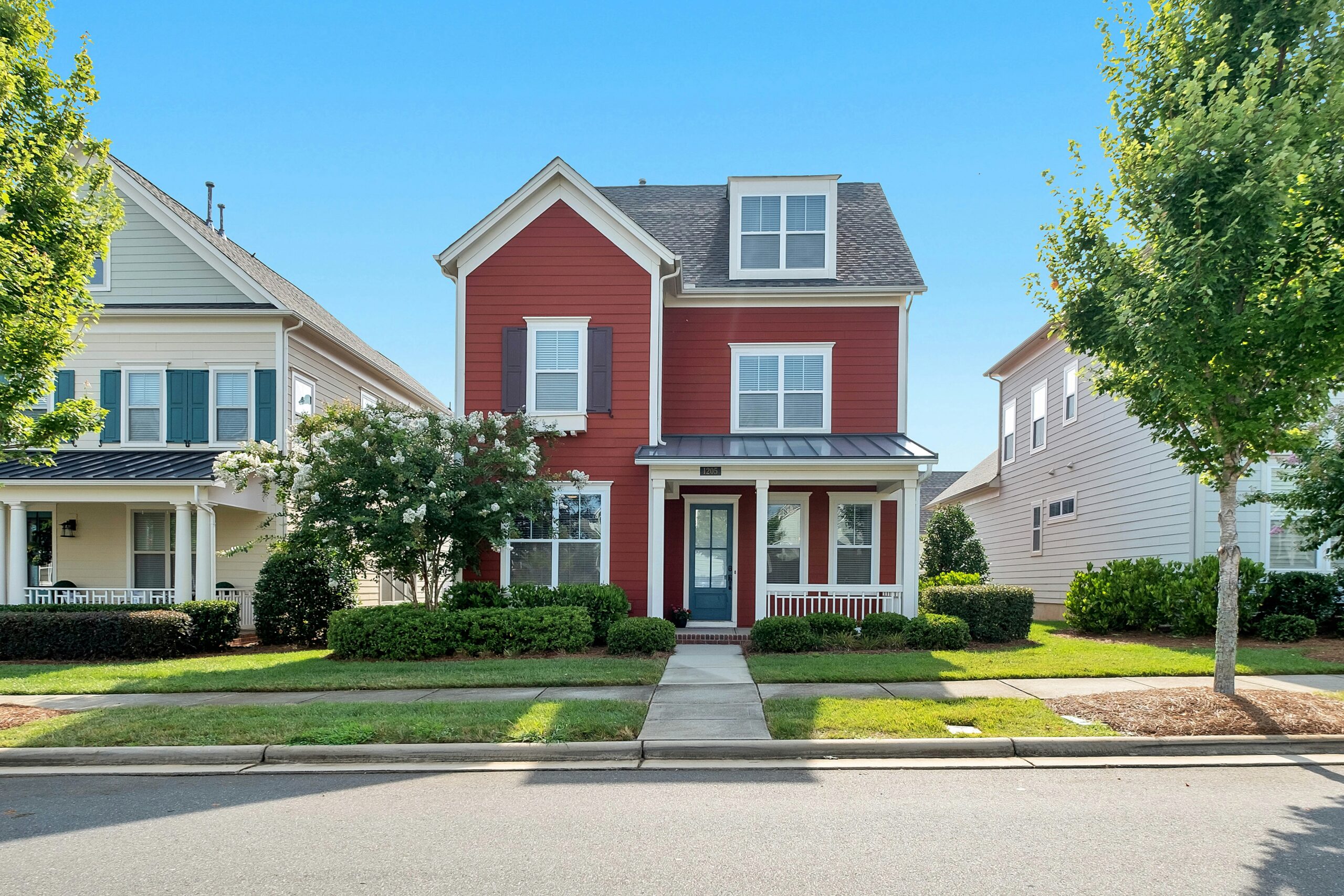
Texas home flipping faces mounting pressure in 2026 as high mortgage rates, rising property taxes and new housing supply squeeze investor profits.
Focus Keyphrase: Texas housing market 2026
Tags: Texas Real Estate, Housing Market 2026, Home Flipping, Real Estate Investment, San Antonio Housing, Dallas Real Estate, Austin Housing Market, Houston Property Market, US Economy
🏠 Texas Housing Market Faces Growing Challenges as Home Flipping Profits Collapse
The Texas housing market, once considered an attractive destination for real estate investors seeking opportunities through property renovation and resale, is experiencing a significant shift. Rising mortgage rates, increasing property taxes, construction oversupply and changing buyer conditions are making traditional home-flipping strategies increasingly difficult to sustain.
For years, investors purchased undervalued properties, renovated them and resold them at higher prices. This business model helped fuel activity across major Texas metropolitan areas, including San Antonio, Dallas, Austin and Houston.
However, the financial equation has become considerably more challenging in 2026. Investors are facing higher operating expenses while buyers are becoming more cautious, creating additional pressure on property prices and resale timelines.
According to recent figures from property data company ATTOM, San Antonio recorded a negative 0.3% median gross profit margin on residential property flips in the second quarter of 2026. This makes it one of the most difficult major metropolitan markets in the United States for investors pursuing short-term property renovations.
The deterioration in Texas illustrates a broader transformation in the American housing market, where higher financing costs and growing housing supply are challenging investment strategies that previously benefited from rising property values.
📉 Home-Flipping Profitability Falls to Its Lowest Level Since the Financial Crisis
The deterioration in Texas is part of a wider national slowdown.
ATTOM's second-quarter 2026 Home Flipping Report found that the typical gross profit margin on single-family homes and condominiums purchased and subsequently resold after renovation-related transactions was approximately 21.5%.
This represents a substantial decline from 27.6% during the second quarter of 2025.
The typical gross profit also declined to approximately $60,526, compared with $71,000 one year earlier.
These figures demonstrate how quickly the economics of property flipping have changed.
Importantly, gross profit margins do not represent the actual money investors take home. They measure the difference between the original purchase price and the eventual resale price, without deducting renovation expenses, financing costs, insurance, property taxes, utilities and other operating expenses.
For investors, the distinction is critical.
Renovation and carrying expenses can consume approximately 20% to 33% of a property's after-repair value, according to estimates cited in the Wall Street Journal report.
Consequently, even a property that appears profitable based on its purchase and resale prices can generate a substantial financial loss after all expenses are considered.
🏗️ Why San Antonio, Dallas, Austin and Houston Are Struggling
Texas has benefited from strong population growth, business investment and residential construction over the past decade.
Nevertheless, the construction boom that expanded housing availability is now creating additional competition for existing properties.
San Antonio has become particularly challenging for home flippers.
During the second quarter of 2026, its median gross flipping margin reached negative 0.3%, according to ATTOM. Dallas recorded a margin of just 1.8%, while Austin reached 2.8% and Houston 3.7%.
These figures suggest that investors operating across several major Texas metropolitan areas have considerably less room to absorb unexpected expenses.
Three major factors are contributing to the deterioration.
1. Rising mortgage rates
Higher borrowing costs make financing more expensive for both investors and potential homebuyers.
For property flippers, financing expenses accumulate while a renovated property remains on the market. For buyers, higher mortgage payments reduce affordability and can weaken demand for properties listed at premium prices.
2. Increasing property taxes and operating expenses
Texas property owners face significant property tax obligations, while investors must also manage insurance, maintenance, utilities and financing expenses.
When a property takes longer to sell than expected, these costs can rapidly reduce the potential return.
3. Oversupply from residential construction
The expansion of new residential developments during the pandemic-era construction boom has created additional competition.
In San Antonio, new construction reportedly accounted for approximately 40% of residential sales, compared with 25% in 2021.
Home flippers must therefore compete against newly constructed properties that can offer modern layouts, updated infrastructure and attractive financing incentives.
For buyers comparing an older renovated home with a newly constructed property, the decision increasingly depends on price, location and overall value.
🔨 Real Estate Investors Are Changing Their Strategies
The changing market does not necessarily mean that every property-flipping opportunity has disappeared.
Instead, experienced investors are becoming more selective about the properties they purchase and the neighborhoods where they operate.
Some investors are reducing the number of transactions they complete annually, allowing them to concentrate their financial resources on projects with more predictable returns.
Others are prioritizing older residential properties in established neighborhoods where competition from large new-build developments is less intense.
Renovation strategies are also evolving.
Rather than completing limited cosmetic improvements, investors are increasingly considering comprehensive renovations involving kitchens, bathrooms and interior spaces.
The objective is to create properties that can compete more effectively with newly constructed homes.
Location remains another important consideration.
Areas closer to downtown San Antonio may offer opportunities because they face less direct competition from large suburban residential developments.
However, successful investing requires understanding neighborhood-level conditions rather than relying exclusively on metropolitan housing statistics.
The ability to purchase a property below its realistic market value remains fundamental to the business model.
🌆 Pittsburgh Emerges as a More Attractive Home-Flipping Market
While Texas is experiencing significant pressure, other American metropolitan areas are demonstrating considerably stronger profitability.
Pittsburgh recorded an impressive 81.5% median gross profit margin for home flipping during the second quarter of 2026, making it one of the strongest major metropolitan markets in the country.
Buffalo, New York, recorded 76.6%, while New Orleans reached 75%.
Virginia Beach and Philadelphia also delivered comparatively strong results.
Several structural factors help explain Pittsburgh's performance.
First, housing prices are considerably more affordable than in many major American metropolitan areas. According to figures cited in the Wall Street Journal report, Pittsburgh's median home sale price was approximately $234,000 as of September 30, compared with a national figure of $366,000.
Second, the region benefits from an established residential housing stock, a diversified employment base and access to skilled construction workers.
These conditions can make it easier for investors to purchase undervalued properties and manage renovation expenses.
However, high reported gross margins should not automatically be interpreted as guaranteed investment returns. Renovation costs, financing arrangements, property conditions and resale demand remain important determinants of actual profitability.
💰 The Growing Risks of Fix-and-Flip Financing
Another challenge facing property investors is the cost of short-term financing.
Many home-flipping businesses rely on specialized fix-and-flip loans, including financing from hard-money lenders.
These loans can provide relatively fast access to capital, allowing investors to purchase properties and begin renovation work without relying exclusively on traditional mortgage financing.
However, they often carry higher interest costs and shorter repayment periods.
This creates an important financial risk: investors must complete renovations and sell their properties before financing expenses significantly erode their returns.
When market conditions deteriorate, the strategy becomes more difficult.
A property that remains unsold for several additional months can transform an apparently attractive investment into a financially challenging project.
Some investors are therefore considering alternative strategies, including converting renovated properties into rental housing and refinancing their investments when the financial conditions are favorable.
This approach can provide an alternative to selling immediately, although rental income, refinancing eligibility and ongoing ownership expenses must be carefully evaluated.
🌎 What the Texas Housing Market Means for the U.S. Economy
The slowdown in home flipping offers a broader perspective on the challenges facing the American housing industry.
Real estate investment activity is closely connected to employment, construction, consumer spending, lending and household wealth.
When property investors reduce renovation projects, the effects can extend beyond the real estate sector.
Contractors, construction workers, building-material suppliers, real estate agents and financial institutions may experience changes in business activity.
Additionally, a housing market with weaker resale profitability can encourage investors to become more conservative when purchasing properties.
This may influence renovation spending and the availability of certain investment opportunities.
The situation also highlights the importance of regional differences in the American economy.
Texas continues to benefit from significant economic activity and population growth, but these advantages do not automatically guarantee profitable property investments.
Meanwhile, markets such as Pittsburgh demonstrate how affordable housing, established neighborhoods and accessible construction labor can create a different investment environment.
For international investors examining American real estate, these differences reinforce the importance of evaluating individual metropolitan markets rather than treating the United States as one uniform property market.
🔎 Outlook: Will Texas Become Attractive Again for Property Investors?
The future of home flipping in Texas will depend on several economic developments.
Mortgage rates will remain an important factor because financing expenses influence both investment profitability and buyer affordability.
Housing inventory and new construction will also determine how effectively renovated properties can compete against newly developed homes.
If builders continue offering discounts and favorable financing incentives, older renovated properties may face additional pricing pressure.
On the other hand, a stabilization in housing supply, improved buyer affordability and more attractive acquisition prices could eventually create new opportunities for experienced investors.
For now, the market appears to be rewarding discipline rather than aggressive expansion.
Investors who carefully evaluate renovation budgets, financing costs, resale demand and neighborhood conditions may still identify attractive opportunities.
However, the traditional assumption that buying an undervalued house, renovating it and quickly selling it will generate substantial profits is becoming increasingly difficult to justify.
Conclusion: A New Reality for American Real Estate Investors
Texas's home-flipping slowdown reflects a broader adjustment taking place across the American housing market.
Rising financing expenses, property taxes and competition from new residential developments are challenging the profitability of short-term real estate investments.
San Antonio, Dallas, Austin and Houston illustrate how quickly market conditions can change, even in regions that previously benefited from strong population growth and construction activity.
At the same time, stronger-performing markets such as Pittsburgh demonstrate that opportunities remain available, although successful investing increasingly requires careful financial planning and local market knowledge.
The central lesson for real estate investors in 2026 is clear: property appreciation alone is no longer enough. Profitable home flipping depends on purchasing at the right price, controlling renovation costs and understanding the financial risks associated with holding and reselling residential properties.
Sources and Further Reading
-
Wall Street Journal: Texas Has Turned Into a Wasteland for House Flippers
-
ATTOM: Home Flipping Profits Continue Gradual Two-Year Decline
-
HousingWire: Fix-and-Flip Margins Tighten in Q3 as Prices Dip and Costs Rise
Disclaimer: This article is intended for general news and educational purposes. It does not constitute financial, investment or real estate advice. Property investments involve risks, and actual returns depend on individual market conditions, financing arrangements and operating expenses.




0 Comments