
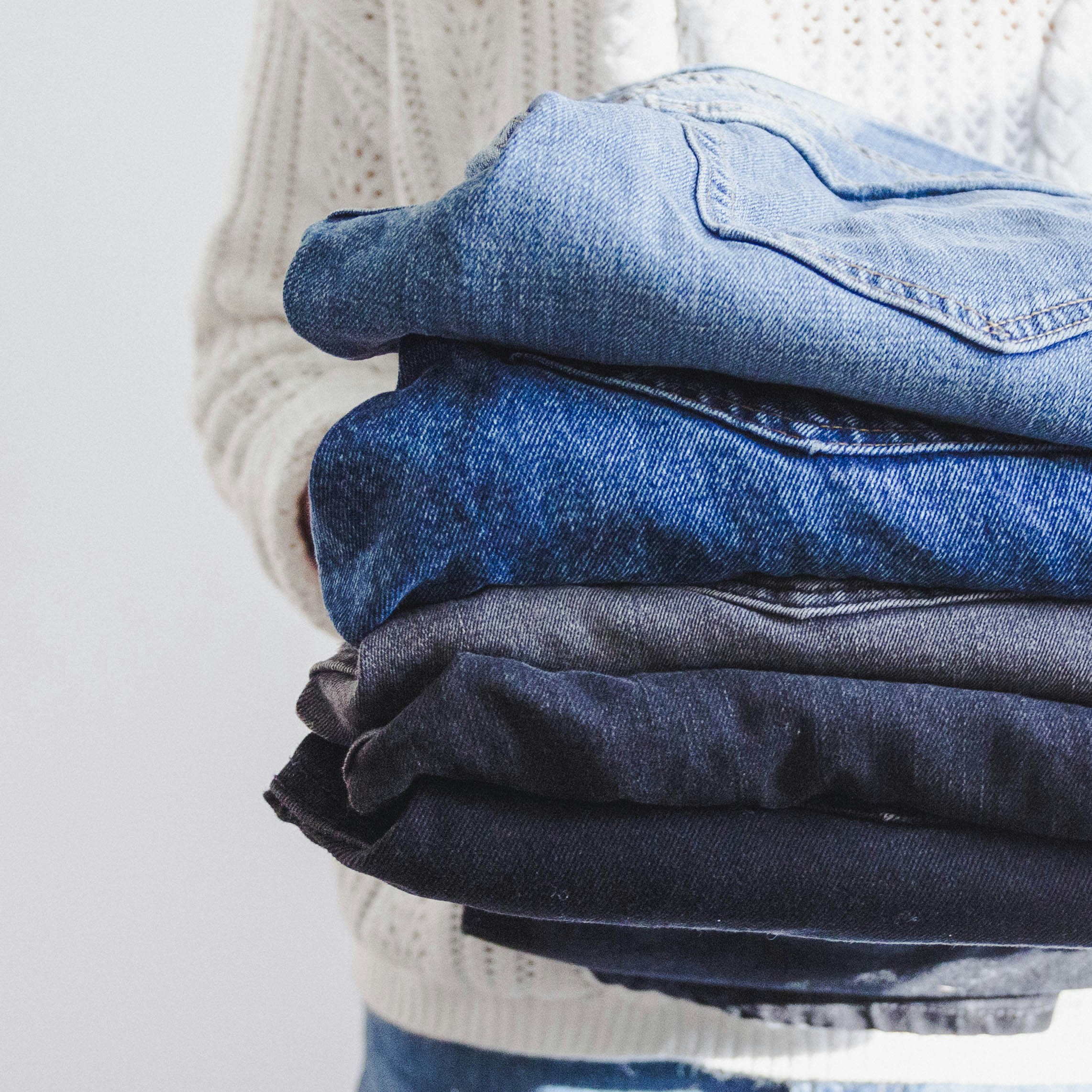
Clothing prices are rising while polyester and synthetic fabrics dominate the apparel market. Discover why consumers are demanding better quality, cotton clothing, and sustainable fashion.
Focus Keywords: clothing prices 2026, polyester vs cotton, clothing quality, fast fashion industry, natural fabrics, sustainable fashion, apparel industry trends
👕 Rising Clothing Prices Are Changing Consumer Expectations
The global fashion industry is facing a growing consumer backlash as shoppers increasingly question why clothing costs more while the quality of materials does not always appear to improve.
After years of expansion driven by fast fashion, inexpensive synthetic fabrics, and rapidly changing trends, consumers are becoming more selective about what they purchase. Cotton, wool, silk, and other natural materials are attracting renewed attention as shoppers seek clothing that offers better durability, comfort, and long-term value.
The shift comes at a challenging moment for retailers. Clothing prices have increased significantly since the COVID-19 pandemic, while households are simultaneously dealing with higher costs for housing, food, transportation, and other essential expenses.
According to CNBC's November 20 report, consumers are increasingly examining clothing labels and questioning the value of garments made with inexpensive materials but sold at relatively high prices.
The broader development could represent an important turning point for the fashion business, particularly for retailers whose competitive advantages depend on inexpensive production and high-volume sales.
📊 The Growing Dominance of Polyester in the Global Clothing Industry
One of the most significant developments in the apparel market is the changing composition of clothing materials.
In 2010, approximately 60% of clothing imported into the United States was predominantly made from cotton. By 2026, that proportion had fallen to approximately 45%.
Synthetic materials, including polyester and nylon, now represent the majority of apparel imports.
Several factors explain this transformation.
First, synthetic fabrics are generally less expensive to manufacture than many natural alternatives. This makes them attractive to retailers attempting to maintain competitive prices and protect profit margins.
Second, the expansion of sportswear and athleisure has increased demand for materials with moisture-wicking properties, flexibility, and shape retention.
Third, the fast-fashion business model depends on producing large quantities of affordable garments and introducing new designs quickly. Synthetic fabrics have helped manufacturers achieve these objectives.
However, the growing use of polyester has also intensified questions about whether some retailers are sacrificing product quality to maintain profitability.
💰Why Consumers Are Paying More for Clothing
For many households, clothing is becoming a more expensive purchase.
Apparel prices generally declined during much of the two decades preceding the pandemic. However, the economic environment changed significantly after 2020.
Supply-chain disruptions, inflation, higher production expenses, tariffs, and geopolitical tensions have placed additional pressure on manufacturers and retailers.
The economic consequences are visible in apparel import data.
According to figures from the U.S. Department of Commerce cited in CNBC's reporting, the average import price between January and August 2026 was approximately:
-
$2.64 per square meter for apparel predominantly made from synthetic fibers.
-
$3.67 per square meter for apparel predominantly made from cotton.
Compared with 2010, synthetic-fiber apparel import costs increased approximately 11%, while cotton apparel costs rose approximately 21%.
These figures illustrate the cost differences between materials, although import prices should not be confused with final retail prices paid by consumers.
For fashion companies, the challenge is balancing affordability, product quality, and profitability.
Retailers facing higher expenses have several choices: increase selling prices, negotiate with suppliers, reduce manufacturing costs, or accept lower profit margins.
Using less expensive materials can provide short-term financial advantages. However, customers may eventually question whether the products justify their prices.
🛍️ Fast Fashion Faces a New Consumer Backlash
The rise of companies such as Shein, Fashion Nova, and other fast-fashion retailers transformed the clothing industry.
Their business models emphasize affordability, rapid product development, and frequent collections designed to encourage consumers to purchase clothing regularly.
Traditional retailers, including H&M and other established fashion companies, have also faced increasing competition from this model.
However, consumer expectations may be changing.
A 2026 AlixPartners Consumer Sentiment Index, based on a survey of more than 9,000 shoppers, found that consumers are increasingly examining clothing labels and rejecting inexpensive materials sold at premium prices.
Younger consumers are also participating in the discussion. Among some members of Generation Z, polyester has even become an informal expression associated with something perceived as cheap or inauthentic.
This does not mean that all synthetic clothing is necessarily low quality. Polyester can provide practical advantages, particularly for sportswear, outdoor clothing, and garments requiring flexibility and moisture management.
Nevertheless, the perception that retailers are charging premium prices for lower-cost materials could become a significant competitive problem.
For brands built around affordability and rapid production, rebuilding consumer confidence may become increasingly important.
🌱 Natural Fabrics and Sustainable Fashion Gain Attention
Natural materials are receiving renewed interest as consumers reconsider the relationship between price, quality, and environmental responsibility.
Cotton, wool, silk, cashmere, and other materials can offer different advantages depending on how garments are manufactured and maintained.
For example, high-quality cotton clothing can provide comfort and breathability. Wool can offer insulation and durability, while silk is valued for its texture and appearance.
Consumers interested in sustainable fashion are also paying closer attention to the environmental consequences of synthetic materials.
Polyester is petroleum-based, and washing synthetic garments can release microplastic fibers into wastewater. This has increased public discussion about textile pollution and the environmental impact of modern clothing production.
However, natural fabrics are not automatically environmentally sustainable. Cotton production can require substantial water resources, while animal-derived materials raise additional environmental and ethical questions.
The most important consideration is therefore the complete lifecycle of a garment, including its production, durability, maintenance, and eventual disposal.
For consumers, buying fewer but longer-lasting garments could become an increasingly attractive alternative to constantly purchasing inexpensive clothing.
🏭 Manufacturing Changes Create Challenges for Global Fashion Companies
The transformation of the apparel industry is not limited to consumer preferences.
Global manufacturing networks are also evolving.
China has historically played an important role in international clothing production because of its established industrial infrastructure, experienced workforce, advanced manufacturing capabilities, and extensive supplier networks.
However, companies have increasingly diversified production toward countries such as Bangladesh, Sri Lanka, and Cambodia.
These markets provide important manufacturing opportunities and competitive production costs. Nevertheless, developing the technical capabilities needed for more sophisticated premium and luxury apparel production can take time.
Differences in manufacturing expertise, access to materials, equipment, and quality-control systems can influence the final product.
Fashion companies must therefore consider more than labor costs when selecting manufacturing destinations.
Producing inexpensive clothing is one challenge. Consistently manufacturing high-quality garments at scale is another.
Companies that underestimate these differences could face longer production schedules, quality problems, excess inventory, and additional discounting.
Ultimately, the lowest manufacturing cost does not always translate into the highest commercial profitability.
📈 Ralph Lauren and Quince Highlight Opportunities in Premium Fashion
The changing consumer environment could create opportunities for companies that emphasize product quality and materials.
Ralph Lauren offers an interesting example. According to CNBC's reporting, approximately 90% of its apparel is primarily made using materials such as cotton, leather, wool, viscose, cashmere, or silk.
Its shares have gained approximately 85% over the past two years, reflecting strong investor interest in the company's business performance.
Meanwhile, direct-to-consumer retailer Quince reached a reported $10 billion valuation in 2026. Its business positioning emphasizes products made with materials such as cotton, cashmere, and silk.
Organic cotton retailer Pact has also improved its position in ThredUp's resale-value rankings.
These developments suggest that consumers may be increasingly interested in brands that communicate material quality, durability, and product value.
However, investors should distinguish between consumer trends and financial performance. A company's success depends on many factors, including revenue growth, operating margins, competition, inventory management, and valuation.
The growing popularity of premium clothing does not guarantee that every retailer emphasizing natural materials will become a successful investment.
🔎 Shein and Zara Face Changing Consumer Sentiment
The evolving fashion market also presents challenges for major international retailers.
According to the 2026 AlixPartners Consumer Sentiment Index, Shein and Zara each declined three positions in the young adult specialty category, reaching fifth and seventh place respectively.
Shein has also faced higher tariff-related costs, which it passed on to shoppers in 2025. Its share of U.S. apparel, accessories, and footwear card spending subsequently declined year over year during the fourth quarter of 2025 and the first two quarters of 2026, according to Consumer Edge data cited in CNBC's report.
Zara, operated by Inditex, has continued to report year-over-year sales and profit growth despite the decline in consumer sentiment rankings.
The distinction is important.
Consumer perception does not always immediately translate into weaker financial results. However, declining brand sentiment can become an early warning sign if shoppers gradually redirect their spending toward competitors.
For major fashion retailers, maintaining customer loyalty will require more than introducing new collections. Product quality, transparency, pricing, and manufacturing standards could become increasingly important.
🌍 What This Means for the Future of the Global Fashion Industry
The changing relationship between clothing prices and product quality could reshape the international apparel market over the coming years.
Several developments deserve attention.
1. Greater demand for durable clothing
Consumers may increasingly prioritize garments that last longer rather than purchasing inexpensive products that need frequent replacement.
2. More transparency about materials
Fashion companies could face growing pressure to clearly communicate the composition and manufacturing standards of their products.
3. Stronger competition in premium apparel
Brands emphasizing craftsmanship, natural materials, and durability may find new opportunities among consumers seeking alternatives to fast fashion.
4. Continued pressure on manufacturing costs
Geopolitical developments, energy prices, tariffs, and supply-chain diversification will continue influencing apparel production expenses.
5. Growing importance of environmental considerations
The environmental consequences of textile production, including microplastic pollution, could become increasingly relevant to purchasing decisions and regulatory discussions.
📰 Conclusion: Consumers Are Reconsidering What Makes Clothing Worth Its Price
The global fashion industry is entering a period in which affordability alone may no longer be sufficient to attract consumers.
Years of inexpensive fast fashion and widespread synthetic-fabric production have transformed the apparel market. However, rising clothing prices are encouraging shoppers to reconsider whether the garments they purchase offer genuine value.
Cotton, wool, silk, and other materials are attracting renewed attention, while polyester continues to play an important role in sportswear and affordable clothing.
For international fashion retailers, the challenge will be finding the right balance between production costs, material quality, sustainability, and consumer expectations.
The next phase of competition may not simply be about who can produce clothing at the lowest price. It could increasingly be about which brands can convince customers that their products are worth buying.
Ultimately, consumers may be willing to spend more on clothing, but they increasingly want a convincing reason to do so.
Frequently Asked Questions (FAQ)
1. Why are clothing prices increasing in 2026?
Higher production costs, inflation, tariffs, supply-chain disruptions, and geopolitical tensions have contributed to higher apparel prices.
2. Why are clothing manufacturers using more polyester?
Polyester is generally less expensive than cotton and offers practical advantages, including moisture management, flexibility, and shape retention.
3. Is cotton better than polyester?
Neither material is universally superior. Cotton offers breathability and comfort, while polyester is useful for sportswear and performance clothing. Quality depends on the fabric, manufacturing process, and intended use.
4. Are consumers moving away from fast fashion?
Some consumers are becoming more selective and prioritizing durability, material quality, and sustainability. However, affordability remains important for many households.
5. Which fashion companies could benefit from demand for better-quality clothing?
Companies emphasizing natural materials and premium positioning, including Ralph Lauren, Quince, and Pact, are examples of businesses attracting attention in this changing market.
6. What is the future of the global apparel industry?
The industry is likely to face increasing pressure to balance affordability, manufacturing efficiency, transparency, sustainability, and product quality.
Source and Further Reading:
Disclaimer: This article is intended for informational and educational purposes. Business and investment observations should not be interpreted as financial advice.




0 Comments