
Consumer Trends and Marketing
How Brands Are Rethinking the Baby Boomer Consumer
Baby boomers remain a powerful consumer audience. Explore why marketers are moving past age-based stereotypes to connect with their priorities, habits, and buying decisions.
Beyond Age-Based Assumptions
Why Selling to Baby Boomers Takes a New Playbook
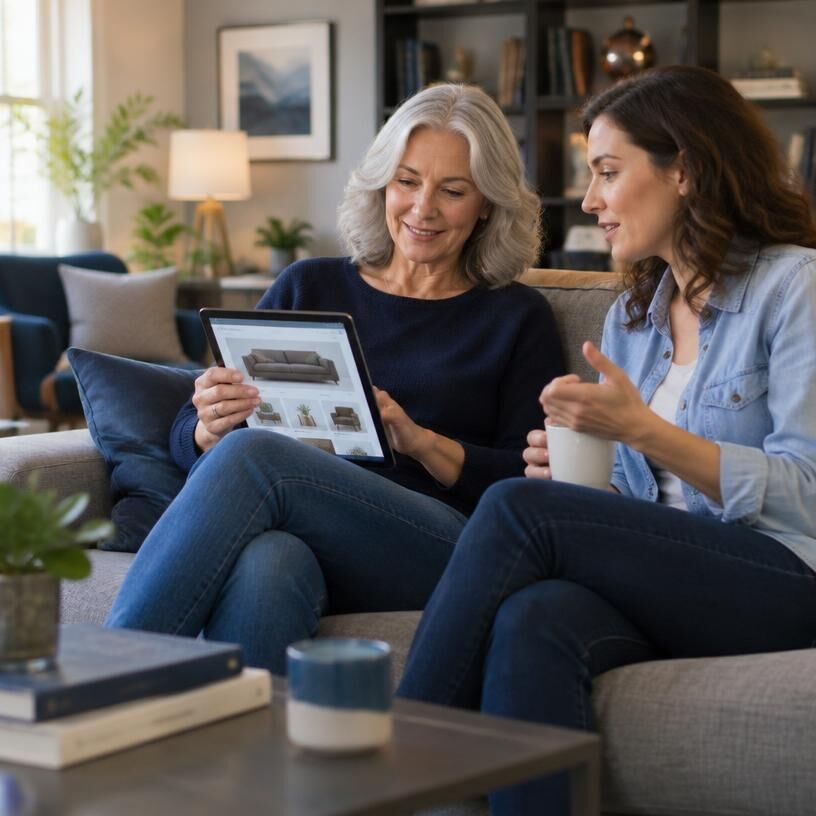
Businesses are reconsidering how they speak to baby boomers, a generation often treated as a single, predictable market. The central lesson is that age alone does not explain what people want or how they shop. Marketers can build stronger connections by focusing on practical benefits, clear value, and messaging that respects consumers’ experience rather than portraying later life as a limitation. That shift affects everything from product design and advertising imagery to the channels brands use to reach customers. For companies seeking lasting relationships, the opportunity lies in listening to boomers as varied individuals with changing interests, not relying on outdated ideas about what older consumers will buy.
What Makes Baby Boomers a Vital Market
Understanding baby boomers means looking beyond their birth years to the priorities and purchasing behaviors that shape demand.
Varied Lifestyles and Priorities
Preference for Clear, Useful Value
Considered, Trust-Driven Purchases

“Understanding older consumers begins with listening to how they live today, not assuming how they lived yesterday.”
Albert Report’s takeaway on the changing boomer market

Why the Boomer Market Is Changing
As baby boomers move through their 60s and 70s, longer lives are changing what they expect from brands. Many continue to work, travel, support family members and pursue new interests. Companies that treat them as a single, retirement-focused audience risk missing the range of needs and ambitions behind their purchasing decisions.
Sell to Lifestyles, Not Stereotypes
Products and services can resonate more when they address practical goals: staying connected, managing health, enjoying leisure and making everyday tasks easier. Clear information, accessible design and respectful messaging matter more than age-based clichés. For businesses, the opportunity is to understand how people’s priorities evolve—not to assume that turning 65 defines a consumer.
The Numbers Behind Boomer Influence
Population size, longer life expectancy and accumulated household wealth help explain why older consumers remain a consequential audience for businesses.
Statistic Title
Roughly 73 million people were born in the United States from 1946 through 1964, according to U.S. Census Bureau birth data. That cohort’s scale means even modest shifts in its preferences can affect demand across industries.
Statistic Title
By 2030, every U.S. baby boomer will be at least 65, according to the U.S. Census Bureau. That milestone puts sustained attention on services ranging from healthcare and housing to travel and technology.
Baby Boomer Marketing: Common Questions
Explore what businesses often get wrong about older consumers and how to serve them more effectively.
Who are baby boomers, and why do marketers focus on them?
Baby boomers are generally people born from 1946 through 1964. They span different life stages and circumstances, making them an important audience that businesses should understand without treating as a single type of customer.
Do baby boomers prefer traditional advertising over digital channels?
Not necessarily. Many older consumers shop, research, and communicate online. Businesses should choose channels based on their customers’ actual habits rather than assuming age determines media preferences.
Is all baby-boomer marketing about retirement?
No. Retirement may matter to some customers, but others are working, traveling, caring for family, or pursuing new interests. Marketing works better when it speaks to a relevant need instead of an age-based stereotype.
What do brands commonly get wrong about older consumers?
Brands can alienate older customers by portraying them as helpless, unfamiliar with technology, or interchangeable. More useful messaging reflects varied experiences and shows how a product fits into everyday life.
How can a business make its website easier for older shoppers to use?
Use readable text, clear navigation, descriptive buttons, and a straightforward checkout. These choices can reduce friction for customers of many ages, not just baby boomers.
Should businesses create separate products for baby boomers?
Only when research reveals a distinct need. Often, improving comfort, clarity, or flexibility in an existing product serves older customers without unnecessarily setting them apart.
How should brands talk about age in their marketing?
Use age-related language when it adds meaningful context, and avoid clichés about aging. Show people as individuals with different priorities, capabilities, and tastes.
What can companies learn by listening to older customers?
Conversations, feedback, and usability testing can reveal barriers that broad demographic labels miss. Businesses can use those insights to improve products, service, and communication.
How can businesses tell whether their approach is working?
Look beyond reach or clicks. Customer feedback, repeat purchases, support questions, and ease-of-use testing can show whether older consumers feel understood and can complete their goals.





0 Comments