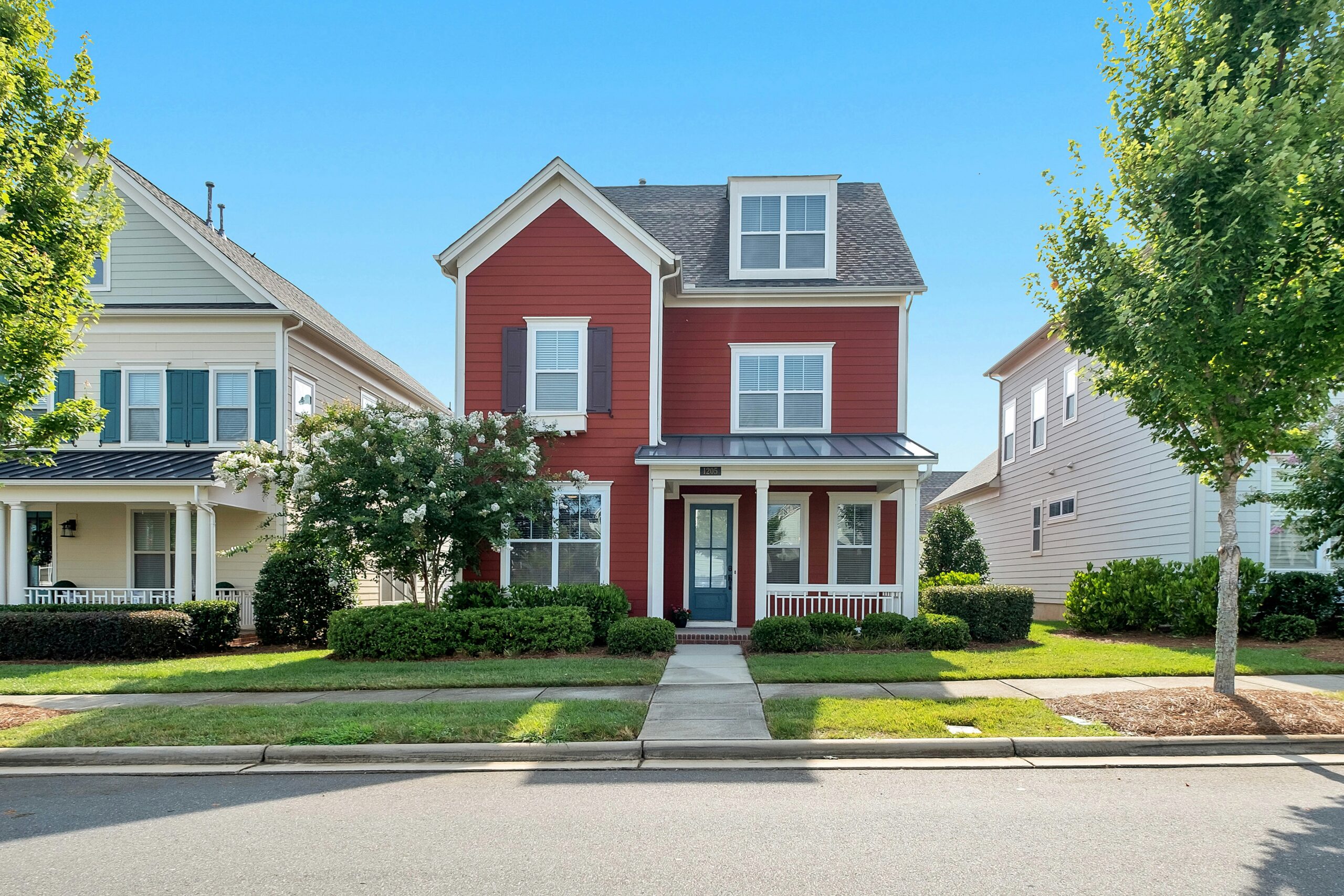
New York City’s Airbnb crackdown has reduced short-term rental listings by more than 90%. Discover how homeowners are adapting to stricter rental rules and rising property costs.
Focus Keyphrase: New York City Airbnb crackdown
New York City’s Airbnb Crackdown Changes the Short-Term Rental Market
New York City’s restrictions on short-term rentals have dramatically changed the local accommodation market, forcing homeowners to rethink how they rent out their properties. Since the city strengthened enforcement of existing rules in September 2023, short-term rental listings have fallen by more than 90%, according to reporting by The Wall Street Journal.
Despite the tougher regulatory environment, some homeowners continue to operate rental businesses by registering their properties where permitted, hosting guests while remaining in their homes, or switching to stays of 30 days or longer.
The changes highlight a growing tension between housing affordability, tourism demand and the financial pressures facing property owners in one of the United States’ most expensive cities.
For homeowners who once depended on visitors booking a few nights at a time, adapting to the new rules has become a financial and logistical challenge.
Why New York City Tightened Its Airbnb Rules
New York City has long restricted certain short-term residential rentals. However, enforcement became significantly stricter in September 2023 after the implementation of Local Law 18, which introduced a registration system for eligible hosts and required booking platforms to verify registration.
The policy was designed to address concerns that apartments and other residential properties were being used for tourist accommodation instead of providing housing for permanent residents.
Under the rules, eligible hosts generally must register with the city before offering qualifying short-term rentals. For stays of fewer than 30 consecutive days, the host must remain in the dwelling, and no more than two paying guests are permitted at a time.
The regulations do not amount to a complete ban on every short-term rental. Instead, they significantly limit the circumstances in which residential properties can legally accommodate visitors for brief stays.
City officials have argued that enforcement helps preserve housing availability and prevent unlawful rental operations. Property owners, however, have raised concerns about lost revenue, compliance requirements and the difficulty of covering rising homeownership expenses.
Homeowners Turn to Longer-Term Guests
One important response has been the shift toward rentals lasting at least 30 days.
Longer stays generally fall outside the specific short-term rental restrictions imposed by Local Law 18, although other housing, building and rental regulations may still apply.
This approach can appeal to visiting academics, traveling nurses, temporary professionals, interns and families spending extended periods in New York.
However, the financial results can be considerably less attractive than the traditional vacation-rental model.
According to The Wall Street Journal, one homeowner in Harlem’s historic Strivers’ Row neighborhood switched from short visits to monthlong bookings. Her guests have included academics associated with nearby universities and other people staying in the city for extended periods.
Her occupancy rate dropped from more than 80% to approximately 60%, while her rental income fell by about half.
The difficulty is that longer stays leave fewer opportunities to fill gaps between reservations. A property that remains empty for two weeks between tenants cannot generate the same income as a short-term rental that accommodates several separate visitors during that period.
For homeowners relying on rental proceeds to help pay their mortgages, these gaps can make a meaningful difference.
Rising Property Costs Put Pressure on Hosts
The transition to longer rentals has also created challenges for homeowners who invested heavily in preparing their properties for guests.
One homeowner profiled by the Wall Street Journal reportedly spent more than $30,000 renovating and furnishing a ground-floor apartment intended for visiting family members. When the unit was not needed by relatives, the owner rented it to guests for stays of at least 30 days.
Before the crackdown, the property generated an average of approximately $25,000 annually through short-term Airbnb bookings. Finding longer-term tenants became more difficult after the regulatory changes.
Meanwhile, insurance, maintenance and utility expenses continued to rise.
This creates a difficult calculation for homeowners. Even when a property remains legally available for rental, lower occupancy and reduced revenue can make it harder to recover renovation costs and maintain the home.
The financial pressure may be especially significant for households that purchased properties when short-term rental income was expected to help offset mortgage payments.
Some Hosts Continue Operating Under Stricter Conditions
Other homeowners have pursued registration to continue offering eligible short-term stays.
However, remaining in compliance can require substantial adjustments to the way a property is designed and used.
The Wall Street Journal reported on a host who had previously separated his living area from the guest accommodation with an interior door. Following inspections and regulatory violations, he had to remove that door.
The requirement to remain in the home while hosting guests can also create privacy and security concerns, particularly when visitors bring pets or when the host and guests share entrances and common areas.
The host reportedly earned approximately $11,000 from Airbnb in the previous year, compared with around $30,000 annually before the crackdown.
His experience illustrates how a rental arrangement that once generated meaningful supplemental income can become less profitable while requiring more direct involvement from the homeowner.
For owners who depend on these earnings to cover everyday expenses, the difference between the old and new systems can be substantial.
Why Some Homeowners Still Want to Host Tourists
Despite the difficulties, some property owners continue to see rental accommodation as an important source of income.
New York City homeownership involves expenses beyond mortgage payments, including property taxes, insurance, repairs and utilities. Rental proceeds can help households manage those costs, particularly when part of a home would otherwise remain unused.
For some hosts, the goal is not to operate a large commercial accommodation business. Instead, they want to generate additional income from a spare apartment or a portion of their residence.
One homeowner described in the Wall Street Journal leaves her home for a month or two when guests arrive, staying with her partner or traveling elsewhere. She said that having visitors for extended periods changes how she experiences her own property, particularly when furniture has been rearranged or personal belongings have been moved.
Her experience illustrates that hosting involves more than the financial return. It can affect privacy, daily routines and the feeling of being at home.
Nevertheless, some homeowners view the income as necessary to help preserve properties they have owned for many years.
What the Crackdown Means for New York City Tourism
New York City remains a major international destination, attracting tourists, business travelers, international students, visiting families and people attending conferences and cultural events.
Changes to short-term rental availability may influence how these visitors choose their accommodation.
Travelers who previously preferred a residential apartment may instead consider hotels, properties in neighboring communities or longer-term rentals that meet the applicable legal requirements.
For families and groups, the availability of suitable accommodation can be particularly important. However, alternatives vary in price, location, capacity and access to public transportation.
The restrictions may also affect visitor spending patterns. Tourists staying outside a neighborhood where they originally planned to book accommodation may spend less time and money at nearby restaurants, shops and local attractions.
The broader impact on the tourism economy depends on several factors, including hotel prices, visitor demand, the availability of legal accommodation and the length of travelers’ stays.
At the same time, supporters of the rules argue that preserving residential housing is essential for maintaining communities and preventing homes from being converted into unlawful tourist accommodation.
The debate therefore extends beyond Airbnb itself. It concerns how a global city balances the economic benefits of tourism with the needs of permanent residents.
New York’s Rental Rules Create a Wider Policy Debate
The dispute reflects a broader challenge facing popular travel destinations around the world.
Cities with high housing costs have increasingly examined the relationship between short-term rentals, residential supply and neighborhood stability. Authorities must determine how to regulate visitor accommodation without unnecessarily restricting legitimate homeowners or damaging tourism-related businesses.
New York City offers a particularly prominent example because of its large tourism market and expensive housing sector.
The city’s approach also demonstrates that restrictions can reshape a market without eliminating every form of rental activity. Some owners exit the market, some operate under the registration framework, and others shift toward longer stays.
For policymakers, the central question is whether the rules achieve their housing objectives while allowing lawful rental activity to continue.
For homeowners, the practical concern is whether the remaining options provide enough income to justify the costs, responsibilities and regulatory requirements.
For travelers, the outcome may mean fewer choices in some residential neighborhoods and a greater need to check accommodation rules before booking.
What Travelers and Property Owners Should Know
Anyone planning to visit New York City or rent out a property should understand the distinction between short-term and longer-term accommodation.
For travelers:
-
Check the property’s legal status and the applicable booking conditions before paying.
-
Confirm whether the accommodation is a private room, a shared residence or an entire property.
-
Review the length of stay, cancellation policy and any additional charges.
-
Consider hotels or legally available longer-term rentals when appropriate.
For homeowners:
-
Check current registration requirements before advertising qualifying short-term accommodation.
-
Understand occupancy limits and the requirement for the host to be present during eligible stays of fewer than 30 days.
-
Calculate expected rental income after accounting for vacancy periods, utilities, insurance, maintenance and taxes.
-
Seek qualified legal or tax advice when the property’s intended use or rental arrangement is unclear.
Rules can differ according to the property type, occupancy arrangement and length of stay. Owners should consult official city guidance rather than assume that a particular rental arrangement is automatically permitted.
The Future of Airbnb in New York City
New York City’s short-term rental crackdown has transformed the economics of hosting for many homeowners. A market that once offered opportunities to generate income from brief tourist visits now operates under substantially tighter restrictions.
Some hosts have adapted through longer bookings or lawful registration, but these alternatives can mean lower occupancy, reduced earnings and changes to their personal lives.
The long-term outcome will depend on housing conditions, enforcement, tourism demand and any future changes to the regulatory framework.
For now, the experience of New York homeowners highlights the difficult choices facing cities that want to protect residential housing while preserving the benefits of international tourism.
The central issue is no longer simply whether homeowners can list properties on Airbnb. It is whether legal rental options can provide a sustainable balance between housing needs, homeowner finances and the accommodation demands of a global travel destination.
Sources and Further Reading
-
The Wall Street Journal: The Holdouts Working Around New York City’s Airbnb Crackdown
-
New York City: Short-Term Rental Registration Requirements and Enforcement
-
amNewYork: New York City Short-Term Rental Registration Data
Editorial note: This article is an independent news analysis based on the cited reporting and publicly available information. Rental regulations can change; readers should verify current requirements with the relevant authorities.




0 Comments