
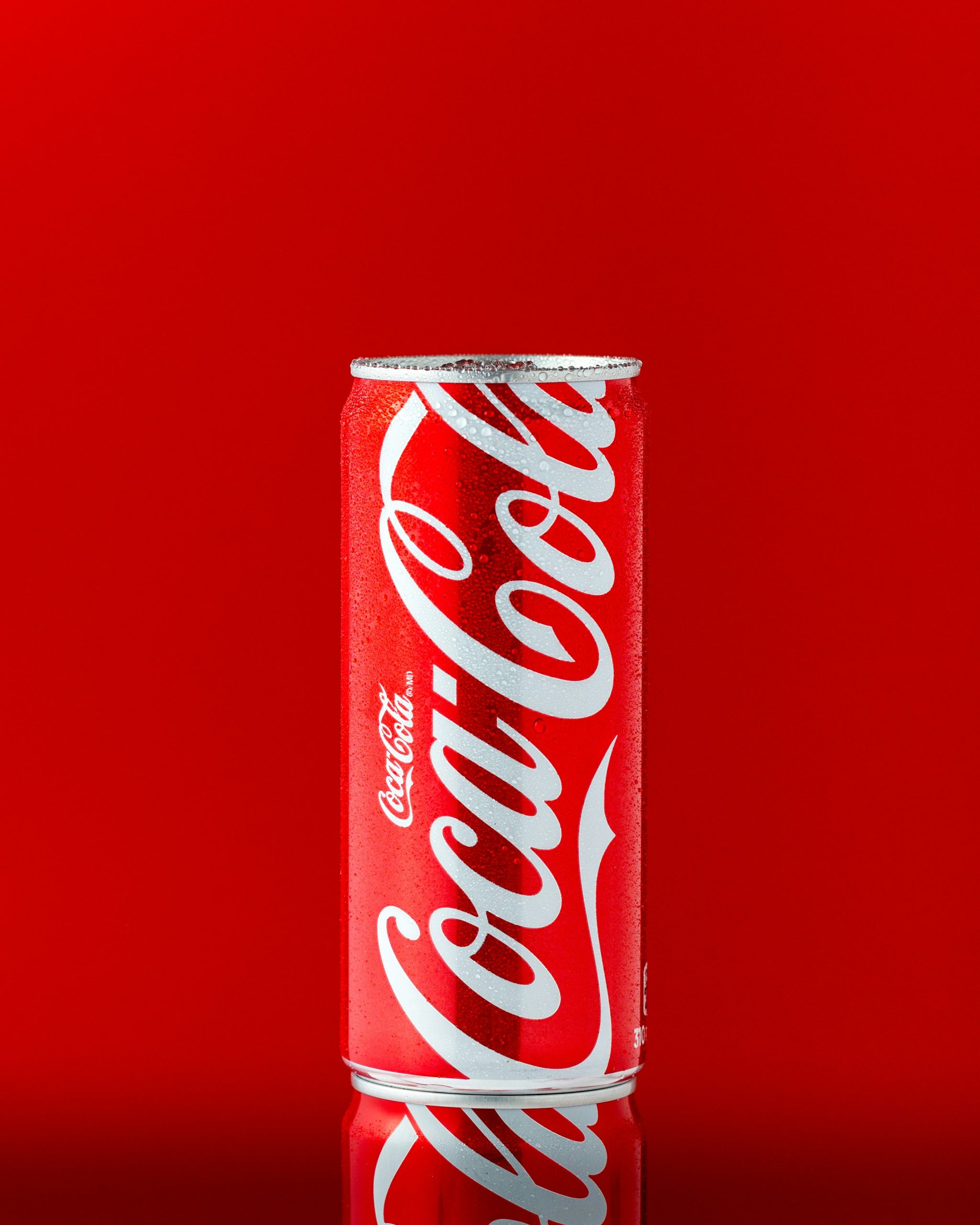
KFC will replace Pepsi with Coca-Cola across its U.S. restaurants by spring 2027, marking a major shift in the fast-food beverage industry.
Focus Keyphrase: KFC switches from Pepsi to Coca-Cola
Article Category: Business, Economy, Consumer Trends
KFC Chooses Coca-Cola After Decades With Pepsi
The competition between Coca-Cola and PepsiCo has entered a new phase after KFC selected Coca-Cola as its U.S. beverage supplier, ending a partnership with Pepsi that lasted for decades.
Announced on October 15, 2026, the agreement will bring Coca-Cola products to KFC restaurants across the United States beginning in January 2027. The transition is expected to be completed by spring 2027, according to Coca-Cola’s announcement.
The decision represents an important commercial victory for Coca-Cola and a setback for PepsiCo, which has maintained a long-standing relationship with the fried-chicken chain. It also demonstrates how beverage contracts can become strategic tools for restaurant companies seeking to refresh their menus, attract customers and improve sales.
According to The Wall Street Journal, KFC executives and franchisees evaluated proposals from both beverage companies during a competitive selection process at the headquarters of Yum! Brands, KFC’s parent company, in Plano, Texas.
The discussions included beverage tastings, commercial proposals and plans for increasing drink sales. Coca-Cola ultimately stood out with its proposals for future growth and innovation.
Why KFC Is Replacing Pepsi With Coke
KFC’s decision comes as the restaurant chain works to strengthen its U.S. business and make its offerings more appealing to customers.
Beverages are an important part of the fast-food experience. While chicken, sandwiches and side dishes remain central to KFC’s menu, drinks provide another opportunity to encourage purchases, introduce new products and differentiate the brand from competing restaurants.
KFC U.S. President Catherine Tan-Gillespie described the partnership as part of the company’s broader effort to modernize its restaurants and respond to changing consumer preferences.
Coca-Cola brings a broad portfolio of beverages, established distribution capabilities and experience supplying major restaurant chains. The company already has relationships with prominent competitors in the quick-service restaurant industry, including McDonald’s and Wendy’s.
For KFC, the new agreement creates an opportunity to reconsider its drink selection and explore new offerings that complement its food menu.
The move also fits into a wider restaurant-industry strategy: companies increasingly look beyond their main products to find ways to improve the overall customer experience and generate additional sales.
However, the announcement does not guarantee that KFC will immediately experience stronger sales. The results will depend on customer reactions, product availability, pricing, execution and the restaurant chain’s wider business performance.
A Major Blow to PepsiCo’s Fast-Food Beverage Business
For PepsiCo, losing KFC’s U.S. beverage contract is a significant competitive setback.
The relationship has historical importance. PepsiCo previously owned KFC and later separated its restaurant operations from the company. KFC subsequently became part of Yum! Brands, but Pepsi remained an important beverage supplier.
The new agreement ends that longstanding U.S. arrangement, although it does not mean PepsiCo is losing all of its business with Yum! Brands.
PepsiCo has said that its agreements with Yum! Brands continue to cover Taco Bell and KFC locations internationally. Pepsi also supplies beverages to other restaurant chains, including Subway and Jersey Mike’s Subs.
Nevertheless, losing a major restaurant account reduces Pepsi’s visibility at thousands of U.S. locations and gives Coca-Cola another opportunity to strengthen its presence in the fast-food market.
The timing is particularly important because PepsiCo is working to improve performance in its North American beverage and snack businesses. The company faces pressure from changing consumer preferences, higher costs and questions about how effectively it can restore growth.
The KFC decision therefore carries significance beyond the immediate contract. It highlights the importance of defending major distribution relationships as beverage companies compete for customers in restaurants, supermarkets and other sales channels.
How Coca-Cola Won the Competition
The contest between Coca-Cola and Pepsi was not simply about which drink customers preferred in a tasting.
According to the Wall Street Journal, the companies presented proposals during a two-day competition in June at Yum! Brands’ headquarters. Each company had an opportunity to explain how its beverage portfolio and commercial strategy could help KFC increase drink sales.
Both bids were considered attractive financially, according to people familiar with the discussions cited by the newspaper. Coca-Cola distinguished itself through its proposals for future sales growth.
That distinction illustrates the broader economics of restaurant beverage contracts.
A supplier must do more than deliver syrup and maintain dispensing equipment. Its proposal can also involve pricing arrangements, promotional support, new products, operational services and strategies for encouraging customers to purchase beverages.
For a large restaurant chain, these factors can influence both the customer experience and franchisee economics.
The financial terms of the new Coca-Cola agreement have not been publicly disclosed. As a result, it is not yet possible to determine precisely how the contract compares with Pepsi’s previous arrangement or how much either company expects to gain financially.
What the Switch Means for KFC Franchise Owners
The change will require significant operational coordination across KFC’s U.S. restaurant network.
Pepsi owns the existing beverage-dispensing machines used in KFC restaurants. Those machines will need to be replaced with Coca-Cola equipment, while related service lines and restaurant systems must be adapted.
The transition is scheduled to begin in January 2027, with the rollout expected to continue through the spring.
For franchise owners, the practical details will matter as much as the headline announcement. Equipment installation, employee training, supply arrangements, maintenance and the terms of the new beverage contract can all affect implementation.
Franchisees will also need clarity about syrup costs, financial incentives and other commercial arrangements. These details can influence the profitability of beverage sales at individual restaurants.
If the transition runs smoothly, KFC could introduce a refreshed beverage lineup without major disruption to restaurant operations. However, a nationwide change of this size requires coordination among the supplier, corporate management and franchise owners.
The agreement is therefore both a marketing decision and a logistical undertaking.
What Happens to Mountain Dew Sweet Lightning?
One of the most immediate questions concerns Mountain Dew Sweet Lightning, a peach-and-honey-flavored beverage associated with KFC and supplied by PepsiCo.
The drink developed a following among customers who wanted something different from traditional cola. For some, it became part of the appeal of visiting KFC rather than simply another beverage option.
The move to Coca-Cola raises questions about the drink’s future in KFC restaurants. Because Sweet Lightning is a PepsiCo product, its continued availability under the new arrangement cannot be assumed.
The companies have not established a publicly confirmed future for the beverage in the information available for this article.
That uncertainty illustrates a potential challenge for restaurant chains changing beverage suppliers: popular limited or exclusive products can develop loyal audiences that may not automatically transfer their preferences to a new lineup.
Customers who regularly order Sweet Lightning may welcome new options, but others could be disappointed if the drink disappears from KFC’s menu.
For KFC, the challenge will be to balance beverage innovation with the preferences of existing customers.
The Wider Coca-Cola vs. PepsiCo Battle
The KFC agreement is another development in the long-running competition between the two beverage giants for restaurant distribution.
Coca-Cola has a strong presence in the U.S. fountain-drink market, supported by partnerships with large restaurant operators. Securing KFC strengthens that position and gives the company another major channel through which to reach consumers.
Restaurant partnerships matter because they place branded drinks directly alongside meals that customers already intend to purchase. These arrangements can support brand familiarity, repeat purchases and promotional opportunities.
For PepsiCo, the loss reinforces the importance of maintaining established accounts while pursuing new partnerships.
However, the outcome should not be interpreted as the end of PepsiCo’s restaurant business. The company continues to supply multiple major chains, and its portfolio extends well beyond fountain beverages to packaged drinks and snacks.
Likewise, Coca-Cola’s win does not guarantee that every customer will prefer the new lineup or that KFC’s overall sales will improve.
The commercial impact will depend on the terms of the agreement, customer demand and the companies’ ability to translate distribution advantages into profitable sales.
Will Coca-Cola Help KFC Attract More Customers?
KFC is hoping the beverage partnership will contribute to a broader effort to strengthen its brand and improve the restaurant experience.
A refreshed drink selection could create opportunities for new combinations, promotions and products designed to complement the chain’s chicken menu. It could also make KFC’s beverage offering more consistent with the expectations of customers who regularly visit other Coca-Cola-serving restaurants.
Still, a supplier change alone is unlikely to resolve every challenge facing a major restaurant chain.
Consumers consider many factors when deciding where to eat, including food quality, prices, portion sizes, convenience, service and promotional offers. Beverages can influence that decision, but they are only one component of the overall experience.
The success of the partnership will therefore depend on how effectively KFC integrates the new drinks into its wider strategy.
The January-to-spring 2027 transition will be an important first test. Subsequent sales figures, customer feedback and menu developments should provide a clearer picture of whether the change delivers the results KFC expects.
What the KFC Deal Means for Consumers
For customers, the most visible consequence will be a change in the drinks available at U.S. KFC locations.
Coca-Cola products are expected to begin appearing in restaurants in January 2027, with the nationwide transition scheduled to finish by spring.
Customers who prefer Coca-Cola may welcome the change, while Pepsi fans could be disappointed. People who regularly order Mountain Dew Sweet Lightning may be especially interested in announcements about the drink’s future.
The agreement applies to KFC restaurants in the United States. It should not be interpreted as a worldwide switch across every KFC market, since PepsiCo’s existing international arrangements with Yum! Brands are continuing.
Consumers should also distinguish between a change in beverage supplier and a confirmed change in menu prices. The public announcement does not establish that KFC meals will become more expensive or cheaper because of the deal.
Conclusion: A Strategic Win for Coca-Cola
KFC’s decision to replace Pepsi with Coca-Cola is a significant development in the U.S. fast-food beverage market.
The agreement gives Coca-Cola access to another major restaurant network while ending a decades-long relationship between KFC and PepsiCo. It also gives KFC an opportunity to refresh its beverage offerings as it works to improve its competitive position.
For PepsiCo, the loss is a reminder that even longstanding business relationships can change when restaurant operators believe a different supplier offers stronger opportunities for growth.
The transition will begin in January 2027 and is expected to be completed by spring. Until the rollout is finished, questions about equipment replacement, franchisee economics and the future of customer favorites such as Mountain Dew Sweet Lightning will remain important.
Ultimately, the deal is about more than cola. It is a test of how beverage brands and restaurant chains use distribution, innovation and customer loyalty to compete in a crowded consumer market.
SEO FAQs
1. Why is KFC switching from Pepsi to Coca-Cola?
KFC selected Coca-Cola after evaluating competing proposals, including plans for future sales growth, beverage innovation and commercial support.
2. When will Coca-Cola replace Pepsi at KFC?
The transition is scheduled to begin in January 2027 and is expected to reach U.S. KFC restaurants nationwide by spring 2027.
3. Will Mountain Dew Sweet Lightning remain available at KFC?
Its future availability has not been publicly confirmed. Customers should watch for further announcements from KFC and PepsiCo.
4. Is KFC ending its Pepsi partnership worldwide?
No. The announced change concerns KFC's U.S. restaurants. PepsiCo has said its agreements covering KFC internationally and Taco Bell remain in place.
5. Will KFC prices change because of the Coca-Cola deal?
The financial terms have not been disclosed, and no price increase or decrease has been confirmed as a direct result of the switch.
6. What does the deal mean for Coca-Cola and PepsiCo?
Coca-Cola gains a major U.S. restaurant account, while PepsiCo loses an established customer. The long-term financial impact will depend on contract terms, sales and consumer response.




0 Comments