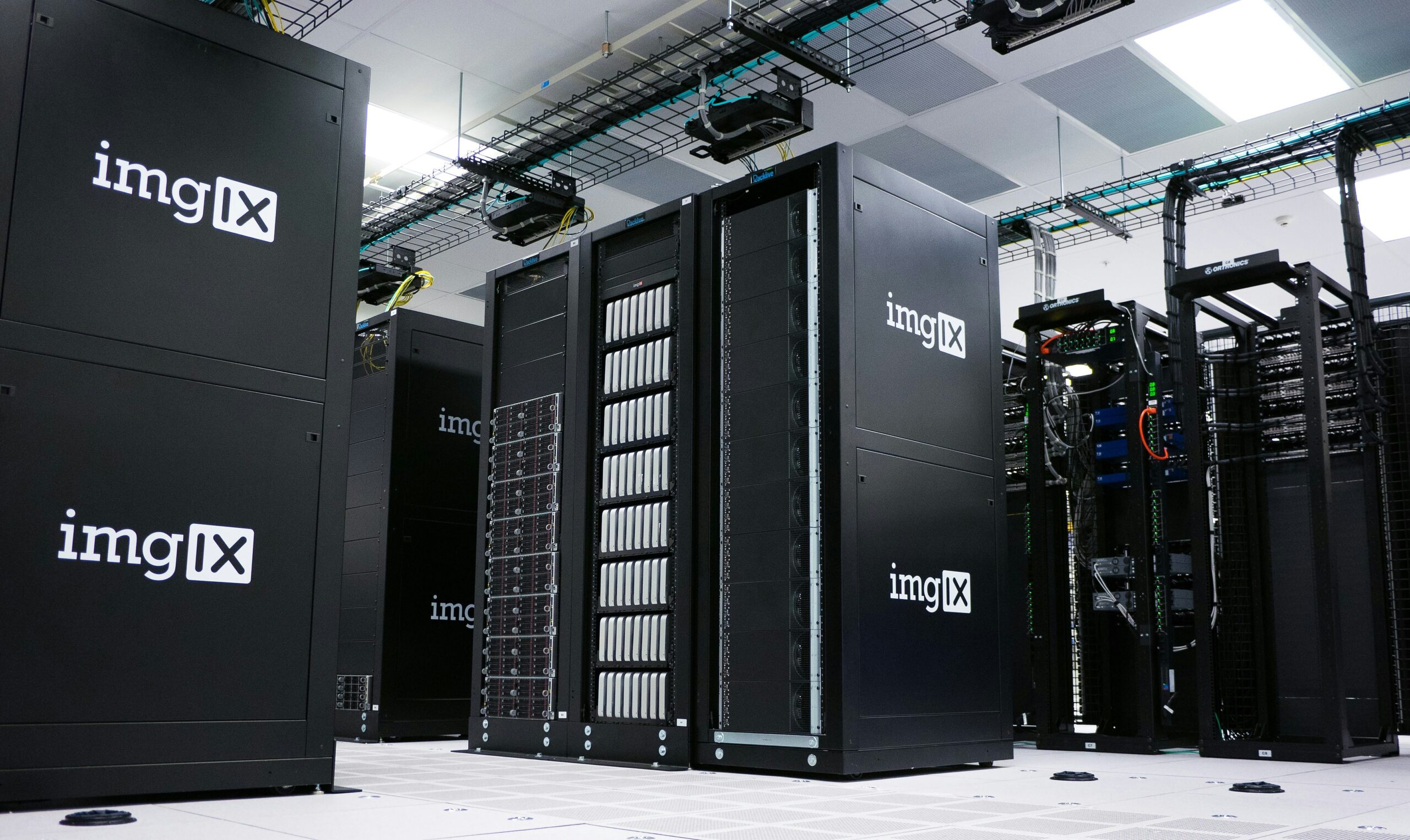
AI shopping agents are transforming e-commerce, creating new opportunities and risks for online retailers, digital marketers and major technology companies.
Focus Keyword: AI shopping agents
Related Keywords: agentic commerce, artificial intelligence in retail, AI e-commerce, online shopping trends, digital marketing, Walmart AI, Amazon e-commerce, OpenAI shopping agents
Introduction: AI Agents Are Changing How Consumers Shop Online
Artificial intelligence is beginning to reshape online shopping by allowing consumers to delegate more purchasing decisions to digital assistants. Instead of manually searching websites, comparing prices and completing checkout processes, shoppers can increasingly rely on AI agents to find products, evaluate options and, in some cases, make purchases on their behalf.
This emerging model, known as agentic commerce, could fundamentally change how consumers interact with retailers. It also creates new challenges for companies that have spent years building their businesses around search engines, online advertising, customer accounts and direct relationships with shoppers.
According to The Wall Street Journal, purchases made through AI agents are growing rapidly, while only a small share of the e-commerce companies monitored by AI search optimization firm BrightEdge currently allow these agents to complete transactions. The development highlights the gap between growing consumer interest and retailers’ readiness to embrace autonomous shopping technology.
For retailers, the central question is no longer simply how to attract website visitors. It is whether they can remain competitive when AI systems increasingly influence which products consumers discover, compare and purchase.
1. What Are AI Shopping Agents and Why Do They Matter?
AI shopping agents are digital tools designed to perform tasks for users rather than merely answer questions. Depending on their capabilities and permissions, they can identify products, compare prices, organize shopping lists and help execute transactions.
These tools could reduce the time consumers spend navigating websites and managing routine purchases. Travelers might use AI to research bookings, while households could delegate grocery planning and product comparisons to digital assistants.
The appeal is straightforward: consumers want convenience, relevant recommendations and fewer repetitive tasks.
However, this shift changes the role of traditional online storefronts. If a consumer relies on an AI agent to select a product, the retailer may have less direct influence over the purchasing journey.
Historically, businesses have competed for attention through search engine optimization, paid advertising, social media and loyalty programs. In an agent-driven marketplace, companies must also ensure that AI systems can discover, understand and accurately evaluate their products.
This creates a new competitive environment in which product information, inventory availability, pricing and integration with AI platforms could become increasingly important.
2. E-Commerce Companies Face a New Digital Marketing Challenge
The rise of AI agents complicates digital marketing because retailers may have less visibility into the individuals behind automated shopping activity.
Traditional analytics tools can track many aspects of consumer behavior, including website visits, search queries, product views and purchases. These signals help businesses understand customer preferences and improve advertising campaigns.
AI agents introduce a different type of interaction. A retailer might receive automated traffic without knowing which consumer initiated the request, what alternatives the agent evaluated or why a particular product was selected.
This makes it harder to measure the effectiveness of marketing campaigns and build detailed customer profiles.
The challenge is particularly important for businesses that depend on personalized recommendations, repeat purchases and customer loyalty. If AI assistants increasingly determine which products shoppers see, retailers may need to optimize product information for machine-driven discovery as well as human browsing.
Different AI systems may also evaluate products differently. Businesses could therefore need to adapt their product descriptions, catalog structures and digital marketing strategies to multiple platforms.
For publishers, brands and online merchants, this could create another major shift in search visibility. Appearing prominently in traditional search results may not guarantee that an AI shopping assistant recommends a product.
3. Why Only a Small Share of Retailers Allow AI Agents to Complete Purchases
Despite the potential benefits, retailers remain cautious about allowing external AI agents to finalize transactions.
BrightEdge estimates cited by The Wall Street Journal indicate that purchases made through agents have been increasing by approximately 43% month over month and have roughly quadrupled since April 2026. Yet only about 3% of the e-commerce companies BrightEdge works with allow agents to execute transactions on behalf of consumers.
These figures illustrate an important distinction: the growth of AI-assisted shopping does not automatically mean retailers are prepared to hand over the checkout process.
Companies must consider several risks before allowing an external system to purchase goods autonomously.
Fraud and payment authorization: Retailers and financial institutions must determine whether an AI agent has genuine permission to make a purchase and whether the transaction reflects the consumer’s intentions.
Incorrect purchases: An agent could misunderstand a request, select an unsuitable product or order the wrong quantity. Such mistakes could increase customer service costs, returns and payment disputes.
Inventory and pricing accuracy: Automated systems need reliable information about stock levels, discounts, delivery options and product specifications. Outdated information can produce disappointing customer experiences.
Customer relationships: If an external platform controls product discovery and checkout, retailers could lose opportunities to build loyalty, collect customer insights and encourage repeat purchases.
These concerns explain why many businesses are exploring AI commerce without immediately allowing unrestricted automated purchasing.
4. Amazon, Walmart and Target Take Different Approaches
Major retailers are approaching AI shopping agents differently, reflecting their competitive positions and strategic priorities.
Amazon protects its integrated shopping ecosystem
Amazon has restricted external shopping agents, including Meta’s Muse and OpenAI’s Dots, according to The Wall Street Journal’s reporting.
The company’s position reflects the value of its integrated retail model. Amazon combines product discovery, advertising, transactions, fulfillment and customer data within one platform.
Allowing external agents to control more of the shopping journey could weaken that model by shifting influence toward outside technology companies.
Amazon also benefits from an established customer base and its Prime membership ecosystem. It therefore has strong incentives to preserve direct relationships with shoppers rather than allow third-party agents to become the primary interface for purchasing goods.
Walmart explores AI-powered customer acquisition
Walmart has taken a more collaborative approach, working with OpenAI and Google to bring its products into AI-powered shopping experiences.
The strategy could help Walmart reach consumers who increasingly use conversational tools to research purchases. Its U.S. chief executive, David Guggina, has described the results from these initiatives positively, according to the Journal’s report.
For retailers willing to participate, AI platforms could become another channel for product discovery and sales growth.
However, the long-term value will depend on how much control retailers retain over customer information, pricing, fulfillment and repeat purchases.
Target adopts a more selective strategy
Target has allowed agents from a list of approved external companies, taking a more controlled approach to participation.
This strategy offers a potential middle ground. Retailers can experiment with new shopping channels while limiting access to systems and transactions that introduce additional risks.
The differences among Amazon, Walmart and Target demonstrate that there is no single industry-wide response to agentic commerce. Each company must weigh its existing competitive advantages against the possibility of losing ground in a rapidly changing digital marketplace.
5. Could Retailers Lose Power to AI Technology Companies?
One of the most significant consequences of agentic commerce is the possibility that economic power will shift from retailers toward the companies that operate AI assistants.
In the traditional online shopping model, retailers compete to attract visitors and convert them into customers. They control their websites, product presentation, promotions and much of the checkout experience.
If AI agents become the primary interface between consumers and merchants, technology companies could gain greater influence over product recommendations and purchasing decisions.
That influence could create opportunities for new business models, including subscriptions, advertising and transaction fees.
For retailers, the concern is that they may become suppliers operating behind an AI platform rather than destinations consumers visit directly.
Such a shift could affect brand visibility, customer acquisition costs and the economics of online advertising. Businesses might have to compete for recommendations from AI systems in addition to competing for search rankings and social media attention.
Nevertheless, the outcome is not predetermined. Retailers with strong brands, competitive prices, reliable delivery and compelling customer experiences could continue to attract shoppers. AI agents may also direct new customers toward businesses they would not otherwise have discovered.
The balance of power will depend on how consumers adopt these tools and how commercial relationships between AI developers and retailers evolve.
6. Why Some Companies Are Developing Their Own AI Agents
Rather than relying entirely on external platforms, some businesses are exploring proprietary AI assistants that keep more of the shopping experience within their own ecosystems.
DoorDash, for example, has developed an AI assistant called Ask. The company’s advantage comes from its access to information about merchant offerings, product availability and delivery logistics.
An independent AI platform might be effective at recommending a meal or product, but it may lack the operational information required to confirm availability and fulfill the order accurately.
A retailer’s or service provider’s own AI agent can potentially connect product recommendations directly to inventory, payment systems, customer support and delivery operations.
This approach could help companies automate customer service while preserving control over important parts of the purchasing process.
However, in-house systems also face challenges. Building reliable AI tools requires investment, and consumers may prefer independent assistants that compare products across multiple brands without favoring one retailer.
Companies must therefore decide whether proprietary agents can deliver enough convenience and value to justify their development and operating costs.
7. What AI Shopping Means for Consumers
For shoppers, AI-powered commerce could make everyday purchasing decisions faster and easier.
Consumers may spend less time comparing prices, searching for discounts and repeating routine orders. AI agents could also help organize household shopping, identify suitable products and tailor recommendations to individual requirements.
However, greater automation introduces new questions about consumer protection and accountability.
Shoppers need to understand what an agent is authorized to do, which payment methods it can access and how to review or reverse an unwanted transaction. Retailers and technology companies must also develop safeguards against fraud, incorrect orders and unauthorized purchases.
Privacy is another important consideration. Shopping assistants may process information about budgets, preferences, purchase histories and household needs. Consumers will need clear explanations of how that information is used and shared.
Trust will be essential to widespread adoption. An assistant that saves time but regularly makes costly mistakes may struggle to retain users.
The most successful services are likely to be those that combine convenience with transparent permissions, accurate product information and dependable transaction controls.
8. The Future of E-Commerce in an AI-Driven Economy
The development of agentic commerce represents another stage in the evolution of digital retail.
Online businesses have already adapted to the growth of mobile shopping, social commerce, personalized advertising and marketplace platforms. AI agents could create a new layer between consumers and merchants, changing how products are discovered and purchased.
In the coming years, retailers may need to compete across several channels simultaneously: traditional search engines, social platforms, their own websites, third-party marketplaces and AI assistants.
Companies that make product information accessible to AI systems, maintain accurate inventory data and build reliable transaction processes could be better positioned to benefit from this transition.
At the same time, businesses will need to protect their margins, customer relationships and brand identities as AI developers seek a larger role in commerce.
The implications extend beyond large retailers. Small businesses may gain access to new customers through AI-powered recommendations, but they could also face greater dependence on platforms that control product visibility.
The key strategic question is who will own the customer relationship when an AI agent makes the buying decision.
Conclusion: Retailers Must Balance AI Opportunities With Business Control
AI shopping agents could make e-commerce more convenient while transforming the relationship between consumers, retailers and technology companies.
Amazon’s restrictions, Walmart’s partnerships and Target’s selective approach illustrate the different strategies businesses are considering as they respond to this emerging market.
For retailers, the opportunity lies in reaching customers through new digital channels and improving the efficiency of shopping. The risks include fraud, weaker customer relationships, higher operational complexity and the potential loss of influence over product discovery.
The next phase of online retail will depend on how effectively companies integrate AI into their existing business models without surrendering too much control over transactions and customer data.
For consumers, the promise is simpler shopping. For retailers, the challenge is ensuring that convenience does not come at the expense of profitability, trust and long-term competitiveness.
As agentic commerce develops, the companies that combine reliable technology with strong customer relationships may be best positioned to succeed in an increasingly AI-driven economy.
Frequently Asked Questions (FAQ)
What are AI shopping agents?
AI shopping agents are digital assistants that can help consumers discover products, compare options and, when authorized, complete purchases. Their capabilities depend on the platform and the permissions granted by the user.
What is agentic commerce?
Agentic commerce refers to shopping and purchasing activities carried out or assisted by AI agents acting on behalf of consumers or businesses.
Why are online retailers concerned about AI shopping agents?
Retailers face potential risks involving fraud, incorrect purchases, customer privacy, inventory accuracy and the loss of direct relationships with shoppers. They may also become more dependent on AI platforms for customer acquisition.
How are Amazon and Walmart responding to AI shopping?
Amazon has restricted certain external AI shopping agents to protect its integrated retail ecosystem. Walmart, by contrast, has pursued collaborations with AI companies to expand product discovery and sales opportunities.
Can AI agents make purchases automatically?
Some AI tools can execute purchases when the relevant retailer supports the functionality and the agent has the necessary authorization. Many retailers still limit or prohibit this capability because of security, operational and liability concerns.
How could AI shopping affect digital marketing?
Businesses may need to optimize product data and online visibility for AI-driven recommendations as well as traditional search engines. Measuring automated traffic and understanding purchasing intent could also become more complicated.
Will AI agents replace traditional online shopping?
Not necessarily. AI agents may automate some shopping tasks, but consumers are likely to continue using retailer websites, marketplaces and physical stores. The extent of the change will depend on convenience, trust, accuracy and adoption.
Sources
-
The Wall Street Journal: AI Agents Bring New Headaches to Online Sellers
-
Bloomberg Law: AI Shopping Agents Pose Novel Liability, Authorization Risks
-
EMARKETER: Retailers Weigh Access Against Control in Agentic Shopping
Editorial note: This article is an independent news analysis based on the reporting and sources listed above. The Wall Street Journal is the primary source for the company-specific developments and figures discussed in the article.




0 Comments