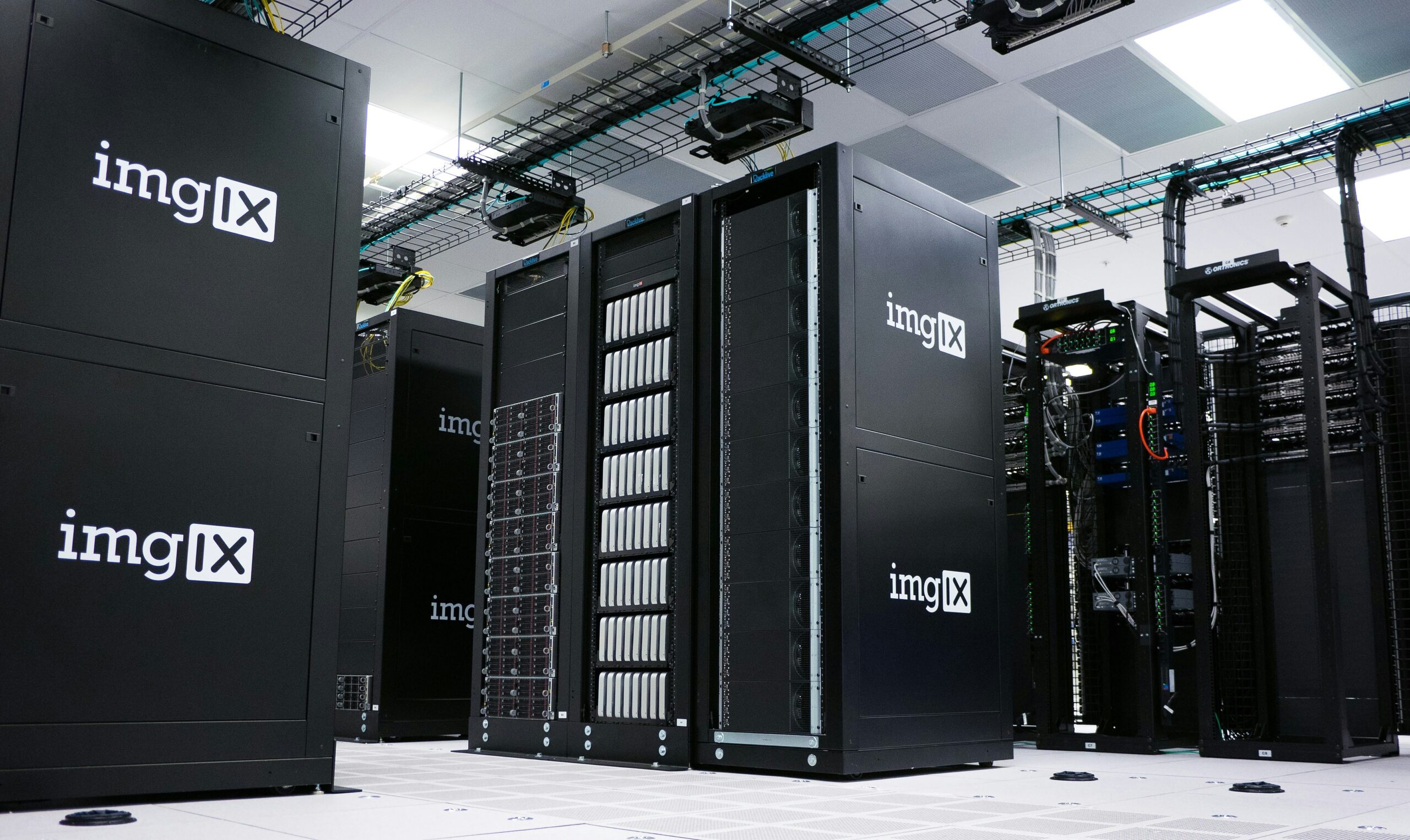
China’s CXMT advances its memory-chip technology, raising competition concerns for Micron, Samsung and SK Hynix amid semiconductor market volatility.
Focus Keyphrase: CXMT memory chips
Secondary Keywords: CXMT stock sell-off, Chinese semiconductor industry, Micron stock, Samsung Electronics, SK Hynix, DRAM memory chips, semiconductor stocks
Category: Global Economy, Technology, Stock Market
Tags: CXMT, semiconductor industry, artificial intelligence, Micron Technology, Samsung Electronics, SK Hynix, China technology, global markets
Introduction: China’s Memory Chip Ambitions Shake Global Markets
China’s expanding semiconductor industry is creating a new competitive challenge for some of the world’s largest technology companies. On October 13, 2026, memory-chip stocks faced selling pressure as investors assessed reports about technological progress by ChangXin Memory Technologies, better known as CXMT.
The development has raised concerns about whether Chinese manufacturers could eventually challenge established suppliers, increase competition and weaken memory-chip pricing power.
Micron Technology, Samsung Electronics and SK Hynix are among the major companies investors are watching. Their future performance will depend not only on demand for memory chips but also on manufacturing efficiency, technological innovation and the industry’s ability to maintain profitable prices.
For investors, the central question is whether CXMT can turn its technological progress into commercially competitive products capable of changing the global memory market.
What Is CXMT?
ChangXin Memory Technologies is a Chinese semiconductor manufacturer specializing in dynamic random-access memory, commonly known as DRAM.
DRAM provides temporary, high-speed storage for data that processors need to access quickly. It is widely used in computers, smartphones, servers and data centers.
The global DRAM market has traditionally been dominated by three major suppliers: Samsung Electronics, SK Hynix and Micron Technology. Their manufacturing expertise, research investments and customer relationships have helped them maintain leading positions.
China, meanwhile, has been working to strengthen its domestic semiconductor industry and reduce reliance on foreign suppliers. CXMT is an important part of that strategy.
Its progress matters because greater competition in memory manufacturing could affect supply, pricing and profitability across the international semiconductor industry.
Why CXMT’s New Technology Has Raised Concerns
Reports about CXMT’s progress on a new DRAM cell architecture have attracted investor attention. The company has indicated plans to introduce a new server-memory product based on this technology by the end of 2026.
Memory-cell architecture influences how much data can be stored within a given area of silicon. Improvements can potentially increase memory density and manufacturing efficiency.
However, a technological announcement does not automatically establish that a company can manufacture chips reliably at scale. Production yields, performance, power consumption, reliability and manufacturing costs all influence commercial success.
CXMT must also demonstrate that its products can satisfy the technical and quality requirements of major customers.
The market reaction reflects concerns about future competition rather than proof that established manufacturers have already lost significant market share.
How the Development Could Affect Micron, Samsung and SK Hynix
Micron Technology
Micron is a leading U.S. manufacturer of memory and storage products. Its business has benefited from demand for memory used in computing infrastructure and AI servers.
If CXMT eventually supplies competitive DRAM products at scale, Micron could face additional pricing pressure in certain market segments. Lower prices could affect revenue growth and profit margins, depending on demand, production costs and the company’s product mix.
Investors should distinguish between the potential long-term competitive threat and Micron’s current financial performance. CXMT’s progress does not, by itself, establish that Micron’s earnings will decline.
Samsung Electronics
Samsung is a major global memory supplier with operations spanning several technology markets.
Competition from CXMT could increase pressure on Samsung to improve manufacturing efficiency, accelerate product development and protect its market position.
The impact will depend on how quickly CXMT expands production and whether its products can compete on cost, quality and performance.
SK Hynix
SK Hynix is an important supplier of memory used in advanced computing systems and AI infrastructure.
Although CXMT’s progress could create longer-term competitive pressure, not all memory products are interchangeable. Conventional DRAM, server memory and high-bandwidth memory used in advanced AI accelerators have different technical requirements.
CXMT’s reported advances therefore do not mean it can immediately replace the most advanced products supplied by established manufacturers.
For all three companies, the important indicators will be memory pricing, customer demand, manufacturing costs and future earnings.
Could China Challenge the Global Memory Industry?
China’s semiconductor strategy aims to strengthen domestic production capabilities and reduce dependence on foreign technology suppliers. CXMT’s development illustrates the potential implications for international manufacturers.
If the company successfully develops competitive products and increases production, it could become a more significant supplier to Chinese customers. Over time, stronger domestic supply could also put pressure on prices in selected market segments.
Several challenges remain:
-
Manufacturing scale: Semiconductor companies must achieve consistent quality and efficient production, not simply develop a functioning chip.
-
Customer qualification: Server manufacturers and other large customers typically require extensive testing before adopting new memory products.
-
Equipment access: U.S. export controls and other restrictions can complicate China’s access to certain advanced semiconductor technologies and manufacturing equipment.
-
Established competition: Samsung, SK Hynix and Micron have extensive manufacturing experience, research capabilities and customer relationships.
These factors mean that CXMT’s technological progress should not be confused with an immediate transformation of the global memory market.
What the Sell-Off Means for Semiconductor Investors
The latest market reaction highlights the importance of competition in an industry that has attracted substantial investment because of rising demand for advanced computing infrastructure.
Even when overall demand grows, individual manufacturers can experience weaker profitability if supply expands faster than consumption or competitors offer lower prices.
Investors should monitor five important indicators:
-
DRAM pricing: Changes in contract prices can indicate whether supply and demand are becoming less favorable to manufacturers.
-
CXMT production progress: Manufacturing yields, product availability and production capacity will help determine its competitive position.
-
Customer adoption: Confirmed commercial orders would provide stronger evidence of CXMT’s market impact.
-
Company earnings: Revenue, gross margins, capital expenditure and management guidance can reveal whether established suppliers are maintaining their financial strength.
-
AI infrastructure spending: Continued investment in data centers could support memory demand, although it does not guarantee that every supplier will maintain high profit margins.
A decline in a company’s share price does not necessarily mean its underlying business has deteriorated. Investors must assess whether valuations reflect realistic expectations for future earnings and competitive conditions.
Does the Sell-Off Signal a Wider AI Market Correction?
Not necessarily. The latest developments raise questions about semiconductor competition and profitability, but they do not prove that demand for artificial intelligence is declining.
AI infrastructure requires memory, processors, networking equipment, electricity and cooling systems. The expansion of this infrastructure can support demand across several technology markets.
However, the financial benefits will not be distributed equally among suppliers. Companies facing stronger competition or rising costs could experience weaker margins even while the broader AI industry continues to grow.
The more immediate issue is whether semiconductor valuations and profit expectations adequately account for potential changes in competition and supply.
What to Watch Next
The next stage of CXMT’s development will be important in determining whether the reported technological advance becomes a meaningful commercial challenge.
Investors should look for:
-
Further details about the new memory architecture and its performance.
-
Evidence of reliable mass production and competitive manufacturing costs.
-
Customer announcements and commercial product adoption.
-
Changes in DRAM prices and industry supply.
-
New earnings guidance from Micron, Samsung and SK Hynix.
These developments will help establish whether the latest sell-off reflects short-term uncertainty or a more substantial change in the industry’s competitive outlook.
Conclusion: Competition Becomes a Key Risk for Memory-Chip Makers
CXMT’s reported technological progress has added a new dimension to the global semiconductor outlook. The possibility of stronger Chinese competition is prompting investors to reconsider the long-term pricing power of established memory manufacturers.
Micron, Samsung and SK Hynix remain major industry participants, but their future performance will depend on manufacturing efficiency, product innovation and their ability to respond to new competitors.
CXMT must still demonstrate that it can produce competitive memory chips reliably and at scale. Until more commercial evidence emerges, the full impact on established suppliers remains uncertain.
For investors, the key issue is whether memory demand can continue growing without a significant deterioration in pricing and profitability as additional suppliers enter the market.
Frequently Asked Questions
What is CXMT?
ChangXin Memory Technologies is a Chinese semiconductor manufacturer specializing in DRAM memory chips used in computers, servers and other electronic devices.
Why are memory-chip stocks under pressure?
Reports about CXMT’s technological progress have raised concerns about future competition and potential pricing pressure. The market reaction reflects expectations about future industry conditions, not necessarily an immediate decline in company earnings.
How could CXMT affect Micron stock?
If CXMT develops competitive products and manufactures them at scale, it could increase competition in certain DRAM markets. The effect on Micron will depend on pricing, customer demand, manufacturing costs and product mix.
Could CXMT replace Samsung and SK Hynix?
Not immediately based on the information available. Established suppliers have substantial manufacturing experience, and different memory products require different levels of technical capability. CXMT would need to demonstrate reliable production and meaningful customer adoption.
Does the development mean the AI boom is ending?
No. Stronger memory-chip competition does not necessarily indicate declining AI demand. It could, however, change which semiconductor companies benefit most from continued investment in computing infrastructure.
What should investors watch?
Key indicators include DRAM prices, CXMT’s manufacturing progress, customer adoption, semiconductor earnings and changes in production capacity.
Sources and Further Reading
-
Reuters: Reporting on U.S. chip stocks and Chinese memory competition
-
Yahoo Finance: Reporting on Micron and SK Hynix shares
-
The Guardian: Reporting on semiconductor shares and AI investment concerns
-
Associated Press: Chinese memory chipmaker CXMT and its Shanghai share listing
Editorial note: Consult the original CNBC report and linked coverage to verify the latest market movements and company announcements before publication.
Investment Disclaimer: This article is for informational and educational purposes only. It does not constitute investment, financial or trading advice. Semiconductor stocks can be volatile. Readers should independently evaluate company disclosures, financial statements and personal risk tolerance before making investment decisions.




0 Comments