
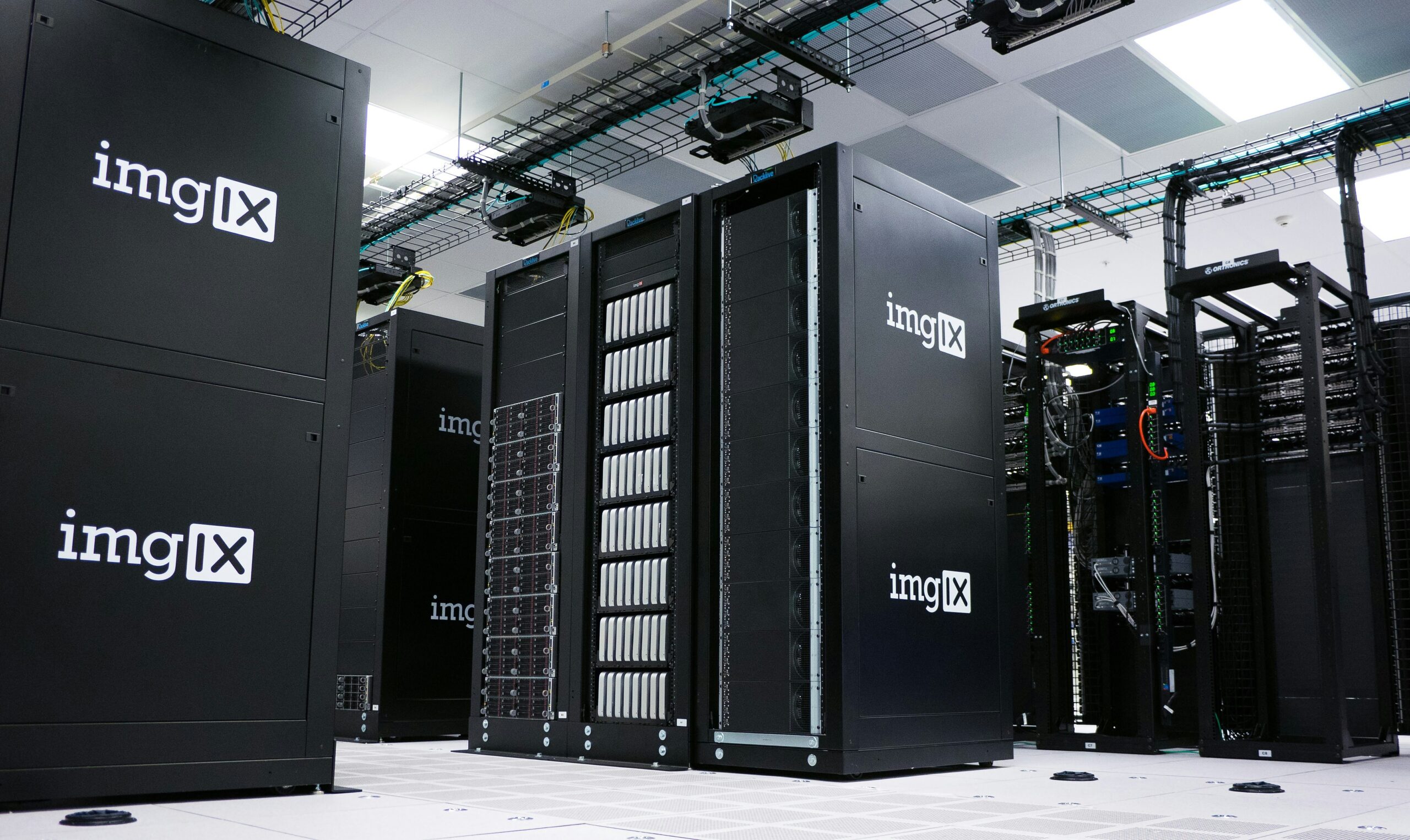
Memory stocks face renewed pressure as China’s CXMT advances its chip technology, raising competition concerns for Micron, Samsung and SK Hynix amid booming AI demand.
Focus Keyphrase: memory stocks China competition
📉 Memory Stocks Face a New Challenge From China
The global semiconductor industry is confronting a new competitive challenge as Chinese memory-chip manufacturer ChangXin Memory Technologies (CXMT) advances its technology, raising concerns about the future profitability of established companies such as Micron Technology, Samsung Electronics and SK Hynix.
On October 15, 2026, renewed selling pressure hit memory-related stocks as investors reassessed the competitive outlook for the industry. The concerns come after reports that CXMT has made progress on a memory-chip design intended to increase storage density, potentially strengthening China's position in a market increasingly important to artificial intelligence (AI) infrastructure.
Micron, Samsung and SK Hynix have benefited from strong demand for memory used in AI servers and data centers. However, their recent stock-market performance illustrates how quickly investor sentiment can change when new competitors threaten the pricing power of established manufacturers.
The central question for investors is whether China's technological progress will eventually translate into large-scale production, commercially competitive products and meaningful market-share gains.
🇨🇳 China's CXMT Raises Competition Concerns
CXMT is seeking to strengthen China's domestic semiconductor industry by developing memory technology that could compete more directly with international suppliers.
Recent reports about progress on a denser DRAM architecture have raised concerns among investors. DRAM, or dynamic random-access memory, provides temporary working memory for computers, servers and other electronic devices.
A more efficient chip design could potentially allow manufacturers to store more data within a given physical area. Depending on manufacturing costs, production yields and performance, such improvements could help reduce costs and make products more competitive.
However, a reported technology breakthrough does not automatically mean that a manufacturer can produce chips economically at high volumes. Semiconductor companies must demonstrate that their designs can be manufactured consistently, meet customer requirements and deliver competitive performance in demanding applications.
CXMT therefore represents a developing competitive risk rather than proof that established global memory manufacturers are about to lose their technological advantages.
The distinction matters because financial markets often react to the possibility of future competition well before that competition has a measurable effect on company earnings.
💻 Why Micron, Samsung and SK Hynix Matter to AI
Memory chips have become a critical component of the global AI investment cycle. While graphics processing units (GPUs) receive considerable attention, AI systems also depend on fast, reliable memory to move and process enormous quantities of data.
Three major manufacturers occupy important positions in this ecosystem.
Micron Technology: A Major U.S. Memory Supplier
Micron Technology is a major American semiconductor manufacturer producing DRAM, NAND flash memory and high-bandwidth memory (HBM).
HBM is particularly important for advanced AI accelerators because it provides high-speed access to the data needed for computational workloads. As technology companies expand their data-center infrastructure, demand for advanced memory has become an important growth opportunity for Micron.
Nevertheless, strong demand does not eliminate competitive risks. If additional suppliers eventually offer comparable products at lower prices, Micron could face pressure on margins, customer negotiations and future revenue growth.
Investors must also consider the difference between near-term demand and the longer-term economics of semiconductor manufacturing. A market can remain supply-constrained today while attracting new production capacity that changes competitive conditions in subsequent years.
Samsung Electronics: Scale and Manufacturing Capabilities
South Korea's Samsung Electronics is a major supplier of memory chips and operates across several semiconductor and electronics markets.
Its manufacturing scale and technological resources provide important competitive advantages. However, large manufacturing operations also require substantial investment in equipment, research and development, and production facilities.
Competition from Chinese manufacturers could create additional pressure if lower-cost memory products become widely available. Samsung's ability to maintain its technological position, manufacturing efficiency and customer relationships will remain important to its long-term performance.
The company also faces the challenge of balancing investment in advanced memory products with the economics of a cyclical semiconductor market.
SK Hynix: Exposure to Advanced AI Memory
SK Hynix has become an important supplier of advanced memory used in AI computing systems, particularly high-bandwidth memory.
Its position makes the company especially relevant to the expansion of AI infrastructure. However, investors are increasingly evaluating whether the exceptional demand supporting advanced memory prices can persist as competitors expand their technological capabilities.
SK Hynix also faces the complex task of managing production capacity across different memory categories while navigating geopolitical restrictions affecting semiconductor equipment and manufacturing operations in China.
Its longer-term outlook will depend on technological execution, customer demand, pricing conditions and its ability to maintain competitive advantages in advanced memory.
🤖 AI Demand Remains a Major Industry Support
The latest stock-market concerns should not obscure the underlying importance of memory chips to artificial intelligence.
AI models require substantial computing power, but their performance also depends on how efficiently data moves between processors and memory. Large technology companies are therefore investing in data centers, advanced processors, networking equipment and increasingly sophisticated memory systems.
This investment has created significant opportunities for semiconductor suppliers.
The strongest demand is not necessarily distributed equally across all memory products. Advanced AI applications can require specialized technologies that are more difficult to manufacture than conventional memory. Consequently, competition in standard DRAM does not automatically translate into immediate competition in every advanced memory category.
For Micron, Samsung and SK Hynix, the ability to develop and manufacture advanced products remains a key factor in protecting profitability.
Yet the industry faces a difficult balancing act. Companies must invest enough to meet future demand without creating excessive production capacity that could eventually push prices lower.
If AI infrastructure spending continues to expand rapidly, memory suppliers may retain strong opportunities. If spending slows or supply increases faster than demand, earnings expectations could face pressure even without a major technological breakthrough from China.
📊 Why Investors Are Reassessing Memory Stocks
The recent sell-off reflects several overlapping concerns rather than a single development.
First, competition could increase. If CXMT successfully commercializes more advanced memory designs, established suppliers could eventually face greater pricing pressure in some product categories.
Second, AI valuations are under scrutiny. Investors are questioning whether the enormous investments in AI infrastructure will generate sufficient returns. Any reassessment of spending expectations can affect companies supplying the industry.
Third, semiconductor stocks are cyclical. Memory prices and profitability have historically moved through periods of shortage and oversupply. Expectations for future supply can therefore have a substantial effect on share prices.
Fourth, expectations may already be elevated. When investors anticipate sustained growth and strong profit margins, even a potential competitive threat can trigger a significant reassessment of company valuations.
These factors help explain why share prices can decline even when the long-term demand for memory technology remains substantial.
The market is attempting to determine whether the sector's recent growth represents a durable improvement in industry economics or a particularly strong phase of the semiconductor cycle.
🌏 Semiconductor Competition Has Become a Geopolitical Issue
China's ambitions in memory manufacturing are part of a broader international contest over semiconductor technology.
The United States has imposed restrictions on certain advanced semiconductor technologies and chipmaking equipment destined for China, citing national-security and strategic concerns. These restrictions complicate manufacturers' decisions about where to invest, which equipment they can access and how they operate facilities across international markets.
South Korean manufacturers have a particularly complex position because they operate global production networks and have established interests in both the United States and China.
Any change in export licensing or equipment restrictions can influence manufacturing costs, production schedules and investment decisions. These issues are increasingly relevant as governments encourage semiconductor production within their own borders.
For investors, geopolitical developments are no longer a secondary consideration. They can affect the competitive landscape, the location of new factories and the ability of manufacturers to upgrade existing facilities.
China's efforts to expand its domestic semiconductor capabilities could also reshape supply chains over time. However, the pace of that transformation will depend on technological progress, access to equipment, manufacturing yields and demand from customers.
🔍 What Investors Should Watch Next
Several indicators will help determine whether the current pressure on memory stocks signals a temporary correction or a more significant change in the industry.
-
CXMT's production progress: Investors will want evidence that its reported design advances can translate into reliable, high-volume manufacturing.
-
Memory-chip pricing: Sustained price declines could put pressure on profit margins across the industry.
-
AI infrastructure spending: Investment by major cloud providers and technology companies will influence demand for advanced memory.
-
High-bandwidth memory competition: Developments in HBM technology will be especially important for suppliers serving AI accelerators.
-
Company earnings and guidance: Revenue growth, gross margins, capital expenditure and customer commitments will provide evidence of underlying business conditions.
-
U.S.–China semiconductor policy: Export controls and licensing decisions could affect equipment access and the economics of manufacturing in different countries.
These indicators provide a more useful framework than interpreting a single session of stock-market losses as a definitive judgment on the industry's future.
🧭 Outlook: A More Competitive Era for the Memory Industry
The pressure on Micron, Samsung and SK Hynix highlights a central tension in the semiconductor market: demand for AI computing is creating substantial growth opportunities, while technological advances and new competitors could eventually change how those opportunities are distributed.
China's CXMT has attracted attention because memory chips are strategically important to both commercial computing and the development of domestic AI infrastructure. If the company achieves competitive performance and manufacturing scale, its progress could have implications for global pricing and market share.
However, the established manufacturers retain important capabilities in research, manufacturing and advanced memory development. The timing and commercial impact of any competitive shift remain uncertain.
For the global technology industry, the stakes extend beyond stock prices. Memory manufacturing affects AI development, cloud computing, data-center investment and international semiconductor supply chains.
The next phase of competition will depend on more than who announces a promising chip design. It will depend on who can manufacture reliable products at scale, satisfy demanding customers and sustain attractive economics as the industry evolves.
For investors, the key issue is whether the AI-driven memory boom can continue generating strong earnings as competition intensifies. That question will remain central to the outlook for Micron, Samsung, SK Hynix and the wider semiconductor sector.
Financial disclaimer: This article is for informational and educational purposes only and does not constitute investment advice, a recommendation to buy or sell securities, or a guarantee of future performance. Semiconductor stocks can be volatile, and investors should conduct their own research and consider their financial circumstances before making investment decisions.




0 Comments