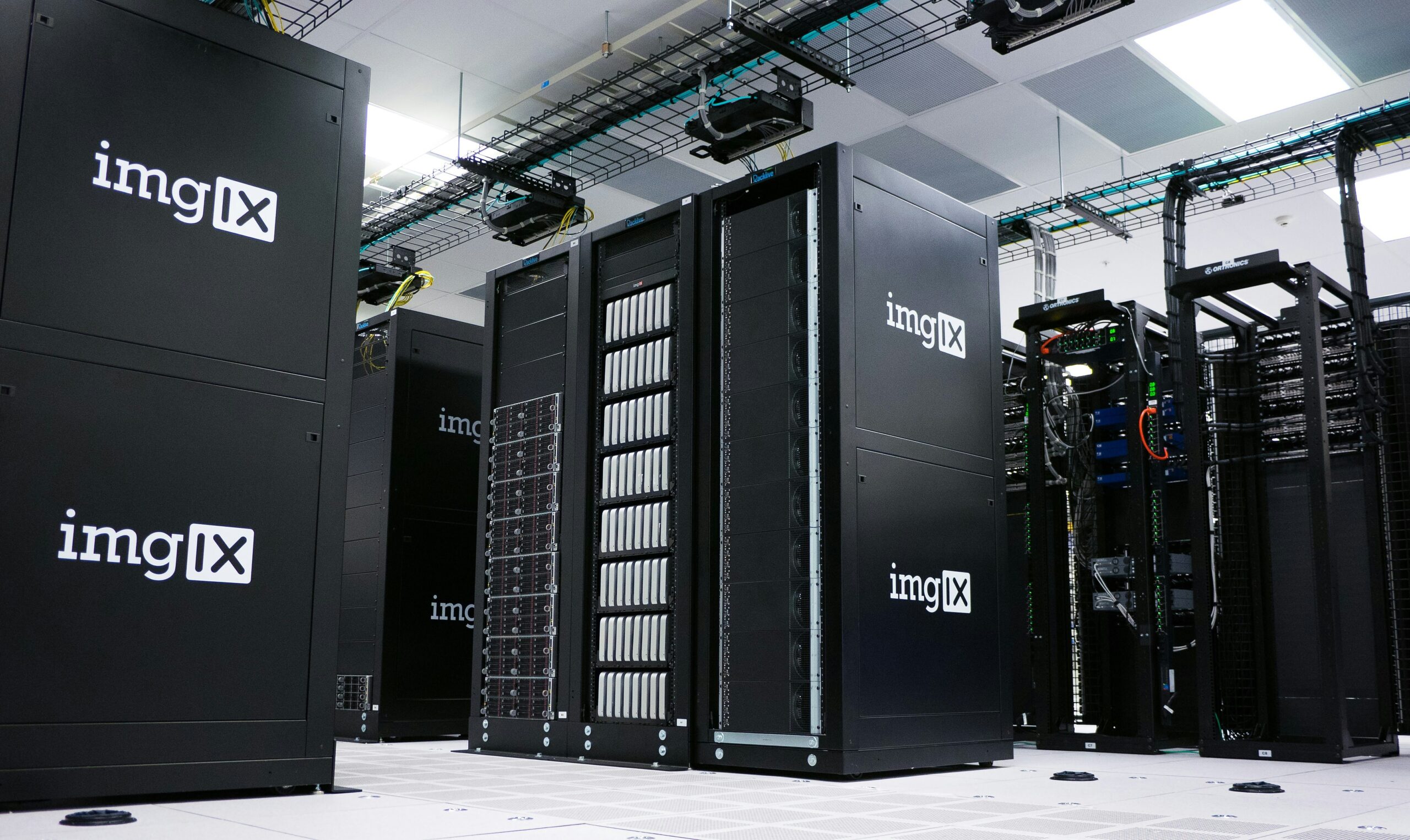
Malaysia is building a 2,300-acre Silicon Island near Penang to expand semiconductor manufacturing, attract global investment and capitalize on the artificial intelligence boom.
Focus Keyphrase: Malaysia Silicon Island
Category: Technology, Business & Economy, Asia
Tags: Malaysia, Silicon Island, semiconductors, artificial intelligence, AI chips, Penang, global economy, technology investment, Southeast Asia
🌏 Malaysia Bets on a New Artificial Island to Become a Bigger Semiconductor Powerhouse
Malaysia is making an ambitious bet on the future of technology with the development of Silicon Island, a 2,300-acre artificial island off the coast of Penang designed to expand the country’s semiconductor industry and attract investment linked to the global artificial intelligence boom.
The project could generate approximately 1.1 trillion Malaysian ringgit (US$269 billion) in cumulative economic output through 2050 and help create around 220,000 jobs, according to estimates cited by the project’s developers. The development is intended to strengthen Malaysia’s position in the international electronics supply chain while moving its economy toward higher-value technology activities.
The initiative comes as technology companies around the world invest heavily in AI infrastructure, advanced computing systems and the semiconductor components required to power increasingly sophisticated digital services.
For Malaysia, Silicon Island represents more than a major land reclamation project. It is an attempt to turn decades of experience in electronics manufacturing into a more competitive position in the next generation of global technology.
Source: VnExpress International, October 9, 2026.
🏭 Why Malaysia Is Building Silicon Island
Penang has developed into one of Southeast Asia’s most important electronics manufacturing centers over several decades. International technology companies established operations in the region beginning in the early 1970s, helping create an industrial ecosystem of factories, suppliers, engineers and supporting businesses.
Companies including Intel and AMD have established or expanded operations in the broader Penang manufacturing cluster. The region’s accumulated experience has helped Malaysia become an important participant in global semiconductor production.
However, Penang faces a new challenge: available industrial land is becoming increasingly constrained as manufacturers seek to expand their facilities.
Silicon Island is intended to provide additional space for industrial development while creating infrastructure to support the next stage of the semiconductor industry.
The project is being developed through a joint venture involving Malaysian infrastructure company Gamuda and the Penang state government. Gamuda holds a 70% stake in the development venture, while the state government owns the remaining 30%.
According to project information reported by VnExpress, construction is underway, including land reclamation and the development of a bridge connecting the new island with Penang Island.
The first industrial operations are expected to begin in early 2029, although the broader development could take approximately 15 years to complete.
💻 From Chip Assembly to Advanced Semiconductor Technology
One of Malaysia’s biggest opportunities is to move beyond its traditional strengths in semiconductor assembly, testing and related manufacturing activities.
These functions are essential to the global chip supply chain. However, advanced chip design, sophisticated packaging technologies and other specialized activities can provide additional opportunities for technological development and economic value creation.
Silicon Island is expected to include a Green Tech Park of approximately 700 acres focused on chip design, advanced packaging and automated testing.
Advanced packaging has become particularly important as chipmakers develop increasingly powerful processors for AI computing, cloud infrastructure and other demanding applications. Packaging technologies help integrate semiconductor components into systems capable of delivering greater performance and efficiency.
By attracting companies involved in these activities, Malaysia hopes to strengthen its technological capabilities and create more opportunities for skilled employment.
The strategy also has implications for local suppliers, engineering services, industrial equipment providers and businesses supporting semiconductor production.
Nevertheless, building a competitive semiconductor ecosystem requires more than providing industrial land. Companies also need reliable infrastructure, skilled workers, research capabilities, competitive operating costs and predictable policies.
Malaysia’s ability to deliver these supporting conditions will help determine whether Silicon Island becomes a major technology center or primarily another industrial development.
🤖 The Artificial Intelligence Boom Creates a Strategic Opportunity
Artificial intelligence is changing the economics of the global semiconductor industry.
Technology companies are investing in AI data centers, specialized processors, networking equipment and computing infrastructure to support advanced AI models and digital services. These investments are creating opportunities across the semiconductor supply chain, including manufacturing, testing, packaging and equipment.
Malaysia is positioning Silicon Island to benefit from this demand.
The country already has experience in electronics manufacturing, established industrial relationships and a location within Asia’s interconnected technology supply chains. Expanding these advantages could help attract companies looking for additional production capacity.
The AI boom is also encouraging businesses to diversify their manufacturing networks. Geopolitical tensions and concerns about concentrated supply chains have increased interest in developing production capabilities across multiple countries.
Malaysia could benefit from this shift if it offers companies an attractive combination of infrastructure, talent, operating costs and supply-chain access.
However, the opportunity should not be confused with a guarantee of success. Semiconductor investment is cyclical, capital-intensive and sensitive to changes in technology, trade policy and global demand.
Silicon Island will need to attract actual industrial tenants and long-term investment commitments to turn the promise of AI-driven growth into lasting economic benefits.
💰 A Potential RM1.1 Trillion Economic Contribution
The financial ambitions surrounding Silicon Island are substantial.
A Deloitte study cited by the developers estimates that the project could contribute approximately RM1.1 trillion (US$269 billion) in cumulative economic output through 2050 and attract around RM75 billion in investment.
The development is also expected to support approximately 220,000 jobs by 2050 across high-technology industries, the creative economy and modern services.
These figures represent long-term projections rather than guaranteed outcomes. The actual economic contribution will depend on the pace of construction, investor demand, industrial activity and the development of supporting infrastructure.
The project is expected to cost approximately RM14 billion for land reclamation and infrastructure.
Its broader economic effects could extend beyond semiconductor manufacturers. Hotels, restaurants, retailers, transport providers, housing developers and professional services firms could benefit if the island attracts a substantial workforce and a steady flow of business activity.
Local suppliers could also gain opportunities to serve new industrial tenants, although the scale of these benefits will depend on how much procurement and specialized work can be carried out within Malaysia.
For investors and policymakers, the distinction between projected economic output and direct investment is important. The headline economic figure describes a potential cumulative contribution over many years, not money that will immediately flow into government budgets or company revenues.
🌐 Competition With Singapore, Vietnam and India
Malaysia is not pursuing semiconductor investment in isolation.
Singapore has an established semiconductor ecosystem, strong research capabilities and a reputation for advanced manufacturing. Vietnam is seeking to expand its role in electronics and chip-related activities, while India is promoting semiconductor manufacturing and broader technology investment.
These economies compete for international capital, skilled workers, industrial projects and access to global technology companies.
Malaysia’s advantage lies partly in its existing electronics manufacturing base. Penang already has decades of experience and a network of industrial suppliers that can help new operations integrate into established production systems.
Silicon Island could strengthen that advantage by offering additional land and infrastructure for companies that want to expand their regional operations.
However, competition is likely to depend on more than financial incentives. Businesses also consider electricity supply, water availability, logistics, engineering talent, intellectual-property protection, regulatory consistency and access to customers.
Malaysia will need to demonstrate that Silicon Island can support reliable operations over the long term while remaining competitive against alternative locations.
The project’s success could also influence Southeast Asia’s broader economic development, as countries seek to capture a larger share of the value generated by AI and advanced computing.
🌱 Environmental Concerns and the Cost of Land Reclamation
Despite its industrial ambitions, Silicon Island faces environmental and social challenges.
Creating an artificial island requires extensive land reclamation, which can affect coastal ecosystems, marine habitats and fishing activities. Fishing communities and environmental groups have raised concerns about the development’s potential effects on livelihoods and the surrounding marine environment.
Penang authorities have introduced compensation and environmental protection measures for affected communities. However, the effectiveness of these measures will be important as construction advances.
Environmental management is particularly significant for a project that also intends to promote a green-technology identity.
Industrial developments must balance economic growth with responsible land use, water management, energy consumption and protection of natural ecosystems.
If environmental impacts are inadequately managed, the project could face additional costs, community opposition and reputational risks. Conversely, transparent monitoring, credible safeguards and meaningful engagement with affected communities could improve public confidence.
The development will therefore be judged not only by the number of factories it attracts, but also by how it manages the environmental and social consequences of creating new industrial land.
🏙️ More Than a Chip Manufacturing Zone
Silicon Island is planned as a broader urban and industrial development rather than an isolated collection of factories.
Plans include approximately 20,000 homes, offices, hotels, retail facilities and public spaces. Nearly one-fifth of the island’s area is intended to be reserved for green spaces.
A planned light-rail connection is expected to link the development with Penang International Airport and George Town, the state capital.
These elements could help make the island more attractive to workers, companies and visitors by combining industrial facilities with housing, services and transport connections.
However, integrated development creates additional challenges. Housing affordability, transportation capacity, public services and the timing of infrastructure construction will all influence whether the new district becomes a functioning economic center.
The island’s industrial objectives will ultimately need to remain aligned with the broader needs of Penang’s residents and businesses.
📈 What Silicon Island Means for Investors and the Global Economy
For investors, Silicon Island highlights the growing importance of semiconductor supply chains beyond the traditional leading manufacturing centers.
Malaysia’s established position in electronics gives it a foundation from which to pursue higher-value activities. If Silicon Island attracts advanced manufacturers and technology suppliers, it could support new industrial investment and strengthen the country’s role in regional production networks.
Potential beneficiaries could include industrial infrastructure providers, semiconductor equipment suppliers, logistics businesses and companies participating in the broader electronics ecosystem. However, the announcement alone does not establish that any particular company will benefit financially.
Investors should distinguish between long-term economic projections, announced investment intentions and confirmed commercial commitments. They should also assess construction risks, financing arrangements, execution timelines and exposure to semiconductor market cycles.
For the wider economy, the project illustrates how the AI boom is reshaping industrial policy. Countries are increasingly competing to attract not only technology research and software development, but also the physical infrastructure required to manufacture, package and test advanced chips.
This competition could bring new employment and investment to Southeast Asia. It may also intensify pressure on governments to improve infrastructure, train skilled workers and balance industrial expansion with environmental protection.
🔎 The Road Ahead: Can Malaysia Deliver on Its Silicon Island Ambitions?
Silicon Island offers Malaysia a significant opportunity to build on Penang’s existing manufacturing strengths and capture more value from the global semiconductor industry.
Its long-term prospects will depend on several factors:
- Investor commitments: Whether international semiconductor companies commit capital to factories and other industrial facilities.
- Technology upgrading: Whether Malaysia can attract advanced packaging, chip design and other higher-value activities.
- Workforce development: Whether education and training systems can supply enough skilled engineers and technicians.
- Infrastructure delivery: Whether transport, utilities and industrial facilities are completed on schedule.
- Environmental protection: Whether land reclamation and industrial development can proceed with credible safeguards.
- Global demand: Whether semiconductor and AI infrastructure investment remains strong enough to support new capacity.
The first industrial operations are expected in early 2029, meaning that the project’s commercial impact will unfold over time rather than immediately.
Malaysia’s challenge is to translate an ambitious physical development into a sustainable industrial ecosystem with strong local capabilities, competitive businesses and durable employment.
Conclusion: Malaysia’s Next Chapter in the Global Technology Race
Malaysia’s Silicon Island is an ambitious attempt to combine land reclamation, industrial infrastructure and semiconductor investment into a long-term economic strategy.
With a projected RM1.1 trillion contribution to economic output through 2050 and an employment target of approximately 220,000 jobs, the development has the potential to reshape Penang’s industrial landscape.
The opportunity is significant, but the outcome remains uncertain. Attracting investors, upgrading technological capabilities and managing environmental impacts will be essential to delivering the promised benefits.
As artificial intelligence drives demand for computing infrastructure, Malaysia is seeking to establish itself as a more important player in the semiconductor industry. Silicon Island could become a major part of that effort—provided its developers can turn long-term projections into real investment, productive businesses and sustainable economic growth.
Frequently Asked Questions (FAQ)
1. What is Malaysia’s Silicon Island?
Silicon Island is a planned 2,300-acre artificial island being developed off Penang, Malaysia, to expand semiconductor manufacturing and attract investment in advanced technology industries.
2. How much could Silicon Island contribute to Malaysia’s economy?
A Deloitte study cited by the developers estimates that the project could generate approximately RM1.1 trillion, or US$269 billion, in cumulative economic output through 2050.
3. How many jobs could Silicon Island create?
The development is expected to support approximately 220,000 jobs by 2050, although the actual number will depend on investment and industrial growth.
4. How will Silicon Island support the AI industry?
The project aims to attract companies involved in chip design, advanced packaging and automated testing—activities that support the wider semiconductor supply chain serving AI and other computing applications.
5. When will Silicon Island begin operating?
The first industrial operations are expected to begin in early 2029. The wider development could take approximately 15 years to complete.
6. What are the main risks facing Silicon Island?
Key risks include attracting sufficient industrial investment, developing skilled workers, competing with other semiconductor hubs, completing infrastructure on schedule and addressing environmental concerns linked to land reclamation.
Sources
- VnExpress International: https://e.vnexpress.net/news/tech/tech-news/southeast-asia-s-third-richest-country-builds-artificial-silicon-island-to-expand-chip-industry-5129881.html
- The Edge Malaysia (Bloomberg report): https://theedgemalaysia.com/node/820970
- Bernama: https://www.bernama.com/en/news.php?id=2542018
- The Straits Times: https://www.straitstimes.com/asia/se-asia/malaysia-builds-a-new-silicon-island-to-house-its-ai-ambitions
Editorial note: Economic figures and job creation estimates are projections attributed to the project’s developers or cited studies. They should not be interpreted as guaranteed outcomes.




0 Comments