
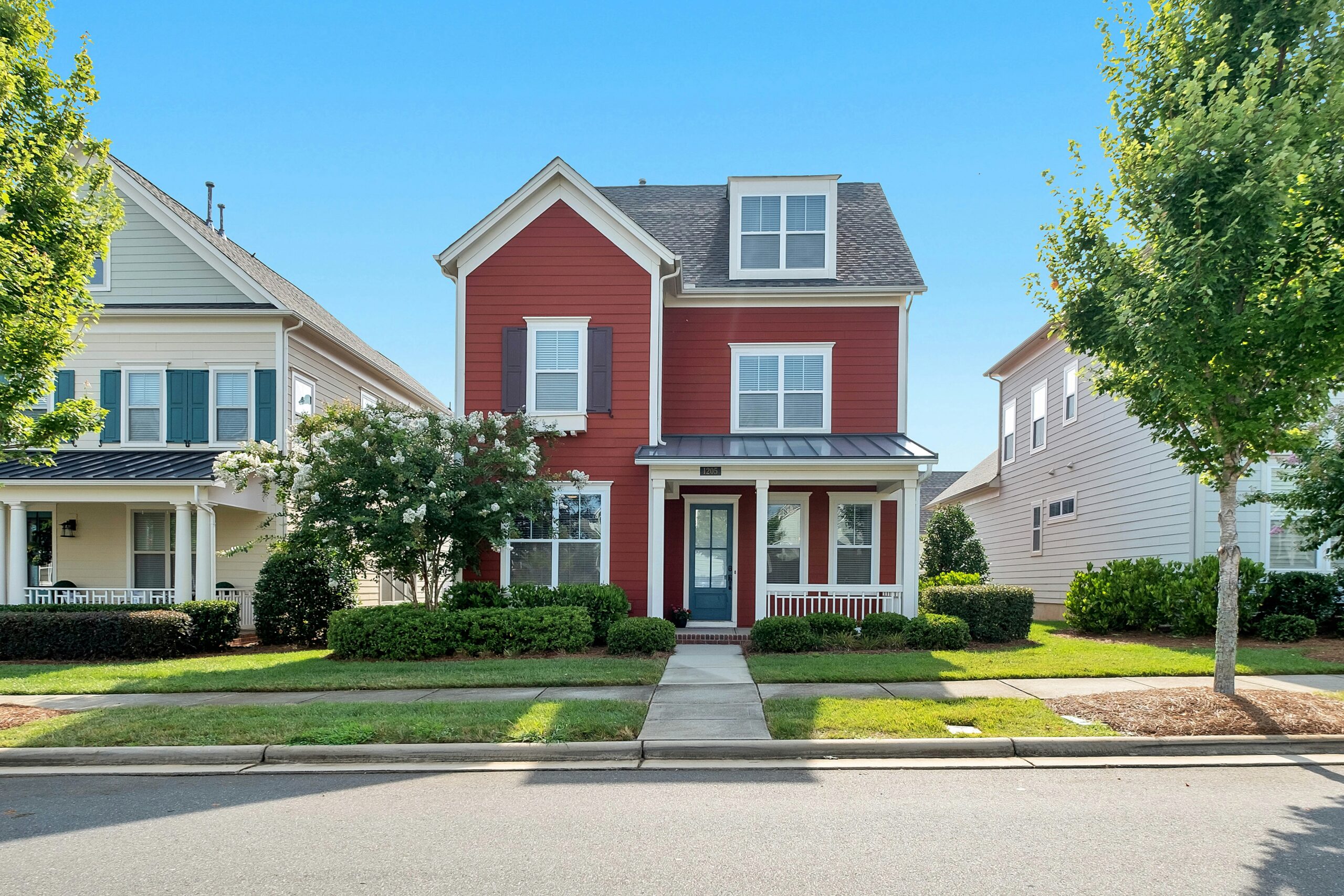
America's housing market is increasingly driven by luxury properties and cash buyers as high mortgage rates push first-time buyers and middle-class households further away from homeownership.
Focus Keyphrase: America's housing market
America's Housing Market Is Splitting Into Two Different Real Estate Markets
The American housing market is undergoing a significant transformation. While millions of households struggle with high home prices and expensive mortgages, affluent buyers continue to purchase luxury properties, often using cash or substantial down payments to avoid the cost of borrowing.
The result is an increasingly divided real estate market in which the most expensive homes are supporting national price growth even as entry-level housing becomes less accessible to ordinary buyers.
According to The Wall Street Journal, rising mortgage rates and the financial strength of wealthy purchasers are reshaping the relationship between luxury housing and the broader residential market. The trend is also influencing homebuilders, property prices and the prospects for first-time buyers.
The shift raises an important question for the U.S. economy: What happens when the housing market increasingly rewards households that already possess significant wealth?
1. High Mortgage Rates Are Pushing Ordinary Buyers to the Sidelines
Mortgage costs have become one of the biggest obstacles facing American homebuyers. When interest rates rise, purchasing a property becomes more expensive even if the advertised sale price remains unchanged.
For first-time buyers, the challenge is particularly severe. Many must save for years to accumulate a down payment while simultaneously paying rent, covering everyday expenses and managing student loans or other financial obligations.
Higher borrowing costs compound the problem. A household that could previously qualify for a particular home may discover that the same property is no longer affordable under current lending conditions.
This pressure is contributing to weaker demand in some lower-priced housing segments. Potential buyers may postpone their purchases, search for smaller properties or remain renters for longer than anticipated.
Existing homeowners also face difficult decisions. Selling a property and purchasing another can mean taking on a mortgage at a substantially higher interest rate than the one they currently have.
Consequently, housing demand is becoming increasingly uneven. Buyers who depend on financing face significant constraints, while households with substantial liquid assets can continue shopping for properties with fewer financial obstacles.
2. Why Cash Buyers Have an Advantage in the Luxury Housing Market
Cash has become a major competitive advantage in America's high-end real estate market.
Wealthy purchasers can avoid mortgage interest payments and reduce their dependence on lenders. They may also be able to complete transactions with fewer financing-related conditions, making their offers attractive to sellers.
For buyers with considerable investment portfolios, business ownership or substantial equity from previous property sales, purchasing a home outright can be a practical financial decision.
Large down payments provide another advantage. Even when affluent buyers do not pay entirely in cash, borrowing a smaller portion of a property's value can make higher prices and interest rates easier to manage.
This creates an uneven playing field.
A middle-income household might need mortgage approval, careful budgeting and years of savings to compete for a home. A cash-rich buyer can often move more quickly and may have greater flexibility when negotiating a purchase.
In competitive luxury markets, sellers may favor offers that carry less financing risk. This can further strengthen the position of buyers who already have access to substantial capital.
The broader implication is that housing affordability increasingly depends not only on income but also on accumulated wealth, investment gains and existing property ownership.
3. Luxury Homes Are Helping Support National Property Prices
The growing divide between luxury and entry-level housing is changing how national home-price figures should be interpreted.
When expensive properties continue appreciating, they can help lift overall housing values even if more affordable homes experience slower growth or price declines.
The Wall Street Journal reports that luxury home prices have been outperforming entry-level properties across many major metropolitan areas. In 33 of the 50 largest metro areas examined, luxury prices were rising faster or declining more slowly than prices at the lower end of the market.
This pattern suggests that the American housing market cannot be understood through a single national price trend.
In some cities, wealthy buyers continue supporting high-end property values despite weakness elsewhere. San Francisco and Tampa illustrate how luxury housing can remain comparatively resilient even when less expensive segments encounter difficulties.
Other markets may follow different patterns depending on local employment, housing supply, population growth and economic conditions.
For prospective buyers, the distinction matters. A national report showing rising home prices does not necessarily mean every neighborhood or property category is experiencing the same conditions.
Similarly, a slowdown in entry-level prices does not automatically make housing affordable. Mortgage payments, insurance, taxes and other ownership costs can remain beyond the reach of households whose incomes have not kept pace with housing expenses.
4. Homebuilders Are Responding to Demand From Wealthier Buyers
The changing balance of demand is also affecting America's homebuilding industry.
Developers must decide which properties to build, where to build them and which buyers are most likely to complete a purchase. When entry-level buyers struggle to qualify for mortgages, building homes for more affluent customers can become a more attractive business strategy.
Luxury properties can offer higher selling prices and potentially larger profit margins. Builders may therefore prioritize higher-priced homes in markets where affluent households remain financially capable of purchasing real estate.
However, this strategy creates a potential mismatch between the types of homes being built and the needs of households seeking affordable places to live.
The United States continues to face housing affordability challenges in many metropolitan areas. If developers concentrate too heavily on expensive properties, first-time buyers may find fewer suitable options within their budgets.
The relationship is not entirely straightforward. Building more expensive homes can also encourage some existing homeowners to move into higher-priced properties, potentially freeing up less expensive homes for other buyers. The actual impact depends on how much housing is built, where it is located and whether supply meets local demand.
Nevertheless, the immediate financial incentives facing developers help explain why the luxury segment can remain active even when other parts of the housing market struggle.
5. The Wealth Gap Is Becoming a Housing Gap
Housing has traditionally served two important purposes in the United States: providing shelter and helping households accumulate wealth.
For homeowners, rising property values can increase equity and provide financial flexibility. Owners may eventually use that equity to purchase another property, fund retirement or support family members.
Renters and aspiring homeowners do not benefit from rising property values in the same way. When prices rise faster than their savings and earnings, the deposit required to enter the market becomes increasingly difficult to accumulate.
This creates a cycle that can reinforce existing wealth differences.
Households that already own valuable properties may benefit from appreciation and use their accumulated equity to purchase larger homes or investment properties. Households that remain renters must continue saving while facing potentially higher housing expenses.
The growing importance of cash purchases makes this divide especially visible in the luxury market.
For younger Americans and first-time buyers, the challenge extends beyond qualifying for a mortgage. They must compete in a market where some purchasers have financial resources accumulated over decades through homeownership, investments or family wealth.
The consequences can extend into other areas of the economy. Households spending a larger share of their income on housing have less money available for retirement savings, education, travel and consumer spending.
A housing market that increasingly favors existing wealth could therefore influence economic mobility and the financial security of future generations.
6. What the Housing Divide Means for the U.S. Economy
The divergence between luxury and entry-level housing carries implications beyond the real estate sector.
Residential construction supports employment across building trades, manufacturing, transportation and professional services. Home purchases also generate demand for furniture, appliances, renovation services and other household goods.
When financing costs discourage a broad range of buyers, fewer transactions can weaken these related industries. Even if luxury construction remains active, it may not fully offset reduced activity across more affordable housing segments.
The distribution of housing demand matters, too. Luxury construction can be economically valuable, but it does not automatically address shortages of homes that middle-income families can afford.
For policymakers, the challenge is to improve affordability without undermining the construction and investment needed to expand housing supply.
Potential approaches include reducing unnecessary barriers to residential construction, allowing more homes in high-demand areas, improving infrastructure and encouraging the development of a wider range of housing types.
Mortgage rates will remain an important influence on purchasing power. However, lower interest rates alone may not solve affordability problems if home prices remain high or available supply fails to meet demand.
The longer-term outcome will depend on the interaction between financing costs, construction, household incomes, demographic changes and the distribution of wealth.
7. Will Luxury Housing Remain More Resilient?
The current divergence does not guarantee that luxury real estate will continue outperforming the broader market.
Affluent buyers are less dependent on mortgage financing when they purchase with cash, but they are not entirely insulated from economic shocks. Falling stock markets, weaker business profits, reduced confidence or changes in employment conditions can affect demand for expensive properties.
Luxury housing can also face local oversupply. If developers build more high-end homes than buyers want, prices may weaken even when the wider economy remains relatively healthy.
Meanwhile, entry-level housing could regain momentum if mortgage rates decline, wages improve or more affordable properties become available.
The direction of the market will depend on these factors rather than on cash purchases alone.
For now, however, the distinction between buyers who rely on financing and those who can deploy substantial cash remains central to understanding America's housing market.
Conclusion: America's Housing Market Increasingly Rewards Existing Wealth
The U.S. housing market is becoming increasingly divided between affluent buyers who can continue purchasing expensive properties and households struggling with mortgage costs and rising home prices.
Cash purchases and large down payments help wealthy buyers remain active, while financing constraints limit opportunities for many first-time buyers. At the same time, developers have financial incentives to serve customers who can afford higher-priced homes.
This divide helps explain why luxury housing can support national home-price growth even as entry-level buyers face mounting affordability challenges.
The central issue is no longer simply whether American home prices are rising or falling. It is whether households across different income and wealth levels have a realistic opportunity to purchase a home.
Until financing becomes more manageable and the supply of appropriately priced housing improves, the advantages enjoyed by cash-rich buyers are likely to remain an important feature of the American real estate market.
Frequently Asked Questions (FAQ)
Why is America's luxury housing market outperforming entry-level housing?
Affluent buyers are better positioned to absorb high prices and interest rates. Many use cash or large down payments, while entry-level buyers depend more heavily on mortgages and face tighter affordability constraints.
Why are cash buyers important in real estate?
Cash buyers avoid mortgage financing and can make offers with fewer financing-related conditions. This can make their offers more attractive to sellers, particularly in competitive markets.
How do luxury homes affect national home prices?
When expensive homes appreciate, they can lift overall housing-price measures even when lower-priced properties experience slower growth or declines. National averages can therefore conceal significant differences between market segments.
Are homebuilders shifting toward luxury properties?
Builders may prioritize higher-priced homes when affluent demand remains strong and those projects offer attractive margins. However, development decisions vary by location, construction costs and local buyer demand.
Will lower mortgage rates make homes affordable again?
Lower rates can reduce monthly payments and improve purchasing power. However, affordability also depends on home prices, household incomes, available housing supply, property taxes and insurance costs.
What does the housing divide mean for first-time buyers?
First-time buyers may face greater competition from purchasers with substantial savings, existing home equity or family financial support. Improving affordability will require attention to both financing costs and the availability of homes within reach of ordinary households.
Source: The Wall Street Journal — America's New Housing Market Is All About Luxury—and It Runs on Cash
Editorial note: This article is an independent news analysis based on the reported housing-market trends. It is not financial or investment advice.




0 Comments