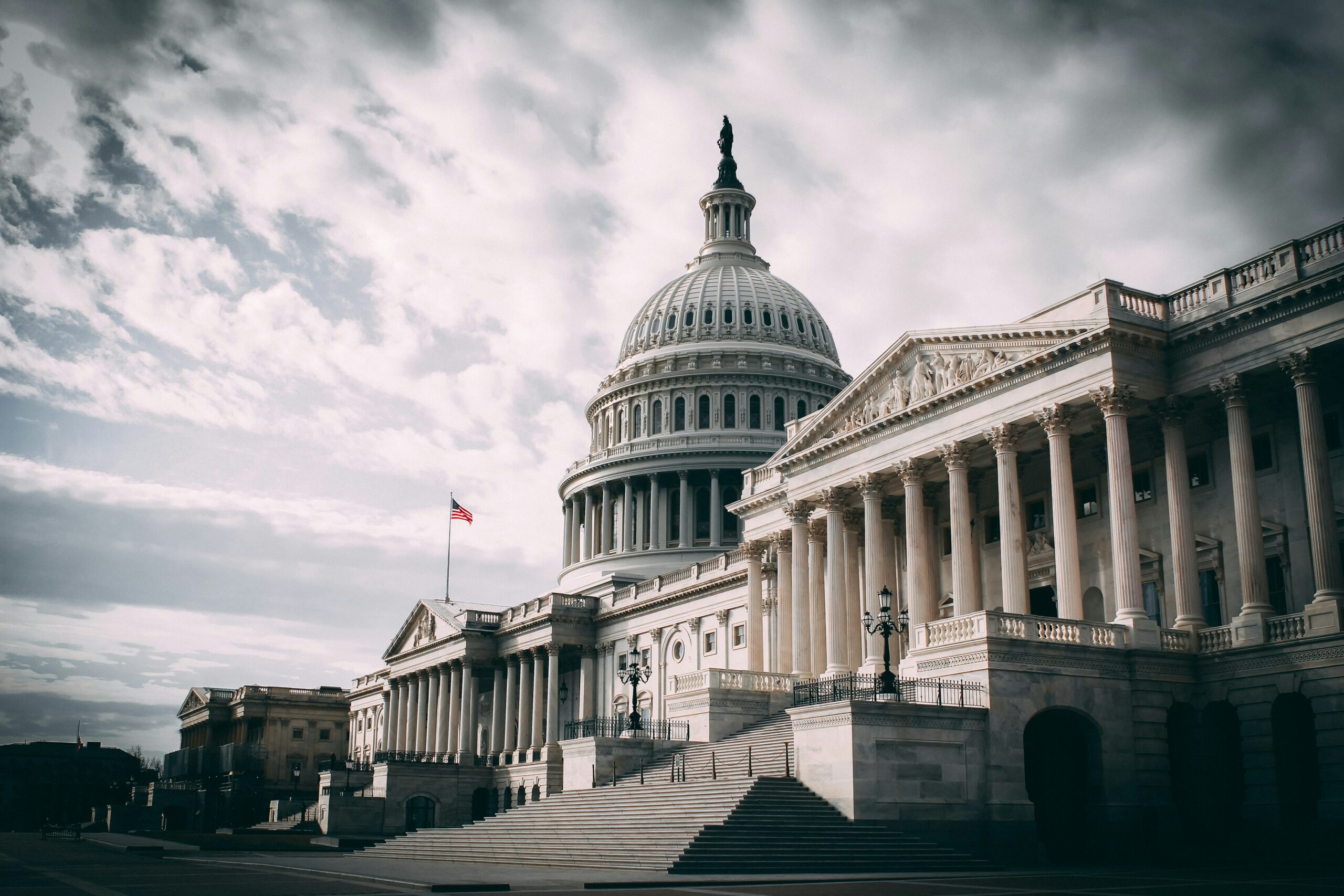
The U.S. State Department has paused immigrant visa applications worldwide for consular training and stricter public-charge screening. Here’s what applicants need to know.
Focus Keyphrase: U.S. immigrant visa applications paused
Secondary Keywords: U.S. immigrant visa pause, State Department visa applications, immigrant visa processing, Trump immigration policy, U.S. visa interview cancellations, public charge rule, green card visa, U.S. immigration 2026
Category: U.S. Politics / Immigration / Policy
Tags: U.S. immigration, immigrant visas, State Department, Donald Trump, visa applications, green cards, immigration policy, public charge rule, U.S. visas, immigration 2026
U.S. Pauses Immigrant Visa Applications Worldwide
The U.S. State Department has temporarily paused immigrant visa applications worldwide as the Trump administration moves to strengthen immigration screening and enforcement.
The department says the pause is connected to an intensive training initiative for consular officers and updated guidance concerning the longstanding “public charge” standard. The objective is to ensure that officers consistently evaluate whether prospective immigrants are likely to depend on U.S. government benefits.
The decision is already disrupting applicants who had planned interviews at U.S. embassies and consulates. Some applicants have received emails informing them that scheduled appointments have been postponed, while a clear timetable for resuming normal processing has not been announced.
For families waiting to reunite, employment-based immigrants preparing to relocate and other people seeking permanent residence in the United States, the pause introduces another layer of uncertainty into an already increasingly restrictive immigration system.
Why Did the State Department Pause Immigrant Visa Processing?
According to the State Department, the administration is conducting “in-depth training” so consular officers can apply updated public-charge guidance consistently.
The public-charge concept is intended to prevent the admission of immigrants who are considered likely to become primarily dependent on certain government benefits. The Trump administration is placing greater emphasis on financial self-sufficiency as part of its broader immigration strategy.
The State Department said the new training is designed to make sure officers have the tools necessary to conduct comprehensive evaluations of applicants.
The administration argues that the policy is about protecting U.S. taxpayers and ensuring that people admitted for permanent residence can support themselves financially. Critics, however, are concerned that expanded financial scrutiny could make legal immigration more difficult, particularly for applicants from lower-income countries.
Immigrant Visa Interviews Are Being Postponed
One of the most immediate consequences is the postponement of visa interviews.
Applicants who had already scheduled interviews at American embassies and consulates have reportedly received notifications that their appointments will be rescheduled. In some cases, applicants have not yet been given a replacement date.
That creates practical problems for people who have already spent money on:
- Medical examinations
- Travel arrangements
- Document preparation
- Legal fees
- Application fees
- Relocation plans
- Housing arrangements
- Family travel
For applicants living outside the United States, an uncertain interview date can make planning a permanent move particularly difficult.
The State Department has not provided a definitive date for when the temporary disruption will end.
This Is Not the Same as a Tourist Visa Ban
An important distinction is that the current action concerns immigrant visas, which are generally used by people seeking to move permanently to the United States.
It does not automatically mean that every category of temporary visitor visa has been suspended.
Short-term travelers, including many tourists and business visitors, fall under nonimmigrant visa categories. Reporting on the current pause indicates that routine short-term travel is not covered by this specific immigrant visa freeze.
That distinction matters because the headline “U.S. pauses immigrant visas” could otherwise be interpreted as meaning that all international travel to the United States has stopped.
It has not.
The policy instead targets the permanent immigration system at a time when the administration is pursuing a much broader review of legal and illegal immigration.
A Broader Trump Administration Immigration Strategy
The immigrant visa pause is occurring alongside several other immigration initiatives.
The administration has been increasing scrutiny of visa applicants, reviewing existing visas and pursuing additional restrictions affecting people seeking to remain in or enter the United States.
The State Department has also been involved in a continuing effort to evaluate whether immigrants could become dependent on public benefits.
Earlier in 2026, the department announced a separate policy affecting immigrant visa processing for nationals of 75 countries. That policy was subsequently challenged in court. A federal judge in New York recently vacated the policy, ruling that the State Department had exceeded its authority.
That legal development provides important context for the latest pause.
The administration is attempting to expand immigration restrictions while courts are simultaneously testing the limits of executive and administrative authority.
Court Battles Could Become Increasingly Important
Immigration policy under the Trump administration is increasingly being shaped by both executive action and federal litigation.
The recent ruling involving immigrant visa processing for nationals of 75 countries illustrates the potential legal obstacles facing the administration.
Judge Jeannette Vargas found that the earlier policy improperly interfered with the statutory framework governing visa adjudication. The ruling was welcomed by immigration advocates who argued that visa decisions should be made through individualized assessments rather than broad nationality-based restrictions.
The latest worldwide pause is different in its stated justification because the State Department describes it as a training and policy-implementation measure.
Nevertheless, its practical effect on applicants could be substantial if appointments remain delayed for an extended period.
Who Could Be Most Affected?
The consequences will vary depending on an applicant’s circumstances.
People most immediately affected include applicants who:
- Already have immigrant visa interviews scheduled.
- Have completed required medical examinations.
- Have made international travel arrangements.
- Are waiting for family-based immigration approval.
- Are preparing to relocate permanently to the United States.
- Are pursuing employment-based immigrant visas.
- Have made housing or employment arrangements based on an expected arrival date.
Families could face particularly difficult situations when one spouse or parent is already in the United States while another family member is waiting overseas.
For employers, delays could also affect international recruitment and relocation plans involving workers who require immigrant visas rather than temporary employment visas.
Why the Public Charge Rule Matters
The public-charge issue is central to understanding the administration’s latest approach.
The basic question is whether an immigrant is likely to become dependent on government assistance.
Under the administration’s updated approach, consular officers are being trained to evaluate applicants more comprehensively and consistently.
That could increase the importance of an applicant’s financial circumstances, employment prospects, household situation and other factors considered relevant to self-sufficiency.
For applicants from developing economies, the expanded scrutiny could be especially significant.
Immigration attorney Melissa Chavin told the Wall Street Journal that applicants from developing nations could be disproportionately affected by the approach.
The debate therefore extends beyond processing delays. It raises a larger question about what financial standards the United States should apply to people seeking permanent immigration.
What Should Immigrant Visa Applicants Do Now?
Applicants affected by postponed interviews should carefully monitor communications from the U.S. embassy or consulate handling their case.
They should also avoid assuming that a postponed appointment means their application has been denied.
A postponement is not the same thing as a visa refusal.
Applicants should continue keeping their documentation current and follow official instructions from the State Department or the relevant U.S. embassy.
People with significant financial commitments should also be cautious about making additional nonrefundable travel or relocation arrangements until they have greater certainty about their new interview date.
Because immigration policies can change rapidly, applicants with complicated cases may also want to consult a qualified U.S. immigration attorney.
A New Era of Stricter Legal Immigration Screening
The most important aspect of the latest development may be what it signals about the direction of U.S. immigration policy.
The Trump administration is not focusing exclusively on unauthorized immigration at the southern border. It is also examining the legal immigration system, including immigrant visas, temporary visas, asylum-related cases and financial eligibility.
The result is a more heavily scrutinized immigration environment.
For immigrants and their families, the distinction between legal and illegal immigration may no longer provide the level of certainty it once did. Even people following established legal procedures can face postponements, additional screening and changing requirements.
That uncertainty has economic consequences as well.
Legal immigrants contribute to the U.S. labor market, start businesses, purchase homes and reunite families. Delays in processing can therefore affect not only individual applicants but also employers and communities.
What Happens Next?
The immediate question is when the State Department will resume normal immigrant visa processing.
At present, there is no clearly announced timetable.
The department says the training is intended to ensure that consular officers are properly prepared to implement updated guidance. But applicants are likely to continue seeking answers about when postponed interviews will be rescheduled.
The situation could also become increasingly complicated by litigation.
If immigration restrictions continue to face court challenges, applicants may see additional changes to the rules governing visa processing throughout the remainder of 2026.
For now, the message from Washington is clear: the United States is placing greater emphasis on financial self-sufficiency, screening and immigration enforcement.
The Bigger Immigration Policy Debate
The immigrant visa pause represents more than a temporary administrative disruption.
It reflects a fundamental debate over the future of legal immigration in the United States.
Supporters of the administration argue that immigrants should be financially self-sufficient and that the government has a responsibility to protect taxpayers while maintaining rigorous national-security screening.
Critics counter that aggressive financial screening can create barriers for families and applicants who are otherwise qualified to immigrate legally. They also warn that broad restrictions could discourage talented workers, entrepreneurs and family members from pursuing the American immigration system.
The courts are likely to play an important role in determining how far the administration can go.
For thousands of applicants around the world, however, the immediate concern is much simpler: when will their U.S. immigrant visa interview happen?
Until the State Department provides a clear timeline, many families and prospective immigrants will remain in limbo.
Key Takeaways
- The U.S. State Department has temporarily paused immigrant visa processing worldwide.
- Consular officers are undergoing intensive training related to updated public-charge guidance.
- Applicants with scheduled interviews have been notified that appointments may be postponed.
- There is currently no clear timetable for the full resumption of processing.
- The action concerns immigrant visas rather than all U.S. travel visas.
- The move is part of a broader Trump administration effort to tighten immigration screening.
- Earlier 2026 restrictions on immigrant visas for nationals of 75 countries have faced significant legal challenges.
- Applicants should monitor official embassy communications and avoid assuming that a postponement represents a visa denial.
Editorial Note: This article is based on reporting published August 26, 2026, including reporting from The Wall Street Journal and corroborating coverage from other major news organizations. Immigration policies can change rapidly, so applicants should rely on official U.S. government instructions for case-specific decisions.




0 Comments