
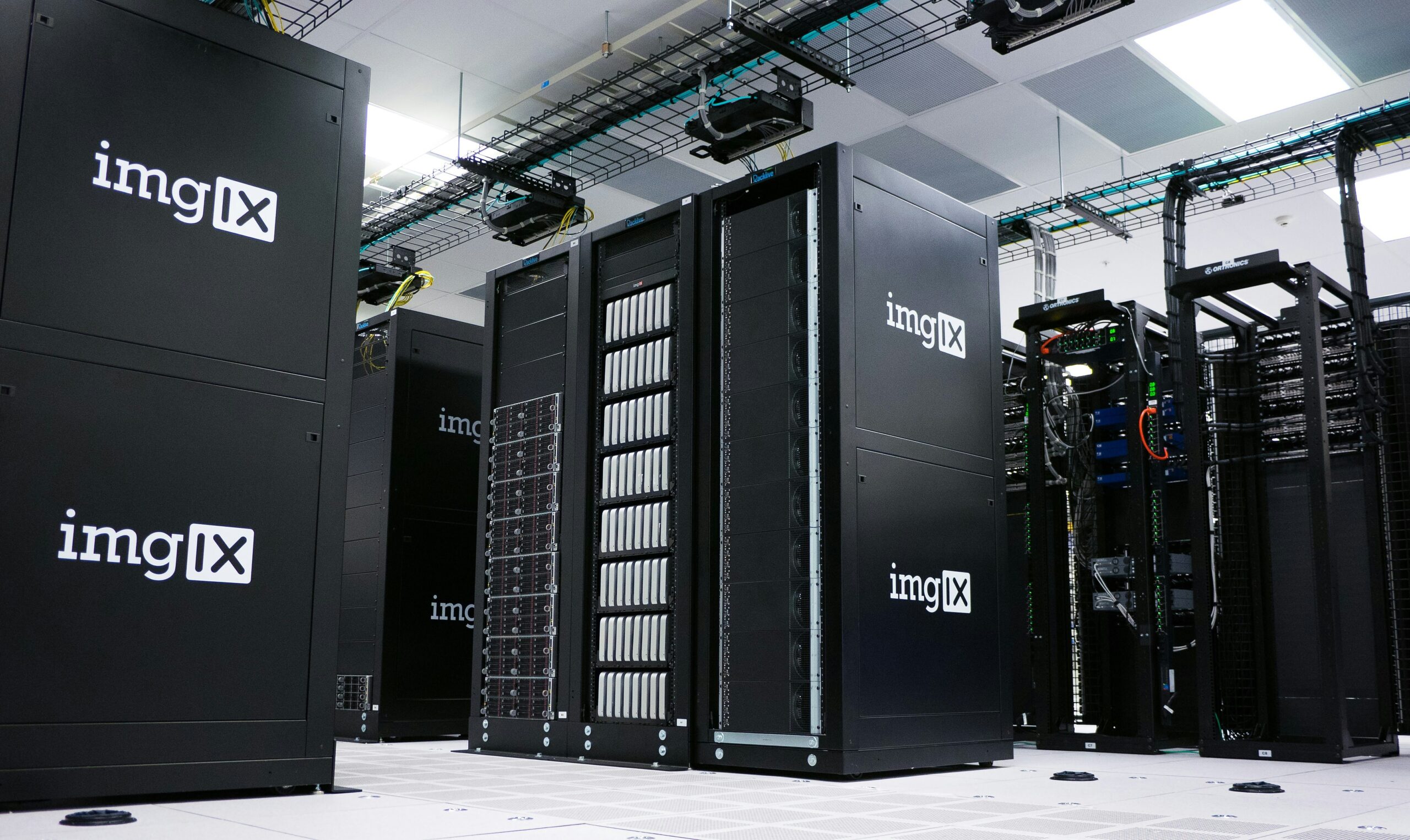
Nvidia earnings are becoming a crucial test for the AI boom as investors look for continued data-center growth, strong chip demand and evidence that massive AI spending can generate sustainable returns.
Focus Keyword: Nvidia earnings
Secondary Keywords: Nvidia stock, NVDA stock, AI boom, artificial intelligence stocks, Nvidia AI chips, AI infrastructure, Wall Street, data center spending, semiconductor stocks, Nvidia Blackwell
Categories: Business, Technology, Artificial Intelligence, Stock Market, Semiconductors
Tags: Nvidia, NVDA, Nvidia earnings, AI, artificial intelligence, AI stocks, Wall Street, semiconductors, data centers, Blackwell, technology stocks, stock market
Nvidia Has Become the Market’s AI Bellwether
Wall Street is preparing for one of the most closely watched corporate earnings reports of the year, and the company at the center of the attention is Nvidia.
The artificial-intelligence boom has transformed Nvidia from a leading semiconductor company into one of the most important companies in global financial markets. Its graphics processors and AI computing platforms have become essential infrastructure for companies building increasingly powerful artificial-intelligence systems.
Now, investors want to know whether the enormous spending on AI infrastructure can continue.
Nvidia is scheduled to report its fiscal second-quarter results on August 26, putting the company's performance and outlook directly in the spotlight. Analysts expect another period of exceptionally strong growth, with estimates putting quarterly revenue around the $92 billion range.
The stakes extend far beyond Nvidia's own shareholders.
Nvidia's results could influence semiconductor stocks, major technology companies, the broader Nasdaq and investor confidence in the sustainability of the artificial-intelligence investment cycle.
Why Nvidia Matters So Much to Wall Street
Since the launch of ChatGPT helped accelerate mainstream interest in generative AI in 2022, Nvidia has emerged as one of the biggest beneficiaries of the technology revolution.
The company supplies the processors and networking technology required to build large AI data centers. Technology giants and cloud providers have been spending enormous amounts of money expanding computing capacity, creating extraordinary demand for Nvidia's products.
That has made Nvidia a financial-market bellwether.
When Nvidia reports strong growth and raises expectations, investors often interpret the results as evidence that the AI economy remains healthy. Conversely, disappointing guidance could trigger concerns that technology companies are approaching the limits of their AI spending plans.
Reuters recently described Nvidia's upcoming earnings and the Federal Reserve's Jackson Hole meeting as two important tests for the assumptions supporting this year's stock-market rally.
That combination illustrates how important the company has become to the broader market.
The AI Spending Question
The central issue for investors is no longer simply whether companies want AI.
They clearly do.
The more difficult question is whether businesses can justify the enormous capital expenditures required to build AI infrastructure.
Hyperscalers and other technology companies are investing billions of dollars in data centers, networking equipment, electricity infrastructure and specialized processors.
Nvidia sits near the center of that investment chain.
Its financial performance therefore provides investors with an unusually important window into the health of the AI infrastructure market.
If Nvidia continues to report accelerating demand, investors could interpret that as confirmation that AI spending remains in its early stages.
But if growth begins to slow, markets could start asking whether companies have already invested enough computing capacity.
That distinction is critical because Nvidia's valuation reflects extremely high expectations for future growth.
Expectations Are Already Extremely High
One of Nvidia's biggest challenges is not necessarily disappointing results.
It is beating expectations by enough to justify the expectations already embedded in the stock.
Nvidia has established an extraordinary earnings track record, beating Wall Street's expectations for 14 consecutive quarters according to the Wall Street Journal. The company is now expected to deliver quarterly sales of roughly $92 billion.
That creates a difficult setup.
Even a spectacular earnings report could produce a muted stock-market reaction if investors believe the results were already priced into Nvidia shares.
The market has repeatedly demonstrated that technology companies can report excellent numbers and still see their stocks decline when guidance or future growth fails to exceed extremely optimistic expectations.
This is particularly important for Nvidia because the company has become such a large component of the broader AI investment story.
Blackwell and the Next Phase of Nvidia's Growth
Investors will also be watching Nvidia's product cycle.
The company's Blackwell platform has become a major component of its strategy for maintaining leadership in AI computing.
The transition from one generation of AI processors to another is important because customers are demanding increasingly powerful computing systems while data centers face limitations involving electricity, cooling and physical space.
Nvidia's ability to deliver increasingly powerful and energy-efficient computing platforms could help customers expand AI capabilities without simply increasing the number of machines they operate.
The company is also looking further ahead toward its Vera Rubin platform, giving investors another indication of how Nvidia intends to maintain its technological advantage as competition increases.
Nvidia Faces More Competition
Nvidia's dominance does not mean the competitive environment is standing still.
AMD, Broadcom, Marvell and a growing number of specialized semiconductor companies are competing for portions of the AI infrastructure market.
Meanwhile, major technology companies are developing their own AI accelerators.
Google, Amazon and other cloud providers have increasingly invested in internally developed chips designed to reduce their dependence on external suppliers.
That does not necessarily threaten Nvidia's leadership immediately.
The company benefits from a large software ecosystem, established relationships with major customers and its CUDA platform, which has become deeply integrated into AI development.
Nevertheless, competition is likely to become increasingly important as the AI market matures.
The Financial Side of the AI Boom
Another issue attracting attention is how AI infrastructure is being financed.
Nvidia has been involved in initiatives designed to help expand financing for AI computing infrastructure. The company has discussed a plan involving as much as $500 billion in financing capacity for AI infrastructure, highlighting how the industry's next phase may require increasingly sophisticated financial structures.
That development creates both opportunities and risks.
More financing could allow companies to build data centers faster and deploy more Nvidia hardware.
But it also raises questions about whether some AI investments depend too heavily on debt, optimistic revenue projections or financial arrangements involving companies within the same ecosystem.
Investors are therefore increasingly looking beyond Nvidia's revenue growth.
They want to understand the quality and sustainability of the demand behind that growth.
Could Nvidia Keep the AI Party Going?
That is the fundamental question facing Wall Street.
The bullish argument is straightforward.
AI adoption remains in its early stages, companies are continuing to expand data-center capacity, demand for advanced computing remains strong and Nvidia maintains a significant technological advantage.
Under that scenario, Nvidia could continue growing at extraordinary rates while becoming an even more important part of the global technology economy.
The bearish argument is more complicated.
AI infrastructure spending could eventually face diminishing returns. Companies may become more selective about capital expenditures, competition could increase, financing costs could remain elevated and investors could demand clearer evidence that AI investments are producing measurable economic returns.
There are also physical constraints.
Building AI data centers requires enormous quantities of electricity, land, cooling capacity and networking infrastructure. Even if companies want to spend more money on AI, infrastructure limitations can slow deployment.
Rising Interest Rates Add Another Risk
The broader financial environment also matters.
Higher borrowing costs can make massive infrastructure projects more expensive. That is particularly relevant for technology companies building data centers that require billions of dollars in upfront capital.
Recent market volatility has already demonstrated that investors are sensitive to elevated bond yields and expensive technology valuations.
That creates an unusual environment for Nvidia.
The company can deliver tremendous operational growth while its stock still faces pressure if investors become less willing to pay premium valuations for high-growth technology companies.
This means Nvidia's earnings report must be considered within the larger macroeconomic environment.
Nvidia Could Move More Than Just the Semiconductor Sector
The importance of Nvidia extends beyond semiconductor investors.
The company has become deeply connected to the performance of major stock indexes.
Nvidia's earnings can influence other chipmakers, cloud companies, software businesses and companies involved in data-center construction and power infrastructure.
The AI investment cycle has also expanded into areas such as electricity generation, cooling systems, networking equipment and industrial infrastructure.
That makes Nvidia an unusually important indicator of corporate investment.
A strong report could reinforce the argument that the AI boom is still accelerating.
A weaker outlook could produce the opposite effect, forcing investors to reconsider valuations throughout the technology sector.
What Investors Will Watch on Earnings Day
Nvidia's headline revenue and earnings numbers will attract immediate attention, but investors should focus on several additional indicators.
1. Revenue Growth
The most obvious question is whether Nvidia can continue delivering exceptional year-over-year growth.
2. Forward Guidance
Nvidia's outlook may matter even more than its historical results. Investors will want to know how management sees demand developing over the next several quarters.
3. Blackwell Demand
Strong demand for Nvidia's latest AI platforms would provide evidence that customers are continuing to expand computing capacity.
4. Gross Margins
As Nvidia's products become more advanced and supply chains evolve, margins will provide important information about the economics of the business.
5. Data-Center Spending
Investors will be listening carefully for commentary from Nvidia executives about major cloud providers and their infrastructure plans.
6. China and Geopolitics
Export restrictions and tensions between the United States and China remain important variables for Nvidia and the broader semiconductor industry.
The Bigger Question: Is AI Becoming an Economic Revolution?
Ultimately, Nvidia's earnings report is about much more than one company's quarterly numbers.
It is becoming a test of whether artificial intelligence is developing into a durable economic transformation.
The market has already invested enormous amounts of capital in AI infrastructure.
Now investors need evidence that the infrastructure will produce sufficient economic value to justify those investments.
Nvidia sits at the center of that debate because it supplies much of the hardware required to build the AI economy.
If demand remains strong, the company could continue to benefit from one of the largest technology investment cycles in history.
If expectations begin to outrun reality, however, Nvidia could become the place where investors first recognize that the AI boom is entering a more mature and complicated phase.
Conclusion: Nvidia Has Become the AI Market's Most Important Test
Wall Street is counting on Nvidia to keep the AI investment cycle moving.
The company has extraordinary advantages: technological leadership, a powerful software ecosystem, strong relationships with major technology companies and massive demand for AI computing.
But the expectations surrounding Nvidia are equally extraordinary.
The upcoming earnings report will therefore be judged against a very high bar.
Investors will not simply ask whether Nvidia is growing.
They will ask whether Nvidia is growing fast enough to justify the enormous expectations surrounding artificial intelligence, data centers and the technology sector.
That makes Nvidia's August earnings report one of the most important market events of the summer.
The result could determine whether investors continue to treat AI as the defining growth story of this market—or begin to demand proof that the AI boom can translate extraordinary spending into extraordinary economic returns.
Editor’s note: This article is an original analysis based on publicly reported information and is not investment advice. Nvidia and other technology stocks can experience substantial volatility, particularly around earnings announcements.




0 Comments