
UK Energy and Climate Policy
Jackdaw Gas Field: What the UK Project Means for Energy and Climate
A closer look at the North Sea gas development, its proposed contribution to UK supply, and the questions that remain about emissions, approvals, and long-term energy security.

What Is Known About the Jackdaw Gas Field?
Jackdaw is a Shell-led natural gas development in the UK North Sea, east of Scotland. Its plans involve offshore wells and infrastructure to bring gas into the UK supply network. The project has become a focus of debate because it sits at the intersection of domestic energy production, regulatory decisions, and the UK’s climate commitments.
Public project descriptions establish its basic location and intended purpose, but production forecasts are estimates rather than guaranteed output. Any claim that Jackdaw will lower household bills, replace imported gas, or deliver a particular emissions outcome needs supporting evidence and a clear comparison. The status of approvals, construction, and production should also be checked against current regulatory and company disclosures; a headline alone cannot settle those details.
Jackdaw at a Glance
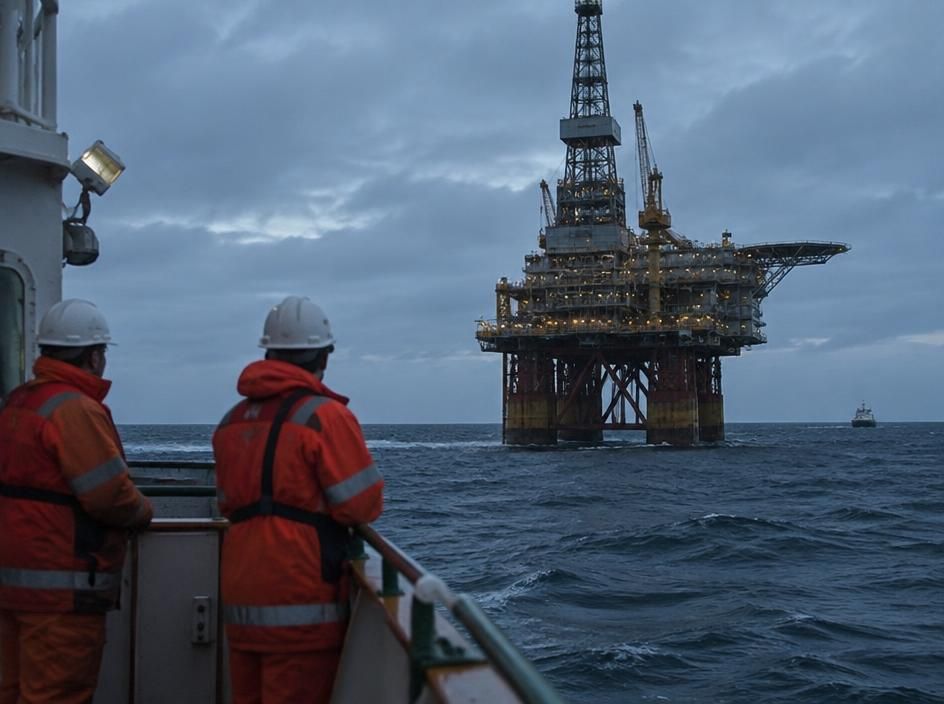
North Sea Location
The field lies in the UK sector of the North Sea, east of Scotland. Its offshore location makes transport infrastructure and environmental oversight central to the project.
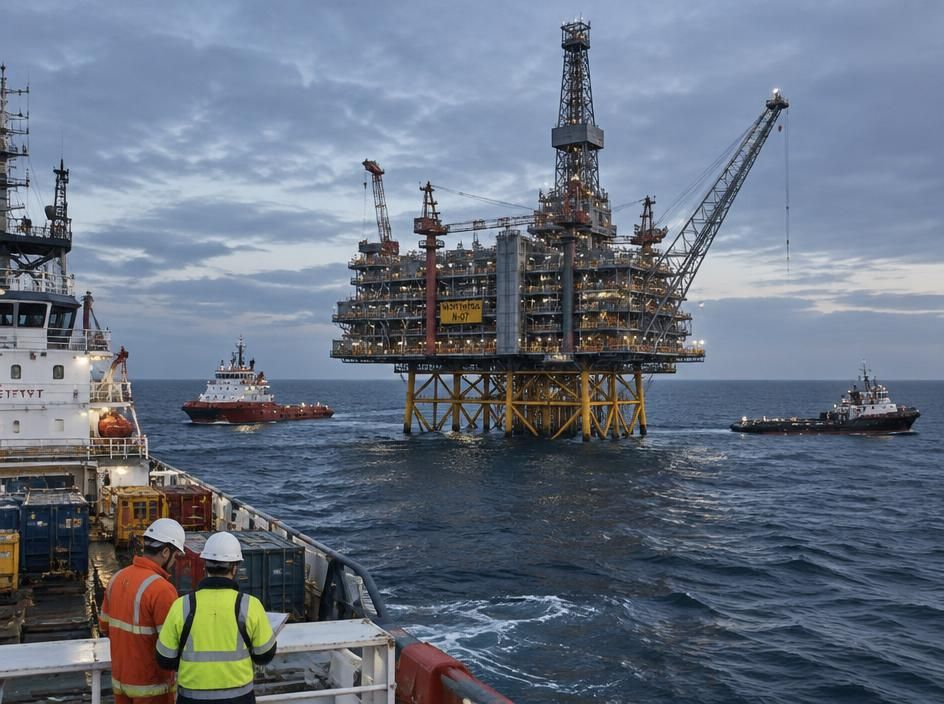
Planned Gas Production
Jackdaw is intended to add gas to the UK market, but forecasts describe potential output, not a guaranteed supply. Actual volumes depend on development progress and operating conditions.
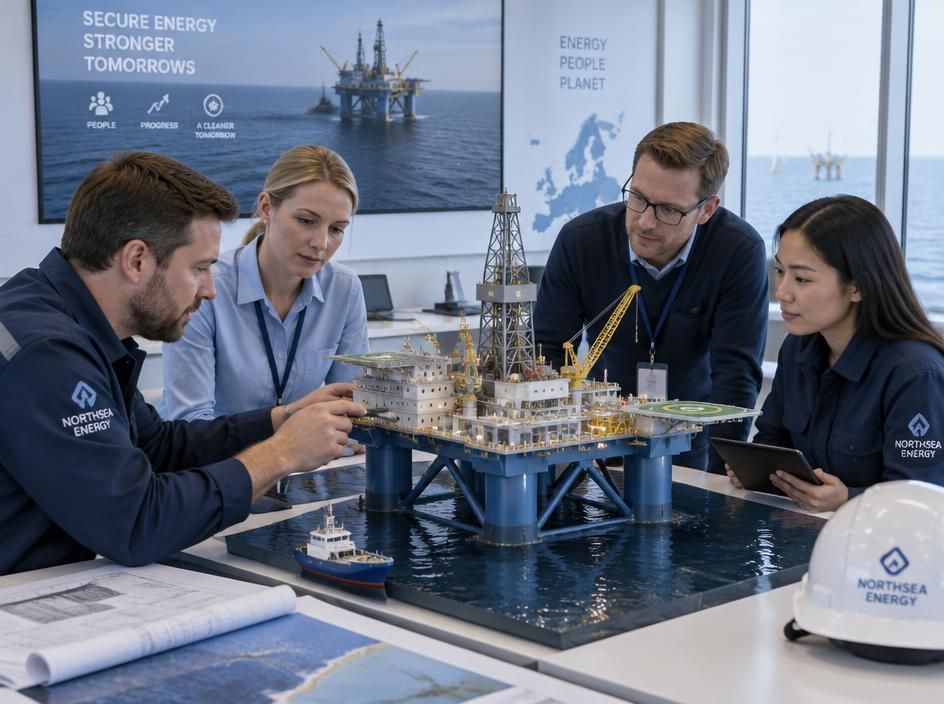
Development and Energy Role
Plans call for offshore wells connected to infrastructure that would move gas toward the UK network. That could contribute to domestic supply, while its effect on prices, imports, and emissions remains open to scrutiny.
Why Jackdaw Matters to the UK’s Gas Debate
UK North Sea gas production has declined as older fields mature, while households and businesses still use gas for heating, electricity, and industry. The gap is increasingly met by imports, exposing consumers to international prices and raising questions about supply resilience. Supporters of developing the Jackdaw gas field argue that domestic output could displace some imported gas and sustain offshore expertise. Critics counter that new production cannot insulate the UK from global gas prices and may complicate its climate commitments. The policy question is not simply where gas comes from, but how quickly demand can fall—and whether investment in new fields helps or hinders that transition.
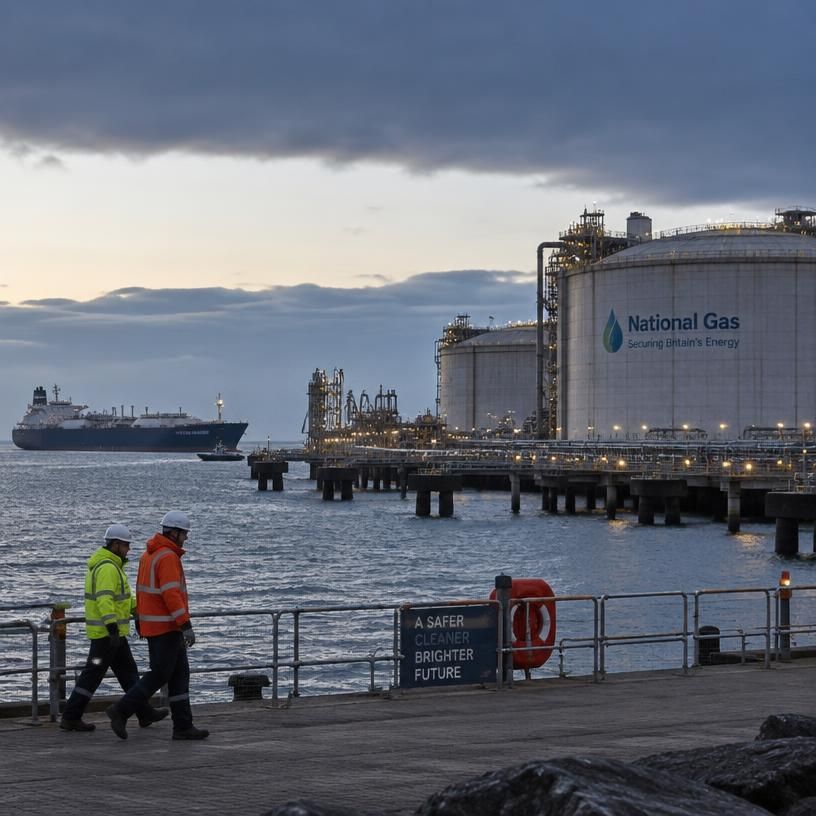
Jackdaw Gas Field: The Case For and Against
A side-by-side guide to the competing claims on UK energy security, emissions, employment, and costs. The percentages are illustrative weights for this editorial comparison, not measured project outcomes.
Arguments for Development
Supporters see domestic production as a near-term complement to imports while Britain reduces its use of gas.
- Energy security: adds a domestic source of supply90%
- Emissions: may replace some imported gas65%
- Jobs: supports offshore workers and suppliers85%
- Public revenue: could generate tax receipts60%
- Transition: supplies gas while demand persists55%
Principal Concerns
Critics question whether additional production delivers lasting benefits in a market that must move away from fossil fuels.
- Climate: adds production alongside net-zero goals90%
- Prices: domestic gas remains tied to global markets80%
- Long-term costs: risks locking in fossil-fuel assets75%
- Alternatives: may divert attention from clean energy70%
- Jobs: transition planning may offer greater durability65%

“The key question is whether new domestic gas meaningfully improves energy security without delaying the shift away from gas itself.”
Albert Pham, Albert Report analysis
Jackdaw Gas Field: Frequently Asked Questions
Key questions about Jackdaw’s location, production outlook, potential gas supply and implications for UK climate policy.
Where is the Jackdaw gas field?
Jackdaw is an offshore gas field in the UK sector of the North Sea, east of Scotland. Shell leads the project, which would connect to existing infrastructure serving the UK gas network.
When could Jackdaw begin producing gas?
The start date depends on the outcome of the approval process and the time needed to complete development. Earlier production schedules should be treated as provisional rather than a confirmed launch date.
How much gas could Jackdaw supply?
Shell has estimated that, at peak output, Jackdaw could meet about 6% of UK gas demand. That is a peak-year estimate, not a promise that the field would supply that share every year.
Would Jackdaw lower household energy bills?
Additional domestic production could contribute to UK supply, but gas prices are shaped largely by wider market conditions. Jackdaw’s output alone would not guarantee lower household bills.
What could Jackdaw mean for UK climate targets?
Supporters argue that producing gas domestically could reduce reliance on imports during the energy transition. Critics contend that developing another fossil-fuel field risks prolonging gas use and adding emissions. Its climate impact depends on production emissions, how the gas is used and whether it displaces other supplies or adds to overall consumption.




0 Comments