
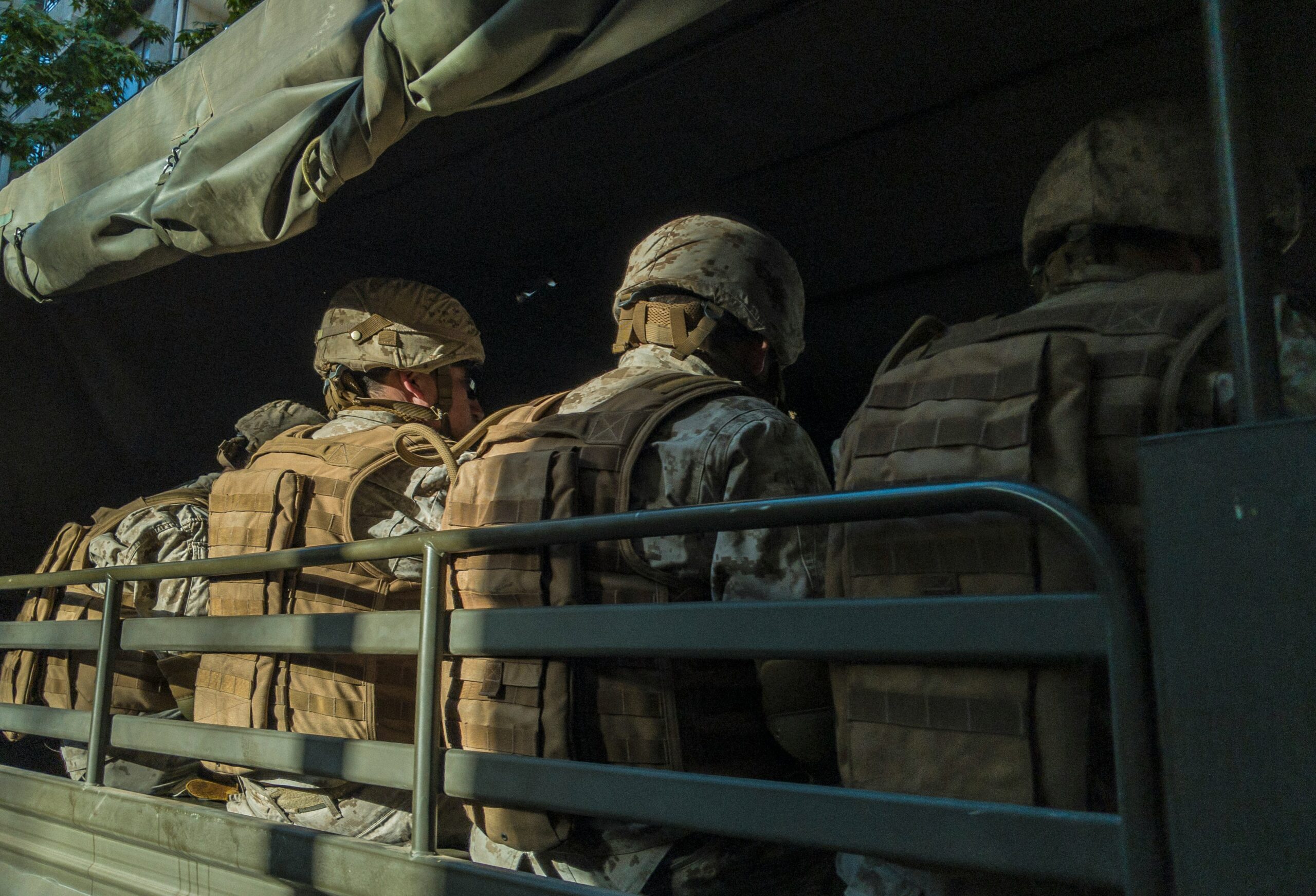
A major UK–US military case has reignited debate over jurisdiction, accountability, and how Status of Forces Agreements shape justice on British soil.
WordPress Excerpt
A high-profile case involving a U.S. service member in the UK has triggered renewed scrutiny of military jurisdiction, cross-border legal authority, and victims’ rights.
US Military Justice in the UK: Jurisdiction, Accountability, and RAF Cases
The handling of criminal allegations involving foreign military personnel stationed abroad has long sat at the intersection of law, diplomacy, and national sovereignty. A recent high-profile case involving a U.S. service member in the United Kingdom has reignited scrutiny of how justice is administered when incidents occur on or near shared military installations.
At the center of the debate is a fundamental question: when a crime is alleged on British soil but involves a member of the U.S. armed forces, which justice system should take precedence? The answer is not straightforward, and it is shaped by decades-old international agreements designed to balance military cooperation with domestic legal authority.
This tension has become more visible as public attention focuses on cases involving alleged violence, raising concerns about transparency, fairness, and the rights of victims navigating parallel legal systems.
The Legal Framework: Status of Forces Agreements
The legal foundation for cases involving foreign troops in the UK is the NATO Status of Forces Agreement (SOFA), signed in 1951 and later supplemented by bilateral arrangements between the United States and the United Kingdom.
Under SOFA, visiting military personnel are generally subject to the jurisdiction of their home country’s military justice system for certain offences committed while stationed abroad. However, the host nation retains jurisdiction in other circumstances, particularly when the alleged crime involves civilians or occurs off-duty.
In practice, jurisdiction is often determined through negotiation between UK authorities and U.S. military command structures. These decisions are not always transparent to the public, even when cases involve serious allegations.
Critics argue that this system can create uncertainty and inconsistency, particularly in cases involving violent crime. Supporters, however, maintain that SOFA is essential to ensuring operational cohesion between allied forces.
Why Jurisdiction Becomes Contested
Jurisdictional decisions often depend on a combination of legal classification and diplomatic agreement. Factors may include:
- Whether the accused was on or off duty
- Whether the incident occurred on a military installation
- Whether the victim is a civilian or military personnel
- Whether local authorities formally request jurisdiction
- Operational sensitivity of the military base involved
In cases involving U.S. bases in the UK—such as RAF Lakenheath and RAF Mildenhall, where American forces are stationed under NATO agreements—these questions become especially complex.
While UK police may initially investigate incidents, jurisdiction can ultimately transfer to U.S. military courts under certain conditions.
This transfer of authority is often the focal point of public debate, particularly when victims or advocacy groups believe the case should have been handled entirely within the UK criminal justice system.
Military Courts vs Civilian Criminal Courts
One of the most misunderstood aspects of these cases is the difference between military and civilian legal systems.
In the UK, serious criminal allegations are typically tried in Crown Court, where a jury of 12 citizens determines guilt beyond a reasonable doubt. Proceedings are fully integrated into the public justice system, with established protections for victims and defendants alike.
In contrast, U.S. military justice operates under the Uniform Code of Military Justice (UCMJ). Cases are heard in courts-martial, which are composed of military officers rather than civilian juries. Depending on the type of court-martial, panel sizes and procedural rules vary significantly.
Key differences include:
- The composition of the decision-making panel
- Different evidentiary procedures
- Chain-of-command influence in certain administrative phases
- Distinct sentencing guidelines and confinement structures
While reforms in recent years have increased independence within the U.S. military justice system, critics argue that it still lacks the perceived neutrality of civilian courts, especially in cases involving serious interpersonal violence.
The Role of RAF Bases and US Presence in the UK
The United Kingdom hosts several major U.S. Air Force installations, including RAF Lakenheath and RAF Mildenhall in Suffolk. These bases are strategically important for NATO operations and broader transatlantic defense coordination.
However, their presence also creates a unique legal environment. Thousands of U.S. personnel live and work on British soil under arrangements that blend sovereignty with operational integration.
This dual structure means that incidents occurring on or near these bases can fall into a legal grey zone. While the land remains under UK sovereignty, operational control and jurisdictional authority may shift depending on the circumstances of each case.
For local communities, this arrangement can raise concerns about accountability and transparency, particularly when serious allegations arise.
Public Confidence and Transparency Concerns
Cases involving jurisdictional transfer often trigger questions about transparency. Critics argue that decisions to transfer cases to military courts abroad can reduce public visibility and limit access to proceedings.
Victims’ advocates also emphasize the emotional and procedural challenges faced by civilians navigating foreign military legal systems. Even when outcomes result in convictions, the perception of distance from the local justice system can undermine confidence.
On the other hand, defense officials argue that military courts are fully capable of delivering justice and are better suited to handling cases involving service members operating under military discipline.
This tension between institutional trust and public perception remains unresolved.
Diplomatic Sensitivities Between Allies
The UK–US defense relationship is one of the closest in the world, built on intelligence sharing, joint operations, and long-term strategic alignment.
Any dispute over jurisdiction must therefore be handled carefully to avoid diplomatic friction. Both governments have a shared interest in maintaining operational trust while ensuring legal accountability.
This balancing act often means decisions are made quietly, with limited public explanation, especially in sensitive cases involving service personnel stationed abroad.
Calls for Reform and Future Outlook
High-profile cases have renewed calls from legal scholars and advocacy groups for greater clarity in jurisdictional rules. Proposals include:
- Greater transparency when jurisdiction is transferred
- Automatic UK jurisdiction for serious violent crimes involving civilians
- Independent review mechanisms for cross-border military cases
- Improved communication with victims and families
However, any changes would require renegotiation of existing international agreements, a process that is diplomatically complex and politically sensitive.
For now, the system remains largely unchanged, operating on the principle of shared jurisdiction and case-by-case negotiation.
Conclusion
The debate over U.S. military justice in the United Kingdom reflects broader questions about sovereignty, accountability, and the practical realities of allied defense cooperation.
While Status of Forces Agreements provide a legal framework for managing foreign troop presence, they also create grey areas that become highly visible when serious allegations arise.
As public attention continues to grow, pressure may increase for clearer rules, greater transparency, and reforms that balance military necessity with the expectations of domestic justice systems.
FAQ
What is the Status of Forces Agreement (SOFA)?
It is an international agreement that defines legal rights and responsibilities of foreign military personnel stationed in another country.
Why would a U.S. military case be handled outside UK courts?
Under SOFA, certain offences involving U.S. personnel may fall under U.S. military jurisdiction depending on duty status and location.
Are military courts less strict than civilian courts?
They use different procedures, but U.S. military courts can impose serious penalties including confinement and discharge.
Can the UK override jurisdiction decisions?
In some cases yes, but most decisions are made through negotiated agreements between governments and military authorities.
Why is this issue controversial?
Critics argue it reduces transparency and limits victims’ access to the UK justice system.




0 Comments