
Meta Hyperion Data Center, AI Infrastructure Investment, Teacher Bonuses Louisiana, Richland Parish Schools, Artificial Intelligence Economy, Meta Data Center Economic Impact, AI Construction Boom
The artificial intelligence revolution is creating billionaires, transforming industries, and reshaping global competition. But in one rural corner of Louisiana, the AI boom is producing a different kind of headline: public-school teachers receiving bonus checks worth more than $50,000.
As technology giants race to build the infrastructure needed to power next-generation AI systems, communities hosting these projects are beginning to experience economic effects that extend far beyond Silicon Valley. The latest example comes from Richland Parish, Louisiana, where Meta’s massive Hyperion data center has generated such a surge in tax revenue that some educators are receiving bonuses approaching or exceeding their annual salaries.
The development offers a rare glimpse into how AI infrastructure spending is transforming local economies, creating jobs, generating tax revenues, and fueling a debate over whether data centers represent America’s next great economic engine—or simply another temporary boom.
Why Louisiana Teachers Are Receiving $50,000 Bonus Checks
The extraordinary payouts stem from a unique combination of local tax policy and one of the largest artificial intelligence infrastructure projects currently under construction in the United States.
Richland Parish officials announced that some teachers will receive bonuses of up to $50,935 in 2026, compared with a maximum payout of approximately $10,200 the previous year. Support staff are also benefiting, with payments rising to as much as $17,472.
The dramatic increase was made possible by an explosion in local tax collections linked to Meta’s Hyperion data center project.
The parish generated approximately $42.9 million in sales and use tax revenue during the first nine months of the fiscal year—more than double the previous year’s total. Meta also contributed a separate tax payment of $22.4 million connected to construction activity. More than half of that payment is directed toward local schools through existing funding mechanisms.
For teachers accustomed to modest supplemental payments, the results have been life-changing.
Many educators will receive bonus checks comparable to a full year’s salary, a remarkable outcome in a profession often associated with stagnant wages and budget constraints.
The Hidden Connection Between AI and Public Education
At first glance, artificial intelligence infrastructure and teacher compensation appear unrelated.
Yet the Louisiana case demonstrates how major technology investments can ripple through local economies in unexpected ways.
The foundation of the bonus system dates back to 1968, when Richland Parish established a one-cent sales tax dedicated partly to supplementing school employee compensation. Under normal economic conditions, the system provides modest annual distributions. During periods of extraordinary commercial activity, however, payouts rise dramatically.
Meta’s arrival changed everything.
Thousands of construction workers have flooded into the region, spending money on housing, restaurants, groceries, fuel, entertainment, and local services. Every purchase contributes to sales-tax collections, generating additional revenue for public institutions.
The result is a textbook example of how large-scale capital investment can transform a local tax base.
Meta’s Hyperion Data Center: One of America’s Largest AI Projects
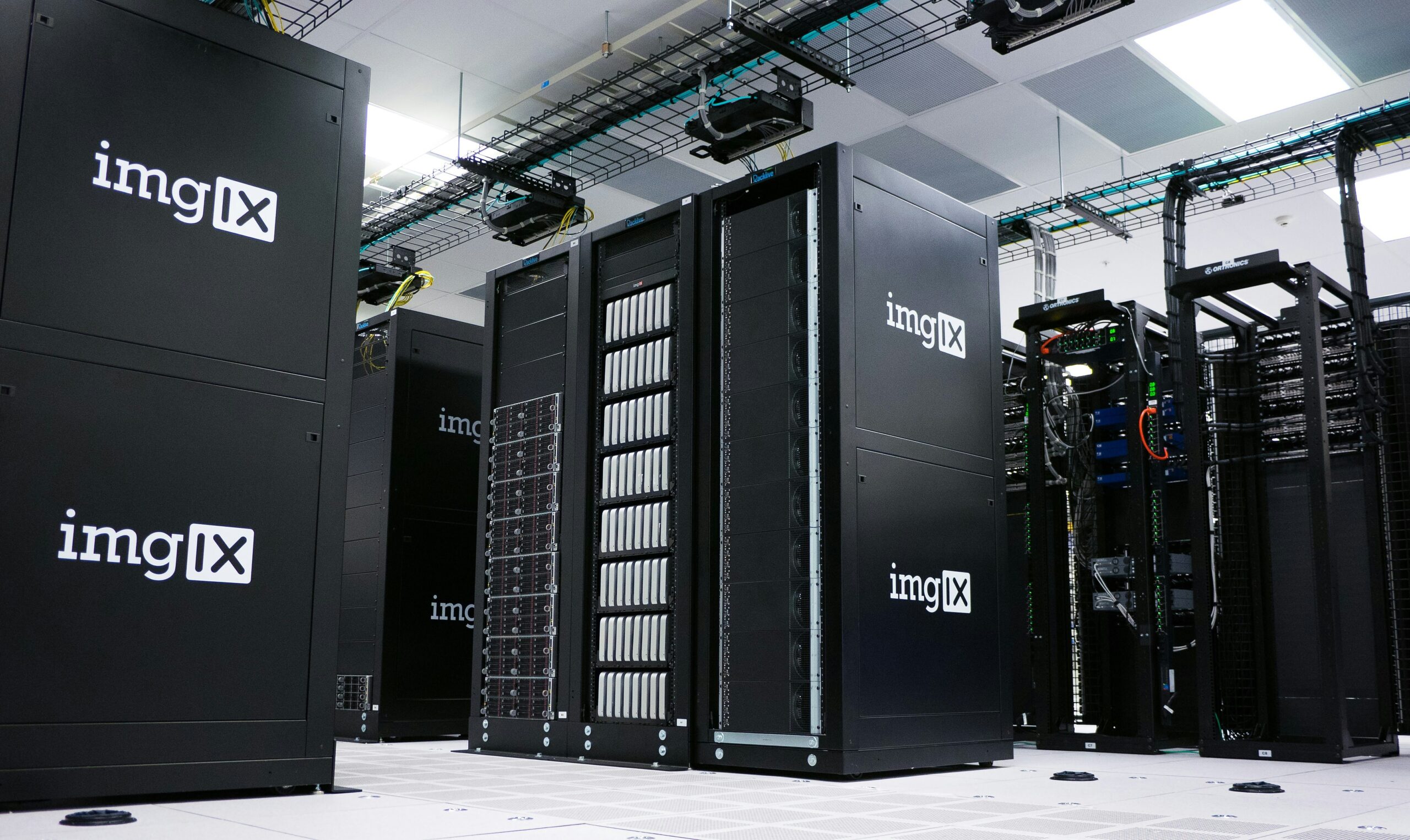
The bonuses are tied directly to Meta’s Hyperion data center, a project that represents one of the most ambitious AI infrastructure investments in the company’s history.
When announced, Hyperion was described as a facility covering approximately four million square feet and requiring investments measured in the tens of billions of dollars. Construction activity has already attracted thousands of workers and generated unprecedented economic activity across northeastern Louisiana.
Meta originally projected the project would create approximately 500 permanent jobs while supporting thousands of construction positions during development. State economic officials estimated roughly 5,000 workers would participate in building the facility.
The project reflects a broader industry trend.
Technology companies are investing hundreds of billions of dollars in AI infrastructure as they compete to develop increasingly sophisticated artificial intelligence models. Data centers have become the factories of the AI era, housing the computing power necessary to train and deploy advanced systems.
How the AI Infrastructure Race Is Reshaping America
The Richland Parish story illustrates a growing reality often overlooked in discussions about artificial intelligence.
While headlines frequently focus on algorithms, chatbots, and semiconductor companies, the physical infrastructure supporting AI is becoming a major economic force in its own right.
Data centers require vast amounts of land, electricity, cooling systems, networking equipment, and construction labor. The scale of these projects rivals some of the largest industrial developments in modern American history.
As companies such as Meta, Amazon, Microsoft, Google, and others expand their AI capabilities, competition for suitable locations has intensified.
Communities capable of providing land, power capacity, and favorable regulatory environments are increasingly becoming targets for multibillion-dollar investments.
For regions that have struggled with population decline and economic stagnation, these projects can provide a significant boost.
A Rural Economic Revival
Richland Parish has long faced challenges common to many rural American communities.
Population growth had slowed, economic opportunities were limited, and younger residents often left in search of better prospects elsewhere. Nearby Monroe experienced similar pressures as businesses and talent migrated toward larger metropolitan areas.
Meta’s investment has altered that trajectory.
Local officials estimate that thousands of workers have entered the region because of the project. Hotels, restaurants, retail stores, contractors, and service providers have all benefited from increased demand. Tax collections have surged across multiple jurisdictions.
The economic effects extend beyond teachers.
Municipal governments are reporting stronger revenues. Infrastructure spending has increased. Monroe’s school district recently announced employee bonuses approximately 38% higher than the previous year due to growing tax collections associated with regional economic activity.
For local leaders, the data center represents something more than a construction project.
It symbolizes a chance to reverse decades of economic decline.
The Growing Backlash Against Data Centers
Despite the positive outcomes in Louisiana, data-center expansion remains controversial.
Across the United States, opposition to new facilities has increased as communities raise concerns about energy consumption, water usage, environmental impacts, and housing affordability.
Recent surveys indicate that many Americans remain skeptical about large-scale data-center developments in their neighborhoods. Critics argue that the facilities consume enormous resources while creating relatively few permanent jobs once construction ends.
This presents a challenge for technology companies.
As AI becomes more computationally intensive, firms need additional infrastructure to remain competitive. However, growing public resistance threatens to slow future development.
The Louisiana teacher-bonus story provides an important counterargument.
Supporters contend that data centers generate significant economic benefits, including tax revenue, construction employment, business growth, and public-service funding. The payouts to educators offer a tangible example of how local communities can share in the rewards of technological investment.
Will the Windfall Last?
One critical question remains unanswered: are these extraordinary bonuses sustainable?
The short answer is complicated.
Much of the current revenue surge comes from construction activity, which naturally declines once a project is completed. Thousands of workers currently spending money throughout the region may eventually leave when the facility becomes operational.
Data centers also require far fewer employees to operate than to build.
Although Meta has committed to maintaining hundreds of jobs at the site, ongoing economic activity may not match the intensity of the construction phase.
Still, local leaders remain optimistic.
Property-tax revenues generated by the completed facility could provide a long-term source of funding for schools and local governments. Even if future bonuses decline from current levels, the region may continue benefiting from one of the largest private investments in Louisiana history.
What This Means for America’s AI Future
The Richland Parish experience reveals an important truth about the artificial intelligence economy.
The benefits of AI are not limited to software engineers, venture capitalists, and technology executives.
Construction workers, teachers, local businesses, municipalities, and rural communities are increasingly becoming participants in the AI transformation. As infrastructure spending accelerates, more regions could experience economic gains similar to those now unfolding in Louisiana.
The story also highlights a broader shift in how economic development works in the digital age.
For decades, technology growth was concentrated in major urban centers. AI infrastructure is creating opportunities in places that historically sat outside the innovation economy.
Whether Hyperion ultimately becomes a model for future development remains to be seen. But one fact is already clear: America’s AI boom is generating winners in unexpected places.
And in Richland Parish, those winners include the teachers opening bonus checks worth more than $50,000.
SEO Keywords
Meta Hyperion Data Center, Meta AI Data Center Louisiana, Teacher Bonuses Louisiana 2026, Richland Parish Teachers, AI Infrastructure Investment, Meta Economic Impact, Artificial Intelligence Construction Boom, Data Center Tax Revenue, Louisiana School Funding, Meta Hyperion Project, AI Economy America, Meta Louisiana Jobs, Teacher Salary Bonus News, AI Infrastructure Spending, Data Center Economic Development
Source: https://www.wsj.com/us-news/education/the-teachers-getting-50-000-bonuses-thanks-to-a-massive-meta-data-center-b4631d05?mod=hp_lead_pos4




0 Comments