
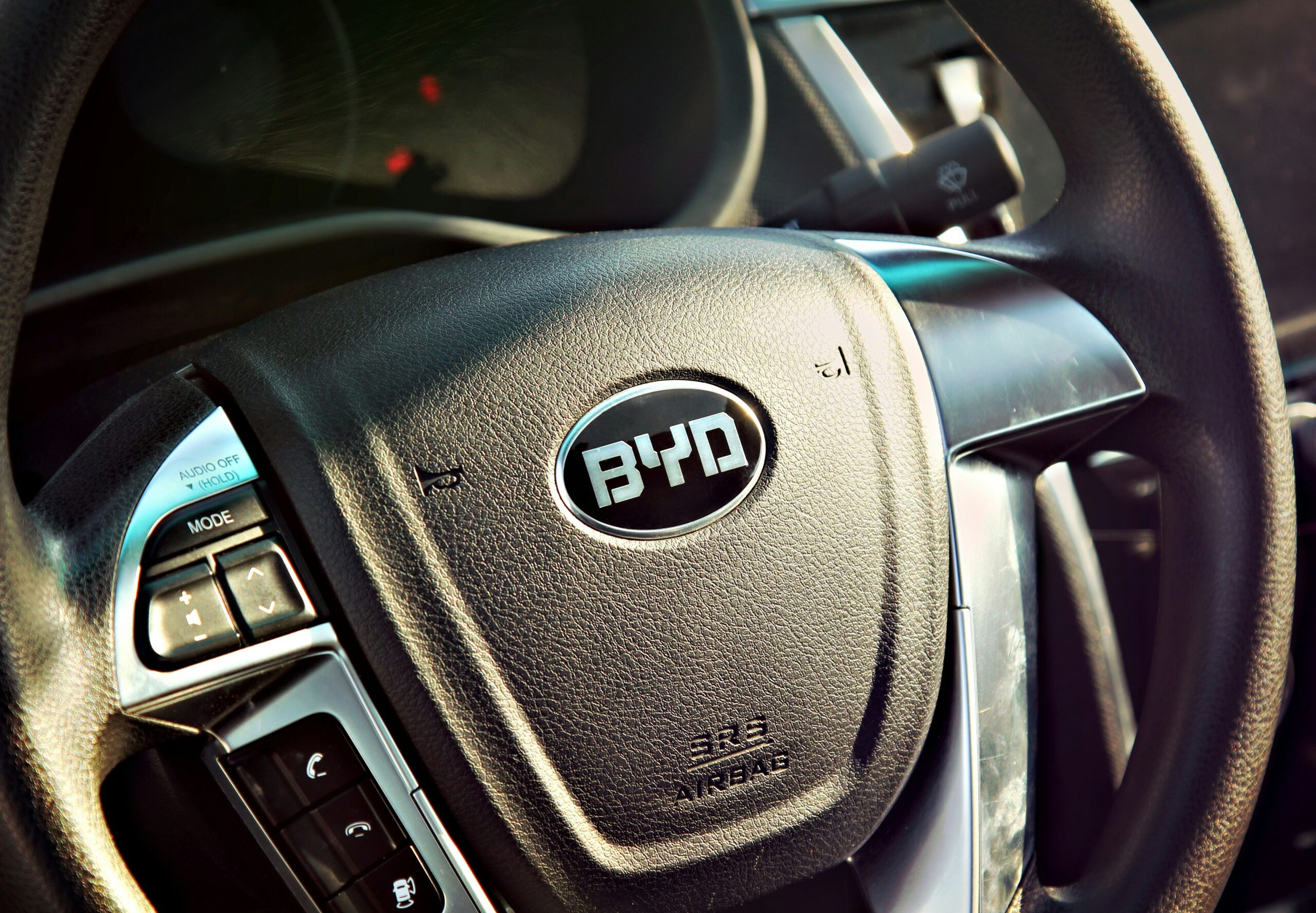
Chinese automakers like BYD, NIO, XPeng, and Geely are dominating global markets, yet domestic car sales are weakening. Explore the economic forces, EV price wars, and export boom reshaping the global automotive industry in 2026.
Focus Keywords: Chinese cars, Chinese EVs, BYD, NIO, XPeng, China auto market, China EV industry, Chinese car exports, electric vehicle market, global automotive industry, China economy, EV price war
Chinese Cars Are Winning Everywhere—Except in China
For much of the past decade, China’s automotive industry has been one of the greatest industrial success stories in modern economic history. Chinese automakers transformed themselves from low-cost domestic manufacturers into global technology leaders capable of challenging some of the most established automotive brands on earth.
Today, Chinese electric vehicles are flooding international markets. From Europe and Southeast Asia to Latin America and the Middle East, consumers are embracing Chinese brands at a pace few analysts predicted.
Companies such as BYD, NIO, XPeng, Geely, Chery, Li Auto, and Zeekr are rapidly expanding their global footprint. Chinese EVs now compete directly with Tesla, Volkswagen, Toyota, BMW, Mercedes-Benz, and Hyundai in multiple markets.
Yet amid this international triumph lies a surprising contradiction.
The people buying fewer Chinese cars are increasingly Chinese consumers themselves.
While exports are reaching record highs and global demand continues to accelerate, China's domestic automobile market has entered a period of stagnation, creating one of the most fascinating paradoxes in the global economy.
The question is becoming impossible to ignore:
Why does the rest of the world seem more enthusiastic about Chinese cars than China itself?
China Built the World's Most Powerful EV Ecosystem
To understand today's challenges, it is important to understand how China became the dominant force in electric vehicles.
Over the last fifteen years, Beijing invested heavily in electric transportation, battery manufacturing, charging infrastructure, and advanced automotive technologies.
The result was extraordinary.
China now produces more vehicles than any other nation. It also dominates global battery manufacturing, controls significant portions of EV supply chains, and houses many of the world's fastest-growing automotive companies.
Chinese automakers possess several advantages:
- Lower manufacturing costs
- Massive production scale
- Advanced battery technology
- Government-backed industrial policies
- Rapid innovation cycles
- Highly integrated supply chains
- Competitive vehicle pricing
Unlike traditional automakers that often require years to develop new models, Chinese companies frequently launch new products within months.
This speed has allowed Chinese manufacturers to dominate the EV revolution while many Western competitors struggle to keep pace.
The Chinese Car Export Boom Is Rewriting Automotive History
One of the biggest stories of 2026 is China's unprecedented export growth.
Chinese-made vehicles are arriving in international markets at record levels.
European consumers are increasingly purchasing Chinese EVs because they offer advanced technology and competitive pricing.
Latin American buyers view Chinese vehicles as affordable alternatives to traditional brands.
Southeast Asian markets are witnessing explosive growth in Chinese automotive sales.
Even regions that historically favored Japanese and European manufacturers are beginning to shift toward Chinese brands.
This export boom represents a major transformation in global automotive competition.
Only a decade ago, many consumers viewed Chinese cars as low-quality alternatives.
Today, that perception has changed dramatically.
Many Chinese EVs now feature:
- Advanced autonomous driving systems
- Artificial intelligence integration
- Long-range battery technology
- Ultra-fast charging capabilities
- Premium interiors
- High-end software ecosystems
In some categories, Chinese manufacturers are leading innovation rather than following it.
Why Chinese Consumers Are Holding Back
Despite international success, domestic sales tell a very different story.
China's economy continues to face significant headwinds.
Consumer confidence remains weaker than many policymakers hoped following years of economic uncertainty.
Several factors are contributing to the slowdown.
1. Economic Uncertainty Is Affecting Major Purchases
Cars represent one of the largest purchases most households make.
When consumers feel uncertain about their financial future, vehicle purchases are often delayed.
Many Chinese households remain concerned about:
- Slower economic growth
- Property market weakness
- Employment stability
- Future income expectations
- Consumer spending conditions
As confidence falls, discretionary spending declines.
The automotive industry is often among the first sectors to feel the impact.
2. The Property Crisis Is Hitting Consumer Wealth
For decades, real estate served as the primary wealth-building asset for many Chinese families.
The prolonged weakness in China's property sector has reduced household wealth and confidence.
When property values stagnate or decline, consumers tend to become more cautious about large purchases.
This has directly affected automobile demand.
Many potential buyers who might have upgraded vehicles in previous years are choosing to postpone those decisions.
3. Youth Unemployment Remains a Major Challenge
Young consumers are crucial for EV adoption.
They tend to embrace new technologies, digital ecosystems, and innovative transportation solutions.
However, youth employment challenges have created financial pressure for many younger Chinese consumers.
Without strong income growth and job security, demand for new vehicles naturally weakens.
This trend is particularly significant because younger buyers are often the core target market for brands such as XPeng, NIO, and Zeekr.
China's EV Price War Is Becoming Unsustainable
Perhaps the most important factor affecting the industry is the brutal EV price war that has dominated China's automotive market.
Competition among manufacturers has reached extraordinary levels.
Dozens of companies are fighting for market share.
To attract customers, automakers have repeatedly slashed prices.
The consequences have been dramatic.
Consumers initially benefited from lower prices.
However, manufacturers experienced:
- Shrinking profit margins
- Reduced earnings
- Increased financial pressure
- Investor concerns
- Industry consolidation risks
Many companies discovered that selling more cars did not necessarily generate more profit.
As competition intensified, profitability often moved in the opposite direction.
The result is a market where consumers expect continuous discounts, creating a cycle that becomes increasingly difficult to sustain.
BYD Is Emerging as the Biggest Winner
Among all Chinese automakers, BYD stands out as the industry's dominant force.
The company has evolved from a battery manufacturer into a global automotive powerhouse.
Its rise has been nothing short of remarkable.
BYD benefits from vertical integration that allows it to control many parts of the production process, including batteries.
This creates several advantages:
Lower Costs
BYD can manufacture vehicles more efficiently than many competitors.
Better Supply Chain Control
The company is less vulnerable to external disruptions.
Faster Innovation
Vertical integration accelerates product development.
Global Expansion
BYD continues entering new international markets at an aggressive pace.
Industry analysts increasingly view BYD as one of the few companies capable of challenging traditional automotive giants on a global scale.
Some projections even suggest that BYD could eventually surpass several established international manufacturers in annual vehicle sales.
The Global EV Battle Is Entering a New Phase
China's domestic slowdown does not necessarily indicate weakness in the country's automotive future.
Instead, it may signal a strategic transition.
For years, Chinese automakers focused primarily on domestic growth.
Now they are becoming global companies.
The next phase of competition will likely occur across international markets rather than solely within China.
This has major implications for:
- Tesla
- Volkswagen
- Toyota
- General Motors
- Ford
- BMW
- Mercedes-Benz
- Hyundai
- Stellantis
Chinese manufacturers are no longer niche competitors.
They are increasingly becoming industry leaders.
Why Europe Is the New Battleground
Europe has emerged as the most important international growth market for Chinese automakers.
Several factors make Europe attractive:
Strong EV Adoption
European consumers are among the world's most enthusiastic EV buyers.
Environmental Regulations
Governments continue pushing for electrification.
Demand for Affordable EVs
Many consumers seek lower-cost alternatives to premium European brands.
Technology Acceptance
Chinese vehicles increasingly meet European expectations for quality and performance.
As a result, Europe may become the decisive battlefield that determines whether Chinese automakers can achieve true global dominance.
Can China's Domestic Auto Market Recover?
The future of China's auto market depends largely on broader economic conditions.
A sustained recovery would likely require:
- Stronger consumer confidence
- Improved employment conditions
- Stabilization of the property sector
- Increased household spending
- Reduced deflationary pressures
If these factors improve, domestic demand could rebound significantly.
However, many analysts believe China's automotive growth story will increasingly depend on exports rather than domestic sales.
That shift would represent a historic transformation for an industry that once relied almost entirely on Chinese consumers.
The Bigger Picture: China Is Becoming the World's Automotive Superpower
The irony facing China's automakers is striking.
At the very moment domestic demand is slowing, global demand has never been stronger.
Chinese brands are exporting millions of vehicles, expanding into new markets, investing in overseas factories, and challenging some of the most powerful automotive companies in history.
The domestic slowdown is real.
The economic challenges are significant.
The EV price war remains intense.
Yet the broader trend is unmistakable.
China is rapidly becoming the dominant force in the future of global transportation.
For investors, policymakers, business leaders, and consumers, the message is clear: the next era of automotive competition will be heavily influenced—if not defined—by Chinese automakers.
Whether consumers are driving through Berlin, Bangkok, São Paulo, Dubai, or Mexico City, the odds are increasingly high that the vehicle beside them was designed, engineered, or manufactured in China.
And despite today's domestic struggles, that global transformation appears to be only beginning.
SEO Keywords
Chinese cars, Chinese EVs, BYD stock, BYD exports, China auto market, China EV market, electric vehicle industry, Chinese automakers, XPeng, NIO, Geely, EV price war, global automotive industry, China economy 2026, electric vehicles, EV technology, China exports, automotive manufacturing, EV stocks, future of transportation.




0 Comments