
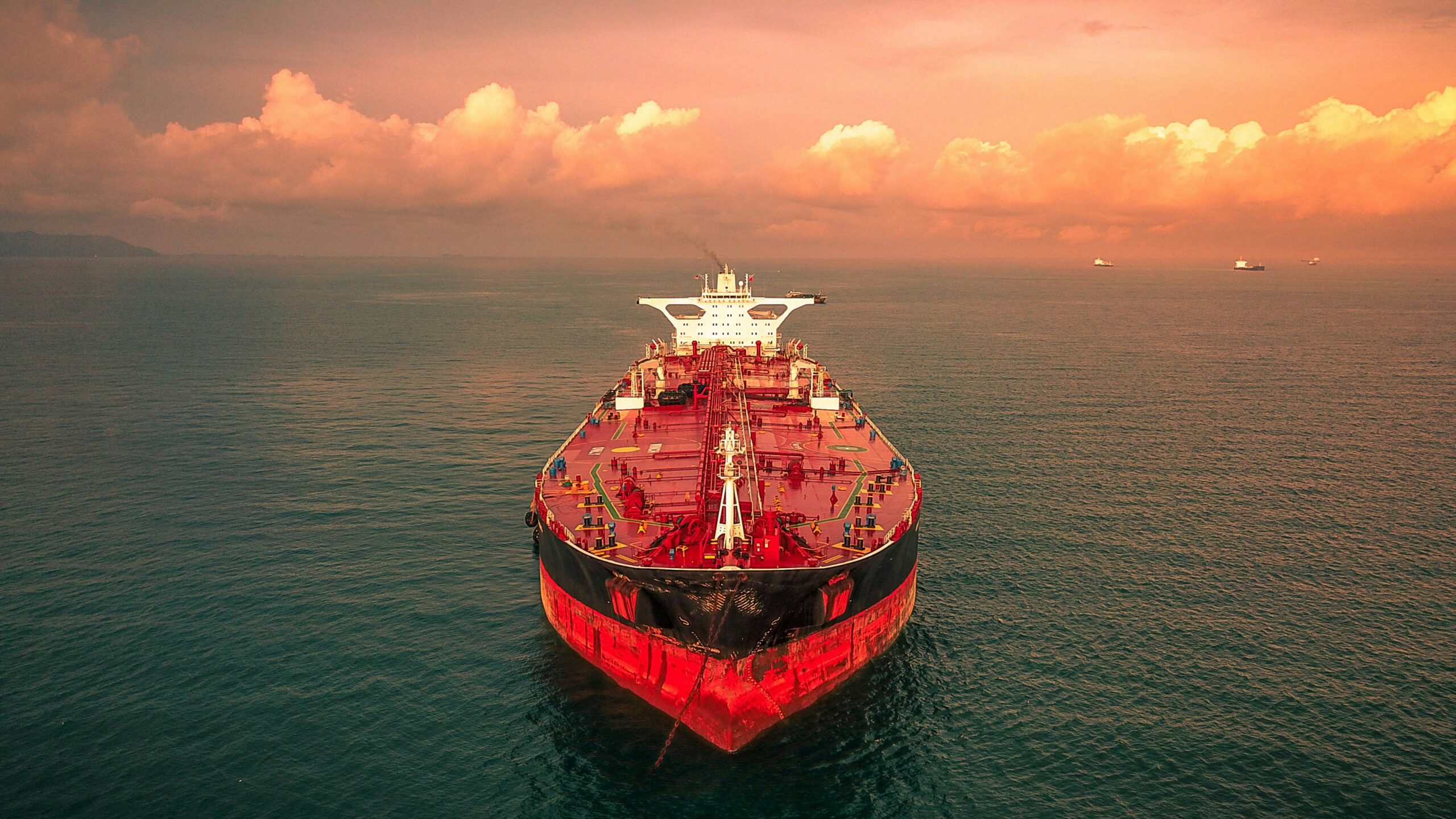
The Strait of Hormuz crisis is reshaping global oil trade, accelerating pipeline projects, energy diversification, and geopolitical realignment. Here's why the world energy map may never look the same again.
Focus Keywords: Strait of Hormuz crisis, global oil market, oil supply routes, energy security, Middle East oil exports, oil prices, Gulf pipelines, global energy trade
The Hormuz Squeeze Is Redrawing the Global Oil Map Forever
For decades, the Strait of Hormuz has been the world's most important energy chokepoint. Roughly one-fifth of global oil supplies and significant volumes of liquefied natural gas (LNG) flow through the narrow waterway connecting the Persian Gulf to international markets. When tensions rise there, energy traders pay attention.
But the latest disruption has become far more than a temporary market shock.
What began as a geopolitical crisis has evolved into a strategic turning point for global energy infrastructure. Governments, oil producers, and investors are now acting on a reality that many had long discussed but rarely prepared for: the world's dependence on a single maritime bottleneck is no longer acceptable.
The consequences could permanently alter global oil flows, investment priorities, and geopolitical alliances.
Why the Strait of Hormuz Matters So Much
The Strait of Hormuz is only about 21 miles wide at its narrowest point, yet it serves as the primary export route for major oil-producing nations including Saudi Arabia, Iraq, Kuwait, Qatar, and the United Arab Emirates.
Historically, markets assumed that despite periodic tensions, Hormuz would remain open. Even during major regional conflicts, shipping generally continued.
That assumption was challenged in 2026 as escalating conflict involving Iran, the United States, and regional powers severely disrupted tanker traffic and raised fears of a prolonged energy crisis. The disruption became one of the largest shocks to global energy markets in decades.
Energy analysts who once considered a sustained Hormuz shutdown unlikely are now reassessing risk models that underpin global oil trade.
The End of "Just-in-Time" Energy Security
One of the biggest lessons from the crisis is that efficiency and resilience are not the same thing.
For years, energy infrastructure planning prioritized cost optimization. Companies and governments relied on existing shipping routes because they were cheaper than building alternative pipelines or maintaining excess storage capacity.
That mindset is changing rapidly.
Countries across the Gulf are discussing new pipeline projects designed specifically to bypass Hormuz. Kuwait has reportedly explored discussions with neighboring states regarding export routes that would allow oil to reach global markets without passing through the strait. Existing bypass infrastructure in Saudi Arabia and the UAE has already demonstrated its strategic value during the disruption.
What once appeared to be expensive redundancy now looks like essential insurance.
Pipeline Investments Are Back
The biggest winner from the Hormuz crisis may be pipeline infrastructure.
For years, many proposed pipeline projects struggled to attract investment because the economic case seemed weak during periods of stable shipping.
Today, the equation looks very different.
Energy security has become a national priority rather than a purely commercial consideration. Governments are increasingly willing to support costly infrastructure if it reduces exposure to geopolitical shocks.
Analysts expect renewed investment in:
- Cross-border Gulf pipelines
- Red Sea export corridors
- Strategic oil storage hubs
- LNG diversification projects
- Alternative shipping routes
The result could be a gradual shift away from dependence on a single maritime chokepoint toward a more diversified network of energy corridors.
Asia Faces the Greatest Risk
The global nature of oil markets means everyone feels the impact of supply disruptions. However, Asia remains particularly vulnerable.
China, India, Japan, and South Korea rely heavily on Middle Eastern energy imports that traditionally pass through Hormuz.
As a result, Asian governments are accelerating efforts to strengthen strategic reserves and diversify suppliers. Some countries are exploring additional imports from North America, Africa, and Latin America to reduce concentration risk.
This trend could reshape long-term trade relationships and shipping patterns across the Indo-Pacific region.
The shift may also encourage greater investment in renewable energy, nuclear power, and domestic energy production as governments seek to reduce dependence on imported fossil fuels.
Oil Prices May Stay Elevated Even After the Crisis
One surprising consequence of the disruption is that its effects may continue long after shipping normalizes.
During the crisis, many countries drew down emergency petroleum reserves to stabilize supplies. Once conditions improve, those reserves will need to be replenished.
Analysts estimate that rebuilding stockpiles could create demand for hundreds of millions of additional barrels over several years, tightening energy markets even after the immediate crisis ends.
This means energy prices could remain structurally higher than many investors currently expect.
Rather than experiencing a sharp return to pre-crisis conditions, markets may enter a prolonged adjustment period characterized by increased volatility and stronger demand for strategic inventories.
A New Era of Energy Geopolitics
The Hormuz crisis highlights a broader shift occurring across global energy markets.
For decades, globalization encouraged efficiency and interconnectedness. The assumption was that trade routes would remain open and geopolitical risks could be managed.
Recent events—from the Russia-Ukraine conflict to Red Sea shipping disruptions and now the Hormuz crisis—have challenged that assumption.
Energy security is increasingly becoming a central component of national security.
Governments are now evaluating supply chains through the lens of resilience rather than efficiency alone. That means:
- More domestic production
- Larger strategic reserves
- Greater infrastructure redundancy
- Diversified supplier networks
- Increased government involvement in energy planning
These trends suggest the world is entering a new era where geopolitical considerations play a larger role in shaping energy investment decisions.
What Investors Should Watch Next
Several indicators will reveal whether the current shift becomes permanent.
First, investors should monitor announcements related to new Gulf pipeline projects. Significant commitments would signal that governments believe future disruptions remain a serious risk.
Second, strategic petroleum reserve policies will offer clues about how countries view long-term energy security.
Third, capital spending by major oil producers could indicate whether they are prioritizing resilience over pure production growth.
Finally, developments in renewable energy and alternative fuels may accelerate as nations seek to reduce dependence on vulnerable supply routes altogether.
The Bottom Line
The Strait of Hormuz has long been the most important chokepoint in global energy markets. What makes the current crisis different is that it has fundamentally changed how governments and companies think about energy security.
The world is no longer focused solely on keeping Hormuz open. It is increasingly focused on reducing the consequences if it closes again.
That shift is driving new pipeline projects, larger reserves, diversified supply chains, and broader energy transformation efforts across the globe. Even if tanker traffic eventually returns to normal, the strategic lessons from this crisis are unlikely to be forgotten.
The result may be a permanent redrawing of the global oil map—one in which resilience matters as much as production, and where energy security becomes the defining theme of the next decade.




0 Comments