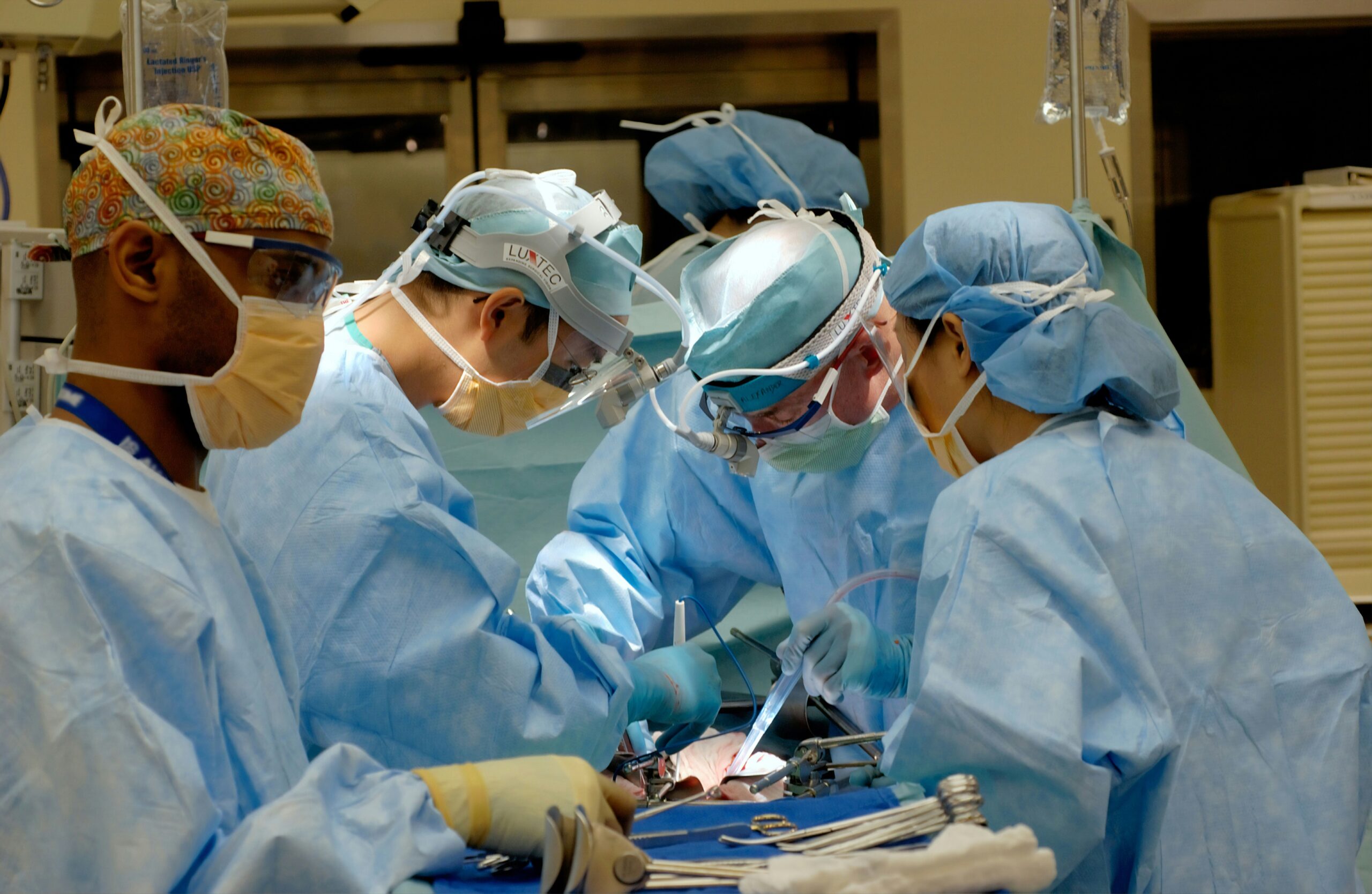
Doctors and hospitals in the Democratic Republic of Congo are struggling to keep pace with a rapidly spreading Ebola outbreak. Explore the healthcare crisis, rising case counts, medical shortages, and global implications.
Ebola Outbreak in Congo Overwhelms Hospitals as Healthcare System Faces Breaking Point
The latest Ebola outbreak in the Democratic Republic of the Congo is rapidly escalating into one of the most severe public health emergencies the country has faced in years. Hospitals are overcrowded, doctors are stretched thin, medical resources are running dangerously low, and health workers are struggling to contain a fast-moving virus that continues spreading across conflict-affected regions. According to recent reporting, the outbreak has already become one of the largest recorded in Congo’s history, placing extraordinary pressure on an already fragile healthcare system.
At the center of the crisis is eastern Congo, particularly the province of Ituri, where hospitals have reportedly become overwhelmed with suspected Ebola patients. Medical teams are struggling to isolate infected individuals, healthcare staff face shortages of protective equipment, and some hospitals have begun refusing or delaying care because they lack adequate capacity. The situation is being compounded by insecurity, distrust, displacement, and weak infrastructure.
Why This Ebola Outbreak Is Different
Unlike some previous Ebola outbreaks, this wave involves the Bundibugyo strain, a rarer form of the virus for which no approved vaccine or proven targeted treatment currently exists. Health officials say this has significantly complicated containment efforts because doctors cannot rely on the same vaccination strategies used in earlier outbreaks involving other strains. Mortality estimates for Bundibugyo Ebola vary, but experts warn the virus remains highly dangerous and can spread rapidly when healthcare systems are strained.
The outbreak reportedly circulated undetected for weeks before authorities correctly identified the strain. Early testing efforts focused on more common Ebola variants, delaying diagnosis and allowing transmission chains to grow. By the time the outbreak was formally recognized, hospitals were already seeing surging patient numbers and increasing fatalities.
Hospitals Are Reaching Capacity
Healthcare facilities in affected regions are facing severe overcrowding. Doctors and aid workers describe hospitals packed with suspected Ebola patients, while isolation wards fill faster than medical teams can create new space. In some cases, emergency teams reportedly called multiple hospitals seeking beds only to hear the same response: there was no room left.
Medical staff face a brutal reality: balancing Ebola containment while continuing ordinary healthcare. In some hospitals, attention has shifted heavily toward outbreak management, meaning patients with unrelated illnesses struggle to receive timely care. Staff shortages, damaged facilities, and lack of protective supplies increase pressure on already exhausted healthcare workers.
The challenge is especially severe because eastern Congo has long experienced instability and violence. Conflict has weakened infrastructure, displaced communities, and limited access to healthcare in rural areas. Several reports suggest damaged medical facilities and staff departures have left the region vulnerable even before Ebola cases surged.
Fear, Distrust, and Community Resistance
Containing Ebola requires more than hospital beds—it depends on public trust.
Health officials say fear and misinformation are slowing containment efforts. Ebola spreads through contact with infected bodily fluids, meaning protective burial practices and reduced physical contact become essential during outbreaks. However, changing social customs in moments of grief is difficult, especially in communities already coping with instability and mistrust.
Recent reports describe anger surrounding restrictions on funerals and the handling of victims’ remains. Some treatment facilities have reportedly faced attacks or unrest after authorities prevented families from retrieving bodies for traditional ceremonies. Public frustration, panic, and distrust can make contact tracing and isolation significantly harder.
This dynamic matters because Ebola containment depends heavily on cooperation. If infected individuals avoid hospitals or flee treatment centers, transmission becomes harder to track and outbreaks grow more difficult to stop. Public communication, trust-building, and community partnerships are therefore just as important as medicine and equipment.
A Crisis Complicated by Conflict
The outbreak is unfolding inside one of the world’s most difficult humanitarian environments.
Armed conflict and insecurity continue disrupting healthcare operations in eastern Congo. Aid groups warn that violence, population displacement, and fragile infrastructure make disease surveillance harder and reduce access to care. Some areas remain difficult to reach, while humanitarian workers face security risks during medical operations.
At the same time, funding shortages and logistical problems are slowing response efforts. Testing limitations, shortages of protective equipment, and difficulties transporting supplies have created bottlenecks at a moment when rapid action matters most. Public health experts repeatedly stress that Ebola outbreaks become exponentially harder to contain if interventions arrive too late.
How Serious Is the Situation?
Health officials have raised alarms about both the scale and speed of the outbreak. Recent estimates suggest hundreds of suspected cases and well over a hundred deaths, with concerns that official confirmed numbers understate the outbreak’s true size due to testing limitations and underreporting. Some international observers have described it as the third-largest Ebola outbreak ever recorded in Congo.
The good news is that global risk remains relatively limited for now, according to public health authorities, even while national and regional concern levels rise. Ebola is difficult to spread casually and generally requires direct contact with bodily fluids from infected individuals or contaminated materials. Still, experts warn that without stronger containment, local healthcare systems could face further collapse.
Why the World Is Watching
Ebola outbreaks are never purely local events. The disease’s severity, high fatality risk, and potential to overwhelm healthcare systems mean global health agencies monitor even geographically limited outbreaks closely.
What happens next in Congo will likely depend on several factors: whether hospitals receive rapid reinforcements, how quickly testing and contact tracing improve, whether communities cooperate with containment measures, and whether international support increases fast enough to stabilize overwhelmed medical systems.
For now, doctors in Congo remain on the front line of an escalating emergency—working in overcrowded hospitals, confronting shortages, and trying to contain one of the world’s deadliest viruses before the crisis worsens.
FAQ: Ebola Outbreak in Congo
What caused the current Ebola outbreak in Congo?
The outbreak involves the Bundibugyo strain of Ebola, which spread undetected for weeks before being identified, contributing to rising infections and pressure on hospitals.
Why are hospitals overwhelmed?
Hospitals face surging patient numbers, staff shortages, inadequate protective equipment, limited isolation wards, and disruption caused by conflict and instability.
Is there a vaccine for this Ebola strain?
Health authorities report there is currently no approved vaccine specifically for the Bundibugyo strain involved in this outbreak.
Is Ebola spreading globally?
Authorities currently assess global risk as low, though national and regional concern levels have increased because of the outbreak’s rapid spread within Congo.
Primary source: The Wall Street Journal report on the Ebola outbreak




0 Comments