
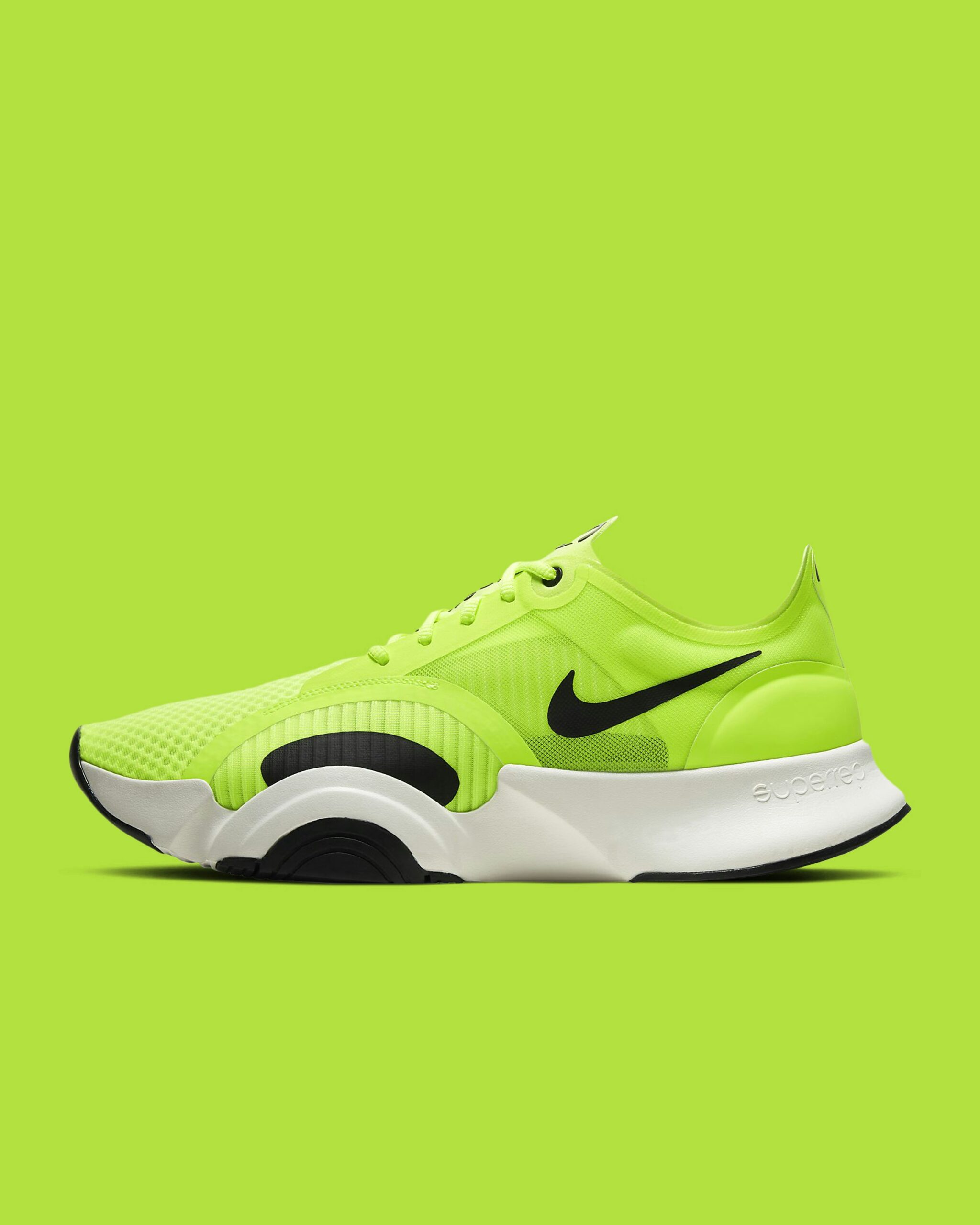
Nike is losing market share in China as local sportswear giants like Anta and Li-Ning dominate running culture, innovation, and digital commerce. Discover why China’s sneaker market is changing global retail forever.
🏃 The Market That Once Fueled Nike’s Growth Is Becoming Its Biggest Challenge
For decades, China represented one of Nike’s greatest success stories.
The company transformed itself from a Western athletic brand into a cultural powerhouse across Chinese cities, campuses, basketball courts, and shopping malls. Millions of consumers viewed Nike shoes as symbols of global style, elite sports performance, and modern aspiration.
Nike’s rise in China was so successful that executives once viewed the country as a central pillar of the company’s long-term future.
Today, that future looks far less certain.
In 2026, Nike is facing one of the most difficult competitive battles in its history as Chinese consumers increasingly embrace domestic sportswear brands over foreign giants. The shift is not temporary. It reflects deeper economic, cultural, technological, and geopolitical changes transforming the global retail industry.
Chinese brands such as Anta and Li-Ning are no longer considered low-cost alternatives. They are now viewed by many consumers as legitimate innovators capable of competing directly with Nike in performance footwear, design, and athletic identity.
What is happening in China is bigger than sneakers.
It is a warning sign for multinational companies that once assumed Western brands would permanently dominate emerging consumer markets.
🇨🇳 China’s Fitness Boom Created a New Athletic Economy
China’s sportswear market has expanded dramatically over the last decade.
The country experienced a surge in:
- Running participation
- Urban fitness culture
- Outdoor recreation
- Marathon events
- Wellness-driven lifestyles
- Social-media fitness communities
Young consumers increasingly view sports and wellness as part of their personal identity.
Morning running clubs fill major cities. Marathons attract massive participation. Hiking, yoga, trail running, and outdoor sports have become status-driven lifestyle activities among younger professionals.
Initially, Nike benefited enormously from this movement.
The company’s basketball identity, premium image, and athlete endorsements resonated strongly with Chinese consumers eager to connect with global culture.
But as China’s sports culture evolved, the market itself changed.
Consumers no longer wanted only Western aspiration.
They wanted brands that reflected modern Chinese identity, local tastes, and region-specific innovation.
Domestic sportswear companies adapted quickly.
Nike struggled to keep pace.
📉 Nike’s Decline in China Became Impossible to Ignore
The numbers surrounding Nike’s China business have become increasingly alarming.
According to recent reports, Nike’s revenue in China over the past three quarters fell 28% compared with the same period five years ago. Executives also warned investors that sales in China and Taiwan could decline another 20% year-over-year during the current quarter.
That decline matters enormously because China was once viewed as Nike’s primary international growth engine.
Instead, it has become one of the company’s weakest-performing regions.
Nike’s stock price reacted negatively to the deteriorating outlook, while analysts questioned whether the company could successfully regain momentum in the market.
The situation reflects more than temporary consumer weakness.
It reveals structural changes inside China’s retail economy.
👟 Chinese Running Brands Closed the Technology Gap
One of Nike’s biggest historical advantages was technological superiority.
For years, consumers believed Western athletic companies possessed better:
- Cushioning systems
- Running performance research
- Material science
- Biomechanics
- Athlete testing
- Shoe durability
That advantage has narrowed dramatically.
Chinese sportswear companies invested heavily in sports science and footwear innovation. Local brands now develop advanced foams, carbon plate systems, and high-performance racing shoes capable of competing with elite global models.
Reports indicate that Chinese reviewers compared some Li-Ning running shoes favorably with Nike’s elite Vaporfly racing footwear. Anta also collaborated with scientists to develop nitrogen-based cushioning technologies designed to improve energy return and responsiveness.
The psychological impact of this shift is massive.
Consumers no longer automatically assume foreign shoes are superior.
That changes everything.
💰 Nike’s Premium Pricing Became a Weakness
Economic pressure in China has intensified over the past several years.
Consumers are becoming more cautious with discretionary spending, especially younger buyers facing slower wage growth and uncertainty in the broader economy.
Nike’s premium pricing strategy increasingly appears out of sync with market conditions.
Domestic competitors offer performance-oriented running shoes at significantly lower prices, making them extremely attractive to value-conscious consumers.
This combination of improving quality and lower pricing created serious pressure for Nike.
Consumers began asking difficult questions:
- Why pay more for Nike?
- Are local products now equally good?
- Does foreign branding still justify premium prices?
Many consumers concluded the answer was no.
📱 China’s Digital Retail Revolution Left Nike Behind
One of Nike’s most important strategic mistakes involved digital commerce.
China’s online retail ecosystem evolved faster and differently than Western markets.
Platforms such as Douyin transformed shopping into an entertainment-driven, influencer-powered experience where livestreaming, short videos, and algorithmic discovery became central to product sales.
Chinese brands adapted rapidly.
Nike moved slowly.
Reports indicate Nike did not launch a flagship Douyin store until 2024, years after many local competitors had already mastered the platform.
Domestic companies understood the ecosystem intuitively because they were operating inside their own digital culture.
Chinese brands became highly effective at:
- Livestream product launches
- Real-time trend marketing
- Community engagement
- Influencer partnerships
- Viral social campaigns
- Fast product feedback loops
Nike’s global corporate structure often appeared too slow for China’s hypercompetitive retail environment.
🧠 National Pride Is Changing Consumer Behavior
Another major factor reshaping China’s sneaker market is cultural identity.
The rise of “guochao” — a trend centered around pride in Chinese brands and aesthetics — has fundamentally changed purchasing behavior among younger consumers.
Consumers increasingly support domestic companies because they see them as symbols of modern Chinese confidence and creativity.
This shift extends far beyond sportswear.
It affects:
- Technology
- Fashion
- Cosmetics
- Automotive brands
- Luxury products
- Entertainment
Nike encountered additional backlash after controversies surrounding sourcing policies linked to Xinjiang cotton in 2021. Chinese social media users criticized the company heavily, and some celebrities ended partnerships with Nike.
In a more nationalistic consumer environment, foreign brands face greater reputational risk than before.
Local competitors benefit from stronger cultural alignment with consumers.
🏀 Basketball No Longer Dominates Chinese Youth Culture
Nike built much of its Chinese identity around basketball.
The NBA’s popularity in China helped Nike become deeply associated with athletic coolness, especially through the Air Jordan brand and NBA endorsements.
But younger consumers are evolving beyond basketball-centric culture.
Chinese fitness trends now emphasize:
- Running
- Hiking
- Yoga
- Tennis
- Outdoor recreation
- Wellness lifestyles
This transition weakened some of Nike’s traditional strengths.
Reports suggest younger consumers no longer connect emotionally with Michael Jordan-era branding because many were born long after his career ended.
At the same time, companies like Anta diversified aggressively into outdoor sports and niche athletic categories.
That strategic flexibility gave local competitors an advantage in responding to changing trends.
🌍 Anta’s Global Ambitions Are Becoming Reality
Anta is no longer simply a domestic Chinese sportswear company.
It has become one of the most ambitious athletic brands in the world.
The company expanded aggressively through acquisitions, partnerships, and international investments. It also strengthened its position across multiple sports categories, from running to skiing to outdoor recreation.
Anta’s strategy differs from Nike’s traditional single-brand dominance model.
Instead, Anta built a portfolio approach designed to reach multiple consumer segments simultaneously.
This flexibility allows the company to:
- Compete across price levels
- Target niche athletic communities
- Expand internationally
- Respond faster to market changes
- Localize more effectively
Executives openly stated they do not simply want to become “the Nike of China.”
They want to become a global sportswear powerhouse in their own right.
🏃 Running Culture Is Reshaping the Sneaker Industry
The running category itself has become central to the modern sneaker market.
Recent breakthroughs in lightweight foams, carbon plate technologies, and marathon racing shoes transformed performance footwear into one of the industry’s most innovative segments.
Marathon records continue falling as shoe technology improves.
Elite runners increasingly rely on advanced footwear systems engineered for speed, efficiency, and energy return.
Chinese brands recognized this opportunity early.
Instead of focusing solely on fashion-oriented sneakers, local companies aggressively targeted serious runners and performance athletes.
This helped build credibility with consumers seeking authentic sports innovation rather than only lifestyle branding.
The strategy worked.
Running culture became one of the key battlegrounds where Chinese companies proved they could compete with global giants.
📦 Nike’s Inventory and Supply Chain Problems Made Things Worse
Nike also faced operational challenges inside China.
Executives acknowledged that excess inventory forced the company into discounting and weaker profit margins.
Heavy discounting creates multiple problems:
- It hurts brand prestige
- It trains consumers to wait for sales
- It reduces pricing power
- It weakens premium positioning
Meanwhile, local Chinese companies often operated with faster product cycles and greater supply chain flexibility.
In China’s fast-moving retail environment, speed matters enormously.
Companies that react quickly to trends gain advantages in both inventory efficiency and consumer engagement.
Nike’s large global structure sometimes slowed decision-making compared with agile local competitors.
🏬 Nike Is Trying to Rebuild Through Localization
Nike understands the seriousness of the challenge.
The company has increasingly promoted a “China-for-China” strategy designed to localize operations more aggressively.
This approach includes:
- China-specific product development
- Local creative campaigns
- Regional leadership restructuring
- Shanghai innovation initiatives
- Faster adaptation to Chinese trends
Nike also announced new investments in research and content production inside China.
Executives hope these changes will help rebuild local relevance and restore consumer trust.
Some recent marketing campaigns developed with Chinese agencies reportedly performed well with local audiences.
However, rebuilding momentum will likely take years rather than months.
🌐 Nike’s China Problems Reflect a Larger Global Shift
The broader implications extend far beyond one company.
For decades, multinational corporations assumed rising incomes in China would naturally strengthen demand for foreign products.
That assumption is becoming outdated.
Chinese companies are now:
- Technologically sophisticated
- Operationally advanced
- Digitally dominant
- Culturally influential
- Nationally competitive
In many categories, domestic brands no longer compete primarily on price.
They compete on innovation, identity, and consumer connection.
That represents a historic shift in the global economy.
🧵 Western Brands Are Losing Their Automatic Prestige Advantage
A decade ago, many Chinese consumers viewed American brands as symbols of status and modernity.
That perception has weakened considerably.
Reports indicate many consumers now prioritize:
- Local relevance
- Design originality
- Cultural familiarity
- Product value
- Community engagement
Western companies can no longer assume their foreign identity automatically creates desirability.
Instead, they must compete directly against highly capable domestic brands operating on home turf.
That is a far more difficult environment than the one global companies encountered during China’s earlier economic boom years.
📈 Can Nike Recover in China?
Nike still retains enormous advantages.
The company possesses:
- Global athlete partnerships
- Massive marketing resources
- Advanced research capabilities
- Worldwide brand recognition
- Strong innovation history
Nike is unlikely to disappear from China.
But the era of near-unquestioned dominance may be over.
The company now faces a market where consumers have more choices, more confidence in domestic products, and less emotional attachment to Western branding.
Recovery will require more than advertising.
Nike must prove it still understands Chinese consumers.
🔮 The Future of the Global Sneaker Industry
China’s sportswear transformation could reshape the entire global sneaker business over the next decade.
Chinese brands are increasingly expanding internationally while refining their technology and marketing strategies.
If domestic companies continue improving at their current pace, they may eventually challenge Western brands not only inside China, but across global markets.
This possibility would have seemed unrealistic years ago.
Today, it looks increasingly plausible.
The battle for the future of athletic footwear is no longer centered only in the United States or Europe.
It is happening inside China’s rapidly evolving consumer economy.
✅ Final Thoughts
Nike’s struggles in China represent one of the clearest examples of how global markets are changing in 2026.
Chinese consumers are becoming more selective, more nationally confident, and more willing to embrace domestic innovation over foreign prestige.
At the same time, local sportswear companies have become stronger, faster, and technologically competitive.
Nike’s challenge is no longer simply about selling shoes.
It is about remaining culturally relevant in a market that no longer automatically views Western brands as superior.
The outcome of this battle will shape not only Nike’s future, but the future of the entire global sneaker industry.
Direct Source Links
- The Wall Street Journal – China’s ‘Two Billion Feet’ Are Suddenly Running From Nike
- LiveMint – Nike’s Road to Recovery in China Is Hitting New Hurdles
- The Wall Street Journal – The Obsessive Race to Make a Four-Ounce Running Shoe
- The Wall Street Journal – American Brands Used to Be ‘Sexy’ in China. No Longer.



0 Comments