
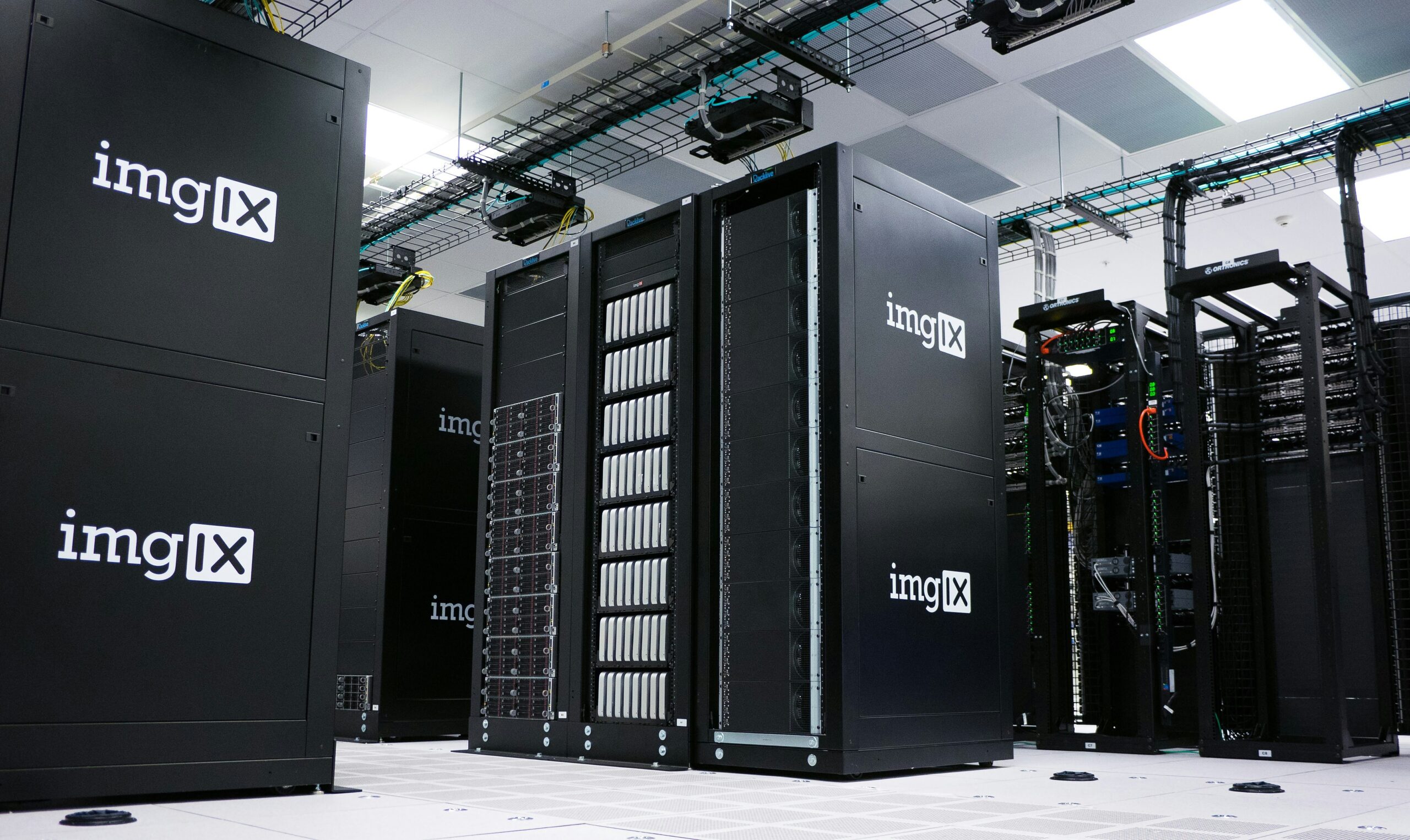
AI chip stocks are leading global markets in 2026 as semiconductor demand explodes across artificial intelligence, cloud computing, robotics, and data centers. Discover why Nvidia, AMD, Micron, and memory-chip companies are driving a historic tech rally, the risks investors face, and what the future of AI infrastructure could look like.
💻 The Semiconductor Boom Is Powering a New Era of Artificial Intelligence
The global semiconductor industry is experiencing one of the most extraordinary investment booms in modern financial history. Across Wall Street and international markets, chip stocks continue climbing as artificial intelligence reshapes industries, governments, and global economic priorities.
What began as excitement surrounding generative AI tools has rapidly evolved into a massive technological transformation affecting nearly every sector of the global economy. From cloud computing and cybersecurity to healthcare, autonomous vehicles, robotics, defense systems, and enterprise software, advanced semiconductors have become the critical infrastructure powering the AI revolution.
In 2026, investors are increasingly viewing semiconductor companies not merely as technology firms, but as strategic infrastructure providers essential to the future of digital civilization. The scale of investment flowing into AI hardware is staggering. Major technology companies are spending hundreds of billions of dollars building AI data centers, upgrading cloud networks, and securing access to advanced chips capable of training and operating next-generation artificial intelligence systems.
This unprecedented surge in demand has created what many analysts now describe as a semiconductor “supercycle” — a prolonged period of accelerated growth driven by structural technological changes rather than short-term consumer demand.
The latest wave of momentum in chip stocks demonstrates how artificial intelligence is transforming financial markets. Investors continue rewarding companies involved in AI infrastructure with enormous valuations as demand for computing power shows few signs of slowing.
🧠 Why Artificial Intelligence Needs Advanced Chips
Artificial intelligence systems require enormous amounts of computing power. Unlike traditional software applications, AI models process gigantic datasets and perform billions or even trillions of calculations to generate responses, analyze images, recognize speech, or make predictions.
This computational intensity is creating massive demand for specialized semiconductors.
Modern AI systems depend on several key categories of hardware:
- Graphics processing units (GPUs)
- Central processing units (CPUs)
- High-bandwidth memory (HBM)
- AI accelerators
- Networking chips
- Optical interconnect technologies
- Advanced storage systems
Each AI query processed by a chatbot or machine-learning platform requires significant hardware resources. As businesses adopt AI tools at scale, the need for advanced chips continues rising rapidly.
Cloud providers such as Microsoft, Amazon, Alphabet, and Meta are investing aggressively in AI infrastructure because they believe artificial intelligence will become foundational to future digital services. These companies are building enormous data centers equipped with tens of thousands of high-performance AI chips.
This infrastructure race has become one of the largest capital expenditure cycles the technology industry has ever seen.
📈 Nvidia Has Become the Symbol of the AI Economy
No company better represents the current AI investment boom than NVIDIA.
Originally known primarily for gaming graphics cards, Nvidia has evolved into the dominant provider of AI acceleration hardware. Its GPUs are widely considered the industry standard for training advanced AI models and powering large-scale machine-learning systems.
The company’s transformation has been historic.
Nvidia’s chips now power:
- Generative AI models
- Autonomous vehicle systems
- Scientific simulations
- Robotics platforms
- Enterprise AI applications
- Defense technologies
- Cloud-based AI services
As AI adoption accelerates worldwide, demand for Nvidia’s hardware has skyrocketed. Major cloud providers and enterprises continue competing for access to the company’s latest chips because supply remains constrained in several areas of the market.
This persistent imbalance between supply and demand has helped fuel extraordinary revenue growth and investor enthusiasm.
Nvidia’s rise has also triggered a broader rally throughout the semiconductor ecosystem. Companies involved in memory chips, server manufacturing, networking equipment, and data-center infrastructure have all benefited from the AI spending surge.
Many investors now view Nvidia as the foundational hardware provider of the AI age.
⚡ The Memory-Chip Industry Is Experiencing a Historic Revival
One of the most surprising developments of the AI boom has been the resurgence of memory-chip companies.
Historically, memory semiconductors were viewed as highly cyclical products prone to oversupply and price collapses. However, artificial intelligence has fundamentally changed market dynamics.
Advanced AI systems require enormous memory capacity and bandwidth. Large language models process massive datasets that demand ultra-fast data transfers between processors and memory modules.
This has created explosive demand for high-bandwidth memory technologies.
Companies specializing in advanced memory products are now essential players in the AI infrastructure economy. Manufacturers producing AI-oriented memory chips have seen soaring revenues and improving profit margins as pricing power strengthens.
Several major memory suppliers have emerged as critical beneficiaries of the AI expansion, including:
- Micron Technology
- Samsung Electronics
- SK hynix
Investors increasingly believe that memory demand could remain elevated for years as AI models become larger and more sophisticated.
This shift has transformed memory chips from commodity hardware into strategic AI infrastructure components.
🏗️ AI Infrastructure Spending Is Reshaping the Technology Sector
One reason semiconductor stocks continue rising is the sheer scale of AI infrastructure investment underway globally.
Technology giants are racing to expand computing capacity before competitors gain an advantage in artificial intelligence development.
This has triggered enormous spending on:
- AI servers
- Semiconductor manufacturing
- Data-center construction
- Networking equipment
- Cooling technologies
- Electrical infrastructure
- Cloud-computing systems
Modern AI data centers consume tremendous amounts of power and generate significant heat, requiring sophisticated engineering solutions. As a result, the AI boom is benefiting not only chipmakers but also companies involved in power systems, industrial cooling, fiber optics, and infrastructure management.
The expansion of AI infrastructure resembles earlier industrial revolutions where massive investment flowed into railroads, telecommunications networks, and electrical grids.
Today, semiconductors sit at the center of a comparable technological transformation.
🌎 Global Governments Are Treating Chips as Strategic Assets
The semiconductor boom is no longer solely about private-sector profits. Governments increasingly recognize advanced chips as strategically vital technologies tied to national security and economic competitiveness.
Countries around the world are investing heavily in semiconductor manufacturing and AI infrastructure.
The United States has prioritized domestic chip production through major industrial policy initiatives designed to reduce dependence on foreign manufacturing. China is simultaneously accelerating its own semiconductor ambitions while investing aggressively in AI development.
Meanwhile, Europe, Japan, South Korea, and Taiwan are strengthening semiconductor ecosystems to secure their positions in the global technology race.
Advanced chips are now viewed as critical to:
- Military modernization
- Cybersecurity
- Scientific leadership
- Economic competitiveness
- Industrial productivity
- Energy innovation
Geopolitical tensions surrounding semiconductor supply chains have further elevated the industry’s strategic importance.
Export restrictions on advanced AI chips and manufacturing equipment have become central issues in global trade policy, adding another layer of complexity to the semiconductor market.
🤖 AI Is Expanding Beyond Silicon Valley
The AI investment boom is no longer limited to traditional technology companies.
Industries previously viewed as unrelated to artificial intelligence are now benefiting from semiconductor-driven growth. Manufacturing firms, industrial suppliers, and infrastructure companies are seeing increased demand due to AI-related spending.
Examples include companies involved in:
- Industrial automation
- Power distribution systems
- Semiconductor manufacturing equipment
- Data-center cooling
- Optical networking
- Electrical infrastructure
- Construction engineering
As AI infrastructure expands globally, entire industrial ecosystems are experiencing renewed growth.
This broader economic impact helps explain why investors increasingly believe artificial intelligence represents a long-term structural transformation rather than a temporary technology trend.
📊 Why Investors Continue Buying Semiconductor Stocks
Despite enormous gains already recorded, investors continue pouring capital into semiconductor companies for several reasons.
🚀 Explosive Revenue Growth
Many AI-focused semiconductor firms are reporting revenue growth rates rarely seen among large-cap technology companies.
Demand for AI hardware continues accelerating as enterprises integrate machine learning into business operations.
💰 Strong Profitability
Unlike speculative technology booms of the past, many semiconductor companies are generating extraordinary profits and cash flow.
This profitability strengthens investor confidence that the AI boom is supported by real economic activity rather than pure speculation.
🌐 Structural Demand
Artificial intelligence adoption continues spreading across industries including:
- Healthcare
- Finance
- Logistics
- Manufacturing
- Education
- Defense
- Retail
- Entertainment
This broad adoption creates recurring demand for AI hardware infrastructure.
🔥 Limited Supply
Advanced semiconductor manufacturing remains extremely difficult and expensive.
Building state-of-the-art fabrication plants requires years of construction and billions of dollars in capital investment. Limited manufacturing capacity helps sustain strong pricing power for leading chipmakers.
⚠️ Risks Facing the Semiconductor Rally
Although optimism surrounding AI remains powerful, analysts continue warning about significant risks.
The semiconductor industry has historically experienced volatile boom-and-bust cycles. Rapid demand growth can eventually lead to oversupply, falling prices, and collapsing margins.
Several risks could threaten the current rally:
📉 Overvaluation Concerns
Some investors worry semiconductor stocks may be trading at excessively high valuations relative to future earnings potential.
If growth slows unexpectedly, valuations could compress sharply.
🌍 Geopolitical Tensions
Global semiconductor supply chains remain vulnerable to geopolitical disruptions, particularly involving Taiwan and U.S.-China relations.
Export restrictions or trade conflicts could significantly impact the industry.
⚡ Energy Constraints
AI data centers consume enormous amounts of electricity. Rising energy costs and infrastructure limitations may eventually become major challenges.
🧮 Economic Slowdowns
Higher interest rates or broader economic weakness could reduce corporate technology spending.
If AI investment budgets decline, semiconductor demand may weaken.
🔄 Industry Cyclicality
The chip industry remains cyclical despite structural AI demand. Overinvestment in manufacturing capacity could eventually create supply gluts.
🏢 The Rise of AI Data Centers
One of the most important drivers of semiconductor demand is the rapid expansion of AI data centers.
These facilities differ significantly from traditional cloud-computing centers because AI workloads require much more intensive processing power.
Modern AI data centers rely on:
- Advanced GPUs
- High-speed networking
- Specialized cooling systems
- Massive power supplies
- Sophisticated memory architectures
Technology companies are investing billions into these facilities because AI applications require increasingly large computational resources.
Some analysts believe AI infrastructure spending may continue for a decade or longer as enterprises modernize digital systems around machine learning technologies.
🔬 Semiconductor Innovation Continues Accelerating
Another reason investors remain optimistic is the rapid pace of semiconductor innovation.
Chipmakers continue advancing technologies involving:
- Energy efficiency
- Processing performance
- Memory bandwidth
- Chip packaging
- Optical communication
- AI acceleration architectures
Researchers and engineers are developing new methods to improve AI performance while reducing power consumption.
Innovations in advanced packaging, chip stacking, and optical networking may dramatically expand future computing capabilities.
This constant innovation cycle encourages businesses to upgrade infrastructure regularly, sustaining long-term semiconductor demand.
📱 AI Is Changing Consumer Technology Too
Although enterprise infrastructure dominates the current boom, AI is increasingly affecting consumer devices as well.
Artificial intelligence features are becoming standard in:
- Smartphones
- Laptops
- Smart home systems
- Vehicles
- Wearable devices
- Consumer robotics
This trend may create additional semiconductor demand beyond cloud infrastructure.
Companies are integrating on-device AI processing into consumer electronics to improve performance, privacy, and efficiency.
As AI-powered features become mainstream, advanced chips may become essential components across a broader range of products.
🧬 AI Could Transform Entire Industries
The semiconductor rally reflects investor belief that artificial intelligence will fundamentally reshape global industries.
Potential AI-driven transformations include:
🏥 Healthcare
AI-assisted diagnostics, drug discovery, and personalized medicine could revolutionize healthcare systems.
🚗 Transportation
Autonomous driving technologies require enormous computational resources and advanced semiconductor systems.
🏭 Manufacturing
AI-powered robotics and automation may dramatically improve industrial productivity.
📚 Education
Adaptive AI learning systems could personalize education and training.
💼 Finance
Machine-learning algorithms are increasingly used for fraud detection, trading systems, and risk management.
🔮 What Happens Next for Chip Stocks?
The future direction of semiconductor markets will likely depend on several critical factors.
Investors are closely monitoring:
- AI spending guidance from major technology companies
- Semiconductor earnings reports
- Supply-chain conditions
- Memory-chip pricing
- Geopolitical developments
- Interest-rate policy
- AI adoption trends
If AI infrastructure investment continues expanding rapidly, semiconductor demand may remain strong for years.
However, markets rarely move upward indefinitely without periods of volatility.
Analysts expect continued turbulence as investors debate whether the AI boom represents a sustainable technological revolution or an overheated market cycle.
🌐 The AI Semiconductor Supercycle May Just Be Beginning
Artificial intelligence has rapidly evolved from an emerging technology trend into a defining force shaping the global economy.
Semiconductors now sit at the center of that transformation.
The AI revolution requires unprecedented levels of computing power, memory capacity, networking infrastructure, and data-center expansion. As businesses, governments, and consumers increasingly integrate AI into daily life, advanced chips are becoming as essential to the modern economy as electricity and internet connectivity.
While risks remain, the scale of global AI investment suggests semiconductor companies could continue playing a dominant role in financial markets for many years.
Whether the current rally eventually cools or accelerates even further, one reality is already clear: the semiconductor industry has become one of the most strategically important sectors in the world economy.
📚 Sources
Direct Source Link:
https://www.wsj.com/finance/stocks/the-chip-stock-juggernaut-shows-no-signs-of-slowing-down-22b78444
Additional Research Sources:




0 Comments