
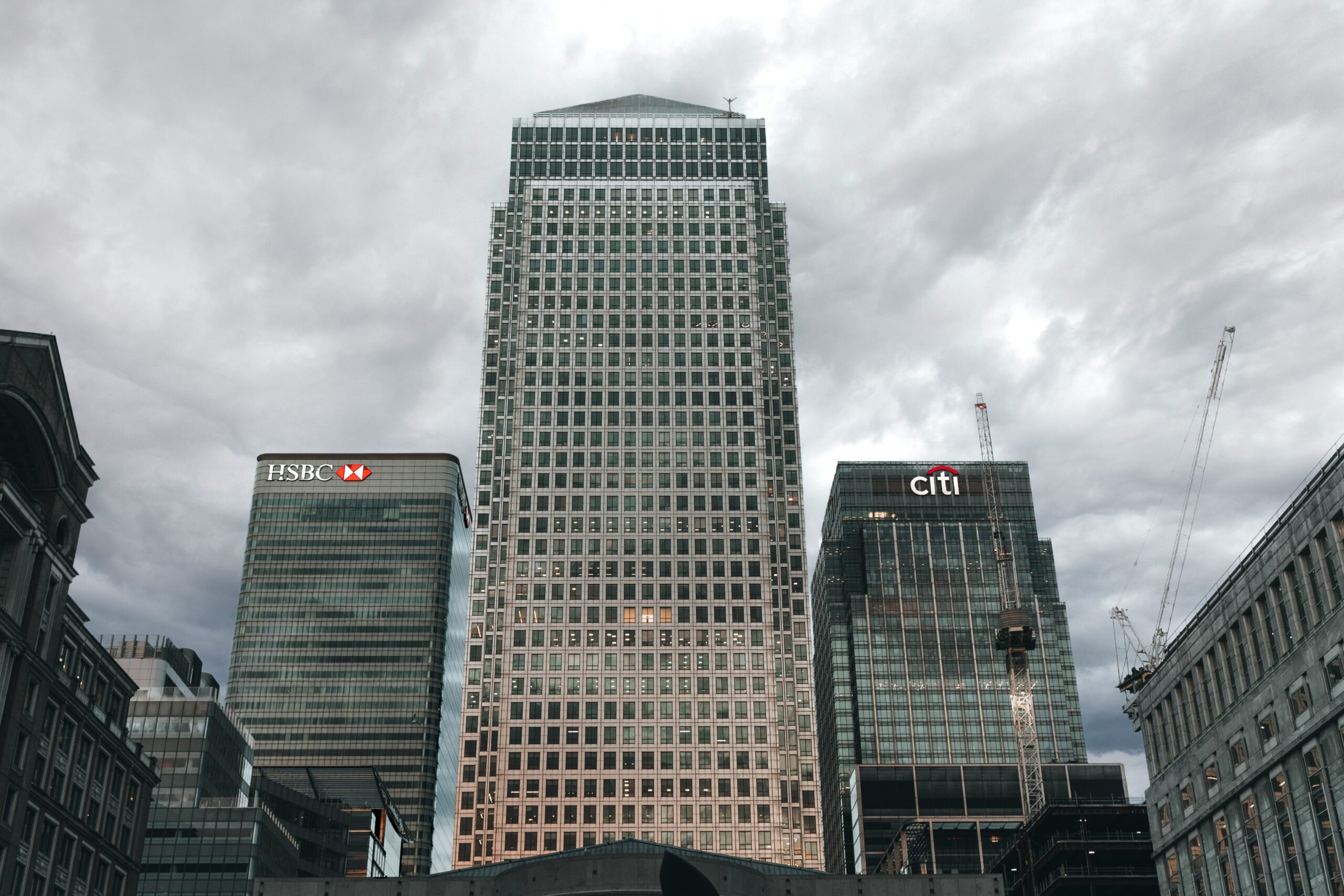
New York City’s affordability crisis has reached unprecedented levels in 2026. Discover the economic forces, housing shortages, and policy debates shaping the future of urban living.
📰 New York City’s Affordability Crisis: A System Under Strain
In 2026, New York City finds itself at a defining crossroads. Long known as one of the most expensive urban centers in the world, the city is now facing a level of economic pressure that has transformed affordability from a persistent concern into a full-scale crisis. What once affected primarily low-income households has expanded into a structural problem impacting nearly every segment of society—from working-class tenants to middle-income professionals, and even property owners.
The shift is not merely economic; it is social, political, and deeply personal. The cost of housing, healthcare, transportation, and everyday living has reached levels that challenge the fundamental promise of the city: that opportunity is accessible to those willing to work for it. Today, that promise is increasingly under question.
⚠️ A Critical Turning Point
The past year marked a symbolic and practical turning point. Essential workers who keep residential life functioning—doormen, maintenance staff, and building service employees—came close to initiating a major strike. This moment underscored a stark reality: even individuals with stable employment and union protections are struggling to keep pace with the rising cost of living.
Although last-minute negotiations prevented disruption, the underlying tensions remain unresolved. Wage increases, while helpful, have not matched the speed at which housing and daily expenses have escalated. This imbalance reveals a deeper systemic issue—income growth is no longer aligned with the cost structure of urban life.
💸 The Economics of an Unaffordable City
At the core of the crisis lies a widening gap between earnings and expenses. Over the past decade, rents have surged at a pace far exceeding wage growth. The average apartment, particularly in desirable neighborhoods, now commands prices that were once considered luxury-tier.
Several economic drivers contribute to this imbalance:
📈 1. Demand Outpacing Supply
New York continues to attract talent, investment, and global attention. However, housing construction has not kept up with population growth and demand, leading to intense competition for limited space.
🏗️ 2. High Development Costs
Building new housing in the city is extraordinarily expensive. Land acquisition, regulatory compliance, labor, and materials all contribute to elevated development costs, which are ultimately passed on to renters and buyers.
📊 3. Wage Stagnation
While certain sectors—such as finance and technology—have seen income growth, many essential workers have experienced relatively stagnant wages. This disparity amplifies inequality and limits upward mobility.
💼 4. Inflationary Pressures
Broader economic inflation has increased the cost of goods and services, compounding the financial burden on households already struggling with high rent.
🏢 The Landlord Perspective: A Parallel Struggle
While tenants face escalating rents, landlords are navigating their own set of challenges. The common perception of landlords as uniformly benefiting from rising prices overlooks the complexity of property ownership in a high-cost environment.
Key pressures include:
- Rising property taxes
- Increasing insurance premiums
- Maintenance and repair costs
- Regulatory constraints on rent increases
For many property owners, particularly those managing older buildings, profitability is narrowing. This creates a paradox: both tenants and landlords feel financially squeezed, even as rents remain high.
📉 Structural Housing Shortage
The affordability crisis cannot be understood without addressing the city’s long-standing housing shortage. For decades, supply has lagged behind demand due to a combination of policy, economic, and geographic constraints.
🧱 Zoning Restrictions
Large portions of the city are subject to zoning laws that limit density and restrict new construction. While these regulations aim to preserve neighborhood character, they also reduce the potential for expanding housing supply.
🕰️ Slow Approval Processes
Development projects often face lengthy approval timelines, increasing costs and discouraging investment in new housing.
🏙️ Limited Space
As a densely populated urban area, New York has limited available land for expansion, further constraining supply growth.
💰 Market Incentives
Developers frequently prioritize high-end projects that yield greater returns, leaving a shortage of affordable and middle-income housing.
🧑🤝🧑 Human Consequences: Beyond the Numbers
Behind the economic data lies a profound human impact. For many residents, affordability is not an abstract concept—it is a daily source of stress and uncertainty.
😟 Financial Anxiety
Households are increasingly allocating a disproportionate share of income to rent, leaving less for savings, healthcare, and education.
🚆 Longer Commutes
As central neighborhoods become unaffordable, workers are pushed to outer boroughs or neighboring regions, resulting in longer and more costly commutes.
🏠 Housing Instability
The risk of eviction or displacement has grown, particularly for vulnerable populations.
📉 Reduced Quality of Life
Limited disposable income affects everything from nutrition to leisure, diminishing overall well-being.
🏛️ Policy Responses and Political Debate
City leaders and policymakers are actively debating solutions, though consensus remains elusive. Proposed measures include:
🏗️ Expanding Housing Supply
Encouraging new construction through zoning reforms and incentives for developers.
🧾 Tax Reforms
Adjusting property taxes or introducing new levies aimed at redistributing housing costs more equitably.
🏘️ Rent Regulations
Strengthening rent stabilization policies to protect tenants from rapid increases.
💡 Subsidies and Assistance
Providing financial support to low- and middle-income households struggling with housing costs.
However, each approach carries trade-offs. Increasing regulation may discourage investment, while market-driven solutions may fail to address affordability for the most vulnerable.
🌍 A Global Urban Challenge
Although New York City represents an extreme case, its challenges are not unique. Major cities around the world are grappling with similar issues:
- Rising housing demand
- Limited supply
- Increasing income inequality
- Urban population growth
From London to San Francisco, the struggle to balance growth with affordability has become a defining challenge of modern urbanization.
📊 Why This Crisis Is Different
New York has experienced housing challenges before, but the current situation stands out for several reasons:
🔄 1. Universality
The crisis now affects a broad spectrum of residents, not just low-income households.
🧩 2. Structural Depth
It is rooted in long-term systemic issues rather than short-term economic cycles.
📉 3. Limited Short-Term Solutions
Quick fixes are unlikely to resolve a problem that has developed over decades.
🗳️ 4. Political Urgency
Affordability has become a central issue in public discourse and policymaking.
🔮 The Road Ahead
Looking forward, the trajectory of New York City’s affordability crisis will depend on several critical factors:
🏗️ Housing Policy Reforms
Significant changes to zoning and development regulations could unlock new supply.
📈 Economic Trends
Wage growth and broader economic conditions will influence affordability dynamics.
🤝 Public-Private Collaboration
Cooperation between government, developers, and communities will be essential.
⚖️ Balancing Equity and Growth
Ensuring that economic expansion benefits a wide range of residents will be key to long-term stability.
🧠 Final Thoughts
The affordability crisis in New York City is more than a housing issue—it is a reflection of broader economic and social dynamics shaping the future of cities worldwide. It raises fundamental questions about who can afford to live in urban centers and what kind of communities those cities will become.
As costs continue to rise, the risk is not only economic but cultural. A city that becomes inaccessible to a diverse population risks losing the very qualities that made it vibrant and dynamic.
Addressing this crisis will require bold thinking, sustained commitment, and a willingness to confront difficult trade-offs. The stakes are high, but so too is the opportunity—to redefine urban living in a way that is both sustainable and inclusive.




0 Comments