
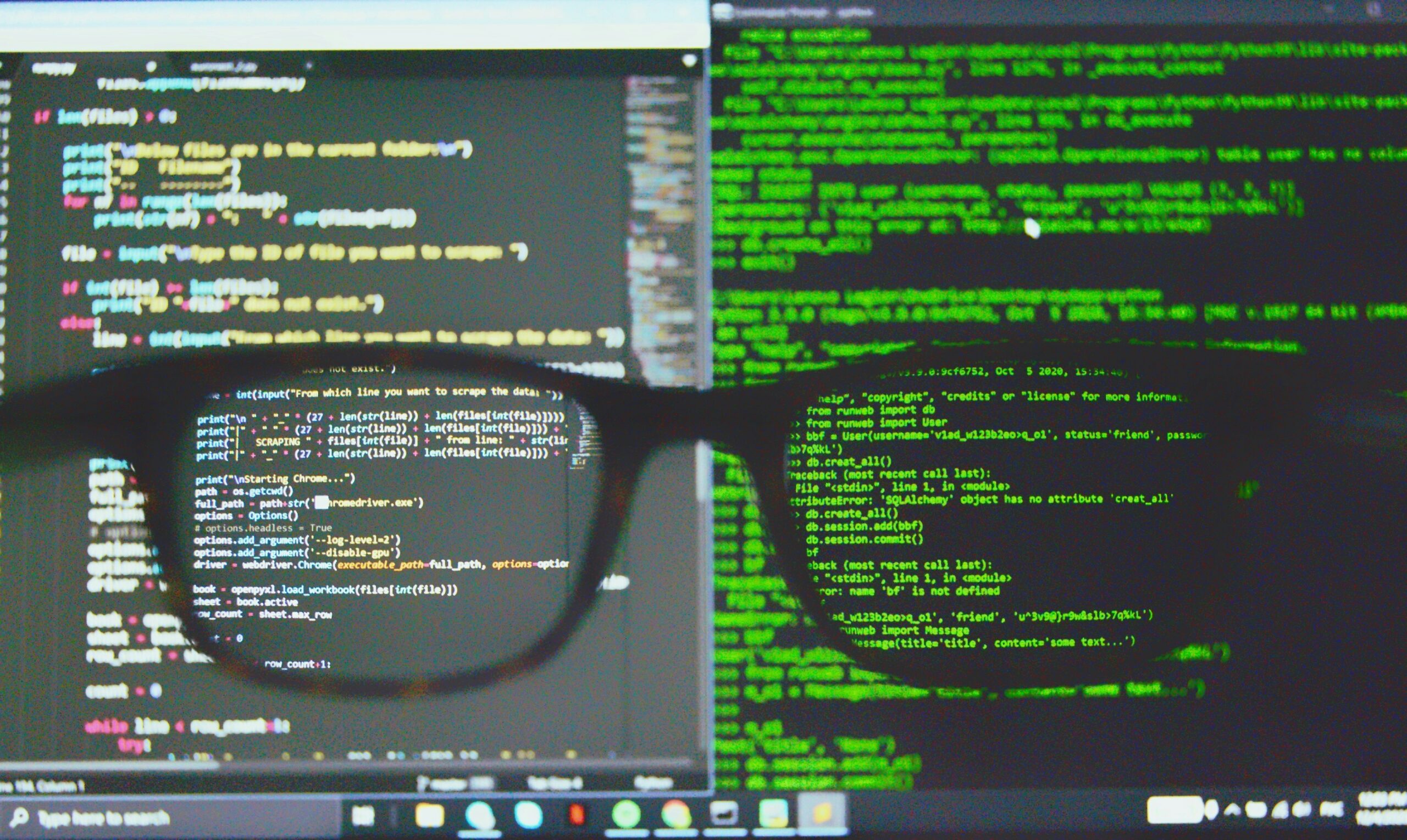
AI-assisted researchers uncovered critical PHP vulnerabilities that could expose millions of websites to cyberattacks. Discover the risks, emergency fixes and implications for WordPress security.
Focus keyphrase: PHP security vulnerability 2026
Secondary keywords: AI cybersecurity, PHP2Shell vulnerability, WordPress security, website hacking, critical software flaw, artificial intelligence security
🌐 AI-Discovered PHP Vulnerability Triggers Global Cybersecurity Emergency
Artificial intelligence has helped uncover a critical security weakness in PHP, a programming language used by a large share of the world's websites. The discovery has triggered an urgent response from software developers, cybersecurity companies and government agencies concerned that attackers could exploit vulnerable systems to steal information or compromise servers.
The vulnerability, known as PHP2Shell, involves critical flaws in PHP, which powers server-side functionality across much of the internet. According to reporting by The Wall Street Journal and other news organizations, PHP's widespread use means the potential exposure could extend to as much as 70% of websites.
The immediate concern is that a successful attack could allow a criminal to execute unauthorized code on an affected server. Depending on the system's configuration and the attacker's access, that could expose sensitive information, disrupt online services or provide a foothold for further attacks.
The discovery also highlights a growing change in cybersecurity: advanced AI systems can help researchers identify weaknesses in software that has been examined by developers and security professionals for years.
🔎 What Is the PHP2Shell Vulnerability?
PHP is an open-source programming language commonly used to build dynamic websites and web applications. It helps websites process requests, interact with databases, manage sessions and deliver personalized content.
Because PHP is embedded throughout the web ecosystem, a vulnerability in the language itself can have broader consequences than a defect affecting a single website or application.
PHP2Shell refers to critical vulnerabilities disclosed in October 2026 that could enable remote code execution on affected systems. In practical terms, remote code execution means an attacker may be able to make a vulnerable server run unauthorized commands without having legitimate access.
The consequences depend on several factors, including the PHP version, whether the vulnerable code path is exposed, the server's configuration and the privileges available to the compromised process.
Potential consequences include:
-
Data exposure: Attackers may gain access to sensitive files, credentials or information stored on a compromised server.
-
Website disruption: Criminals could interfere with website operations or make online services unavailable.
-
Further network compromise: A compromised server could become an entry point for attacks against connected systems.
-
Customer and business risks: Exposed websites could create privacy, operational, financial and reputational problems for their owners.
A critical vulnerability does not mean every website using PHP has been hacked. It means affected systems need to be identified, assessed and secured urgently.
🤖 How Artificial Intelligence Helped Find the Flaw
The discovery illustrates how AI is changing the economics of software security research.
Security researchers traditionally combine source-code analysis, specialist knowledge, testing environments and extensive manual investigation to uncover difficult software defects. Advanced AI models can help accelerate parts of that process by examining code, identifying suspicious behavior, developing hypotheses and assisting researchers with testing.
In this case, researchers at cybersecurity firm Calif used AI tools to identify a weakness in PHP. OpenAI and Google's cybersecurity company Wiz also contributed to the investigation and coordinated work to understand the vulnerabilities and support remediation.
The vulnerabilities were identified during research in August, before the public disclosure and emergency response in October. That interval allowed researchers and software maintainers to investigate the problem and prepare fixes before broader publication.
The significance is not simply that AI found a bug. It is that AI-assisted research helped uncover a serious weakness in a widely deployed technology whose code had been available for scrutiny for many years.
This suggests that AI could make security reviews faster, help smaller teams investigate complex systems and reveal weaknesses that conventional testing may miss.
However, AI does not eliminate the need for human expertise. Researchers must verify findings, assess real-world exploitability, distinguish genuine vulnerabilities from false positives and coordinate safe disclosure.
⚠️ Why the Discovery Matters for WordPress Websites
WordPress is particularly relevant because it relies heavily on PHP. The platform supports businesses, publishers, online stores, nonprofit organizations and personal websites worldwide.
For website owners, the important distinction is between a WordPress application vulnerability and a vulnerability in the underlying PHP runtime.
Updating a WordPress theme or plugin alone may not resolve a flaw in the PHP software installed on the server. Depending on the hosting environment, remediation may require a PHP version update, a hosting-provider intervention or additional infrastructure-level protections.
Website owners should therefore establish which PHP version their websites use and whether the hosting environment has received the appropriate security updates.
The risk is especially important for sites that process customer information, operate membership accounts, accept payments or store confidential business data. A compromised website can affect not only its owner but also its visitors and customers.
For publishers and small businesses, a serious security incident can interrupt revenue, damage search visibility, undermine customer confidence and create costly recovery work.
🛡️ What Website Owners Should Do Now
The PHP maintainers have released security fixes, and authorities and security providers have urged organizations to act promptly. Website administrators should treat the disclosure as an urgent maintenance issue rather than waiting for their next routine update.
1. Check the PHP version
Identify the PHP version used by every production website, including staging environments and older applications that may have been overlooked.
Ask the hosting provider or system administrator to confirm whether the installed version is affected and whether the relevant security patch has been applied.
2. Install the appropriate security update
Use an official, supported PHP release containing the relevant fixes. The correct upgrade depends on the PHP branch and the software environment.
If a hosting provider manages PHP for you, request written confirmation that the affected environment has been patched. Do not assume that updating WordPress automatically updates the server's PHP runtime.
3. Update WordPress, plugins and themes
Install supported security updates for WordPress core, themes and plugins. Remove unused extensions and replace unsupported components where necessary.
These actions address additional security weaknesses, although they are not substitutes for patching the underlying PHP installation.
4. Review logs and investigate suspicious activity
Administrators should examine server, application and security logs for unusual requests, unexpected processes, unauthorized file changes and suspicious account activity.
A patched server is not necessarily a clean server if an attacker gained access before the update. Organizations that discover indicators of compromise should follow an incident-response process, preserve relevant evidence and investigate whether credentials or data were exposed.
5. Strengthen access controls and backups
Use multifactor authentication for administrative accounts where available, restrict access to server-management tools, apply least-privilege permissions and maintain isolated, tested backups.
These safeguards cannot eliminate the vulnerability, but they can reduce the consequences of an intrusion and improve recovery.
6. Consider temporary isolation if patching is impossible
If a critical, exposed system cannot be secured promptly, administrators should follow official security guidance and consider temporarily taking it offline or isolating it until an effective mitigation is available.
The decision should account for operational needs, public safety and the consequences of an outage. Organizations should coordinate with their hosting providers and security teams rather than assume that a generic firewall rule will fully address the problem.
🏢 Why Businesses and Governments Face Greater Exposure
The PHP vulnerability is not just a technical concern for web developers. It is an operational risk for organizations that depend on digital services.
Businesses may use PHP-based applications for customer portals, internal tools, online sales, booking systems and content management. Government agencies and public institutions also operate websites and applications that must remain available while protecting sensitive information.
If a vulnerable server is compromised, the damage may extend beyond the original website. Depending on network design and access privileges, attackers could attempt to reach connected databases, internal services or other systems.
Organizations with large digital estates face an additional challenge: identifying every affected server. Older applications, forgotten test environments and outsourced hosting arrangements can complicate inventory management and patch deployment.
This is why effective vulnerability management requires more than publishing a software update. Organizations need accurate asset inventories, clear responsibility for maintenance, tested upgrade procedures and a way to verify that remediation is complete.
For executives and boards, the incident reinforces the importance of treating cybersecurity as a business-continuity issue, not merely an information-technology expense.
🌍 AI Is Changing the Balance Between Cyberattackers and Defenders
The PHP discovery demonstrates the dual-use nature of artificial intelligence.
On the defensive side, AI can help researchers analyze large codebases, discover flaws more quickly and assist developers in preparing fixes. These capabilities could improve security across widely used open-source projects, including those maintained by relatively small teams.
On the offensive side, the same advances could help malicious actors understand vulnerabilities, adapt attack techniques and develop exploits more efficiently. The time between disclosure and attempted exploitation can become a critical period for exposed organizations.
That creates a difficult race. Security researchers must identify and report vulnerabilities responsibly, maintainers must prepare reliable patches, and website operators must deploy those fixes before attackers can exploit unprotected systems.
AI does not make every cyberattack automatic or inevitable. Exploitation still depends on the vulnerability, the target's configuration, available tools and the defenses in place. Nevertheless, faster research and attack development can leave organizations with less time to respond.
The broader lesson is that AI-assisted cybersecurity must include both stronger detection capabilities and faster, more disciplined remediation.
💼 What This Means for the Future of Website Security
The incident may influence how software developers, hosting companies and businesses approach security testing.
First, organizations may increasingly use AI-assisted code review to identify vulnerabilities before software reaches production. Automated analysis can supplement conventional testing and help researchers focus on complex problems.
Second, software maintainers may face growing pressure to establish faster patching and disclosure processes. When widely used infrastructure is affected, even a technically correct fix has limited value if website operators fail to install it.
Third, businesses may place greater emphasis on knowing which software components their digital services depend on. A website's security is determined not only by its visible design or its latest plugin update but also by the underlying runtime, hosting environment and connected infrastructure.
Finally, the incident raises questions about the long-term security of open-source software. Open-source code can be inspected and improved by a global community, but maintaining critical infrastructure requires sustained expertise, funding and coordination.
AI may make that work more efficient, but it cannot replace responsible maintenance or the organizations needed to act on discoveries.
❓ Frequently Asked Questions
Does the PHP2Shell vulnerability mean 70% of websites have been hacked?
No. The 70% figure describes the potential reach of PHP based on its use across websites, not the proportion of websites confirmed to be compromised. Actual exposure depends on software versions, configuration and whether the relevant vulnerable components are accessible.
Are WordPress websites at risk?
WordPress relies heavily on PHP, so site owners should verify their server's PHP version and ensure that the appropriate security fixes have been applied. Updating WordPress core, themes and plugins is also important, but does not necessarily patch the PHP runtime itself.
Can a hacker take control of a vulnerable website?
Remote code execution vulnerabilities can allow unauthorized commands to run on affected systems. The level of control an attacker gains depends on the vulnerability, system configuration and privileges available to the compromised process.
What should website owners do first?
Confirm the PHP version running on the server and work with the hosting provider or system administrator to apply the appropriate security update. If the system may already have been compromised, investigate suspicious activity rather than relying on patching alone.
How did AI help researchers find the vulnerability?
AI tools assisted researchers in examining software and identifying weaknesses that required further technical investigation. Human researchers and software maintainers still needed to verify the findings, coordinate disclosure and develop and distribute fixes.
Can AI prevent future cyberattacks?
AI can improve vulnerability discovery, monitoring and defensive analysis, but it cannot prevent every attack. Effective security also depends on timely patching, secure configurations, access controls, incident response and continuous monitoring.
Conclusion: A Critical Reminder That Cybersecurity Depends on Rapid Action
The PHP2Shell disclosure is a significant example of AI-assisted research uncovering a potentially far-reaching weakness in the internet's underlying software.
The immediate priority is practical: identify affected systems, install the appropriate fixes, investigate possible compromise and ensure that security updates reach every relevant environment.
The longer-term challenge is more complex. As AI improves the ability to discover software weaknesses, both defenders and attackers may be able to work faster. Organizations that combine AI-enabled security tools with disciplined maintenance and incident response will be better positioned to manage that changing risk.
For WordPress publishers, online businesses and public institutions, the message is clear: website security requires attention to the entire technology stack, not just the application visitors see.
Sources and further reading
-
The Wall Street Journal: AI Just Found a Bug That Puts up to 70% of the World’s Websites at Risk
-
The Washington Post: Websites scramble to fix software flaw that could put much of internet at risk
-
Associated Press: Some websites go dark as operators address an AI-detected flaw in a web programming language
Editorial note: This article is for general news and information. Website administrators should consult official PHP security announcements and their hosting providers for version-specific remediation guidance.



0 Comments