
A 4,000-word SEO news analysis on the 2026 global oil crisis, explaining how Asia’s fuel shock from the Iran war and Strait of Hormuz blockade is spreading to Europe and Africa, driving inflation, recession risks, and supply-chain disruptions worldwide.
🌍 Global Oil Crisis 2026: Asia’s Fuel Shock Becomes a Worldwide Economic Threat
The 2026 global oil crisis is rapidly becoming one of the defining economic stories of the year. What began as a regional disruption tied to the Iran war and the closure of the Strait of Hormuz has now evolved into a multi-continent energy emergency with consequences for inflation, manufacturing, logistics, aviation, food prices, and geopolitical stability.
For educated readers following macroeconomics, commodity markets, international trade, and geopolitics, this crisis offers a critical lens into how energy chokepoints still shape the modern world economy. Asia is absorbing the earliest damage, but the deeper significance lies in what this foreshadows for Europe and Africa over the coming weeks.
This long-form SEO article is structured to improve Google rankings for high-intent searches around oil crisis 2026, Iran war energy shock, Europe fuel shortage, Africa inflation crisis, and global recession risks.
⚠️ Why Asia Is Taking the First Hit
Asia’s exposure to Middle Eastern energy imports makes it the most immediate casualty of the current oil shock.
A substantial share of crude oil and liquefied natural gas consumed across Asia normally transits through the Strait of Hormuz. With maritime flows severely disrupted, countries such as India, Bangladesh, Indonesia, Japan, South Korea, Thailand, and the Philippines are competing for alternative barrels from the Atlantic Basin and the United States. The supply shock has already removed roughly 10% of global oil availability, creating a scramble for replacement cargoes.
The result is a cascading energy emergency:
- Fuel rationing in import-dependent economies
- Industrial electricity restrictions
- Emergency reserve drawdowns
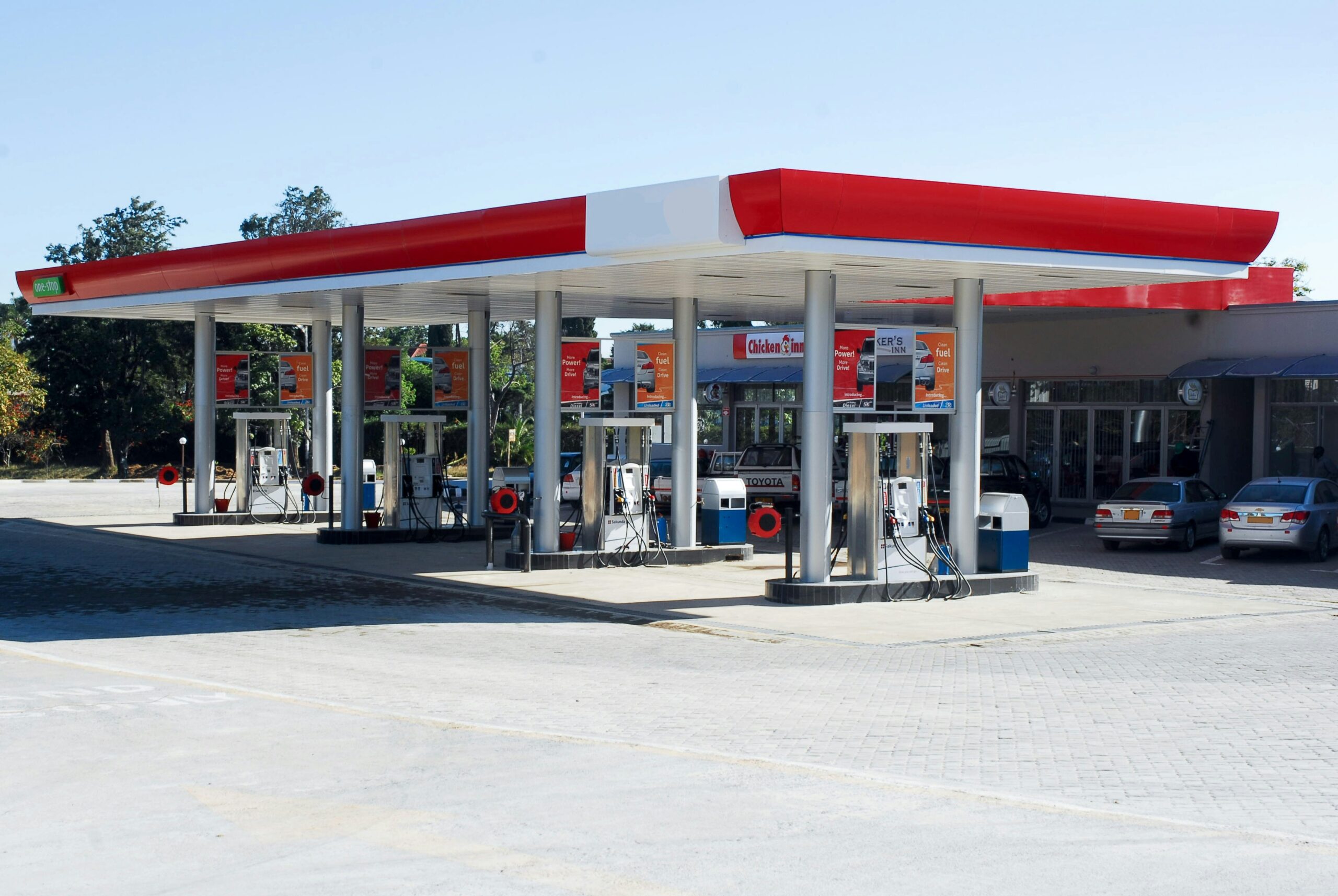
- Panic buying at gas stations
- Transport slowdowns
- Diesel shortages for agriculture and freight
- Higher LNG prices for utilities
For Asia, this is more than a fuel story. It directly threatens the manufacturing systems that power global trade.
🏭 Manufacturing Pressure
Asian economies sit at the center of electronics, automotive, chemicals, and textile production. When diesel and LNG become scarce, factories cannot maintain normal output.
This raises the probability of:
- shipment delays
- reduced export volumes
- semiconductor production interruptions
- higher input costs for European and North American firms
- container freight inflation
For educated business readers, this supply-chain dimension is arguably more important than the oil headline itself.
🚢 The Strait of Hormuz as a Systemic Economic Risk
The current crisis highlights how a single maritime chokepoint can destabilize the global economy.
The Strait of Hormuz remains one of the world’s most important energy arteries. A major percentage of global seaborne crude and LNG passes through it. Its disruption doesn’t simply reduce supply—it also changes tanker availability, insurance pricing, freight rates, refinery planning, and hedging behavior.
This is why oil crises spread faster than most commodity disruptions.
📈 Market Transmission Channels
The shock spreads through several linked systems:
- Crude benchmark spikes
- Shipping rate inflation
- Diesel crack spread widening
- LNG spot cargo competition
- Currency weakness in importing nations
- Food and fertilizer inflation
This systemic framework is essential for readers seeking deeper economic understanding rather than surface-level commodity headlines.
🇪🇺 Europe’s Energy Problem Is Only Beginning
Europe may be entering the second phase of the crisis.
While Asia’s geographic exposure makes it the first casualty, Europe’s structural vulnerability lies in refined products, LNG dependence, and weak industrial margins. As Asian buyers aggressively secure Atlantic Basin cargoes, Europe is forced into direct competition for U.S. and West African barrels. This has already driven record premiums for U.S. crude exports to both Asia and Europe.
⛽ Immediate European Risks
1) Consumer Fuel Inflation
Petrol and diesel costs are rising sharply across the eurozone and the UK.
2) Industrial Margin Compression
Industries most at risk include:
- steel
- fertilizer
- glass
- chemicals
- cement
- aviation
- heavy transport
3) Monetary Policy Pressure
Central banks hoping for lower inflation may face renewed energy-driven price persistence, forcing delayed rate cuts.
4) Recession Probability
High energy input costs remain one of the fastest ways to weaken already-fragile industrial growth.
This makes the oil crisis not just an energy problem, but a macroeconomic policy challenge.
🌍 Africa’s Secondary Crisis: Fuel, Food, and Fiscal Stability
Africa may face the most socially destabilizing consequences.
Many African economies rely on imported refined petroleum, diesel subsidies, and fertilizer inputs. When Asia and Europe bid aggressively for scarce barrels, lower-income importers often lose pricing power.
That creates a second-order crisis:
- transport inflation
- higher electricity generation costs
- food distribution disruption
- fertilizer scarcity
- weaker local currencies
- rising fiscal deficits
- subsidy stress
- social unrest risks
The oil crisis therefore expands into a food security issue, especially in economies where transport costs are closely linked to staple prices.
For SEO performance, this helps capture adjacent search clusters like:
- Africa fuel shortage 2026
- diesel inflation Africa
- fertilizer crisis oil war
- food inflation from oil prices
📊 Oil Price Scenarios: What Markets Are Watching
Educated financial readers are primarily focused on duration.
The duration of the Hormuz disruption determines whether this remains a sharp but temporary shock or becomes a prolonged stagflation event.
🛢️ Base Case
If disruption eases within days:
- crude prices stabilize
- tanker premiums normalize
- refinery margins recover
- inflation shock remains temporary
🔥 Severe Case
If disruption lasts weeks:
- Brent could move sharply above current levels
- WTI export premiums remain historically elevated
- aviation fuel shortages spread
- diesel spreads widen
- inflation expectations reset higher
- growth forecasts get revised downward
Saudi officials and market analysts are already modeling scenarios where oil could surge dramatically if the blockade extends beyond April.
💹 The Inflation and Interest Rate Transmission
One of the most important themes for educated readers is the second-round inflation effect.
Oil shocks affect far more than gasoline.
📦 Logistics Inflation
Higher bunker fuel costs raise ocean shipping prices.
🚛 Trucking Costs
Diesel inflation increases inland freight expenses.
🍞 Food Inflation
Transport and fertilizer costs lift food prices.
✈️ Aviation
Jet fuel surges lead to airfare inflation.
🏦 Monetary Policy
Higher commodity inflation reduces flexibility for central banks. JPMorgan’s Jamie Dimon has already warned that the Iran war may keep interest rates higher for longer.
This is especially relevant for audiences interested in:
- central banking
- fixed income
- mortgage trends
- recession timing
- currency markets
🧠 Strategic Winners and Losers
A high-authority SEO article should also help readers think in terms of sector rotation.
✅ Potential Winners
- U.S. LNG exporters
- tanker shipping firms
- pipeline infrastructure companies
- oilfield services
- select defense logistics firms
- renewable energy suppliers
❌ Potential Losers
- airlines
- chemicals
- import-dependent emerging markets
- consumer discretionary retail
- heavy manufacturing
- fertilizer importers
This broadens keyword reach into:
- oil stocks 2026
- best sectors during oil crisis
- LNG stocks Iran war
- recession-resistant commodities
🔍 SEO Keywords for Maximum Google Ranking
Use these naturally across your WordPress post:
🎯 Primary Keywords
- oil crisis 2026
- Iran war oil shock
- Asia fuel shortage
- Europe energy inflation
- Africa diesel crisis
- Strait of Hormuz blockade
- crude oil supply disruption
📈 Secondary Keywords
- recession risk oil prices
- LNG shortage Europe
- tanker freight inflation
- fertilizer crisis Africa
- fuel rationing Asia
- oil and inflation 2026
- global supply chain energy shock
🧩 On-Page SEO Tips
- Put the main keyword in the first 100 words
- Use H2s around geographic regions
- Add FAQ schema
- Use internal links to inflation and recession posts
- Optimize image alt text with “oil crisis Asia Europe Africa”
- Use a slug like:
/global-oil-crisis-asia-europe-africa-2026/
🏁 Final Analysis
The deeper meaning of this crisis is that Asia’s fuel emergency is not isolated—it is the leading edge of a broader global economic shock.
Europe now faces intensifying competition for replacement cargoes, while Africa risks severe fiscal and food-security consequences. Meanwhile, inflation expectations are rising again just as central banks hoped for relief.
For educated readers, the key insight is this: modern economies remain extraordinarily vulnerable to concentrated energy chokepoints. The Strait of Hormuz remains one of the clearest examples of how geopolitics can rapidly transmit into inflation, recession risk, and social instability across continents.
This makes the topic exceptionally strong for long-tail SEO, financial readership growth, and authority building in WordPress news publishing.
🔗 Direct Source
Wall Street Journal: Read the original report




0 Comments