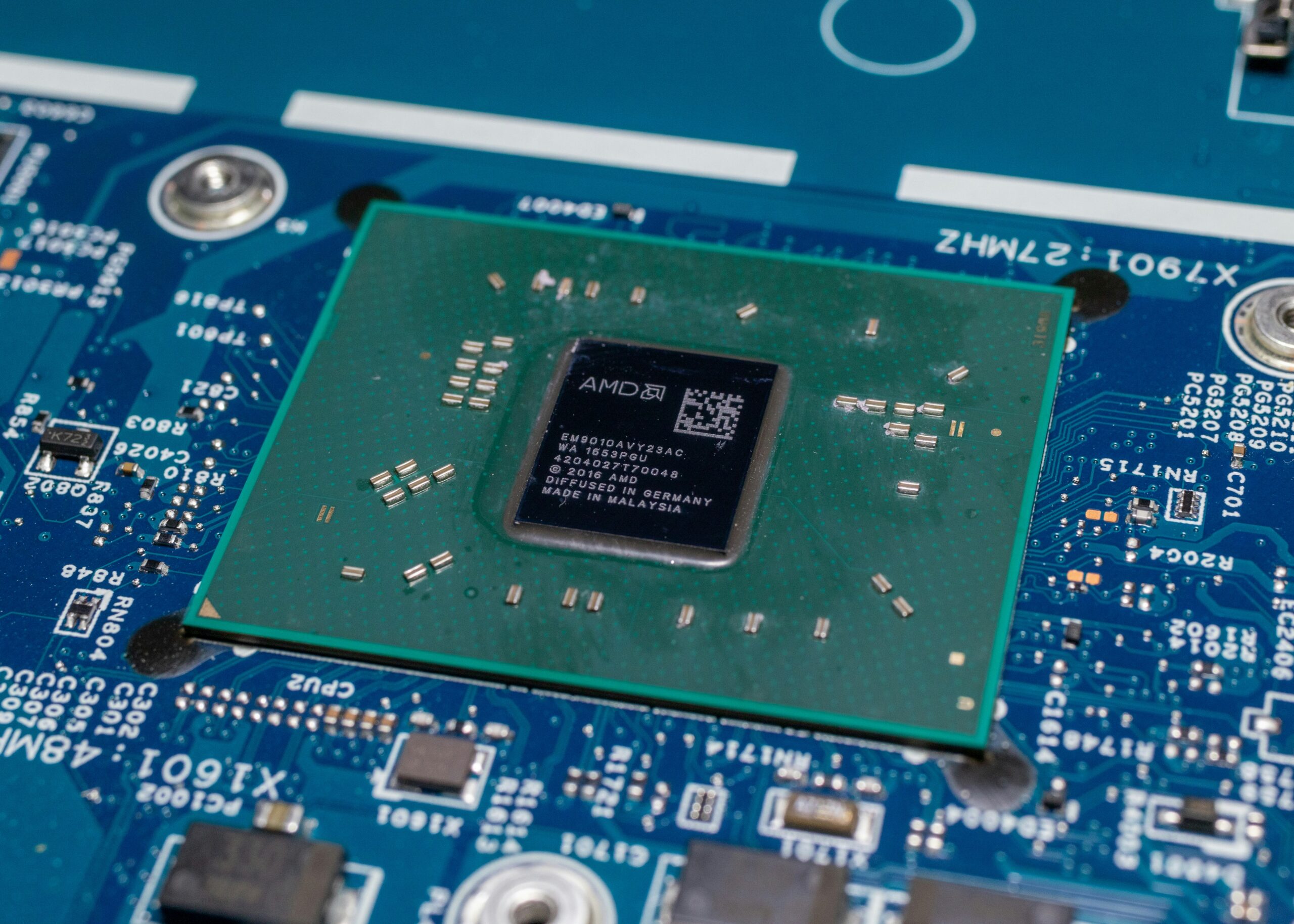
Discover how AI data centers are reshaping the automotive industry. Explore the growing microprocessor demand, DRAM shortages, and the impact on software-defined vehicles in this comprehensive analysis.
🌐 Introduction: The Convergence of AI and Automotive Technology
The automotive industry is entering a pivotal era. With the rise of AI-driven technologies and software-defined vehicles, car manufacturers are relying more than ever on advanced microprocessors to power infotainment systems, autonomous driving capabilities, and real-time data analytics.
At the same time, AI data centers are expanding globally, consuming unprecedented amounts of memory and compute hardware. This surge in demand has significant repercussions for the supply chain of the automotive sector, raising concerns about chip shortages, production delays, and rising costs.
Understanding the interplay between AI infrastructure and automotive innovation is crucial for investors, manufacturers, and technology enthusiasts alike.
🔍 The AI Data Center Boom
Artificial Intelligence is no longer a futuristic concept — it’s a present reality driving massive infrastructure investments. Modern AI data centers require cutting-edge hardware:
-
High-performance CPUs for complex computations
-
AI accelerators for machine learning and deep learning workloads
-
DRAM memory modules to handle enormous datasets in real-time
These facilities are designed to support applications such as natural language processing, computer vision, and predictive analytics. While this fuels technological progress in sectors like healthcare, finance, and energy, it has unintended consequences for the automotive sector, which depends on a steady supply of semiconductors for vehicle electronics.
⚡ Microprocessor Demand and Supply Challenges
The global semiconductor market is under tremendous pressure. Advanced microprocessors are essential for AI, cloud computing, and modern vehicles. Automakers are now competing with tech giants for the same high-demand DRAM and processing units.
Key challenges include:
-
DRAM Allocation: Most DRAM production is now directed toward AI data centers, leaving less capacity for automotive applications.
-
Rising Costs: Limited supply of memory chips has caused prices to increase, impacting production budgets.
-
Lead Time Delays: Automakers may experience months-long delays in receiving crucial components, which can disrupt vehicle production schedules.
🚘 Implications for the Automotive Industry
Modern vehicles are no longer just mechanical machines. They are software-defined ecosystems that rely heavily on microprocessors for various functions:
-
Advanced Infotainment Systems: High-resolution displays, voice control, and streaming services.
-
Driver Assistance Systems (ADAS): AI-powered safety features like lane-keeping, collision avoidance, and adaptive cruise control.
-
Autonomous Driving Capabilities: Real-time sensor fusion, mapping, and decision-making algorithms.
-
Connected Vehicles: Integration with cloud platforms and IoT devices.
As the demand for AI microprocessors grows, automakers face strategic dilemmas:
-
Procurement Strategies: How to secure critical chips without inflating costs.
-
Supply Chain Diversification: Sourcing components from multiple suppliers or investing in in-house chip development.
-
Design Optimization: Creating vehicles that use less memory-intensive architectures while maintaining performance.
💡 Opportunities for Automakers
Despite the challenges, the convergence of AI and automotive technology presents unique opportunities:
-
Software-Defined Vehicles: Leveraging advanced chips for modular and upgradeable vehicle platforms.
-
Predictive Maintenance: Using onboard AI to monitor vehicle health, reduce downtime, and improve customer satisfaction.
-
Enhanced User Experiences: Infotainment systems powered by AI can offer personalized recommendations and seamless connectivity.
-
Autonomous Vehicle Development: Faster, safer autonomous driving solutions through high-performance processors.
By investing strategically in microprocessor procurement and vehicle architecture design, automakers can turn potential chip shortages into competitive advantages.
🏭 The Semiconductor Market Outlook
The semiconductor market is at a crossroads. DRAM manufacturers such as Samsung, SK Hynix, and Micron are prioritizing AI and high-performance computing products over traditional automotive-grade chips. This market dynamic has several implications:
-
Production Focus Shift: Automotive demand may be deprioritized in favor of higher-margin AI and data center chips.
-
Price Fluctuations: Automakers may need to allocate larger budgets for memory modules and processors.
-
Innovation Pressure: Companies may be encouraged to innovate in chip design, efficiency, and supply chain resilience.
Industry analysts predict that automakers investing in semiconductor partnerships or developing proprietary chips will have a significant competitive edge in the next five years.
🌱 Environmental Considerations
AI data centers are highly energy-intensive. Expanding these centers globally increases the carbon footprint and creates pressure on power grids. For the automotive sector, this has indirect effects:
-
Sustainable Vehicle Production: Manufacturers are under pressure to source eco-friendly components, including energy-efficient chips.
-
Lifecycle Emissions: AI-powered vehicles must balance computational power with energy consumption to meet sustainability standards.
-
Regulatory Compliance: Governments may introduce policies regulating high-consumption AI infrastructure, which could impact chip availability and cost.
📈 Strategic Recommendations for Automotive Leaders
To thrive in this evolving ecosystem, automotive companies should consider the following strategies:
-
Secure Chip Supply: Form partnerships with semiconductor manufacturers or invest in joint ventures.
-
Optimize Software Architecture: Reduce memory footprint and increase efficiency in vehicle computing systems.
-
Invest in AI Capabilities: Incorporate AI not only for vehicles but also for supply chain analytics, predictive demand forecasting, and inventory management.
-
Focus on Modularity: Design vehicle systems that allow hardware upgrades as newer chips become available.
-
Monitor Market Trends: Stay informed on AI data center expansion and semiconductor allocation to anticipate shortages.
🤖 Future Outlook: AI-Driven Automotive Evolution
By 2030, the automotive industry will look fundamentally different:
-
AI-first vehicles will dominate urban mobility.
-
Memory-intensive features like real-time AI co-pilots will become standard.
-
Chip shortages may subside as manufacturers balance AI and automotive demands.
-
Consumer expectations will evolve to demand connected, intelligent, and autonomous experiences.
Companies that can navigate the semiconductor supply chain while integrating advanced AI features will set the standard for future mobility.
📌 Key Takeaways
-
AI data centers are driving unprecedented demand for memory and microprocessors.
-
Automotive manufacturers face potential shortages, higher costs, and lead-time delays.
-
Software-defined vehicles rely on cutting-edge chips for autonomous driving, infotainment, and connectivity.
-
Strategic procurement, modular design, and investment in AI capabilities can mitigate risks and unlock new opportunities.
-
Sustainable practices and market awareness will determine which automakers lead the next decade of innovation.




0 Comments