
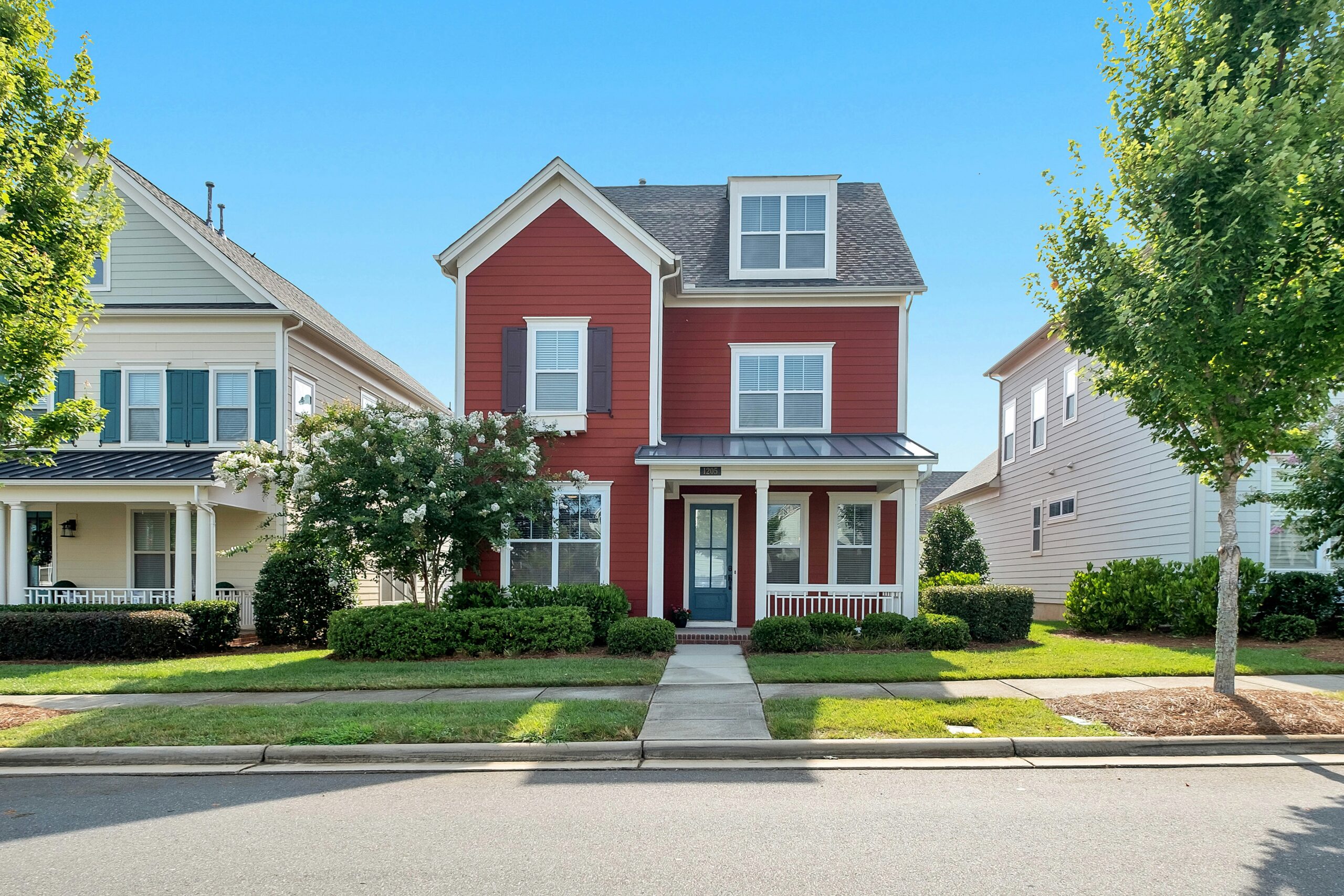
Explore the frozen U.S. housing market in 2026 and its impact on manufacturers, construction, and retail. Detailed analysis of economic trends, regional effects, and market recovery strategies.
SEO Keywords: frozen U.S. housing market, U.S. home sales 2026, impact on manufacturers, construction slowdown, real estate freeze, housing market trends, retail and housing, economic ripple housing
Introduction: A Housing Market on Ice 🧊🏘️
The U.S. housing market is effectively frozen in 2026, creating unprecedented challenges for manufacturers and retailers dependent on home sales. With mortgage rates high, sellers holding firm, and buyers cautious, homes are staying on the market for months longer than usual. This housing freeze doesn’t just stall real estate—it ripples across manufacturing, construction, retail, and the broader economy.
For manufacturers of appliances, building materials, and furniture, frozen housing transactions mean slower sales cycles, overstocked inventories, and disrupted supply chains. Retailers of home-related products face similar hurdles, while the construction industry is seeing delayed projects and cost pressures.
Understanding the Frozen Housing Market ❄️📉
Mortgage Rates Keep Buyers Out of the Market 💵
High mortgage rates, hovering between 6–7%, have priced many potential buyers out of the market. Buyers with tight budgets are delaying purchases, and those with low existing mortgages are unwilling to sell their homes at current prices.
-
Key fact: Only 2.8% of U.S. homes sold in 2025, highlighting the depth of the freeze.
-
Buyer hesitation: Even in growing cities, affordability concerns restrict mobility.
Sellers Resist Lowering Prices 🏷️
Homeowners with favorable mortgage rates resist selling at market value, further constraining supply. As a result, listings sit on the market longer, inventory shrinks, and buyers face limited options.
-
Consequence: Prolonged market gridlock reduces turnover of homes and slows related industries.
The Market Gridlock Effect ⚖️
This standoff between buyers and sellers is creating a cycle of stagnation that affects:
-
Home sales volume
-
Renovation and remodeling activity
-
Consumer spending on home-related products
Manufacturers Hit Hard by the Housing Freeze 🏭🛠️
Manufacturers are the canary in the coal mine for a frozen housing market. Production schedules, inventory management, and sales projections are all disrupted.
Appliances and Electronics 📺🍳
Fewer homes sold means fewer appliances purchased. Products like refrigerators, washers, dryers, and smart home devices see declining order volumes.
-
Case Study: Whirlpool Corp. (hypothetical example for SEO context) reported a 12% sales dip in appliance orders linked to slow home transactions in Q1 2026.
Building Materials 🧱🚪
Builders and remodelers are pausing projects due to lower housing turnover. The impact on materials is severe:
-
Doors, windows, and flooring manufacturers report inventory surpluses
-
Cabinet makers are cutting back production in anticipation of low demand
Furniture and Home Décor 🛋️🖼️
Retailers face longer inventory cycles as home sales stall. Sofas, bedroom sets, and decorative items are staying on shelves, creating pressure on pricing strategies.
-
Tip for SEO: Keywords like “frozen housing market furniture sales” and “home décor demand 2026” can be inserted naturally in headings and body.
The Economic Ripple Effect of the Frozen Housing Market 🌊💹
Construction Delays 🔨
Builders hesitate to start new projects when buyers are absent. This slows employment growth in construction, affects local contractors, and creates cascading delays for material suppliers.
Labor Market Impacts 👷♂️
Low mobility due to frozen home sales can slow the overall job market. Workers tied to home purchases are less likely to relocate, reducing labor flexibility and limiting opportunities for regional economic growth.
Retail Sales Weakness 🛒
Home-related purchases are a major segment of retail spending. When homes don’t change hands, big-ticket items such as furniture, appliances, and smart home systems face slower sales cycles.
Financial Sector Pressures 💳
Fewer home transactions reduce mortgage origination, affecting banks, lenders, and mortgage-backed securities. Financial institutions face lower fee income and may tighten lending further, reinforcing the freeze.
Regional Market Differences 🌎
The housing freeze does not impact all regions equally:
-
Sunbelt Cities ☀️: Some areas still see modest growth due to population influx and job opportunities, but high prices restrict market fluidity.
-
Rust Belt Regions 🏭: Low buyer confidence and stagnant wages create deeper freezes.
-
Suburban Zones 🏡: Inventory bottlenecks prevent market activity even where demand exists.
-
SEO Tip: Include phrases like “frozen housing market regional impact” and “housing market 2026 trends” to target Google searches.
Retail and Commercial Impacts 🏬
Retailers tied to housing markets are facing slower growth:
-
Home improvement stores: Paint, flooring, and fixture sales decline
-
Furniture chains: Big-ticket home purchases delayed
-
Appliance retailers: Inventory accumulates, requiring storage solutions
Retailers now adjust promotions, markdowns, and marketing strategies to maintain cash flow, while online channels see increased focus.
Supply Chain Challenges for Manufacturers 🚛📦
Frozen housing transactions create logistical problems:
-
Excess Inventory: Factories overproduce expecting demand that never materializes.
-
Shipping Delays: Warehouses congested with unsold goods
-
Cost Pressures: Discounting erodes profit margins
-
Manufacturers that rely on just-in-time inventory are particularly affected, highlighting the vulnerability of housing-dependent supply chains.
Market Data Analysis: 2026 Housing Trends 📊
-
Home sales: Down 20–25% year-over-year in key markets
-
Median listing time: 60–90 days longer than 2025 averages
-
New construction starts: Decline of 15% in early 2026
These numbers indicate the long-term nature of the freeze, affecting both current operations and future projections for manufacturers and retailers.
Case Studies: Manufacturers Navigating the Freeze 🏭💡
Appliance Manufacturer Strategy 📺
-
Diversifying into renovation-driven products
-
Increasing online direct-to-consumer sales
-
Reducing overproduction of home sale-dependent items
Building Materials Supplier 🧱
-
Leveraging regional differences by shifting supply to active markets
-
Partnering with contractors on smaller-scale remodeling projects
-
Adjusting marketing to target DIY homeowners
Furniture Retailer 🛋️
-
Implementing dynamic pricing based on local housing activity
-
Expanding e-commerce presence
-
Launching flexible financing options to encourage purchases despite slow home sales
Strategies for Manufacturers and Retailers ⚙️💡
-
Diversification: Offer products less tied to home sales
-
Inventory management: Reduce excess production and optimize supply chains
-
Digital marketing: Target homeowners directly for renovations
-
Flexible financing: Attract buyers despite slow housing transactions
These strategies can mitigate losses while positioning businesses to capitalize when the housing market eventually thaws.
Looking Ahead: When Will the Freeze End? 🔮
Experts predict recovery depends on three main factors:
-
Lower mortgage rates 📉: Will improve affordability and increase buyer confidence
-
Increased listings 🏘️: More homes entering the market will ease gridlock
-
Price adjustments 💲: Sellers adapting to market realities will spur transactions
Until these factors align, manufacturers, retailers, and contractors will continue navigating a frozen, unpredictable market.
Conclusion: Beyond Real Estate 🏡❄️
The frozen U.S. housing market in 2026 has far-reaching implications beyond real estate. Manufacturers of home appliances, building materials, and furniture face reduced sales, inventory pressures, and logistical challenges. Retailers see slow consumer demand, and the construction sector experiences delayed projects.
For companies dependent on housing activity, aggressive adaptation through diversification, digital channels, and targeted marketing is essential. As market conditions slowly evolve, those prepared for change will emerge stronger when the housing market eventually thaws.




0 Comments