
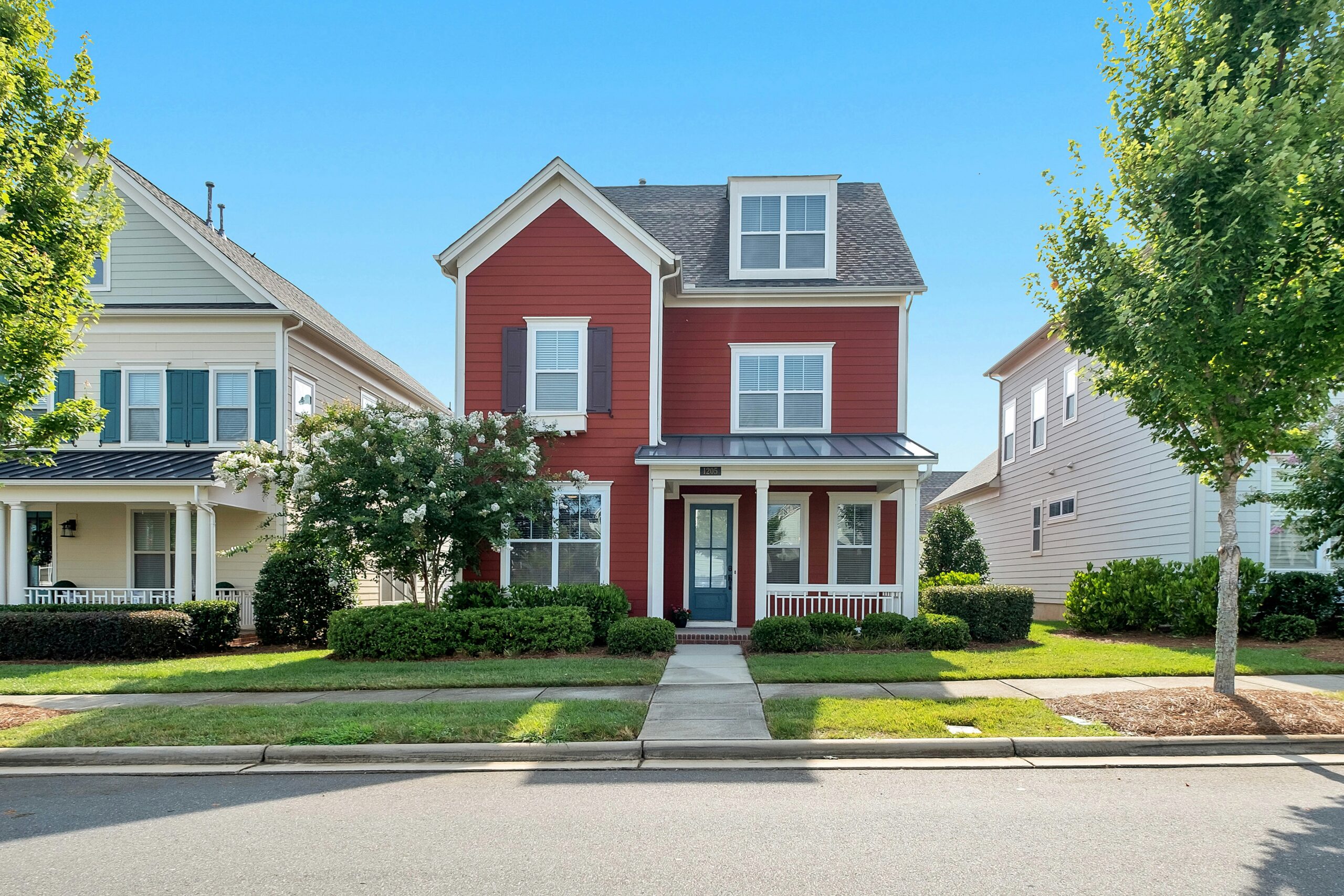
Discover why California homeowners face skyrocketing insurance premiums, including $44,000 bills, and how wildfire risks, regulatory constraints, and market forces are reshaping the home insurance landscape. Explore causes, solutions, and trends.
Introduction 🏡
California’s home insurance market is facing an unprecedented crisis. Homeowners are encountering extreme premiums, sometimes as high as $44,000 annually, coupled with limited availability of coverage in high-risk wildfire zones.
This crisis affects not just individual homeowners but also the broader real estate market, local economies, and state-level policy planning. Understanding the dynamics requires analyzing climate risk, insurance regulation, market behavior, and legislative responses.
This article provides an in-depth, comprehensive look at the crisis, including:
-
Causes of rising premiums
-
Economic consequences for homeowners and communities
-
Legislative and policy responses
-
Practical strategies for homeowners
-
Long-term market trends
By the end, readers will understand why this crisis exists, who it affects, and what can be done to stabilize the market.
1. California’s Home Insurance Market Today 📊
California’s insurance landscape is distinct due to:
-
High wildfire risk in multiple regions
-
Stringent regulatory oversight
-
Market contraction by private insurers
1.1 Insurer Withdrawals and Limited Coverage 🏢
Over the past decade:
-
~20% of major insurers have exited wildfire-prone regions.
-
Homeowners in certain ZIP codes have few or no private insurance options.
-
Reliance on the California FAIR Plan has increased dramatically.
Table 1 – Insurance Availability Trends in California (2015–2025)
| Year | Private Insurer Participation | FAIR Plan Coverage Increase |
|---|---|---|
| 2015 | 95% | 5% |
| 2020 | 80% | 20% |
| 2025 | 65% | 35% |
1.2 Wildfire Risk and Premium Escalation 🔥
The last decade has seen:
-
Frequency of catastrophic wildfires increase by 120%
-
Average wildfire-related insurance claims increase by 150%
-
Homes in wildfire-prone areas facing premiums exceeding $40,000 annually
Factors driving risk:
-
Rising temperatures and prolonged drought
-
Human-caused ignition sources
-
Aging infrastructure and powerline risks
1.3 Regulatory Constraints 📜
California’s Proposition 103 requires prior approval for most rate increases:
-
Slows insurers from adjusting premiums for increasing wildfire risk
-
Creates “rate suppression” where pricing lags behind actual exposure
-
Encourages insurers to withdraw from high-risk markets rather than operate unsustainably
2. The $44,000 Insurance Bill: A Case Study 💸
A recent homeowner faced a $44,000 annual insurance bill, highlighting:
-
Extreme premium inflation in wildfire-prone areas
-
Limited alternatives for high-risk homeowners
-
Challenges for mortgage approval and property transactions
2.1 Why Such High Costs?
-
Risk-based pricing in high-exposure areas
-
Limited competition due to insurer withdrawals
-
Regulatory delays in adjusting rates to reflect true risk
2.2 Broader Implications
-
Symbolizes systemic dysfunction
-
Signals potential long-term unaffordability for middle-class homeowners
-
Highlights need for legislative and market reform
3. Economic Implications for Homeowners and Communities 🏠
3.1 Property Values and Real Estate Market 🏘️
-
High premiums reduce housing affordability
-
Properties in wildfire-prone regions may depreciate by 10–25%
-
Sellers face longer times on the market and may reduce asking prices
3.2 Mortgage and Financing Challenges 💳
-
Mortgage lenders require insurance for loan approval
-
Scarcity and high costs complicate home purchases
-
Delays in transactions can ripple through local real estate markets
3.3 Community Economic Effects 🌆
-
Reduced disposable income for homeowners
-
Slower local economic activity and real estate turnover
-
Potentially lower tax revenue for municipalities
4. Root Causes of the Insurance Crisis 🧩
4.1 Climate Change and Wildfire Frequency 🌡️
-
Longer fire seasons, higher intensity fires
-
Increased human and environmental risks
-
Direct correlation to rising insurance premiums
Chart 1 – Wildfire Frequency and Average Losses (2010–2025)
-
Frequency: +120%
-
Average insured loss: +150%
4.2 California FAIR Plan Limitations ⚖️
-
FAIR Plan coverage has expanded beyond intended “last resort” role
-
Financial strain leads to higher premiums for all participants
-
Limited coverage options may force homeowners into out-of-pocket losses
4.3 Market Forces and Insurer Withdrawals 📈
-
Private insurers assess high reinsurance costs
-
Limited profit potential in high-risk areas
-
Market contraction reduces competition and drives premiums higher
4.4 Regulatory Lag 🏛️
-
Rate approvals take months or years
-
Insurers may operate below sustainable pricing models
-
Homeowners in high-risk areas face scarcity and high costs
5. Legislative and Policy Responses 🏛️
5.1 Stabilizing the FAIR Plan
-
Issuing bonds to cover claims
-
Spreading costs over multiple years
-
Incentivizing private insurers to participate
5.2 Flexible Insurance Rate Reforms
-
Use predictive models to adjust rates accurately
-
Consider reinsurance costs in premium calculations
-
Reward homeowners for mitigation measures
5.3 Wildfire Prevention Programs 🌲
-
Fire-resistant infrastructure
-
Early-warning detection systems
-
Vegetation and defensible space management
-
Potential to lower premiums over time
6. Homeowner Strategies to Manage Costs 🛠️
-
Compare Multiple Policies – Evaluate coverage across providers
-
Invest in Fire Mitigation – Sprinklers, fire-resistant roofs, defensible space
-
Consider Higher Deductibles – Trade lower premiums for higher out-of-pocket risk
-
Stay Informed – Track legislative updates and insurer notifications
-
Document Safety Measures – Reduces claim risk and may lower premiums
7. Long-Term Market Trends 🔮
7.1 Risk-Based Premiums
-
Homes in high-risk zones pay higher premiums
-
Low-risk zones may see stabilization or reductions
7.2 Technology and Predictive Analytics
-
AI models estimate wildfire risk and adjust premiums accordingly
-
Improved accuracy helps stabilize insurer profitability
7.3 Public-Private Partnerships
-
State partnerships can incentivize coverage expansion
-
Encourage mitigation measures for lower risk exposure
8. Case Studies of High-Cost Policies 📝
8.1 Northern California Wildfire Zones
-
Premiums: $25,000–$40,000 annually
-
Even modest homes are at extreme financial risk
8.2 Southern California Urban-Wildland Interface
-
Premiums increased 200–300% in 10 years
-
Older homes may be uninsurable without major upgrades
8.3 Lessons Learned
-
Fire mitigation reduces premiums
-
Monitoring legislation and insurer behavior is critical
9. Expert Opinions 💡
-
Insurance Analysts: Emphasize sustainable, risk-based pricing
-
Economists: Warn of long-term economic consequences without reform
-
Policymakers: Urge collaboration between state, insurers, and homeowners
10. Conclusion ✅
California’s home insurance crisis, symbolized by the $44,000 annual bill, reflects a combination of:
-
Escalating wildfire risk
-
Regulatory constraints
-
Market withdrawal
Solutions require:
-
Comprehensive legislative reform
-
Wildfire mitigation investments
-
Collaboration between homeowners, insurers, and the state
Without intervention, premiums will continue rising, coverage will shrink, and homeowners will face growing financial risk.




0 Comments