
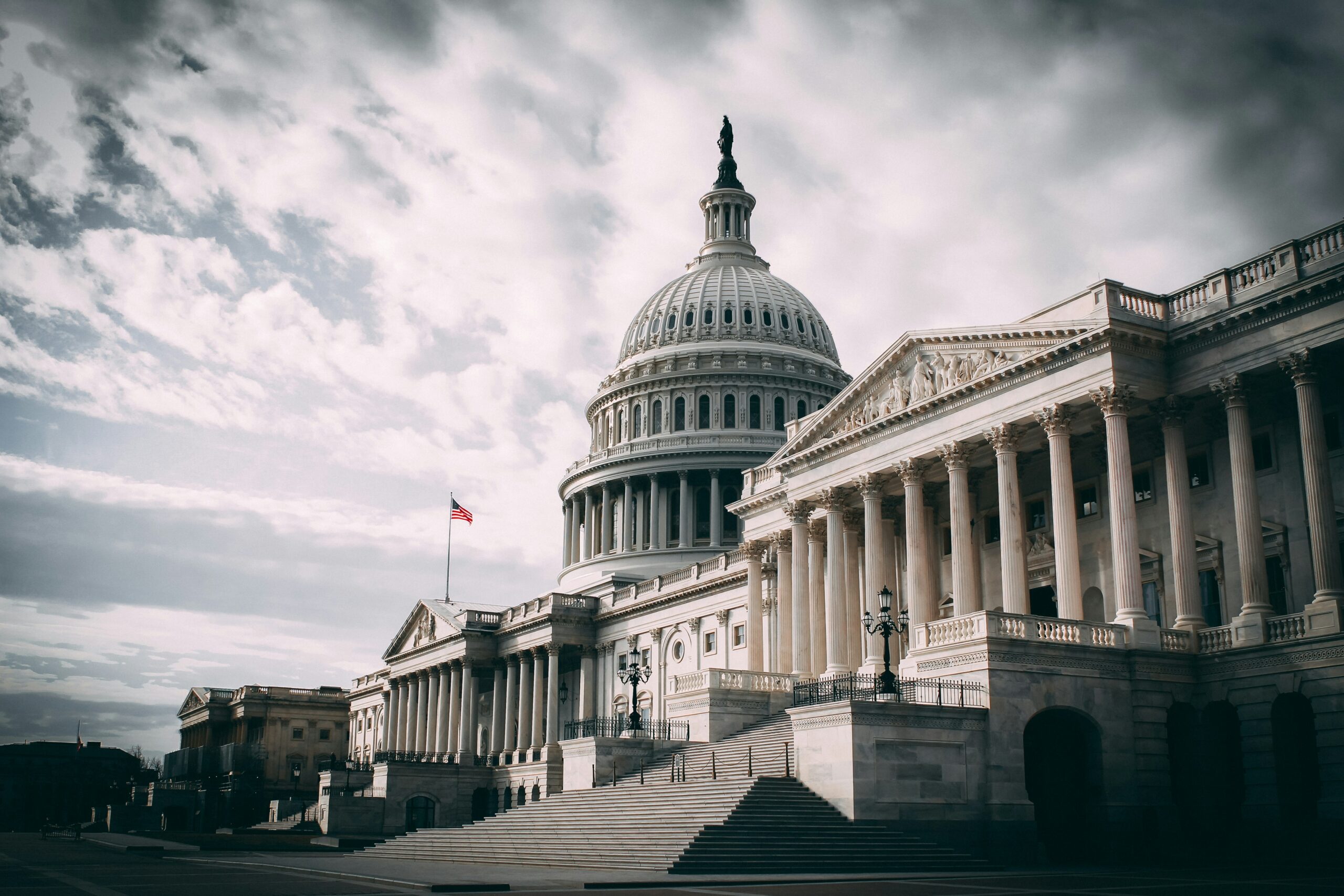
Socialism is gaining acceptance among some American voters as affordability concerns reshape U.S. politics. Discover what the trend means for the 2026 midterm elections.
Focus Keyphrase: socialism in America
Secondary Keywords: 2026 U.S. midterm elections, democratic socialism, American voters, economic populism, cost of living crisis, capitalism vs socialism, younger voters, U.S. economic policy
🇺🇸 Socialism Becomes a Bigger Issue in American Politics
The debate over socialism in America is entering a new phase as economic frustration, housing affordability, healthcare expenses, and wealth inequality reshape the political conversation ahead of the November 3, 2026, midterm elections.
For decades, Republican candidates have frequently used socialism as a warning against expanding government power and progressive economic policies. However, the effectiveness of that message may be changing as more Americans express interest in government intervention to reduce household expenses and challenge the influence of large corporations.
A September 2026 Gallup poll found that 43% of Americans viewed socialism positively, exceeding 39% for the first time in the polling organization's trend dating back to 2010. Nevertheless, capitalism remained more popular, with 55% expressing a positive view of that economic system. Small businesses and free enterprise received even stronger support.
These figures reveal an important distinction: Americans may be increasingly receptive to policies associated with the political left without necessarily embracing socialism as a complete economic system.
For candidates from both major parties, the challenge is to persuade voters that their economic agenda can deliver tangible improvements to everyday life.
📊 What the Latest Polls Reveal About Socialism in America
Public opinion about socialism remains divided, but recent surveys suggest that the traditional political debate over capitalism and socialism is becoming more complicated.
According to Gallup's September 2026 findings, positive views of socialism have reached a record high in its polling series. The increase comes amid broader concerns about corporate power, economic inequality, and the cost of living.
However, the figures should not be interpreted as evidence that most Americans support replacing capitalism with socialism. A favorable opinion of a broad political label does not necessarily translate into support for every policy or movement associated with it.
Other polling illustrates the continuing divide. An August 2026 YouGov survey found that 31% of American adults had a favorable view of socialism, while 43% expressed an unfavorable view and 26% were unsure. Differences between these findings and Gallup's results highlight how polling methods, survey wording, and respondents' interpretations can influence public opinion measurements.
The distinction matters because socialism can mean different things to different voters. Some associate it with universal healthcare, publicly funded education, and stronger social safety nets. Others associate it with excessive government control, restrictions on private enterprise, or historical communist regimes.
Consequently, political campaigns are fighting not only over economic policies but also over the meaning of the words used to describe them.
💰 The Cost of Living Is Reshaping the Political Debate
Economic pressure is one of the most important factors behind the renewed discussion of socialism and economic populism in the United States.
Housing costs, medical expenses, childcare, education, and everyday necessities have become central political concerns for households trying to maintain their standard of living. When voters believe that economic growth is not translating into financial security, they may become more receptive to policies that promise to redistribute costs or strengthen consumer protections.
Proposals frequently associated with progressive economic politics include:
-
Housing affordability: Rent regulation, increased housing construction, and measures intended to protect tenants.
-
Healthcare costs: Negotiating prescription drug prices, expanding insurance coverage, and reducing out-of-pocket expenses.
-
Tax policy: Increasing taxes on billionaires or high-income households to finance public programs.
-
Consumer protection: Limiting certain fees, strengthening competition, and regulating industries perceived to have excessive pricing power.
-
Public services: Expanding access to education, childcare, and other essential services.
These proposals do not all represent the same economic philosophy. Some can operate within a predominantly market-based capitalist economy, while others would substantially expand the government's role.
The common political appeal is that government should do more to help ordinary households manage economic pressures.
For politicians, this creates a challenge that extends beyond traditional ideological divisions. Voters may support a policy because it promises cheaper healthcare or more affordable housing, even if they reject the political label attached to it.
🏛️ Why Republicans Are Reconsidering Their Anti-Socialist Message
For Republican campaigns, portraying Democratic candidates as socialists or communists has long been a way to argue that progressive policies threaten private property, economic freedom, and the American political system.
Yet the strategy may be losing some of its effectiveness when applied broadly to Democratic politicians who support mainstream government programs.
If voters associate socialism primarily with lower medical bills, affordable housing, or greater economic security, simply applying the label to a candidate may not persuade them to oppose that candidate.
The challenge is particularly significant when economic dissatisfaction crosses traditional party boundaries. Voters who are frustrated with large corporations or rising household expenses may support interventionist policies without identifying with the political left.
Some Republican strategists have therefore emphasized the distinction between socialism and communism, seeking to make the latter term a more potent warning in campaign messaging.
However, stronger rhetoric does not automatically resolve voters' economic concerns. Republicans must also explain how their own proposals would improve affordability, strengthen employment opportunities, and protect household purchasing power.
President Donald Trump's populist economic messaging adds another complication. Political appeals that criticize powerful institutions or promise to prioritize ordinary Americans can overlap with themes used by progressive candidates, even when the parties offer substantially different policy solutions.
The resulting contest is not simply about whether government should intervene in the economy. It is also about which party can convince voters that its version of economic populism will produce better results.
🔵 Democratic Socialists See an Opportunity — but Face Electoral Risks
The growing visibility of democratic socialist candidates has intensified debate within the Democratic Party about how to address economic inequality and win elections beyond heavily Democratic districts.
The movement includes politicians who support expanded public services, stronger labor protections, higher taxes on wealthy households, and more extensive government involvement in healthcare and housing. Candidates differ considerably in their priorities, their views on markets, and how far they want to change existing economic institutions.
Their appeal often rests on a straightforward argument: existing political and economic arrangements have not adequately addressed the financial pressures facing ordinary people.
That message can resonate with voters who believe that established political leaders have failed to deliver affordable housing, accessible healthcare, or meaningful improvements in living standards.
However, the socialist label can also create electoral vulnerabilities.
National polling continues to show substantial opposition to socialism, particularly among Republicans and some older voters. A candidate who attracts enthusiastic support from progressive activists may still face difficulty persuading moderates and independents in a competitive general election.
Democrats therefore face a strategic dilemma. Emphasizing democratic socialism can energize supporters who want more ambitious economic reforms, but it may also give opponents an opportunity to portray the party as too ideologically extreme.
The electoral consequences will depend on the candidates, their constituencies, the specific policies they propose, and the extent to which voters prioritize economic concerns over ideological identity.
👥 Why Younger Americans Are More Open to Socialism
Generational differences are an important part of the changing political landscape.
Younger Americans have entered adulthood amid expensive housing markets, student debt concerns, uncertain career prospects, and debates over whether economic opportunities are keeping pace with living costs. These experiences can influence how they evaluate capitalism, government intervention, and alternative economic models.
Gallup's September 2026 survey found that 57% of adults aged 18 to 34 viewed socialism positively, compared with 43% of Americans overall.
That result suggests a meaningful generational divide, although it does not mean every young voter supports socialist candidates or favors replacing capitalism.
Younger voters may be more interested in policies that address the immediate cost of living than in traditional arguments about economic ideology. A proposal to expand healthcare coverage, reduce education costs, or make housing more accessible can attract support even among people who disagree about the appropriate size of government.
Social media has also helped progressive candidates communicate directly with younger audiences. Campaigns can use short videos, online organizing, and direct conversations with voters to explain policy proposals without relying entirely on established political institutions or traditional news coverage.
Nevertheless, younger voters are not politically uniform. Their views differ according to income, location, education, employment, and personal experience. Some favor ambitious public programs, while others prioritize entrepreneurship, lower taxes, and private-sector opportunities.
For both parties, winning younger voters will require more than ideological messaging. Candidates must demonstrate how their proposals address the practical challenges of building a stable financial future.
🗳️ The November 2026 Midterm Elections Will Test the Message
The November 3, 2026, U.S. midterm elections will offer an important test of how voters respond to candidates associated with socialism, progressive economic reform, and populist politics.
Republicans are likely to emphasize the risks they associate with government expansion, higher taxes, and the influence of democratic socialist organizations. Democrats and progressive candidates, meanwhile, can focus on affordability, economic inequality, and concerns about the power of major corporations.
The results will depend on a range of factors beyond socialism itself, including inflation, employment, immigration, healthcare, foreign policy, candidate quality, and voters' assessments of the federal government.
Competitive congressional districts will be especially revealing. A progressive candidate might perform strongly in a district where voters are receptive to ambitious reforms but struggle in a constituency where concerns about government spending or ideological extremism dominate.
The distinction between primary elections and general elections is also important. Candidates who succeed in Democratic primaries may appeal to highly engaged party voters, while general elections require broader coalitions that can include independents and moderate voters.
Consequently, victories by democratic socialist candidates in selected districts would not, by themselves, establish that the entire country has shifted toward socialism.
Likewise, Republican victories would not necessarily demonstrate that voters have rejected every policy associated with the progressive movement.
The more revealing question is which economic priorities persuade voters across different constituencies.
🌎 What the Debate Means for Businesses, Investors, and the Global Economy
The debate over socialism in America has implications beyond U.S. election campaigns.
For businesses, proposals involving corporate taxation, labor protections, healthcare financing, and consumer regulation can affect operating costs, investment decisions, and long-term planning. Companies in highly regulated sectors may pay particular attention to changes in healthcare, housing, energy, and financial policy.
Investors must distinguish between campaign rhetoric and policies that have a realistic path to implementation. Changes in taxes, regulation, public spending, and labor costs can influence individual industries, but their effects depend on legislative details, economic conditions, and how businesses and consumers respond.
International observers should also recognize that the American debate differs from political discussions in countries with established universal healthcare systems and broader social welfare programs. Policies considered controversial in the United States may operate as ordinary elements of mixed-market economies elsewhere.
At the same time, adopting a particular public program does not automatically make a country socialist. Most modern economies combine private ownership and market competition with public services, regulation, and government-funded programs.
For global businesses and policymakers, the central issue is therefore not simply whether American voters become more favorable toward socialism. It is whether changing public expectations lead to concrete shifts in taxation, regulation, public services, and the relationship between government and private enterprise.
⚖️ Socialism vs. Capitalism: What Is Actually at Stake?
The debate is often presented as a choice between two opposing economic systems, but the policy questions facing American voters are more complicated.
Capitalism generally relies on private ownership, market competition, and investment decisions made by individuals and businesses. Socialist traditions place greater emphasis on social or public ownership, collective control, or reducing the role of private capital in economic life. Democratic socialism encompasses a range of approaches, while social democracy typically seeks to combine market economies with strong public services and social protections.
These distinctions matter because campaign debates frequently use the terms more loosely than economists or political theorists do.
For example, a government that negotiates prescription drug prices or funds public education is not necessarily replacing capitalism. Conversely, a proposal to place an industry under public ownership would represent a more substantial intervention in the structure of the economy.
American voters may support selected government programs while continuing to favor private businesses, entrepreneurship, and competitive markets.
The most important policy questions concern the balance between public intervention and market incentives: how programs are financed, whether they improve access and affordability, how they affect productivity, and whether their benefits justify their costs.
Those questions are more informative than relying exclusively on political labels.
🔎 What to Watch Next
Several developments will help clarify whether the growing acceptance of socialism represents a lasting political shift or a response to current economic frustration.
First, watch the midterm results. The performance of progressive candidates in competitive districts will provide evidence about whether their economic message can attract voters outside their strongest political bases.
Second, examine policy preferences rather than labels alone. Support for affordable healthcare or housing reform does not necessarily translate into support for socialism as an economic system.
Third, monitor independent and moderate voters. Their responses could determine whether progressive proposals become part of a broader political consensus or remain concentrated among particular constituencies.
Fourth, pay attention to implementation. Even when candidates win elections, campaign promises must pass through legislative institutions, budget negotiations, and regulatory processes before they can produce measurable results.
Finally, the durability of the trend will depend partly on economic conditions. If households continue to struggle with essential expenses, calls for stronger government intervention may gain momentum. If affordability improves or proposed policies generate concerns about costs and efficiency, public opinion could change again.
Conclusion: Economic Anxiety Is Changing the Politics of Socialism
Socialism in America is becoming a more complicated political issue as voters reconsider the relationship between government, markets, and household financial security.
Recent polling indicates that favorable views of socialism have increased, particularly among younger adults. Yet capitalism remains popular, and Americans continue to disagree about what socialism means and whether its associated policies would improve their lives.
For Republicans, the challenge is to make the case that progressive economic proposals threaten prosperity or individual freedom while offering credible answers to affordability concerns. For Democrats and democratic socialists, the challenge is to demonstrate that expanded public intervention can deliver practical benefits without creating unacceptable financial or economic costs.
The November 2026 midterm elections will provide an important test of these competing arguments.
Ultimately, the future of socialism in American politics may depend less on the label itself than on whether voters believe political leaders can make housing, healthcare, and everyday life more affordable. In a country where economic opportunity remains central to the national identity, the candidates who offer convincing solutions may have the strongest advantage.
Sources:
-
The Wall Street Journal — Is America Still Afraid of Socialism? — Original reporting on the political debate and the 2026 midterm elections.
-
Gallup — Socialism’s Positive Rating Tops 40% for First Time — September 2026 polling on attitudes toward socialism, capitalism, and free enterprise.
-
Gallup — How Americans View Capitalism, Socialism and Free Enterprise — Research into how Americans understand the benefits and drawbacks of different economic systems.
-
YouGov — What Do Americans Think About Socialism? — Additional polling illustrating the divide in public opinion.




0 Comments