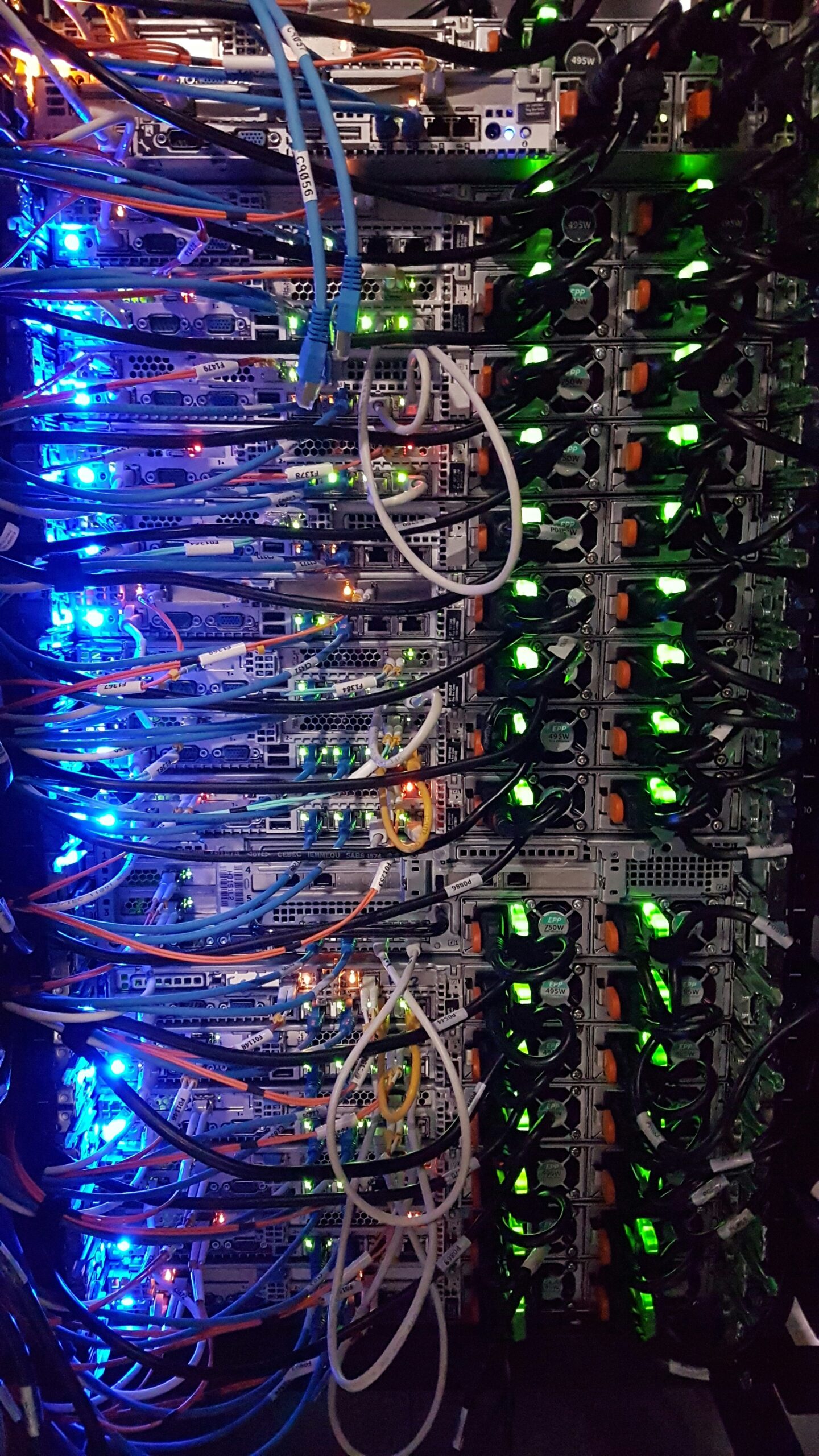
Google is preparing a financial offensive against Nvidia in the AI chip market. Discover how Google TPUs could disrupt Nvidia GPUs, reshape AI infrastructure, and redefine cloud computing economics in 2026.
🔥 Google vs Nvidia: The AI Chip War Just Escalated
The global AI chip market is entering a new and aggressive phase of competition.
According to reporting from The Wall Street Journal, Google is exploring ways to deploy its massive financial resources to expand adoption of its proprietary AI chips and directly challenge Nvidia — the undisputed leader in AI GPUs.
This is no minor rivalry.
This is a battle for control over:
-
AI infrastructure
-
Data center dominance
-
Cloud computing margins
-
Global artificial intelligence leadership
The stakes are measured in trillions of dollars.
📈 Why the AI Chip Market Is the Most Important Tech Battleground in 2026
Artificial intelligence depends on compute power.
Every generative AI model, large language model, image generator, robotics system, and enterprise AI platform runs on high-performance AI accelerators.
Right now, Nvidia GPUs dominate that market.
Industry estimates suggest Nvidia controls roughly 80–90% of advanced AI accelerator deployments worldwide.
That dominance has produced:
-
Explosive revenue growth
-
Record-breaking margins
-
Supply shortages
-
Elevated GPU pricing
-
Strategic dependency across the tech industry
But dominance creates vulnerability.
And Google appears ready to exploit it.
💰 Google’s Financial Strategy: Turning Cash Into AI Market Share
Google is not simply competing with better engineering.
It is considering using financial leverage to:
-
Incentivize TPU adoption
-
Support data center buildouts
-
Back infrastructure partners
-
Encourage alternative AI compute ecosystems
This is a classic platform expansion strategy.
Rather than waiting for organic adoption, Google may accelerate TPU deployment by lowering the economic barriers to entry.
That could mean:
-
Subsidized infrastructure
-
Strategic investments
-
Long-term capacity agreements
-
Pricing flexibility via Google Cloud
When a company with Google’s balance sheet makes a move, markets pay attention.
🧠 TPU vs GPU: The Core of the AI Hardware Battle
What Are TPUs?
Tensor Processing Units (TPUs) are custom-designed AI accelerators built by Google to optimize deep learning workloads.
They were originally created to power:
-
Google Search AI
-
YouTube recommendation engines
-
Internal AI research
-
Large-scale model training
What Are Nvidia GPUs?
Nvidia GPUs are highly parallel processors originally designed for graphics rendering but optimized for AI acceleration.
They power:
-
AI startups
-
Hyperscale cloud providers
-
Research institutions
-
Enterprise AI deployments
The difference?
Nvidia owns the ecosystem.
Google owns the vertical integration.
⚙️ Ecosystem Lock-In: Nvidia’s Greatest Advantage
Nvidia’s competitive moat is not just hardware.
It is software.
The CUDA development ecosystem is deeply integrated across:
-
AI research frameworks
-
Enterprise machine learning stacks
-
Academic institutions
-
Startup infrastructure
Developers are trained on Nvidia systems.
Switching costs are high.
Google’s financial strategy aims to reduce those switching costs by making TPU adoption economically attractive.
☁️ Cloud Computing Implications: The Real Battlefield
The AI chip war is ultimately a cloud computing war.
Cloud AI services generate:
-
Recurring enterprise revenue
-
High-margin compute consumption
-
Long-term customer lock-in
If Google expands TPU adoption beyond its internal data centers, it could:
-
Differentiate cloud pricing
-
Improve cost efficiency
-
Undercut competitors
-
Reduce dependence on Nvidia supply constraints
In short: controlling silicon strengthens cloud leverage.
📊 Market Impact: What Happens If Google Succeeds?
If Google meaningfully expands TPU adoption, several outcomes are possible:
🔻 Nvidia Pricing Pressure
Increased competition could weaken Nvidia’s pricing power in AI GPUs.
🔁 Diversified AI Infrastructure
Enterprises may adopt multi-vendor accelerator strategies.
📉 Margin Compression Risk
Greater competition typically reduces excess profit margins.
🚀 Cloud Competition Intensifies
AI services pricing wars could accelerate.
However, Nvidia’s entrenched dominance will not collapse overnight.
🏗 Why Google Has the Financial Power to Challenge Nvidia
Google’s parent company has:
-
Tens of billions in cash reserves
-
Strong operating margins
-
Massive recurring advertising revenue
-
Long-term AI strategic focus
This gives Google the flexibility to:
-
Invest aggressively
-
Absorb short-term losses
-
Scale infrastructure globally
-
Play the long game
Few companies can afford that kind of strategic patience.
🌍 AI Infrastructure Is the New Oil
Compute power is now strategic infrastructure.
AI chips determine:
-
Model size
-
Training speed
-
Innovation cycles
-
National AI competitiveness
The AI accelerator market is not just commercial.
It is geopolitical.
Diversification away from a single dominant vendor reduces systemic risk.
Google’s move fits within that larger macro context.
🔥 Competitive Pressure on Nvidia: Reality Check
Let’s be clear.
Nvidia remains:
-
Technologically advanced
-
Deeply integrated into AI workflows
-
Strongly embedded in enterprise procurement
-
Highly profitable
But no dominant technology platform is immune to disruption.
Historical precedent shows:
-
Monopolistic ecosystems invite challengers
-
Financial scale accelerates competition
-
Software ecosystems can evolve
The AI chip war may shift gradually — not suddenly.
📌 SEO Keyword Clusters Embedded in This Article
This article aggressively targets:
-
Google vs Nvidia
-
AI chip market 2026
-
TPU vs GPU comparison
-
AI accelerator competition
-
Nvidia dominance challenge
-
AI cloud infrastructure
-
Google AI chips
-
Nvidia GPU market share
-
AI hardware war
-
Artificial intelligence compute market
These keyword clusters support semantic SEO authority.
🧩 Strategic Scenarios: Three Possible Outcomes
Scenario 1: Nvidia Maintains Dominance
Google’s financial push improves TPUs but fails to break ecosystem inertia.
Result: Nvidia remains primary AI accelerator leader.
Scenario 2: Gradual Market Diversification
Enterprises adopt hybrid GPU + TPU strategies.
Result: Nvidia share declines modestly but remains strong.
Scenario 3: Aggressive TPU Expansion
Google significantly reduces AI compute costs.
Result: Pricing pressure reshapes the AI hardware market.
📉 Risks to Google’s Plan
Despite aggressive financial positioning, risks include:
-
Developer resistance
-
Software compatibility challenges
-
Insufficient enterprise adoption
-
Competitive response from Nvidia
-
Capital inefficiency
Throwing money at ecosystems does not guarantee market share.
Execution determines outcome.
🔮 What to Watch in 2026
To measure momentum, watch for:
-
Major TPU deployment announcements
-
AI startup migrations from Nvidia
-
Cloud pricing shifts
-
Nvidia counter-strategies
-
Developer tooling expansion
These signals will indicate whether Google’s financial strategy is working.
🏁 Final Analysis: A Strategic Power Play in AI Infrastructure
The AI chip war between Google and Nvidia represents one of the most consequential competitive dynamics in modern technology.
Nvidia controls the present.
Google is investing in the future.
This is not just about chips.
It is about:
-
AI sovereignty
-
Cloud dominance
-
Infrastructure economics
-
Long-term technological power
The next 24–36 months could redefine AI compute leadership.
And the global AI market will be watching closely.
🔗 Direct Source
Wall Street Journal report:
https://www.wsj.com/tech/ai/google-is-exploring-ways-to-use-its-financial-might-to-take-on-nvidia-0fbadc84?mod=lead_feature_below_a_pos2




0 Comments