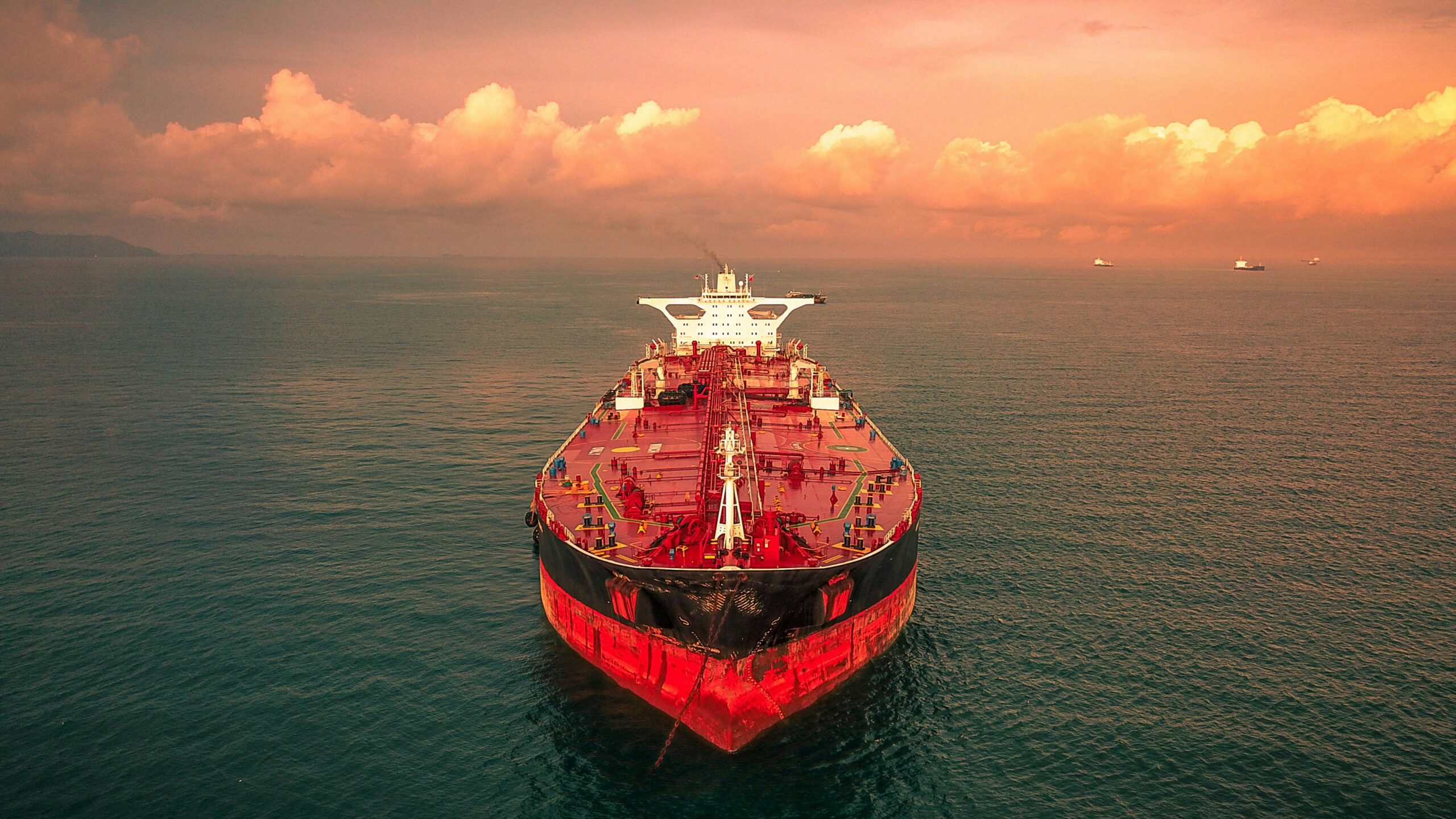
Middle powers including Europe, Canada, Japan and India are forming new alliances to navigate rising U.S.–China tensions. Discover how this shift is transforming trade, technology, defense and the future global order.
🌍 Introduction: The Quiet Shift That Could Redefine Global Power
For much of the modern era, the world has been shaped by dominant superpowers. From the Cold War rivalry between the United States and the Soviet Union to the modern competition between Washington and Beijing, global politics has largely revolved around major powers setting the rules of the game.
Today, however, something different is unfolding.
Countries that sit between the world’s largest powers—often called middle powers—are beginning to reshape the global system in a profound way. Rather than choosing sides, these nations are forming new alliances, strengthening regional cooperation and building economic and security partnerships that reduce dependence on both the U.S. and China.
This transformation is subtle but powerful. It signals the rise of a multipolar world, where influence is shared across multiple centers of power rather than dominated by a single global leader.
This article explores why middle powers are joining forces, what this means for trade, technology, defense and diplomacy, and how this shift will affect businesses, governments and everyday citizens.
⚖️ Understanding the New Global Landscape
From Unipolar to Multipolar
After the Cold War ended, the world entered a period often described as unipolar, with the United States serving as the primary global superpower. American leadership shaped global institutions, security alliances and trade rules.
But the rapid rise of China has challenged this structure.
China’s economic growth, technological advancement and expanding global influence have created a new geopolitical rivalry. This rivalry is not purely military—it spans trade, technology, finance, energy and diplomacy.
The result is a world increasingly divided between two competing giants.
For many countries, this binary system presents a dilemma. Aligning fully with either side carries risks. Remaining neutral without cooperation leaves them vulnerable.
The solution emerging across continents is collaboration among middle powers.
🧭 Who Are the Middle Powers?
Middle powers are countries that have significant economic strength, diplomatic influence and regional leadership but do not possess the overwhelming global dominance of superpowers.
Examples include:
-
🇨🇦 Canada
-
🇯🇵 Japan
-
🇰🇷 South Korea
-
🇦🇺 Australia
-
🇮🇳 India
-
🇧🇷 Brazil
-
🇪🇺 European nations
These countries share common characteristics:
-
Strong economies
-
Advanced technology sectors
-
Active participation in global trade
-
Commitment to international cooperation
Together, they represent a large share of global GDP, trade and innovation.
🤝 Why Middle Powers Are Strengthening Cooperation
1️⃣ Avoiding the “Great Power Trap”
The rivalry between the United States and China has intensified in recent years. Trade disputes, technology restrictions and geopolitical tensions have forced countries to make difficult choices.
Many nations fear being forced into a binary decision: choose one superpower or risk losing access to markets, technology or security partnerships.
Middle-power cooperation offers a third path.
By working together, these countries gain:
-
Greater negotiating power
-
More diversified supply chains
-
Reduced dependence on any single superpower
2️⃣ The Weaponization of Trade and Technology
Globalization once promised open markets and interconnected economies. Today, trade and technology are increasingly used as tools of geopolitical competition.
Examples include:
-
Export controls on advanced technology
-
Tariffs and trade restrictions
-
Sanctions and investment screening
These developments have pushed middle powers to rethink economic strategy and build resilience.
3️⃣ Supply Chain Vulnerabilities
Recent global disruptions revealed how fragile international supply chains can be.
Shortages of:
-
Semiconductors
-
Medical equipment
-
Energy resources
-
Critical minerals
highlighted the risks of over-reliance on single suppliers.
Middle powers are now collaborating to secure supply chains and build redundancy.
📦 The Transformation of Global Trade
Diversification Becomes a Strategic Priority
Trade policy is undergoing a major shift.
Instead of maximizing efficiency through globalization, countries are prioritizing:
-
Reliability
-
Security
-
Strategic partnerships
This has led to a surge in trade agreements among middle powers.
The Rise of Regional Trade Networks
Regional trade partnerships are expanding rapidly. These agreements aim to:
-
Strengthen economic ties
-
Reduce barriers between trusted partners
-
Provide alternatives to superpower markets
This trend is reshaping global commerce.
The New Geography of Trade
Trade routes are evolving to reflect new alliances and priorities.
Key changes include:
-
Increased trade between Europe and Asia
-
Growing partnerships across the Indo-Pacific
-
Expanded cooperation among advanced economies
The world economy is becoming more decentralized.
🛡️ Security Cooperation in a Changing World
Rising Defense Spending
Security concerns are driving greater defense collaboration among middle powers.
Countries are investing in:
-
Military modernization
-
Joint training exercises
-
Shared defense technology
This shift reflects growing uncertainty about the global security environment.
Collaborative Defense Projects
Several countries are now working together to develop next-generation military technology, including advanced aircraft and defense systems.
These partnerships strengthen security while reducing dependence on superpowers.
A More Self-Reliant Security Framework
Although many middle powers still rely on U.S. security guarantees, they are increasingly seeking greater self-reliance.
This includes:
-
Strengthening regional alliances
-
Expanding defense industries
-
Increasing military readiness
🚀 Technology: The New Frontier of Competition
The Global Tech Divide
Technology has become one of the most important arenas of geopolitical competition.
Key sectors include:
-
Artificial intelligence
-
Semiconductors
-
Telecommunications
-
Cybersecurity
Countries must now decide how to balance partnerships and independence.
Building Domestic Innovation Ecosystems
Middle powers are investing heavily in:
-
Research and development
-
Technology startups
-
National innovation strategies
The goal is to reduce reliance on foreign technology.
Collaboration in Innovation
International research partnerships are growing, particularly among countries with shared values and economic interests.
This collaboration accelerates innovation and strengthens resilience.
🌐 A Network of Flexible Alliances
The “Coalition of Coalitions”
Instead of one large alliance, middle powers are forming flexible networks of partnerships.
These networks allow countries to cooperate in specific areas while maintaining independence.
Examples include cooperation in:
-
Trade
-
Technology
-
Defense
-
Climate policy
This flexible approach allows nations to adapt to changing global conditions.
⚠️ Challenges and Risks Ahead
Diverse Interests and Priorities
Middle powers differ in political systems, economic structures and regional interests. Aligning these diverse priorities will not be easy.
Slow Decision-Making
Large coalitions can struggle with bureaucracy and slow consensus-building.
Speed is critical in today’s rapidly changing world.
Continued Dependence on Superpowers
Despite growing cooperation, many countries still rely on U.S. military protection and global financial systems.
Achieving full independence will take time.
🔄 The Shift Toward Smaller Trusted Partnerships
The future may involve smaller groups of trusted partners working together in key areas such as:
-
Critical minerals
-
Semiconductor manufacturing
-
Defense technology
-
Energy security
This trend marks a departure from traditional globalization.
🌏 Implications for the Global Economy
Businesses Must Adapt
Companies must prepare for:
-
New trade regulations
-
Regional supply chains
-
Changing geopolitical risks
Understanding these trends will be critical for success.
Investors Face a New Landscape
Investment strategies are evolving as geopolitical risks become more important.
Key sectors to watch include:
-
Energy
-
Defense
-
Technology
-
Infrastructure
🇨🇦 Canada and the Middle-Power Strategy
Canada is playing an active role in strengthening cooperation among mid-sized nations.
Key priorities include:
-
Expanding trade partnerships
-
Investing in natural resources
-
Strengthening supply chain resilience
Canada’s approach reflects the broader middle-power strategy.
🔮 The Future of the Global Order
The world is moving toward a multipolar system with multiple centers of influence.
This shift could lead to:
-
Greater balance of power
-
Increased regional cooperation
-
More complex geopolitical dynamics
The coming decades will be shaped by how middle powers navigate this new environment.
🧠 Conclusion: A New Era of Global Cooperation
The rise of middle powers marks a turning point in world history.
Rather than remaining passive observers in a superpower rivalry, these countries are actively shaping the future.
By building new alliances, diversifying trade and strengthening cooperation, middle powers are creating a more resilient and balanced global system.
This transformation is still unfolding—but its impact will be felt across economies, governments and societies worldwide.
The world is no longer defined by one dominant power. Instead, it is becoming a network of partnerships, alliances and shared interests.
The era of middle-power cooperation has begun.



0 Comments