
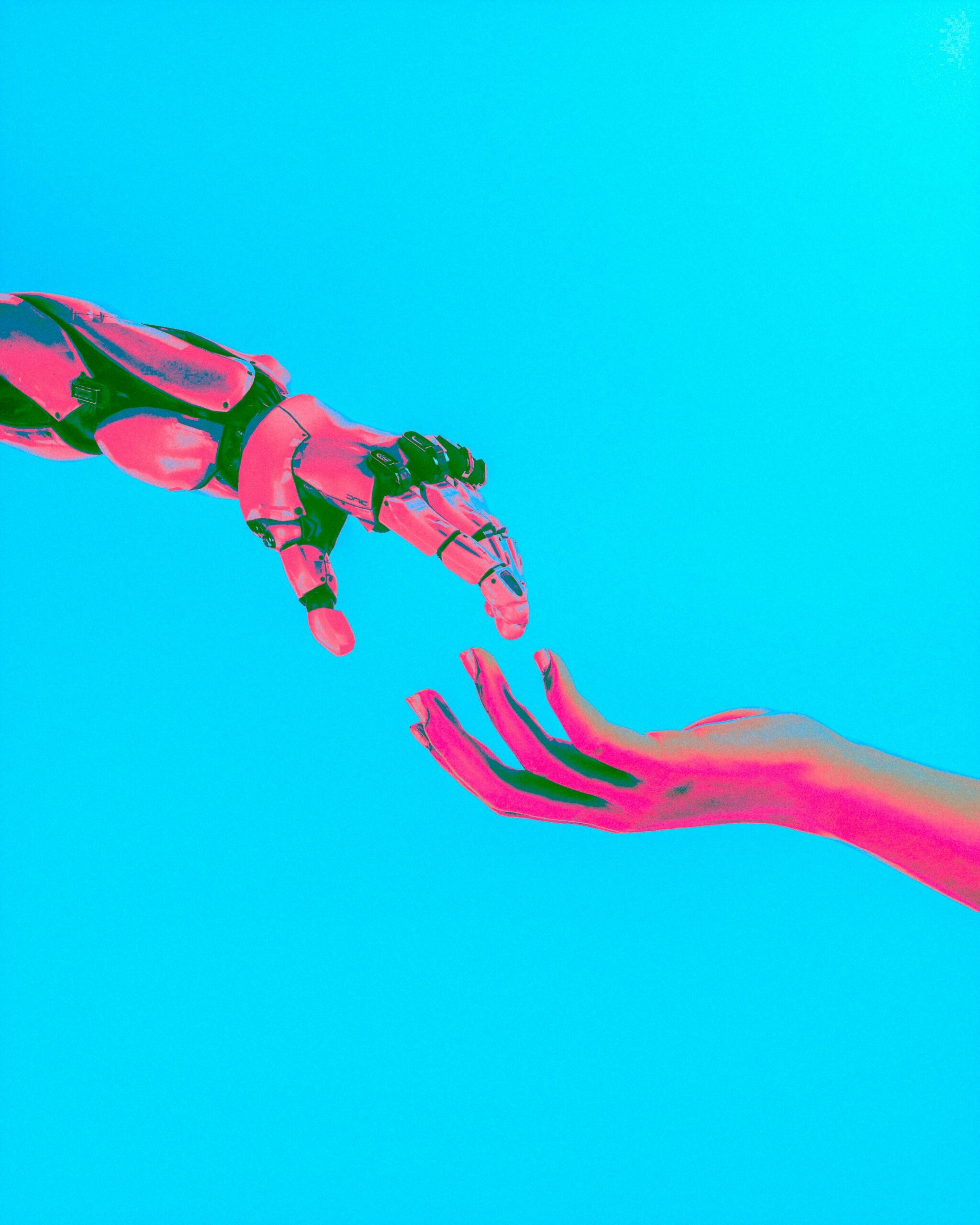
Discover Tesla’s Optimus humanoid robot — Elon Musk’s bold plan to transform industries, labor, and society with AI-driven robotics. Explore technical challenges, potential impact, and future implications.
🔹 Introduction: The Next Frontier in Robotics
Elon Musk has never shied away from pursuing audacious goals. From electric vehicles with Tesla to space exploration with SpaceX, Musk continues to push the boundaries of technology. His latest focus, the Tesla Optimus humanoid robot, represents a potential paradigm shift in work, productivity, and AI integration.
Tesla Optimus is designed to tackle tasks traditionally done by humans, offering a vision where labor is augmented or replaced by AI-driven robotics. Musk’s vision goes beyond industrial automation — he sees robots as a foundational technology capable of reshaping the global economy and human society.
This article provides an in-depth exploration of Tesla Optimus, including:
-
Design and functionality
-
Development progress and challenges
-
Strategic importance for Tesla
-
Implications for the labor market
-
Industry competition and investment potential
-
Long-term societal impact
🔹 What is Tesla Optimus?
Tesla Optimus is a humanoid robot capable of performing human-like tasks in both industrial and everyday settings. Unlike conventional robots limited to repetitive factory work, Optimus combines mobility, dexterity, and AI intelligence to operate autonomously in dynamic environments.
Key Features:
-
Humanoid Form Factor: Designed to navigate spaces built for humans, including factories, offices, and homes.
-
AI-Powered Intelligence: Optimus leverages Tesla’s neural networks and autonomous driving AI to learn tasks and adapt to new environments.
-
Dexterity & Precision: Advanced robotic hands and sensors allow fine motor control for complex tasks.
-
Scalable Production: Musk envisions mass production, enabling widespread deployment across industries.
-
Safety & Reliability: Built to operate safely in proximity to humans.
By integrating AI with robotics, Tesla aims to create a general-purpose humanoid robot that could perform almost any labor-intensive task, setting the stage for a new era of automation.
🔹 Strategic Importance for Tesla
Elon Musk has claimed that Optimus could become Tesla’s most valuable product, potentially surpassing the revenue generated by electric vehicles. This represents a strategic pivot from cars to AI and robotics as Tesla’s core long-term growth driver.
Why Optimus Matters for Tesla:
-
Revenue Potential: Robots could create recurring revenue streams, from direct sales to industrial service contracts.
-
Market Leadership: Early adoption in humanoid robotics positions Tesla ahead of competitors.
-
AI Integration: Tesla leverages years of expertise in neural networks, sensors, and autonomy from self-driving technology.
-
Global Scalability: Optimus robots could address labor shortages in multiple sectors worldwide.
Musk’s vision is that automation via Optimus could reshape society, enabling greater productivity while redefining the traditional role of human labor.
🔹 Development Progress & Technical Challenges
Building a fully functional humanoid robot is technologically complex. Optimus faces several challenges:
🛠️ Dexterity & Mobility
Human-like hands remain one of robotics’ toughest engineering problems. Optimus prototypes are making strides in grasping and manipulation, but fine motor skills are still limited.
🧠 AI Learning & Adaptability
Optimus uses AI to understand tasks, environments, and human interactions. Training such robots requires massive data sets and advanced reinforcement learning techniques.
⚡ Energy Efficiency
Balancing mobility, battery life, and performance is critical. Robots must operate for extended periods without frequent charging.
🔒 Safety & Reliability
Operating in human spaces demands stringent safety protocols, including obstacle avoidance and emergency shutdown mechanisms.
Despite these challenges, Tesla has demonstrated walking, object manipulation, and autonomous task execution in early prototypes, signaling progress toward practical deployment.
🔹 Implications for the Labor Market
Optimus could fundamentally change the labor landscape. While some jobs may be automated, new opportunities in robot maintenance, AI oversight, and robotics programming will emerge.
Potential Labor Impacts:
-
Industrial Automation: Robots handle repetitive or hazardous tasks, reducing workplace injuries.
-
Job Displacement vs. Transformation: Certain roles may be replaced, but new specialized jobs will arise.
-
Productivity Gains: Automation could significantly reduce operational costs.
-
Universal Basic Income Potential: Musk suggests widespread automation could make UBI viable by supporting society without requiring traditional labor.
Industries likely to feel the impact first include manufacturing, logistics, agriculture, and retail, where repetitive tasks are common.
🔹 Industry Competition
The humanoid robotics space is becoming highly competitive:
-
Boston Dynamics: Known for advanced mobility and dynamic robots but limited mass-market applications.
-
Agility Robotics: Focused on logistics and warehouse robots with human-like agility.
-
Tesla Optimus: Differentiates itself through AI integration, scalability, and Tesla’s manufacturing expertise.
Tesla’s approach emphasizes mass adoption, leveraging existing production infrastructure and AI experience to outpace competitors in both cost and capability.
🔹 Investment & Market Potential
For investors, Optimus represents a potential multi-billion-dollar opportunity. Musk envisions robots as:
-
A new revenue stream beyond vehicles
-
A platform for industrial automation services
-
A global solution for labor shortages
Companies and investors are watching closely, as Optimus could redefine Tesla’s valuation in the next decade. Early adoption and technological breakthroughs may yield significant financial upside.
🔹 AI & Robotics Integration
Tesla leverages its AI expertise from self-driving cars to train Optimus. This integration enables:
-
Autonomous task execution in dynamic environments
-
Learning from simulation and real-world data
-
Continuous improvement of robot performance
AI-driven robotics is still nascent, but Tesla’s approach could accelerate adoption, making robots that learn like humans a commercial reality.
🔹 Societal Implications
Optimus could have far-reaching societal effects, including:
-
Workforce evolution: Humans may transition from manual labor to oversight and creativity-driven roles.
-
Economic growth: Automation could reduce costs, increase efficiency, and boost productivity.
-
Quality of life improvements: Robots performing mundane tasks could free humans for leisure, education, or innovation.
-
Ethical considerations: Deployment raises questions about labor rights, AI governance, and equitable access.
🔹 Challenges & Skepticism
Despite Musk’s optimism, critics highlight major hurdles:
-
Technical feasibility: True general-purpose humanoid robots remain difficult to engineer.
-
Cost vs. value: Scaling production while maintaining affordability is a challenge.
-
Market adoption: Convincing industries to replace human labor with robots may take years.
However, Tesla’s track record of achieving ambitious engineering goals provides credibility to the vision, making Optimus one of the most closely watched projects in robotics.
🔹 The Future of Optimus
Tesla envisions a roadmap where Optimus:
-
Operates autonomously in factories, warehouses, and homes
-
Performs tasks ranging from repetitive manual labor to complex interactions
-
Integrates seamlessly with other AI and IoT technologies
-
Eventually represents a core driver of Tesla’s valuation and global productivity
As technology matures, Optimus could shift global labor paradigms, redefine industries, and create a new era of AI-driven robotics.
🔹 Conclusion: A Transformative Vision
Tesla Optimus is more than a robot — it’s a glimpse into a future where AI and robotics redefine work, society, and economic structures. Elon Musk’s vision, while ambitious, is grounded in Tesla’s engineering expertise, AI leadership, and manufacturing capability.
For investors, technologists, and policymakers, Optimus represents a critical opportunity to prepare for the automation-driven future. The project’s success could reshape industries, economies, and the very nature of work as we know it.
The world is watching — and Tesla Optimus may be the next great technological revolution.
Direct Source: Wall Street Journal – Elon Musk’s Optimus Robot




0 Comments