
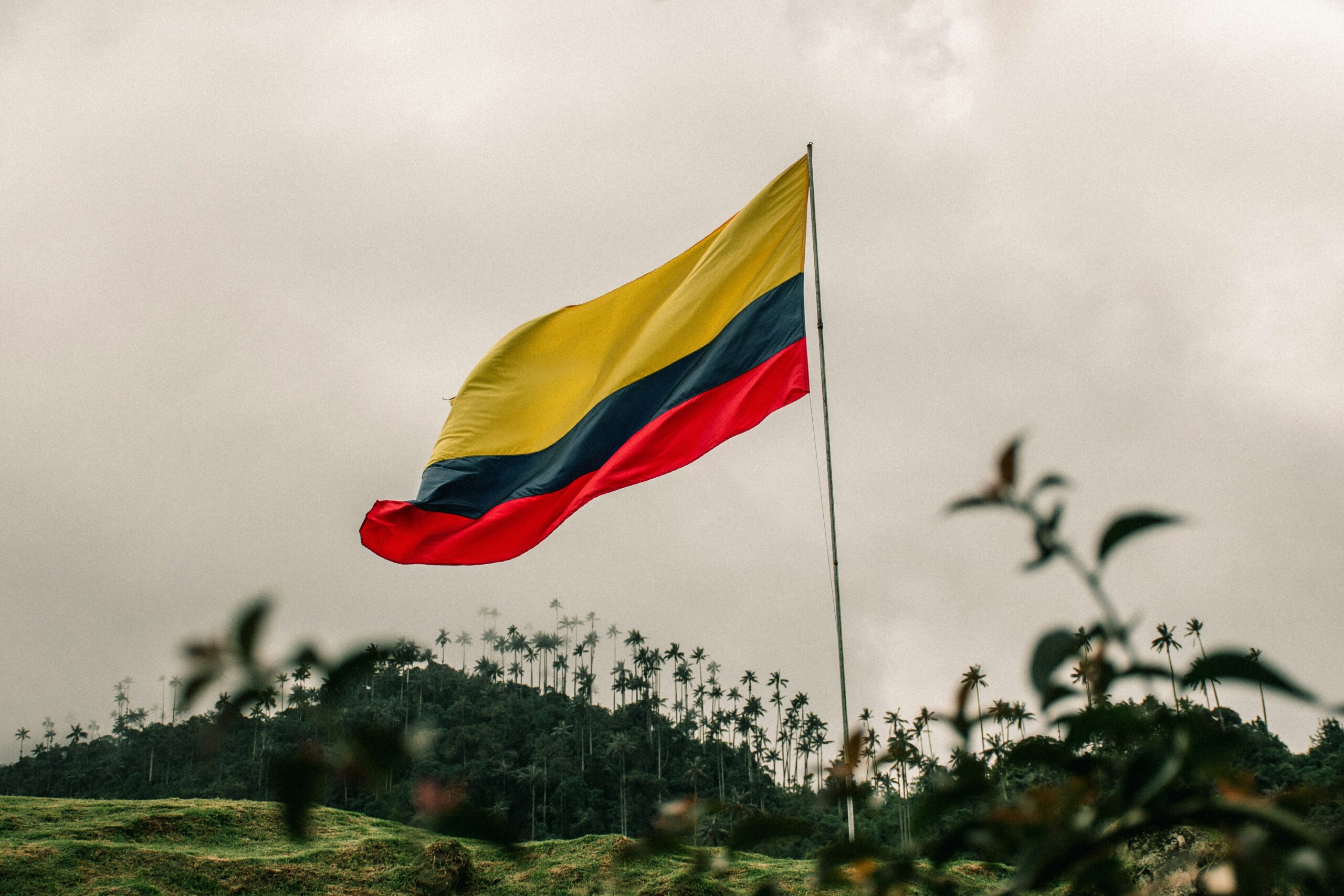
After Nicolás Maduro’s ouster, Donald Trump assumes unprecedented influence over Venezuela’s future. This deep geopolitical analysis explores global risks, energy politics, legitimacy, and the reshaping of U.S. power in Latin America.
🧠 Executive Summary
The collapse of Nicolás Maduro’s regime marks one of the most dramatic political ruptures in the Western Hemisphere in decades. Yet the true inflection point lies not in Maduro’s fall, but in what followed: the United States, under President Donald Trump, stepping into a de facto governing role over Venezuela’s transition.
This is not regime change as diplomacy, nor intervention as deterrence. It is an experiment in post-authoritarian governance, undertaken amid global fragmentation, declining institutional trust, and rising great-power competition.
For Venezuela, the stakes are existential.
For the United States, the risks are systemic.
For the world, the implications extend far beyond Latin America.
🌎 Why Venezuela Matters to the World
Venezuela is not an isolated case study. It sits at the intersection of:
-
Global energy security
-
Regional migration flows
-
Transnational crime networks
-
Strategic competition among major powers
Its collapse destabilized neighbors, strained international systems, and became a symbol of state failure driven by corruption and ideological rigidity.
Its reconstruction—or failure—will shape how global actors assess the credibility of American leadership in the 21st century.
🏛️ The End of Maduro: Collapse Without Consensus
Maduro’s exit did not result from domestic consensus or negotiated transition. Instead, the regime unraveled rapidly, leaving behind:
-
Discredited institutions
-
Fragmented security forces
-
Competing claims of legitimacy
-
A population exhausted by economic trauma
This absence of a clear successor forced an uncomfortable reality: no Venezuelan authority possessed the capacity to govern alone.
Washington’s involvement filled a vacuum—but legitimacy cannot be airlifted.
🇺🇸 Trump’s Strategic Worldview in Action
Donald Trump’s foreign policy has always prioritized leverage over consensus and outcomes over process. Venezuela reflects this worldview in its purest form.
🎯 Strategic Objectives
Trump’s approach aligns around four pillars:
-
Neutralize a hostile regime
-
Restore regional deterrence
-
Reclaim strategic influence
-
Unlock economic value
This framing resonates domestically—but governing outcomes abroad operate on different timelines and constraints.
⚠️ Governing Versus Winning
Removing a regime is finite. Governing a society is not.
Venezuela’s challenges include:
-
A collapsed currency system
-
Broken food and medical supply chains
-
Mass emigration of professionals
-
Distrust of political elites
Military power can create space—but not institutions.
🛢️ Energy Power and Economic Reality
Venezuela’s oil reserves dominate strategic thinking, yet reality intrudes:
-
Production capacity is severely degraded
-
Infrastructure requires multi-year investment
-
Legal uncertainty deters capital
-
Skilled workforce depletion slows recovery
Restoring energy output without institutional reform risks repeating extractive failures.
Yet delaying oil recovery prolongs humanitarian strain. This tension defines the policy dilemma.
🌐 Global Energy Markets React
Energy markets view Venezuela not as a solution, but as a conditional variable.
Any meaningful output increase depends on:
-
Political stability
-
Contract clarity
-
Security guarantees
Absent these, oil remains a promise—not leverage.
⚖️ International Law and the Question of Authority
The global response hinges on legitimacy.
Key questions remain unresolved:
-
Who recognizes transitional authority?
-
Under what legal framework does governance occur?
-
What is the defined end state?
Without multilateral alignment, governance risks being framed as occupation rather than stabilization.
🌎 Latin America’s Strategic Unease
Regional governments face conflicting incentives.
Public Position
Opposition to foreign control and defense of sovereignty.
Private Reality
Relief at Maduro’s removal and desire for stability.
This duality limits collective action and weakens regional consensus.
🧩 The Legitimacy Gap
Legitimacy arises from consent, not capability.
Venezuelans face a difficult psychological calculus:
-
Relief from regime collapse
-
Fear of foreign dominance
-
Skepticism toward political elites
-
Desire for normalcy over ideology
Any governing structure must address identity, not just administration.
🗳️ Elections: Solution or Catalyst?
Elections are essential—but timing is everything.
Premature elections risk:
-
Empowering armed factions
-
Cementing polarization
-
Producing contested outcomes
Delayed elections risk:
-
Eroding trust
-
International backlash
-
Domestic radicalization
There is no neutral timetable—only trade-offs.
🛡️ Security: The Invisible Battlefield
Venezuela’s security landscape remains volatile:
-
Criminal organizations retain territorial influence
-
Paramilitary groups exploit uncertainty
-
Borders remain porous
Security without repression is the hardest governance challenge—and the most critical.
💸 Economic Reconstruction Beyond Oil
Long-term recovery requires diversification:
-
Agriculture revitalization
-
Infrastructure rebuilding
-
Education reinvestment
-
Financial system credibility
None of these succeed without institutional trust—a resource more scarce than capital.
🌍 The Global Signal
Trump’s Venezuela strategy sends a message:
-
To rivals: power can still shift outcomes
-
To allies: alignment carries expectations
-
To fragile states: collapse invites intervention
Whether that message stabilizes or destabilizes the global order remains uncertain.
🔮 Possible Futures
🌱 Stabilization Path
Gradual legitimacy, restored services, controlled elections, regional reintegration.
⚖️ Prolonged Transition
Functional governance without full trust, ongoing international debate.
🔥 Fragmentation
Insurgency, isolation, economic stagnation, and strategic failure.
The margin between success and failure is narrow—and unforgiving.
🧠 Strategic Verdict
Trump’s involvement in Venezuela is neither reckless adventurism nor humanitarian rescue alone. It is a calculated gamble that tests the limits of power in a fractured world.
Success requires patience, restraint, legitimacy, and multilateral alignment—qualities often in tension with political urgency.
Failure would echo far beyond Caracas.
📌 Final Insight
Venezuela’s future will not be determined solely by who governs today—but by whether governance creates trust tomorrow.
For the United States, the question is not whether it can influence outcomes—but whether influence can evolve into legitimacy without force.
History will decide.



0 Comments