
Saudi Oil in Singapore’s Underground Caverns: What the 2027 Plan Means
A reported Saudi plan to store oil beneath Singapore’s Jurong Island could strengthen supply flexibility in one of Asia’s busiest energy trading hubs.
The 2027 Timeline
Reported storage arrangements would begin in 2027, bringing Saudi oil closer to customers across Asia.
A Strategic Location
Singapore’s underground caverns sit near refineries, terminals and major shipping routes.

The parties, place and proposed start date
Saudi Arabia’s Reported Plan to Store Oil Beneath Singapore From 2027
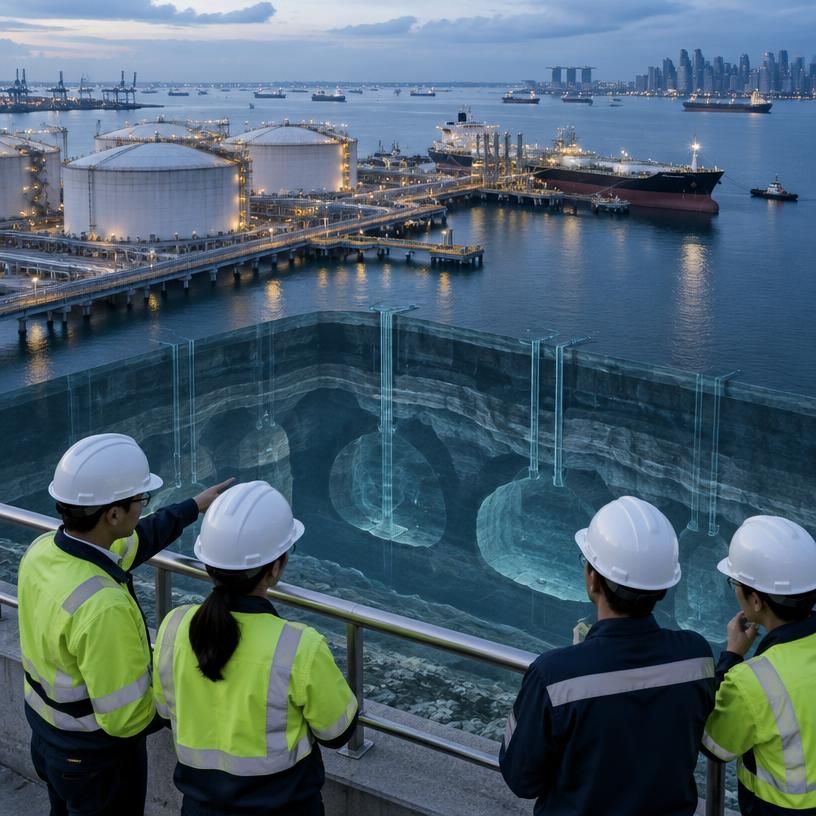
Why Jurong’s Underground Caverns Matter
Singapore’s Jurong Rock Caverns are storage chambers excavated deep beneath Jurong Island. Oil moves through connected pipelines, while the surrounding rock and groundwater pressure help contain it. By placing storage below ground, Singapore preserves scarce surface land for refineries and other industrial uses.
The reported Saudi plan would put oil in a location already linked to Singapore’s refining, trading and maritime networks. Starting in 2027, such storage could give Saudi suppliers greater flexibility to serve Asian buyers and respond to shifts in demand or shipping schedules. The commercial impact will depend on the final arrangements and how the capacity is used.
Why Saudi Arabia Plans to Store Oil in Singapore
Albert Report grew out of Albert Pham’s interest in connecting international news with the political and commercial forces behind it. Founded by a political science graduate with interests spanning world affairs and cultural exchange, the blog’s mission is to help readers separate reported developments from informed interpretation. In this case, the reported plan is for Saudi Arabia to store crude in Singapore’s underground caverns from 2027. Commercially, a location near Asian refining and trading markets could shorten delivery times and give Saudi sellers more flexibility in serving buyers. Strategically, a Singapore inventory could diversify storage locations and strengthen Saudi Arabia’s presence in a major energy-trading hub. Those are potential benefits, not confirmed outcomes: the plan alone does not establish storage volumes, contractual terms or how the crude will ultimately be used.
What Singapore Storage Could Mean for Asian Oil Trade
Faster Access to Asian Buyers
More Flexible Delivery Scheduling
Stronger Trading-Hub Connectivity
Additional Storage-Site Diversification
Potential Refinery Supply Buffer
Greater Optionality for Saudi Sellers
Closer Alignment With Regional Demand
Possible Changes to Cargo Routing
More Responsive Inventory Management
Implications for Freight Planning
Continued Exposure to Market Volatility
Dependence on Storage Capacity
Uncertain Effects on Regional Prices
Questions About Contractual Access
A New Link in Asian Supply Chains
Saudi Oil Storage in Singapore: Key Questions
What the reported cavern plan could mean for regional supply, energy security, and oil markets.
What is the proposed Saudi oil storage project?
Saudi Arabia plans to store oil in Singapore’s underground caverns, adding storage capacity near a major Asian trading and refining hub. The arrangement could help position supplies closer to regional buyers.
When is storage expected to begin?
The reported target is 2027. The timing remains subject to the project’s implementation and any operational arrangements needed before oil can be stored.
Why use underground caverns in Singapore?
Underground storage can hold substantial volumes while using less surface land—a particular advantage in Singapore. Its location also offers access to established shipping routes and energy-market infrastructure.
Could the project strengthen energy security?
Oil held closer to Asian customers could offer more flexibility during shipping disruptions or sudden demand shifts. The benefit would depend on how much oil is stored and who can access it during a disruption.
Will it change global oil prices?
Storage alone is unlikely to determine global prices, which respond to supply, demand, and producer decisions. It could, however, affect regional logistics and the speed at which stored barrels reach buyers.
Want the Bigger Energy Picture?
Follow the Forces Shaping Global Energy
Follow Albert Report for informed analysis of energy developments and the geopolitical decisions behind them—from oil storage strategy to the shifting relationships that shape global supply.



0 Comments