
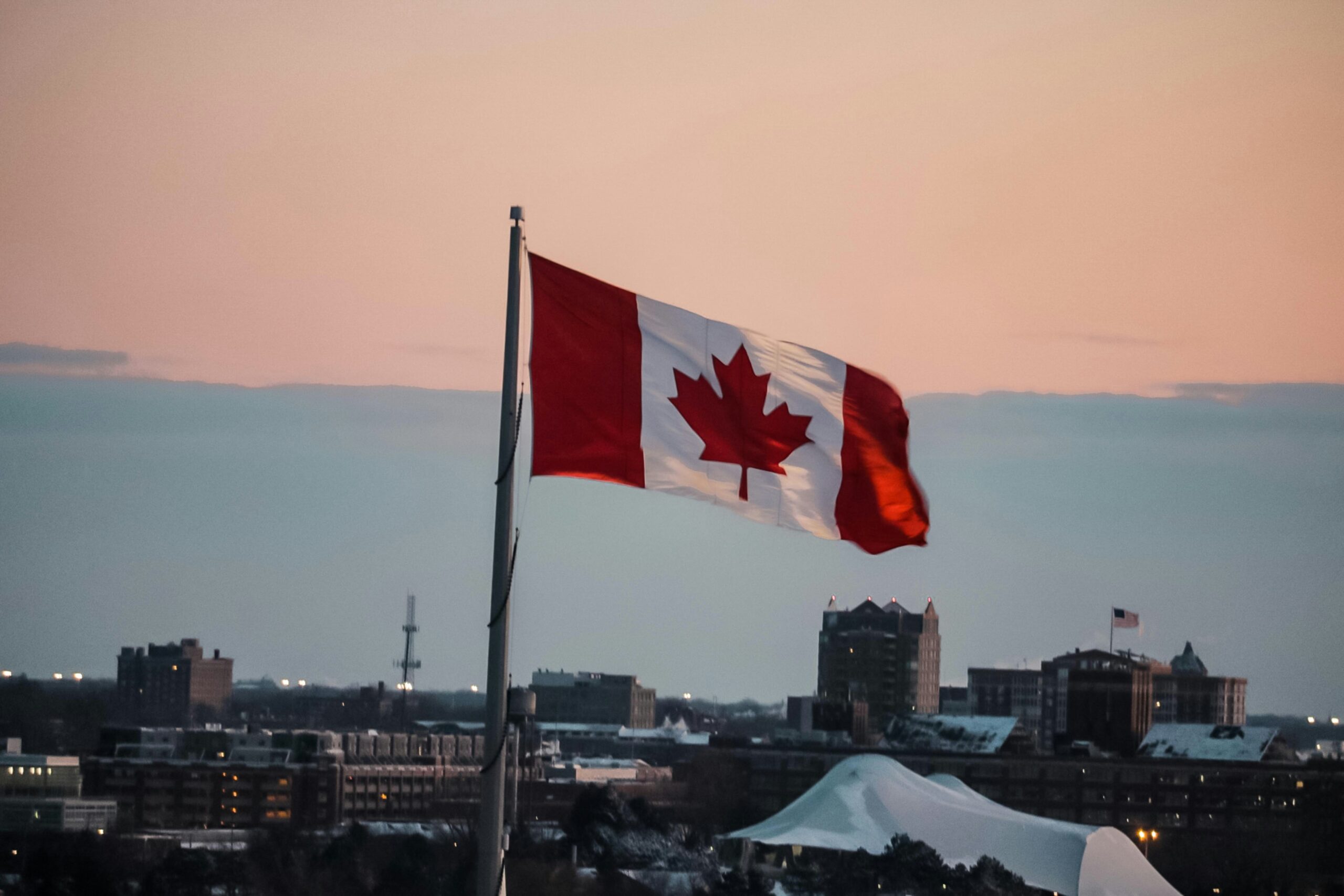
Explore how Justin Trudeau’s decade in office reshaped Ottawa and Canada. Detailed analysis of political, social, and economic changes, policy initiatives, controversies, and long-term legacy.
📰 The Trudeau Era: A Decade of Transformation in Ottawa
From 2015 to 2025, Justin Trudeau’s tenure as Canada’s Prime Minister was marked by ambitious policy reforms, high-profile controversies, and efforts to modernize both government and society. His leadership reshaped Ottawa, influenced national debates, and left a lasting imprint on Canada’s political and social landscape.
This article examines the Trudeau era in detail, providing an in-depth look at his policies, achievements, challenges, and the evolving Canadian political culture.
🇨🇦 Political Landscape Under Trudeau
Justin Trudeau entered office promising progressive governance, inclusion, and international engagement. His early years were characterized by:
-
Youth-focused initiatives to engage young Canadians in politics.
-
Global diplomacy and climate leadership, enhancing Canada’s international reputation.
-
Social inclusion programs, supporting diversity, gender equality, and marginalized communities.
However, Trudeau’s later years saw growing political polarization, economic challenges, and ethical controversies that tested his leadership. The Prime Minister’s decisions often prompted debate on federal authority vs. provincial autonomy, especially in areas such as healthcare, immigration, and climate policy.
📈 Key Policy Achievements
👶 Social Programs and Economic Support
Trudeau’s government significantly expanded Canada’s social safety net, including:
-
Canada Child Benefit (CCB): Reduced child poverty and supported middle-class families.
-
Affordable housing investments: Targeted key cities facing housing shortages.
-
Support for seniors and vulnerable populations: Including expanded pension programs.
These initiatives strengthened public perception of Trudeau as a leader focused on social equity.
🌱 Climate Action
Climate change was a central component of Trudeau’s agenda:
-
Federal carbon pricing program applied nationwide, with provincial adaptations.
-
Investments in renewable energy infrastructure, including wind, solar, and hydro projects.
-
Commitment to international climate agreements, positioning Canada as a global environmental partner.
Despite these initiatives, some provincial governments resisted implementation, highlighting tensions between federal ambition and regional realities.
🦠 COVID-19 Pandemic Response
The pandemic defined a crucial portion of Trudeau’s final term:
-
Fiscal support programs: Emergency benefits, wage subsidies, and business relief measures.
-
Public health measures: Including vaccination campaigns and national health coordination.
-
Emergency powers: Invocation of the Emergencies Act to resolve large-scale protests, a move that sparked debate on civil liberties.
Trudeau’s handling of the pandemic demonstrated decisive leadership but also highlighted the limits of public consensus in crisis scenarios.
🌍 Immigration and Refugee Policy
Trudeau’s government promoted high levels of immigration to support economic growth and cultural diversity:
-
Welcoming refugees and international students for humanitarian and economic reasons.
-
Programs to support integration into labor markets and Canadian society.
-
Adjustments in 2025 due to housing and infrastructure pressures, reflecting a pragmatic policy approach.
These policies reinforced Canada’s global image as a welcoming nation, though domestic debates on capacity and regional balance intensified.
⚖️ Controversies and Political Challenges
Trudeau’s decade in office was marked by notable controversies:
-
Aga Khan Affair: Ethical questions concerning gifts and private vacations.
-
WE Charity Scandal: Scrutiny over federal contracts and perceived conflicts of interest.
-
SNC-Lavalin Affair: Alleged interference in legal proceedings.
These incidents contributed to public skepticism and became focal points for opposition criticism, influencing voter sentiment in later years.
🏛️ Transformation of Ottawa’s Political Culture
Trudeau’s leadership reshaped Ottawa’s governance and political norms:
-
Modernization of government digital services and infrastructure.
-
Increased emphasis on gender equality and diversity in public appointments.
-
Expanded international diplomacy efforts, solidifying Ottawa’s role on the global stage.
The city itself became a hub of national debate and civic engagement, reflecting Trudeau’s commitment to transparency, although sometimes polarizing public opinion.
💼 Economic and Social Impacts
Trudeau’s policies influenced multiple sectors:
Economy
-
Growth in green energy and technology sectors.
-
Investments in infrastructure to support urban development and economic resilience.
-
Challenges with inflation and housing affordability, affecting middle-class Canadians.
Education
-
Expansion of post-secondary funding and student financial support.
-
Incentives for skills training programs, responding to labor market demands.
Healthcare
-
Federal initiatives to reduce disparities between provinces.
-
Challenges in delivery efficiency and long-term sustainability remained ongoing concerns.
🏆 Social and Cultural Legacy
Trudeau’s influence extended beyond politics into social and cultural spheres:
-
Promotion of diversity and multiculturalism across Canada.
-
National conversation on gender equity, Indigenous reconciliation, and human rights.
-
Strengthening of Canada’s international cultural presence, through diplomacy, trade, and global initiatives.
🔍 Public Opinion and Legacy
Trudeau’s decade-long leadership generated mixed public opinion:
-
Supporters praise his progressive reforms, international engagement, and social programs.
-
Critics highlight ethical scandals, governance challenges, and economic pressures.
Analysts agree that Trudeau’s tenure reshaped Ottawa’s role in governance and public discourse, leaving a lasting impact on Canadian political culture.
🛡️ Lessons from the Trudeau Era
The Trudeau era offers insights for future leaders:
-
Balancing ambition and practicality: Policy innovation requires public buy-in.
-
Crisis leadership: Effective emergency response must respect civil liberties.
-
Maintaining public trust: Ethical transparency is essential for long-term credibility.
-
Fostering national unity: Harmonizing provincial and federal priorities remains crucial.
📊 Conclusion: Canada and Ottawa After Trudeau
Trudeau’s decade in office left Canada and Ottawa modernized, globally engaged, and socially progressive, while also highlighting challenges of ethical scrutiny, political polarization, and economic pressures.
Future leaders will inherit both his achievements and his challenges, shaping the ongoing evolution of Canadian governance. Trudeau’s legacy will remain a subject of debate, influencing policy discussions, electoral politics, and Canada’s global positioning for years to come.
SEO Keywords: Trudeau legacy, Canada politics 2025, Ottawa changes, Trudeau immigration policy, Canada social programs, Trudeau controversies, Trudeau resignation, Canada climate policy, Canadian economy, Canadian healthcare reform




0 Comments